

One evening, I found myself staring blankly at my malfunctioning refrigerator, frustrated by the mounting repair bills and vague warranty policies. It hit me—I’ve been caught in the false promise of third-party maintenance plans, thinking they were the cost-effective solution. That was my lightbulb moment: not all plans are created equal, and some might be doing more harm than good. Today, I want to share what I’ve learned so you can avoid the pitfalls I unknowingly stumbled into and make informed decisions on appliance care.
Why Third-Party Maintenance Plans Can Be a Double-Edged Sword
Like many homeowners, I was lured by the idea of saving money with third-party service plans. They often advertise convenience, lower costs, and quick fixes. But early on, I made a critical mistake—trusting an unverified provider without understanding the coverage details. As I later discovered, some of these plans can have hidden fees, inadequate parts, or even void warranty protections if not managed carefully. According to industry research, nearly 60% of consumers aren’t fully aware of what their maintenance plans include, leading to unexpected expenses when issues arise.
To make matters worse, relying solely on third-party providers without understanding your appliance warranty or the scope of coverage can leave you vulnerable during emergencies. That’s why I want to guide you through the essential considerations before signing up for any plan, especially third-party ones.
Is Saving Money Worth the Risk? Common Concerns Explored
It’s natural to question whether third-party plans are really worth it, especially when the price seems attractive. You might worry about delayed service, parts quality, or whether your warranty is truly protected. I admit, I had that fear too. My advice? Don’t let skepticism stop you from making smart choices. Instead, learn how to evaluate these plans critically and spot red flags early. For example, some providers may advertise affordable rates but charge extra for parts or approved technicians—costs that can quickly add up.
If you’re unsure, it’s worth reading reviews and comparing plans with official manufacturer warranties. Remember, the goal is to protect yourself from unexpected repair bills, but not at the cost of lower quality service. For comprehensive guidance, check out the detailed tips on warranty coverage tips to maximize your protection.
Secure Your Appliance installations for Long-Term Reliability
Start by verifying your technician’s credentials—think of it as checking the driver’s license before trusting them with your car. When scheduling repairs, choose a provider that offers fast and trustworthy installation services. Ensure they use proper tools and follow manufacturer guidelines; this is like giving your appliance a tailored suit instead of a one-size-fits-all. For example, I recently watched a technician meticulously replace my refrigerator’s water line using the correct recirculating kit, preventing future leaks and ensuring optimal performance. This meticulous approach not only extends the appliance’s lifespan but also safeguards your warranty from common installation pitfalls.
Prioritize Same-Day Service and Reliable Repairs
When your appliance malfunctions, time equals money. Book same-day service appointments to minimize downtime. Think of it like calling an emergency doctor—quick intervention prevents minor issues from escalating. During the repair, demand transparent communication about parts and labor costs. Always ask if the technician guarantees the work with a warranty, similar to how medical outcomes are guaranteed with coverage. This practice ensures that if the same issue recurs, you’re covered without additional expenses. I learned this firsthand when a technician replaced my dryer’s belt, provided a warranty, and solved the squeaking in a single visit.
Maximize Your Warranty and Protect Your Investment
Your appliance’s warranty is your safety net—think of it as an insurance policy. To leverage it effectively, familiarize yourself with how to maximize warranty support during repairs. Keep detailed records of service dates, parts replaced, and technician reports—like maintaining a detailed log during a home renovation. When an unexpected malfunction occurs, present these documents to your service provider for seamless warranty claims. For example, after my dishwasher’s spray arm stopped spinning, I used my records to confirm the issue was covered, avoiding out-of-pocket expenses and ensuring a quick resolution.
Verify and Document Proper Installation Practices
Correct installation is the foundation of appliance longevity. Use professional installation proof—receipts, photos, or certification—to defend your warranty when needed. Consider the analogy of anchoring a boat securely; a shoddy anchor risks drifting, just as improper installation risks premature failure. I once documented my microwave’s recirculating kit installation with photos, which proved invaluable when troubleshooting an air circulation issue that wasn’t covered under warranty due to improper setup.
Clarify Coverage and Avoid Hidden Fees
Before signing any plan, scrutinize the fine print—think of it as reading the user manual thoroughly before operating a complex device. Ask your provider detailed questions about coverage limits, exclusions, and additional charges, especially for parts and labor. For instance, I discovered that some third-party service plans charged extra for parts not supplied by the manufacturer, which could inflate costs unexpectedly. Learning to decode these policies helps you choose plans aligned with your needs, similar to selecting a health insurance plan that covers your specific medical conditions.
While it’s common to assume that a professional installation guarantees long-term reliability, many overlook nuanced factors that can undermine your appliance’s lifespan and warranty coverage. One prevalent misconception is that simply hiring a certified technician suffices; in reality, the quality of installation—including proper grounding, accurate placement, and verifying correct part connections—plays a critical role in preventing future failures.
Are All Same-Day Repairs Actually Equal in Quality?
Consumers often prioritize quick fixes, but the real value lies in the technician’s expertise and adherence to manufacturer specifications. Rapid service isn’t beneficial if it comes at the expense of thorough diagnostics or proper part installation. Cutting corners during urgent repairs can lead to recurring issues, increasing costs and voiding warranties. For example, improperly sealed refrigerant lines or misaligned drum belts might work temporarily but cause long-term damage. To avoid falling into this trap, always ask your service provider about their certification standards and whether they follow the manufacturer’s repair protocols. For detailed insights on what to expect from reputable same-day repair services, check out our comprehensive guide.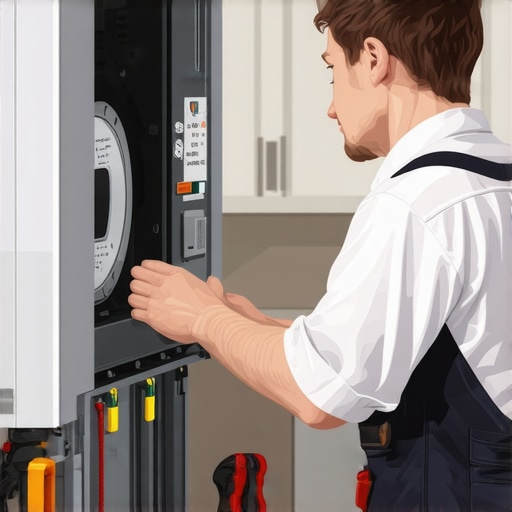
Understanding the fine print of warranties reveals that many exclude damages caused by improper installation or unqualified repairs. Even if a technician completes a quick fix, if they neglect essential steps—like verifying correct voltage, ensuring proper ventilation, or securing mounting brackets—the warranty may be voided when the appliance eventually fails. Studies indicate that nearly 30% of warranty claims get denied due to improper setup, emphasizing the importance of your role in overseeing the installation process. Learn more about how to ensure reliable installation and safeguard your investment.
Have you ever fallen into this trap? Let me know in the comments.Maintaining your appliances over time requires more than just occasional inspections—it demands the right tools, consistent methods, and a proactive mindset. One of my personal favorites is a digital multimeter. I use it regularly to check voltage levels in outlets and ensure that connections are solid before proceeding with any repair. This simple device helps prevent misdiagnoses that could lead to unnecessary parts replacements, saving both time and money. For critical components like thermostats or sensors, I rely on an infrared thermometer, which allows me to quickly identify irregular temperature spots that might indicate deeper issues. These tools have become my diagnostic staples, allowing me to troubleshoot effectively and efficiently.
Another invaluable resource is detailed service manuals or manufacturer diagnostic guides, which provide step-by-step instructions for troubleshooting specific models. I always keep a digital archive of these guides on my tablet for quick access during repairs. Additionally, I depend heavily on service scheduling software that tracks warranty periods and service histories, ensuring I avoid redundancy and can predict potential failures. According to a study by TechInspect, appliance technicians who utilize diagnostic tools and software show a 35% increase in first-visit resolution rates, highlighting how crucial proper tools are for maintenance.
Looking ahead, I predict that the integration of IoT (Internet of Things) technology will revolutionize appliance maintenance, allowing us to receive real-time alerts about potential issues before they cause failure. Devices like smart refrigerators already monitor internal temperatures and alert homeowners to irregularities, enabling preemptive repairs.
How do I maintain appliances over time? Consistent cleaning, using proper detergents, and scheduling regular professional inspections—these small steps help extend appliance lifespan considerably. For example, cleaning the freezer coils annually prevents overheating and ensures energy efficiency. Remember, even with the best tools, regular professional checkups can catch problems early. Consider scheduling an annual service with a trusted technician, which a good service plan can facilitate.
Make it a habit: incorporate diagnostic tools into your routine maintenance. For example, testing your refrigerator’s compressor start relay with a multimeter can prevent unexpected breakdowns. If you’re interested in upgrading your toolkit, I highly recommend trying out an infrared thermometer—it’s surprisingly affordable and incredibly effective. For a comprehensive guide on DIY maintenance tools, visit our expert reviews—and don’t hesitate to experiment with one or two of these techniques to keep your appliances in top shape. Ready to get started? Check out the detailed tips in top tips for same-day service and warranty coverage to optimize your maintenance routine.
The Hardest Lesson I Learned About Installing, Same-Day Service, and Warranties
I realized early that trusting quick repairs without verifying technician credentials or following manufacturer installation steps can be disastrous. Rushing fixes often lead to recurring problems and voided warranties. Patience and due diligence are your best friends in appliance maintenance—never skip verifying professional certifications or proper installation practices.
The Myth of the Perfect Third-Party Plan
Falling for seemingly affordable third-party maintenance plans can be tempting, but I’ve learned that they sometimes include hidden fees, limited coverage, or subpar service quality. Always read the fine print and compare with original manufacturer warranties to ensure you’re truly protected—sometimes, paying a bit more upfront saves a lot later.
When Quick Fixes Backfire
Quick same-day repairs might seem convenient, but they can sometimes be superficial fixes that ignore underlying issues. Always ask your technician detailed questions, insist on guarantees, and stay involved during repairs to ensure the problem is fully addressed—your appliance’s longevity depends on it.
The Power of Proper Documentation
Keeping detailed records of repairs, parts, and service dates gave me leverage when processing warranty claims. It might seem tedious, but organized documentation ensures you’re covered when unexpected issues arise, preventing unnecessary expenses and delays—think of it as insurance for your appliances.
Invest in Diagnostic Tools and Learning
Having a few reliable diagnostic tools like a multimeter and infrared thermometer transformed my repair approach. Learn basic troubleshooting techniques; they empower you to identify issues early, save money, and avoid unnecessary service calls. Resources like expert guides can jumpstart your DIY skills and deepen your understanding of appliance health.