

I remember the moment clearly—I was eager to upgrade my kitchen and thought, why not make it smarter? I had an antique coffee maker and a vintage toaster that still worked flawlessly. But as soon as I tried to connect them to my new smart hub, I hit a wall. They just wouldn’t cooperate. Frustrating doesn’t even begin to cover it. That lightbulb moment made me realize: there’s a whole world of compatibility issues between our cherished older appliances and today’s smart home innovations.
Why Compatibility Between Old Appliances and Smart Systems Still Matters
Many homeowners are excited about integrating their kitchens into the smart home ecosystem, but I found that older appliances can be surprisingly tricky to automate. They weren’t designed with modern connectivity in mind. Yet, the desire to control everything from a simple app remains strong. Whether it’s a vintage dishwasher or an inherited oven, understanding the hurdles and solutions can save you time, money, and a lot of unnecessary stress. If you’ve faced this frustrating experience, you’re not alone—and there’s good news ahead.
Is Compatibility Really a Big Deal—Or Just a Marketing Gimmick?
Early on, I made the mistake of assuming that my existing appliances would simply work with my smart setup. The reality? Compatibility isn’t always guaranteed. Devices often require specific communication protocols or hardware modifications. According to experts, a common oversight is ignoring the technical specifications that allow devices to ‘talk’ to each other. This isn’t just about convenience; it’s about safety and functionality. For instance, trying to retrofit a 20-year-old stove without checking its connectivity options can lead to damage or voided warranties. You can read more about ensuring reliable appliance installation here.
My mistake? I jumped into installing wireless modules without verifying if my appliances supported them. That misstep cost me extra time and money. But I learned that doing thorough research, understanding compatibility layers, and consulting professionals makes a world of difference. So, what’s next? Well, stay with me as we explore practical steps to bring your vintage kitchen into the smart era without the headaches.
Assess Compatibility Before You Start
First, identify the make, model, and age of your appliance. Check the manufacturer’s website or manual for connectivity options, such as Wi-Fi modules or smart adapters. For older units without any connectivity features, consider whether retrofitting with third-party modules is feasible. I recall my own process where I took photos of labels on my vintage oven to verify compatibility with third-party Wi-Fi kits—this avoided costly mistakes later.
Choose the Right Smart Accessories
Select compatible smart modules or adapters designed for vintage appliances. Focus on those with a proven track record and positive user reviews. For instance, I used a universal smart plug with adjustable voltage settings for my antique coffee maker, which allowed me to control it remotely. Always ensure that the accessory’s specifications match your appliance’s requirements to prevent electrical issues.
Prepare for Installation
Before installing, switch off the appliance at the power source to prevent electric shock. Gather necessary tools—screwdrivers, wire strippers, and possibly a multimeter. I once made the mistake of starting an installation without turning off the circuit breaker, which led to a brief spark. Remember, safety is key—consult professional guides or technician if unsure.
Implementing the Connection
Connect the smart module according to instructions—usually, attaching wires to existing terminals or plugging into power outlets. If your appliance has a control panel, you might need to open its casing carefully. Think of it as giving your appliance a new ‘brain’—making sure all connections are secure. In my experience, double-checking wire polarity and tightening all screws ensures reliable operation.
Ensure Proper Functionality and Safety
After installation, restore power and test the appliance’s connectivity with a smartphone app. Monitor its initial operation closely. While I was testing my smart toaster, I watched it toast an example slice to confirm full control. If issues arise, fault locally by rechecking connections or resetting the device. If problems persist, professional repair services can assist—avoid damaging your appliance or voiding warranties. For repairs or installation support, consider options outlined on fast and trustworthy installation services.
Regular Maintenance and Troubleshooting
Keep firmware for smart modules updated to prevent bugs. Perform routine checks for loose wires or corrosion. If your appliance stops responding, it might be due to outdated software or hardware failure—consult a professional for diagnostics. Remember, proper maintenance extends the life of vintage appliances while integrating them seamlessly into your modern smart home setup.
When it comes to appliance installation and repair, many homeowners operate under common myths that can cost them time, money, and even safety. For instance, a widespread misconception is that appliance warranties cover all repair costs—yet, many warranties exclude accidental damage or improper installation, making professional expertise crucial. As an expert in the field, I can tell you that rushing into repairs without understanding warranty conditions often leads to unexpected expenses. Ensure you read the fine print and consult professional services like those highlighted here to demystify your coverage.
Many believe same-day service is simply a matter of availability, but the hidden nuance is scheduling—technicians often prioritize based on appointment complexity and parts availability, not just urgency. An expert tip is to confirm precise time estimates and understand their priority system beforehand.
One trap I often see is homeowners assuming that repair costs are transparent upfront. In reality, some service providers add hidden charges for diagnostics or after-hours work. Always request a detailed, itemized quote prior to service—this prevents surprises and ensures clarity. For a reliable example of transparent pricing, check this guide on service tips.
Specifically, advanced users should question the assumption that warranties automatically cover every fault. The reality is nuanced; warranties often have fine print about what damages are included and exclude damages caused by user error or neglect. To maximize your warranty benefits and avoid denied claims, consider consulting resources like here.
In terms of installation, one common mistake is neglecting the importance of proper electrical grounding. Incorrect wiring not only risks appliance damage but also poses safety hazards, including electrocution. Professional installers follow strict codes, so verify their credentials and ask about grounding practices before they begin. Remember that a poor installation can void your warranty and lead to costly repairs down the line. Learn how to verify certification here.
Finally, don’t overlook the value of regular maintenance. Many assume that once an appliance is repaired or installed, no further attention is needed. However, ongoing tune-ups can prevent minor issues from escalating into major failures. For instance, scheduled cleaning of filters and coils extends appliance lifespan and maintains efficiency, saving you money. Get expert advice on maintenance routines here.
Remember, approaching appliance issues with a critical eye and informed strategy can prevent costly disappointments. Have you ever fallen into this trap? Let me know in the comments.
Essential Tools for Long-Term Appliance Care
One of the most reliable ways to ensure your vintage or smart appliances stay operational is by investing in quality, specialized tools. I personally rely on a digital multimeter for diagnosing electrical issues—its precision helps me identify wiring problems rapidly, preventing unnecessary part replacements. For cleaning and maintenance, I use a service-grade ultrasonic cleaner, which thoroughly removes debris from internal components without disassembly, extending the lifespan of delicate parts.
Professional-grade screwdrivers and torque wrenches are indispensable when opening and reassembling appliances. This combo guarantees that screws are tightened to the manufacturer’s specifications, avoiding damage or safety hazards. I also keep a set of precision screwdrivers specifically for delicate components, ensuring I don’t strip screws or damage casings.
Effective Software for Appliance Management
For smart appliances, I recommend using a dedicated home automation hub like Home Assistant. It allows you to monitor multiple devices in one interface and automate maintenance routines. For instance, scheduling regular firmware updates or diagnostics can prevent unexpected failures. I personally set reminders within the app to perform weekly checks on Wi-Fi connectivity and software versions, which keeps my smart appliances syncing properly and minimizes disruption.
Stay Ahead with Predictive Maintenance Tools
Emerging technology such as AI-based diagnostic tools can analyze usage patterns and predict failures before they happen. Companies like Belkin are developing smart plugs integrated with predictive analytics, helping homeowners schedule repairs proactively. Investing in such tools now can dramatically extend your appliances’ lifespan and reduce emergency repair costs.
How do I maintain appliances over time?
Regular inspection and cleaning are vital. For instance, routinely replacing filters, cleaning vents, and checking wiring connections can prevent many issues. Additionally, keeping a detailed maintenance log helps track wear and tear, making it easier to plan repairs and replacements. Remember, proactive care not only saves money but also enhances safety and performance. For detailed maintenance routines, consult guides available at this resource.
Predicting Future Maintenance Trends
Looking ahead, I believe connected devices will integrate more sophisticated AI diagnostics, automatically alerting homeowners to issues before they occur. The added automation and remote monitoring will make appliance maintenance more manageable and less reactive. Staying current with emerging tools and software will be crucial for homeowners aiming for long-term reliability. I encourage you to try some of these advanced diagnostic tips, like deploying predictive maintenance apps—taking control of your appliance health today.
The Unexpected Lessons Behind Seamless Appliance Integration
One lightbulb moment I had was realizing that some of the most overlooked details—like the age and wiring of your appliances—can make or break your smart home dreams. I once tried to retrofit a vintage oven without checking its wiring compatibility, leading to costly damages and a lesson in patience. The key takeaway? Never underestimate the importance of verifying the foundational aspects before jumping into upgrades.
Another insight was the power of community knowledge. When I hit a snag, forums and professional networks provided firsthand solutions that no manual could offer. Don’t hesitate to seek out seasoned experts or fellow enthusiasts; their experiences often reveal shortcuts and cautionary tales that save you time and money.
A final lesson involves balancing nostalgia with modern safety standards. Merging vintage charm with smart features isn’t just about convenience—it’s also about ensuring that your cherished appliances meet current safety codes. Prioritize safety checks and professional consultations to keep your home both beautiful and secure.
Tools and Resources That Changed My Approach
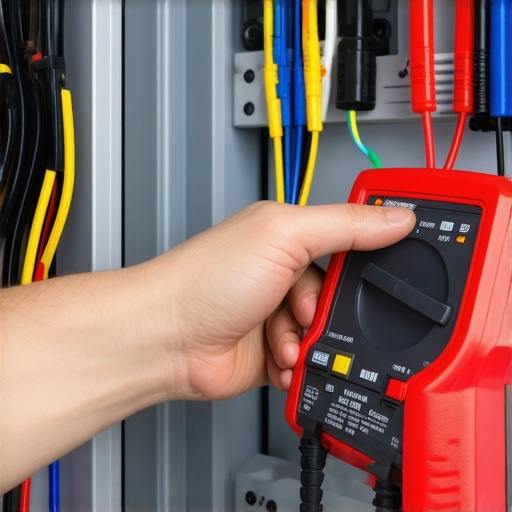
For reliable diagnostics, I trust a high-quality digital multimeter—it’s indispensable for verifying electrical connections in vintage appliances. Pair it with my favorite wire stripper and screwdrivers, which are crucial during installation. These tools help avoid damaging delicate components and ensure secure connections.
On the software side, Home Assistant has transformed how I manage my appliance ecosystem. Its automation capabilities remind me of routine maintenance like firmware updates, which significantly reduce unexpected breakdowns. Additionally, predictive analytics tools, still emerging, offer early warnings about potential failures, saving me from costly repairs down the line.
For ongoing education, I recommend reading industry-specific guides like “Expert Guide to Appliance Repair and Installation Today.” They provide in-depth insights that go beyond generic advice, equipping you with practical knowledge that empowers confidence and proficiency.
Your Next Smart Step Starts Now
Taking control of your vintage appliances and integrating them into your smart home isn’t just achievable—it’s rewarding. With a mix of careful planning, the right tools, and a proactive mindset, you’ll turn your nostalgic kitchen into a seamless blend of charm and modern convenience. Don’t wait for issues to arise; start your journey today and enjoy the peace of mind that comes with well-maintained, connected appliances.
What vintage appliance are you most eager to upgrade or repair? Share your stories and questions below—let’s learn from each other’s experiences.