
I stood there, sweat dripping into my eyes, listening to that heartbreaking click-hum-click. It was 98 degrees in the shade, and my air conditioner was doing a great impression of a giant paperweight. I felt that pit in my stomach—the one that says, “You’re about to spend three thousand dollars on a new unit.” But before you call the pros for an expensive emergency visit, you need to know about a tiny, stubborn component called the thermal overload protector. It’s the unsung hero that shuts everything down to prevent a literal fire, but it’s also the reason your house feels like a sauna right now. Today, I’m going to walk you through exactly why this happens and how to tell if you’re facing a simple reset or a major repair.
Stop Panicking and Listen to Your Unit
Most folks hear that clicking sound and assume the worst. I’ve been there. In my early DIY days, I actually ordered a whole new compressor because I thought the “click” was a death rattle. Talk about an expensive mistake! It turns out, that clicking is often just the thermal overload switch doing its job. According to data from the U.S. Department of Energy, overheating is one of the most frequent triggers for AC system shutdowns during peak summer months. If your unit is blowing room temperature air or refusing to kick on at all, the internal temperature has likely spiked past the safety threshold.
Is Your Compressor Actually Fried?
It’s the question that keeps us up at night when the thermostat hits 80 indoors. You’re probably skeptical. “Is it really just a switch, or is my 10-year-old unit finally giving up the ghost?” The truth is, the thermal overload trip is usually a symptom of a different problem, like a filter installed the wrong way or a failing capacitor. Have you ever walked outside and noticed your outdoor unit felt hot enough to fry an egg? That’s your biggest clue. Before we dive into the technical steps, I have to ask: have you ever had your AC quit on the hottest day of the year only to have it “magically” start working again an hour later? That’s the classic sign of a thermal trip cooling down. If you’re dealing with this right now, knowing what your warranty covers can save you a massive headache before you start unscrewing panels. We’re going to get that air moving again, but first, we need to understand the why behind the heat.
Shut Down the Power Before Touching Anything
You wouldn’t perform surgery on a patient who is still walking around, and you shouldn’t touch your AC while the juice is flowing. Think of the electricity in your unit like a pressurized fire hose—if you poke it the wrong way, it’s going to bite. Your first move is to head to the outdoor disconnect box, usually a small grey metal box mounted on the siding near your unit. Pull the T-handle or flip the breaker to the ‘Off’ position. This ensures that even if the thermostat calls for cooling while you’re elbow-deep in the chassis, the unit won’t kick on. This is especially critical if you are also dealing with other household issues, like the wiring mistake killing your smart home thermostat, which can send erratic signals to your HVAC system.
Finding the Reset Button on Your Compressor
Most modern compressors have a literal reset button, but it’s not always staring you in the face. It’s typically a small, red, circular button located near the bottom of the unit where the electrical wires enter the compressor housing. If it’s popped out, that’s your ‘gotcha’ moment. Much like the thermal switch reset that brings your dryer back to life, this button is a mechanical break in the circuit. I remember a humid Tuesday in July when I spent forty minutes scrubbing my coils, thinking they were the problem, only to find the reset button had tripped because a stray weed had grown into the fan. I pressed that button, heard a satisfying click, and the system roared back. 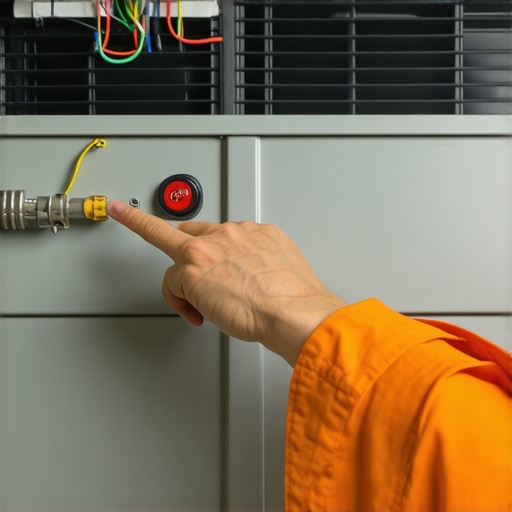
Patience is Your Only Tool for the Next Hour
Here is where most people fail: they try to reset the unit while it’s still hot enough to boil water. If the internal thermal disk hasn’t cooled down enough to snap back into its original shape, pressing the button won’t do a thing. You need to give it at least 30 to 60 minutes of ‘time out.’ Think of the compressor like a marathon runner who just collapsed from heat stroke; you can’t just yell ‘get up’ and expect them to run another mile. Use this downtime to check if you have a failing capacitor, as a weak capacitor often causes the motor to draw too much amperage, leading to that heat buildup in the first place.
Fix the Root Cause or the Trip Will Repeat
A reset is a temporary bandage, not a cure. If your unit trips again within an hour, stop resetting it. You’re risking a permanent ‘burnout’ which is a death sentence for the compressor. Start by checking your airflow. A clogged filter or a filter installed the wrong way creates massive static pressure that makes the motor work double-time. Next, look at the outdoor fins. If they are caked in dirt or lawn clippings, the heat can’t escape. Knowing the best way to clean your AC evaporator coils yourself can drastically lower the operating temperature and prevent future shutdowns. If the system still won’t stay on, it’s time to maximize your appliance warranty during emergency repairs by calling in a pro who can check for refrigerant leaks or internal mechanical friction.
Why Rushing the Repair Might Kill Your Unit
Most homeowners obsess over getting a technician to their door within the hour. While top tips for same-day service are helpful, there is a nuance most people miss: speed is often the enemy of a quality repair. I’ve seen ‘experts’ arrive, see a tripped thermal protector, and immediately suggest a massive compressor replacement without checking the static pressure or the blower motor. This ‘quick-fix’ culture is a trap. If you do not slow down and learn how to spot a shady appliance repair quote, you might pay for a symptom rather than the disease. The Air Conditioning Contractors of America (ACCA) emphasizes that proper diagnostic procedures should never be bypassed for speed, as improper airflow or incorrect refrigerant levels account for nearly 50% of premature system failures. In my experience, a technician who wants to ‘get in and out’ in twenty minutes is likely ignoring the heat-load calculation that caused the trip in the first place. 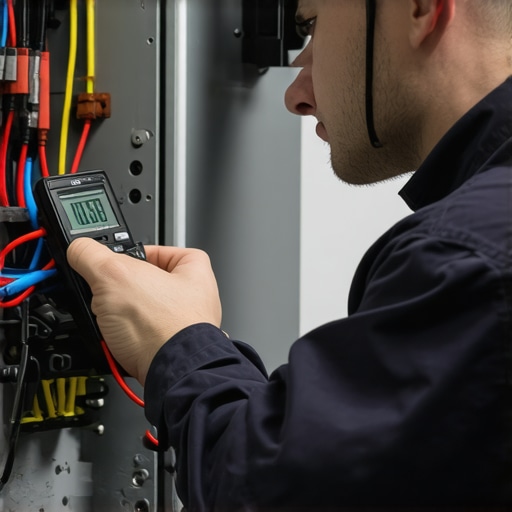
Don’t Forget the One Paper That Saves Your Wallet
Here is the ‘oops’ factor that bites even the smartest DIYers: the missing paper trail. You might think you are covered, but the reason your warranty claim was denied often boils down to a single missing piece of paper. The maintenance receipt you must save isn’t just a suggestion; it is a legal requirement for most manufacturer contracts. If you cannot prove you cleaned those coils or changed the filters regularly, the manufacturer can—and will—blame the thermal trip on ‘owner neglect’ and walk away from a thousand-dollar part replacement. This is especially true when you are trying to maximize your appliance warranty during emergency repairs. They are looking for any excuse to invalidate your claim, so keep your service logs organized.
Why Do Third-Party Warranty Companies Always Say No?
If you are relying on a home warranty rather than a manufacturer’s protection plan, you are playing a different game. According to data from the Consumer Federation of America, service contract complaints often center on ‘pre-existing condition’ loopholes used to deny coverage for expensive parts like AC compressors. You need to know why third-party warranty companies deny legitimate claims before you even pick up the phone. These companies often send the lowest-bidding contractor available, not the most skilled. If that technician does not document the thermal overload correctly or fails to mention that the unit was properly maintained, you are on the hook for the full bill. Have you ever fallen into this trap where a ‘quick fix’ cost you double later? Let me know in the comments. We need to stop looking for the fastest technician and start looking for the one who understands the nuance of electrical resistance and thermal safety.If you are serious about never being stranded in a 98-degree house again, you need to stop relying on ‘gut feelings’ and start using data. I finally broke down and bought a Fluke 116 HVAC Multimeter after three summers of guessing why my unit would not start. This is not just a fancy tool; it allows me to test the microfarads on a capacitor to see if it is drifting out of spec before it causes the compressor to overheat. You can find an expert guide to appliance repair and installation today that highlights why these precision measurements matter, but for me, it was the difference between a $15 part and a $1,500 compressor swap.
How do I maintain my AC system for the long haul?
The secret is not a magic chemical; it is consistency. I set a recurring calendar alert for the first Saturday of every month to check my filters. Airflow is the lifeblood of your system. If you ignore it, you will find yourself desperately searching for affordable same-day appliance fixes with warranty benefits when the system finally chokes. According to technical documentation from Emerson Climate Technologies, keeping the condenser coils clean can reduce the internal compressor discharge temperature by up to 20 degrees, which is the literal margin between a long-lasting unit and a melted motor. 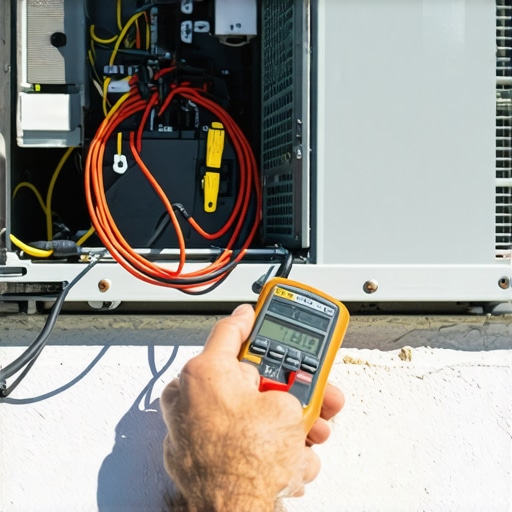
The Future of Smart Diagnostics in Your Backyard
We are moving toward an era where your AC will tell you it is going to fail before the thermal overload ever trips. In 2025, I expect more units to ship with integrated IoT sensors that monitor refrigerant pressure and amperage in real-time. If you are looking at how to ensure reliable appliance installation in 2025, make sure the technician is talking about ‘predictive maintenance’ features. We are moving away from ‘fix it when it breaks’ toward ‘fix it because the app said the motor is drawing too much current.’
Getting Professional Help Without the Wait
Sometimes, despite your best DIY efforts, the problem is deep inside the sealed system. When that happens, you need same-day appliance repair quick solutions with warranty support. Do not wait until the house is 85 degrees to start your search. Research local teams now and vet them based on their willingness to provide fast trustworthy appliance installation near you if the worst happens. My advanced tip for you today: Grab a can of non-acidic coil cleaner and a soft brush this weekend. Go outside, turn off the power, and give those fins a gentle scrub. You might just save your compressor’s life.
Hard Lessons My Sweltering Living Room Taught Me
Over the years, I’ve learned that the thermal overload protector is more like a smoke alarm than a simple switch. If it goes off, there is a fire somewhere—figuratively speaking. One of the biggest mistakes I made early on was ignoring the maintenance receipt you must save for future claims. Without that paper trail, your manufacturer warranty is essentially useless. I also realized that a tripped reset button is often a cry for help from a motor that can’t breathe. Whether it is a filter installed the wrong way or caked-on dust, the heat has to go somewhere, and usually, it stays inside the motor until it shuts down. Finally, remember that the reason your warranty claim was denied often comes down to lack of proof of service, so keep those logs ready.
What’s in My Summer Survival Kit
I don’t just rely on luck; I rely on a few specific items that stay in my garage year-round. First, an HVAC-specific multimeter is non-negotiable if you want to test capacitors before they kill your compressor. I highly recommend checking out an expert guide to appliance repair and installation today to see how to use these tools properly. Second, I keep a gallon of non-acidic coil cleaner. It’s the cheapest insurance policy you can buy. #IMAGE_PLACE_HOLDER_E# Lastly, I keep the number for same-day appliance repair quick solutions with warranty support on the fridge. Knowing who to call before the crisis hits saves you from making panicky, expensive decisions.
Take Control of Your Home’s Comfort
You don’t have to be a professional technician to understand how to keep your family cool. By understanding the thermal overload protector and the basics of airflow, you are already ahead of 90% of homeowners. If you ever feel overwhelmed, remember to maximize your appliance warranty during emergency repairs by staying organized and asking the right questions. Don’t let a ‘click’ ruin your summer—you’ve got the tools and the knowledge to handle it. Have you ever had your AC quit on the hottest day of the year only to have it ‘magically’ start working again an hour later? Let me know in the comments below!