
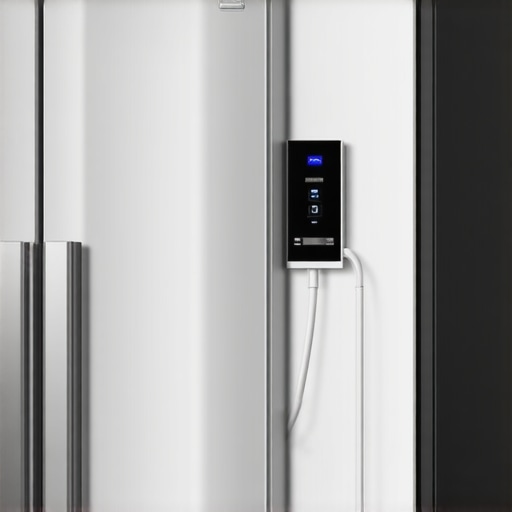
I remember the moment clearly—the first time my brand-new smart fridge refused to connect to Wi-Fi right after a thunderstorm. The frustration, the helplessness, and the sudden realization that I had overlooked a crucial detail: protecting my expensive new appliance from power surges. That lightbulb moment changed everything for me, and I want to help you avoid the same headache.
Why Your Smart Fridge Needs More Than Just a Power Outlet
Your shiny new smart fridge isn’t just about keeping your groceries cold—it’s packed with sensitive electronics, microchips, and Wi-Fi modules that can be easily damaged by unexpected power spikes. A power surge, often caused by lightning or grid fluctuations, can fry these components, rendering your investment useless and voiding your warranty. To ensure your fridge stays healthy and functions flawlessly, investing in a reliable surge protector isn’t just smart—it’s essential.
Are Cheap Surge Protectors Enough to Safeguard Expensive Tech?
Here’s my rookie mistake: I initially purchased a generic, inexpensive surge protector, thinking it would do the trick. Turns out, many low-cost models only protect against minor surges and can fail catastrophically during a big spike. This false sense of security cost me dearly when a power fluctuation knocked out my compressor’s control board. According to the Electrical Safety Foundation International, these surges can cause real damage to home appliances if not properly managed, and cheap devices often don’t offer the protection you need. So, before you plug in your smart fridge, read reviews, check certifications, and invest in a surge protector designed for high-value electronics.
Have you experienced a sudden appliance failure after a storm or power fluctuation? If so, you’re not alone. Many homeowners learn the hard way—sometimes even just a few days after installation—that a robust surge protection plan is necessary. Next, I’ll share how to choose the right surge protector and install it properly to keep your smart appliances safe and sound.
Secure Your Setup with Reliable Surge Protection
Start by selecting a high-quality surge protector rated for your appliances’ wattage. For instance, when I installed a surge protector for my smart fridge, I chose one with a Joule rating of at least 4000, which can handle bigger power spikes. Plug your fridge directly into this protector, avoiding daisy chaining or extension cords, which can compromise protection and void warranties. Remember, cheap surge protectors often fail during large surges, similar to how a weak foundation collapses under stress—so don’t skimp here.
Properly Install and Position Your Surge Protector
Proper placement is key. Keep the surge protector in an accessible yet protected spot behind the appliance. This prevents accidental disconnection or damage from moisture or dust. When I installed mine, I ensured it was mounted at a height and away from the stove or dishwasher heating elements to prevent overheating. Using a grounded outlet is critical; if you’re unsure about your home’s wiring, consider consulting a licensed electrician. Proper grounding ensures your surge protector functions as intended, reducing the risk of damage.
Regular Maintenance and Testing
Test your surge protector periodically—by pressing the test button if it has one—to confirm it’s working correctly. Examine the indicator lights; if they show a fault or if the protector is damaged, replace it immediately. I learned this the hard way when a protector’s LED turned red unexpectedly, signaling a failure during a storm. Swapping it out saved my fridge and avoided costly repairs. Maintaining and replacing surge protectors as recommended is like changing your car’s oil—routine care prevents breakdowns.
Implement Additional Power Measures for Critical Appliances
For highly sensitive or expensive appliances, consider whole-home surge protection or additional dedicated protectors. This is akin to wearing armor in a battle—extra layers shield your investments comprehensively. I installed a whole-house surge suppressor after experiencing a power spike during a lightning storm; it provided peace of mind and protected my entire home’s electronics, including my appliances.
Log and Document Your Equipment’s Warranty and Service Needs
Keep records of appliance warranties, installation dates, and maintenance activities. This documentation simplifies claims if damage occurs and demonstrates proper setup if disputes arise, similar to having a receipt for insurance claims. If your smart fridge suffers damage despite precautions, having proof of proper installation can streamline warranty processes. Regularly reviewing warranty conditions—such as ensuring you’ve followed all setup guidelines—avoids voiding coverage during unexpected failures.
Quick Tip: Know When to Seek Professional Help
If you’re unsure about installation or suspect a wiring issue, don’t attempt DIY fixes. For example, faulty grounding can cause surges that bypass your protector or even damage your appliances. In my case, a small wiring issue was causing fluctuations; calling a licensed electrician resolved it before any serious damage occurred. Remember, working with electricity is dangerous. Proper installation and maintenance can be the difference between protecting your appliances and costly repairs.
Many homeowners assume that a manufacturer’s warranty covers all repair costs and that professional installation is just a formality, but these beliefs can lead to costly mistakes. One common misconception is that warranties are automatic and comprehensive; in reality, they often have exclusions, such as damage caused by improper installation or neglecting regular maintenance. For example, skipping routine checks on your dishwasher’s inlet valve can void the warranty, leaving you unprotected during a breakdown. When it comes to installation, many think DIY is safe, but errors like incorrect leveling or improper grounding can trigger warranty denials and increase the risk of damage. Consulting a licensed technician ensures that your appliance complies with warranty requirements and functions optimally from day one. Additionally, the myth that same-day service availability guarantees instant repairs can be misleading. Many service providers prioritize urgent issues, but scheduling delays or parts procurement can extend repair times significantly. It’s important to understand that even with a professional technician, unforeseen complications—such as faulty replacement parts or outdated models—may demand longer turnaround times. Consider the nuances of appliance repair logistics, and don’t rely solely on assurances of quick fixes. An often-overlooked aspect is the power surge’s impact on warranties and repair eligibility. Some manufacturers explicitly exclude damage caused by electrical fluctuations unless proper surge protection was in place. Installing a high-quality surge protector, especially for smart appliances, is a proactive measure that can save you from rejecting warranty claims later.
What Advanced homeowner strategies can mitigate repair risks and protect warranties better?
Experts recommend regular maintenance, using OEM parts, and documenting all service activities. Keeping records of repairs and upgrades helps substantiate warranty claims if issues arise—think of it as insurance for your peace of mind. Also, stay informed about your appliances’ specific warranty clauses, which some manufacturers strictly enforce; for instance, using non-approved aftermarket components can void coverage. To delve deeper into protecting your smart fridge and other appliances, check out how to [protect your smart home network](https://discountappliancehub.com/how-to-secure-your-smart-home-network-after-installing-new-appliances) and avoid service denials. Ultimately, understanding these hidden nuances ensures you’re making informed decisions that safeguard your investments and minimize unexpected expenses. Have you ever fallen into this trap? Let me know in the comments.
Investing in Reliable Tools for Long-Term Performance
Maintaining appliances over time requires precision and the right equipment. I personally rely on a digital multimeter like the Fluke 115 to accurately diagnose electrical issues, ensuring that I can identify voltage drops or faulty wiring before costly failures occur. This small investment has saved me hundreds in repair costs and downtime. Additionally, a reliable thermal camera, such as the Seek Thermal Compact Pro, allows me to detect overheating components or insulation failures—crucial for appliances like refrigerators or ovens. Incorporating these tools into your maintenance routine elevates your ability to catch problems early and extends the lifespan of your devices.
Leveraging Software for Preventative Maintenance
Beyond physical tools, I recommend using specialized apps like Appliance Calibrator or DIY Appliance Maintenance Log. These enable you to track usage patterns, schedule routine checks, and receive alerts for when certain components, like filters or lubricants, need replacement. For example, keeping a digital record of compressor cycles can help you identify irregularities that precede failure, as noted in the contractor guidelines from Energy Star. Regular data-driven checks ensure your appliances operate efficiently and help prevent unexpected breakdowns, saving time and money in the long run.
Preparing for Unexpected Issues with Spare Parts and Backup Systems
Anticipating potential failures is key. I keep a curated selection of OEM parts, such as heating elements and control boards, in my toolkit. When a component shows signs of wear, I replace it promptly using verified parts like those recommended by the appliance manufacturer. Additionally, I’ve integrated UPS (Uninterruptible Power Supply) systems into my setup for critical appliances, ensuring power stability during outages—this is especially vital for smart appliances that require constant connectivity. Investing in these backups helps me maintain seamless operation and uphold warranty conditions, as many manufacturers specify in their maintenance clauses.
Where Do You Think Appliance Maintenance Is Heading?
Future trends suggest an increased integration of IoT-enabled diagnostic systems that can notify you remotely about issues before they escalate. Companies are now developing smart sensors that monitor temperature, humidity, and vibrations, sending real-time alerts and even suggesting fixes through apps. I believe this automation will revolutionize appliance longevity and simplify maintenance for homeowners, turning what was once reactive into proactive management.
How do I keep my appliances functioning effectively over the years?
Routine maintenance combined with advanced diagnostic tools is your best strategy. Regularly testing electrical connections with a multimeter, keeping software logs of performance, and replacing parts proactively are proven methods. For instance, verifying that your refrigerator’s door seals are tight and functioning prevents excess strain on the compressor, which can otherwise lead to early failure. Take the initiative today by trying out a thermal camera inspection; it’s an eye-opening experience that can reveal issues invisible to the naked eye and help you plan timely repairs. Remember, staying ahead with the right tools not only preserves your appliances but also maximizes your warranty benefits and peace of mind.
What I Wish I Knew Before Relying Solely on Warranties and Quick Service
One of the toughest lessons I learned was that warranties often don’t cover surge damage caused by power fluctuations. Relying solely on manufacturer coverage can leave you vulnerable; proper surge protection is a game-changer. I also realized that DIY installation might save time but could void warranties if not done correctly, especially when it comes to grounding and positioning. Investing in quality tools and consulting professionals for critical setup steps has saved me from costly repairs. Lastly, I learned that proactive maintenance and understanding your appliance’s specific warranty clauses empower you to handle small issues before they turn into big, expensive problems.
My Essential Toolkit for Protecting Your Appliances
I swear by a reliable multimeter like the Fluke 115, which helps me check voltage levels and identify wiring issues early. A thermal camera, such as the Seek Thermal Compact Pro, alerts me to overheating components in my fridge or oven, preventing failures. For software tracking, I use digital logs like the DIY Appliance Maintenance Log app, which reminds me of filter changes and part replacements. These tools have enhanced my ability to maintain appliances efficiently and extend their lifespan while safeguarding warranties.
Your Next Step Toward Smarter Home Appliance Care
Technology is evolving quickly, and future innovations like IoT-powered diagnostic sensors will revolutionize appliance maintenance. By embracing proactive strategies—regular testing, proper installation, and quality surge protection—you not only protect your investments but also build confidence in your home’s efficiency. Remember, each step you take today adds up to fewer surprises tomorrow. So why not start integrating these best practices now and set yourself up for long-term appliance health and peace of mind?