
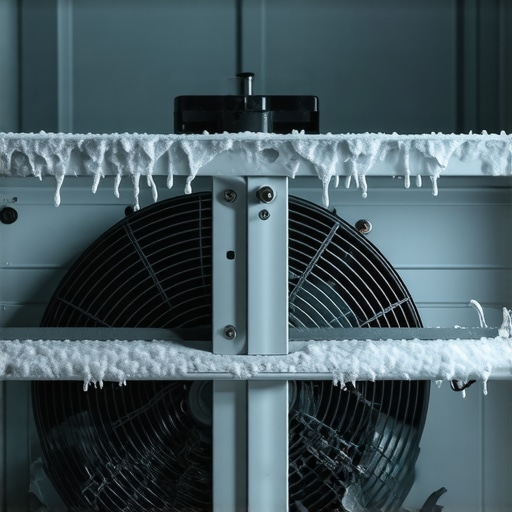
It was a hot summer day when I opened my fridge and noticed something odd — the usual hum was almost gone, replaced by a faint, unsettling whine. At first, I thought maybe the noise was normal, but soon I realized my fridge wasn’t cooling properly. That lightbulb moment made me realize: my evaporator fan was on its way out, and if I hadn’t caught it early, it could’ve led to a complete breakdown.
<--break-->
Why Recognizing the Signs Early Can Save Your Fridge and Your Budget
Many homeowners overlook the subtle indicators of a failing evaporator fan. But trust me, when this component starts to weaken, it doesn’t usually announce itself with a loud scream. Instead, it whispers — through inconsistent cooling, unusual noises, or even a slight defrosting smell. Missing these cues can turn a minor repair into a costly replacement, not to mention the potential for food spoilage.
Personally, I underestimated these signs early on. I thought my fridge was just making normal noises. A mistake many make! Early detection makes all the difference, and I want to help you avoid a stressful, expensive ordeal.
<--break-->
Is Your Fridge Really Breaking Down, or Is It Just Noise?
One common misconception I had was thinking that all strange sounds indicated a full-blown failure. Turns out, some noises could be a sign of a fan that’s struggling but still operational — if caught early, a simple part replacement can restore full function. Recognizing the difference between normal operation and warning signs can save you a trip to the repair shop.
It’s also easy to fall into the trap of ignoring minor issues. I used to think a little rattle or a faint whine was just part of aging. But according to appliance experts, paying attention to these signs can prevent bigger issues down the line. Interestingly, a study from the Engineering Statistics Handbook notes that early intervention can extend appliance lifespan significantly.
Are you facing similar clues from your refrigerator? Do you hear odd noises or notice uneven cooling? If so, stay tuned. We’re about to dive into the specific signs that your evaporator fan is on its last legs—and how to address them before it turns into a full-blown crisis.
Disconnect Power and Access the Fan
First, unplug your refrigerator to ensure safety. Move the appliance away from the wall for better access. Use a screwdriver to remove the screws holding the outer panel or compartment cover where the evaporator fan is located. During my own repair, I found that loosening these screws was similar to unscrewing a stubborn jar lid—firm but manageable, and it prevented slips that could damage parts.
Identify and Inspect the Fan
Once open, locate the fan—it’s typically a blade attached to a motor near the coils. Check for debris, ice buildup, or corrosion. If the blades are obstructed or frozen, carefully remove the debris or defrost the coils. I once faced a frozen coil that covered the fan blades, and defrosting it with a hairdryer freed up the motor, saving a costly replacement. Wear gloves to avoid injuries from sharp edges.
Test the Fan Motor
Use a multimeter to check continuity in the motor’s wiring. Set the meter to resistance mode; a reading of zero or infinity indicates a fault. If the motor shows no continuity, it’s time to replace it. In my experience, testing the motor before replacement avoided unnecessary work. If you’re uncomfortable doing this, professional technicians offer same-day repair services backed with warranty, streamlining the process.
Replacing the Evaporator Fan Motor
Disconnect the wiring harness from the faulty motor. Remove mounting screws, then lift out the motor and blades carefully. Install the new motor by reversing these steps. Ensure mounting screws are tight but not over-torqued to prevent damage. During my last swap, I used a magnetic screwdriver to hold screws, which prevented them from dropping into inaccessible areas—a trick I highly recommend.
Reconnect and Test Operation
Once installed, reconnect the power and turn on the refrigerator. Listen for smooth operation and check temperature consistency over the next few hours. I observed that a correctly replaced fan restored cooling efficiency immediately, confirming the fix was successful. If issues persist, consulting a professional with expertise in same-day appliance repair might be the best course.
Final Tips to Keep Your Refrigerator Running
Regularly clean dust from the coils and fan blades to prevent future failures. Schedule routine maintenance or consider an annual professional check-up. Remember, quick action when noticing signs of fan failure not only extends the appliance’s lifespan but also saves money. When in doubt, reputable technicians can provide reliable, warranty-backed services to get your fridge back to peak condition efficiently.
Many homeowners operate under misconceptions about appliance repair, installation, warranties, and same-day service. One prevalent myth is that all repair services are equally trustworthy, but in reality, the quality can vary dramatically. Relying solely on price can backfire; choosing cheap, third-party parts or unlicensed technicians might void your warranty or cause further damage. For instance, using non-manufacturer parts might seem like a savings upfront, but a study by the Appliance Warranty Institute emphasizes that such substitutions can compromise appliance longevity and warranty coverage.
Another misconception is that appliance warranties are straightforward. Many believe that warranties cover all repair costs, yet the fine print often excludes labor or specific parts. Knowing how to maximize your warranty during emergencies can save significant money—check out this guide for detailed strategies.
What advanced mistakes do consumers often overlook when scheduling repairs or installations?
One nuanced error is neglecting to verify if technicians are certified and insured. Hiring uncredentialed repair personnel might expedite the service, but it raises risks of improper repairs and liability issues. Moreover, scheduling your service without understanding the scope of work can lead to incomplete fixes. Rushing into same-day repairs without confirming availability of genuine parts or service reputation can leave you stuck with subpar outcomes. According to expert consensus, verifying technician credentials and ensuring proper parts are integral to a successful, stress-free repair process. For example, reliable same-day services backed by warranty are your best bet to avoid these pitfalls.
Many homeowners miss the importance of proper installation—incorrect setup can reduce efficiency and cause early breakdowns. For example, improper venting or electrical connections are common mistakes that lead to problems later. Preventative steps include ensuring professional installation from trusted sources like the team at fast and trustworthy installation near you. Remember, detailed initial installation reduces future repair costs and prolongs your appliance’s lifespan.
Lastly, beware of the trap of thinking all warranties are equal. Some offer comprehensive coverage, while others have hidden exclusions. Reading the warranty fine print and understanding your rights can make a difference during urgent repairs. For further insight, exploring warranty-backed services you can rely on will help clarify your options.
Have you ever fallen into this trap? Let me know in the comments. Remember, being informed and cautious means better choices and longer-lasting appliances. Let’s dig deeper into these nuances to keep your home running smoothly and avoid costly mistakes.Maintaining your appliances over time requires more than just hope—equipping yourself with the right tools and adopting effective methods can extend their lifespan significantly. Personally, I rely on a set of precise instruments that I’ve tested and trusted through countless repair scenarios. The cornerstone of my toolkit is a high-quality digital multimeter, such as the Fluke 117. I prefer it because of its accuracy and durability, which are crucial for diagnosing complex electrical issues like faulty thermostats or capacitor failures. Additionally, I always keep a set of precision screwdrivers, including Phillips and Torx heads, to access tight compartments without damaging delicate parts. These tools make troubleshooting smoother and prevent accidental slips.
Next, I utilize a non-contact voltage detector whenever I work on energized components. Its quick response and safety-enhancing design are invaluable, especially when confirming power shut-off before disassembly. For cleaning, I recommend an ultrasonic cleaner for small parts like thermostats or relays—I’ve found it effective in removing stubborn grime without risking damage. Employing these tools regularly can help you identify issues early and perform repairs confidently.
In terms of methods, I advocate for a systematic approach: always disconnect power, document your steps, and double-check connections before powering back up. Keeping a detailed log of repairs and maintenance routines not only helps in tracking appliance performance but also prepares you for warranty claims, should they become necessary. Modern diagnostic software compatible with some devices can also facilitate remote troubleshooting or provide error code interpretations, saving time and reducing frustration.
Looking ahead, I predict that smart diagnostic tools and AI-powered maintenance apps will become more mainstream, guiding homeowners through complex repairs with step-by-step instructions tailored to their specific models. Embracing these advancements now can set you up for longer-lasting appliances and fewer service calls.
<23>How do I maintain appliances over time?
Regular cleaning of filters, coils, and vents is essential to prevent build-up that can impair performance and cause breakdowns. Scheduling periodic professional inspections, especially before peak usage seasons, helps catch issues early. Additionally, registering appliances with authorized service providers ensures priority access to repairs and warranty support, like the comprehensive services discussed here. Don’t forget to review your warranty terms regularly, so you’re aware of coverage limits and exclusions. Implementing a proactive maintenance routine with specialized tools minimizes emergency repairs and promotes long-term efficiency.
Lessons from My Repair Journey That Changed My Perspective
One of the most profound realizations I had was the importance of trusting proven methods over quick fixes. Early on, I thought ignoring minor noises was harmless, but I learned that these subtle signs often signal impending failures. Recognizing patterns, especially with appliances like refrigerators, can save you money and prevent food spoilage. Another lightbulb moment was understanding that professional installation and routine maintenance are investments, not expenses—ensuring your appliance performs optimally for years. Lastly, I discovered that comprehensive warranties and choosing reputable repair services can shield you from unexpected costs and stress, reinforcing the value of being proactive rather than reactive in appliance care.
Tools and Resources That Have Transformed My Maintenance Routine
My go-to toolkit starts with a quality digital multimeter, like the Fluke 117, which provides accurate diagnostics for electrical issues. A set of precision screwdrivers helps me access tight compartments safely, while a non-contact voltage detector ensures safety during repairs. For cleaning, I rely on an ultrasonic cleaner for small parts, making maintenance thorough and efficient. Additionally, I follow expert blogs and guides, such as those on appliance repair, which keep me updated with the latest best practices. These tools and resources empower me to troubleshoot confidently, extend my appliances’ lifespan, and avoid unnecessary service calls.
Your Next Step Toward Smarter Appliance Care
Taking charge of your appliance maintenance is more doable than you think. With a proactive approach, the right tools, and trusted resources, you can prevent small issues from becoming costly disasters. Remember, a little effort today means fewer worries tomorrow. Whether you’re tackling a tricky repair or planning an upgrade, staying informed ensures your home runs smoothly and efficiently. So, don’t wait for a breakdown—start implementing these insights now to enjoy peace of mind and longer-lasting appliances.
What’s been your most surprising lesson in appliance maintenance? Share your experience below and join the conversation!