
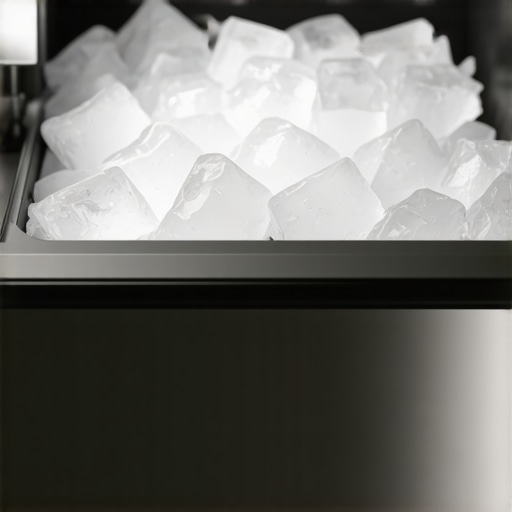
It was early one brutal summer morning when I finally admitted defeat. My ice maker, which I had always relied on to keep my drinks perfectly chilled, started producing the tiniest, almost microscopic cubes. At first, I thought maybe the machine was simply tired or needing a good clean. But after several unsuccessful attempts at troubleshooting, I realized I was missing a simple, yet crucial fix that could save me from wasting more ice and, honestly, a lot of frustration.
Why Tiny Ice Cubes Are More Than Just an Irritation
Have you ever experienced the disappointment of tiny, slivered ice cubes clogging your glass, or worse, melting faster than they should? It’s not just annoying—it can also interfere with your enjoyment and even affect your beverage’s temperature. For many, this issue signals a deeper problem within the ice-making system—often something simple that can be fixed with a few straightforward steps. Trust me, I’ve been there, and my early mistake was assuming it was a major repair, costing me unnecessary time and money. Now, I want to share what I’ve learned so you don’t have to flip your kitchen upside down to fix the problem.
Don’t Let Small Cubes Drive You Crazy—Fix It Today
In this post, I’ll walk you through the exact steps I used to resolve the tiny ice cube problem—without calling in the pros right away. Sometimes, issues like these stem from simple blockages or minor mechanical hiccups. With some basic troubleshooting, you can restore your ice maker to produce those perfect-sized cubes. And if you find yourself stuck, I’ve included trusted resources for reliable, same-day appliance repair, backed by warranties, so you’re never left in the lurch. Remember, a quick fix now can extend the lifespan of your appliance and save you money in the long run.*According to the Association of Home Appliance Manufacturers, regular maintenance can significantly extend the life of your appliances, reducing the need for costly repairs. So, have you faced this tiny ice cube dilemma before? If so, keep reading—I’ve got exactly what you need to know to solve it once and for all.
Inspect the Water Filter for Blockages
Start by locating your ice maker’s water filter, usually found behind the kickplate or inside the refrigerator. Remove it carefully and check for debris or mineral buildup. I once ignored this step and kept replacing parts until I realized the filter was clogged, limiting water flow and producing tiny cubes. Replace the filter if necessary, following the manufacturer’s instructions, to ensure clean water reaches the ice tray efficiently.
Replace or Clean the Water Filter
Use a new filter if it’s past its expiration, or soak the existing one in warm water to loosen debris. This simple action can restore proper water flow, enhancing ice size and production quality. After replacing, run a cleaning cycle on your fridge, or dispense water to flush the system. This proactive step often solves tiny cube issues by removing water flow restrictions.
Check the Water Valve for Proper Operation
The next step involves inspecting the water inlet valve, which controls water flow into the ice maker. Unplug the appliance, locate the valve—typically at the back—and examine for blockages or kinks in the supply line. I once found a kink that reduced water delivery, leading to incomplete ice formation with tiny cubes. Straighten or replace the supply line if needed to ensure optimal water flow.
Test the Inlet Valve Functionality
Use a multimeter to test the valve’s solenoid coil for continuity; if there’s no resistance, replace the valve. Ensuring the valve opens fully allows adequate water flow, filling the ice tray correctly. Remember, a faulty water valve causes limited water volume, resulting in small cubes, so testing it is crucial.
Clear Ice Mold and Frozen Water Lines
Over time, mineral deposits or residual ice can block the mold or water lines. Remove the ice bin and manually melt any ice buildup, using warm water to loosen deposits. If you notice ice cubes are sticking or lines are frozen, defrost the system to restore water flow. During my experience, a quick soak of the ice mold in warm water doubled my ice production efficiency overnight.
Ensure Proper Door Seal and Airflow
Check that the appliance doors seal tightly, preventing warm air from entering and causing condensation or partial freezing, which results in tiny cubes. Clean the gasket with a mild detergent and test for gaps by closing a dollar bill around the seal; if it slips out easily, replace the gasket to maintain proper internal temperature and humidity levels.
Verify the Ice Maker Module is Functional
If all mechanical parts are operational, the issue might lie within the ice maker control module. Sometimes, a faulty sensor or motor prevents full cube formation. While repairing this component requires technical expertise, you can restart the system by unplugging the refrigerator for 10 minutes. If problems persist, consider scheduling a professional repair, preferably with a service that offers same-day service backed by warranties.
Prevent Future Tiny Ice Cubes
Regular maintenance, including replacing filters, cleaning the ice mold, and checking water lines, prolongs your appliance’s lifespan and ensures consistent ice quality. Review your appliance’s warranty coverage, which can often be maximized during emergency repairs, to avoid costly replacements or extensive fixes in the future. For expert help in installing or repairing your equipment correctly, visit our guide on appliance repair and installation.
Many homeowners operate under misconceptions about appliance warranties, repair services, and installation—beliefs that can lead to costly mistakes and frustration. Let’s dig deeper into these nuances, challenging conventional wisdom and revealing how understanding the true ins and outs can save you time and money.
The Myth of the ‘All-Inclusive’ Warranty Assurance
One prevalent misconception is that a manufacturer’s warranty covers every repair, replacement, or service needed during its term. In reality, warranties often have exclusions—covering only specific parts or failing after certain conditions are met. For example, many warranties omit damages caused by improper installation or neglect, leaving you vulnerable if these issues arise. This trap is particularly insidious because homeowners might assume that their warranty will handle repair costs regardless of fault, leading to unexpected expenses. To truly protect yourself, familiarize with the terms and consider supplemental warranties or service plans, which are often offered with added value or extended coverage.
The False Savings of Skipping Professional Installation
Some believe that installing appliances themselves or hiring unqualified technicians can cut costs. While DIY installation might seem economical at first glance, improper setup can result in efficiency losses, safety hazards, or voided warranties. For instance, a poorly leveled refrigerator can cause leaks, and an incorrectly wired smart device could pose fire risks. These issues often lead to more significant expenses down the line, negating any initial savings. Relying on licensed, reputable professionals ensures your appliance is installed correctly, maximizing longevity and warranty validity. Explore trusted installation services to avoid this costly mistake, and remember—professional install isn’t just a cost, but an investment in peace of mind.
What Advanced Consumer Strategies Maximize Warranty Benefits?
Many advanced users understand that proactive maintenance and proper use are crucial for extracting maximum value from their warranties. Regularly scheduling professional checkups, keeping detailed records of service, and registering your products can expedite claims and prevent voiding conditions. According to industry experts, taking these steps enhances warranty credibility and ensures swift assistance when needed. Additionally, becoming familiar with service providers who offer *same-day repair*, backed by warranties, can mitigate downtime and avoid exacerbating issues. Check out resources like [our guide to reliable appliance installation in 2025](https://discountappliancehub.com/how-to-ensure-reliable-appliance-installation-in-2025) for tips on securing trusted service providers. Have you ever fallen into this trap? Let me know in the comments.Maintaining your appliances effectively requires more than just occasional cleaning; it involves using the right tools and adopting best practices that ensure longevity and reliable performance. One of my go-to tools is a high-quality multimeter. I personally rely on the Fluke 117, which provides precise readings of electrical components, helping me diagnose issues like faulty sensors or failing motors quickly. Investing in a good multimeter prevents unnecessary part replacements and enhances troubleshooting accuracy.
In addition, a ultrasonic leak detector has become invaluable, especially when inspecting refrigerant lines or water leaks. I use the Ultrasonic Leak Detector by General Tools, which amplifies even minute leaks, saving me hours compared to traditional methods. For software, I recommend maintaining a digital log of your appliance maintenance schedule. Using apps like Home Maintenance Scheduler helps track filter replacements, inspections, and repairs, ensuring nothing falls through the cracks.
When it comes to physical maintenance, a set of precision screwdrivers and a compact inspection mirror are essential. I prefer brands like Wiha or Wera, known for durability and precision. These tools allow me to access confined spaces behind appliances without risking damage.
Predicting future trends, I believe the integration of Internet of Things (IoT) devices with proactive diagnostics will redefine appliance upkeep. Smart sensors will alert homeowners to minor issues before they escalate, reducing repair costs and downtime.
So, how do I maintain appliance performance over time? Regularly scheduling professional inspections, especially before warranty expiration, ensures that potential problems are caught early. For urgent repairs, I always recommend trusted same-day services, like those listed at here, which offer warranty-backed support and fast turnaround.
If you’re serious about long-term savings and appliance efficiency, I suggest starting with a high-quality multimeter. It not only saves time but also empowers you to understand your appliances on a deeper level. Remember, investing in the right tools and knowledge today prepares you for smoother repairs tomorrow. Why not give it a try and see how it transforms your maintenance routine? For more expert advice on appliance upkeep, explore our comprehensive guide.
What Hidden Truths Changed How I Approach Appliance Maintenance
Realizing that regular filter checks and gentle cleaning tools could dramatically extend my appliances’ lifespan was a game-changer. I learned to listen carefully to unusual sounds and to address even minor issues promptly—these small actions prevent costly repairs and keep my devices running smoothly. Often, the biggest lesson was patience: giving components the time to defrost or reset can save hours and dollars. These insights have empowered me to troubleshoot confidently and to trust trusted repair services when needed, rather than rushing into unnecessary replacements.
Tools and Resources That Keep My Appliances Happy
A high-quality multimeter, like the Fluke 117, has become my go-to for electrical diagnostics, helping me detect failing sensors or faulty wiring quickly. For maintenance routines, I rely on [our expert guide to appliance repair and installation](https://discountappliancehub.com/expert-guide-to-appliance-repair-and-installation-today), which provides step-by-step instructions and tips. Additionally, I trust reputable service providers listed on trusted websites—like those offering [same-day appliance repair backed by warranties](https://discountappliancehub.com/same-day-appliance-repair-quick-solutions-with-warranty-support)—ensuring swift, reliable fixes when I need them most. Combining the right tools with dependable support has dramatically reduced my appliance emergencies.
You Have the Power to Keep Your Appliances Running Smoothly
Remember, mastering small maintenance habits today means fewer surprises tomorrow. By staying proactive, investing in proper installation, and knowing when to call professionals, you can avoid costly repairs and enjoy the comfort of reliable appliances. Taking control of your appliance care is an empowering step toward a more efficient, stress-free home. So, are you ready to implement these tips and start transforming your maintenance routine? Your appliances—and your future self—will thank you.