
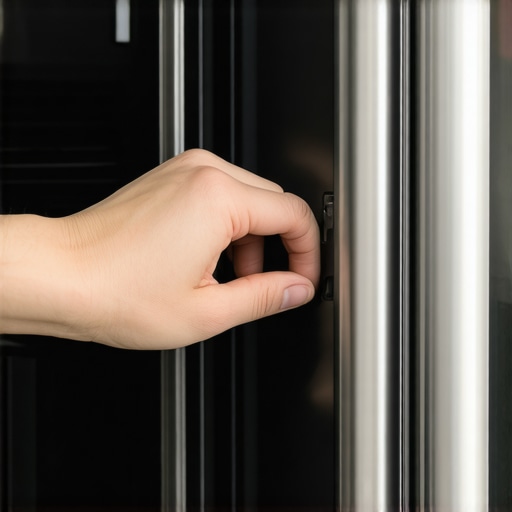
Have you ever stood in front of your fridge, trying to open the door, only to find it stubbornly refusing to stay shut? I remember the first time it happened to me—frustration mounting as cold air hissed out and my groceries risked spoiling. It felt like a small problem that would fix itself, but weeks passed, and the door refused to cooperate. That’s when I realized, sometimes, the simplest fix is the most effective.
So, if your refrigerator door won’t stay closed, you’re not alone—and you’re not out of options. Today, I promise to share a straightforward, affordable solution that can save you from calling expensive repair services. No need for a costly replacement or complex repairs—just a few minutes of your time and some basic tools.
Why Your Refrigerator Door Keeps Swinging Open and How to Fix It
Many homeowners overlook the importance of a properly functioning fridge door. A door that won’t stay shut isn’t just an annoyance; it can lead to increased energy bills, food spoilage, and even damage to the appliance itself. The root cause often comes down to wear and tear on the gasket or minor misalignments that are surprisingly easy to correct.
Early in my repair journey, I made the mistake of assuming I needed a new door or costly parts. That was a mistake. A quick inspection revealed a loose hinge and a slightly warped gasket, common issues that can be fixed with a little patience. Don’t worry, these are problems you can troubleshoot yourself before calling in professionals. In fact, reliable appliance services, like those found at [Warranty-Backed Appliance Services](https://discountappliancehub.com/warranty-backed-appliance-services-you-can-rely-on), are there if you need expert help.
But first, let’s look at what’s causing your door to misbehave and how you can restore its proper seal.
Is DIY Home Repair Really Worth It When The Fridge Won’t Shut?
Many skeptics worry about causing more damage or voiding warranties when attempting repairs themselves. Believe me, I was cautious at first. An early mistake I made was ignoring the importance of unplugging the fridge before tugging on hinges or gasket edges, which could have caused electrical issues or further damage. Always prioritize safety—unplug the appliance before beginning any repair.
For detailed guidance on repair safety and how to maximize your appliance warranty during emergency fixes, check out [Maximize Your Appliance Warranty During Emergency Repairs](https://discountappliancehub.com/maximize-your-appliance-warranty-during-emergency-repairs).
Armed with this knowledge, you can confidently approach fixing your fridge door, saving money and prolonging its lifespan. Ready to roll up your sleeves? Let’s dive into the step-by-step process that can restore your fridge’s seal and keep that door exactly where it should be—closed and secure.
Unplug Your Fridge to Ensure Safety
Before beginning any repair, always disconnect the power source. I learned this the hard way when I started tugging on the hinges without unplugging—luckily, there was no electrical harm, but it could have been worse. Think of unplugging as disabling the lightning before working on a stormy tree—safety first. After unplugging, wait a few minutes to discharge any residual electricity.
Inspect and Tighten the Hinge Screws
Use a screwdriver to check if the hinge screws are loose. Over time, vibrations and door slamming can loosen these fasteners. Tighten them securely—this acts like giving your door a sturdy foundation. I once found a hinge screw nearly falling out, which caused the door to sag and swing open. Fixing this instantly restored the seal.
Adjust the Door Alignment
If tightening screws doesn’t do the trick, the door might be misaligned. Gently push or lift the door to see if it seats properly on the gasket. Sometimes, the hinge mounting holes wear out, causing misalignment. To fix this, loosen the screws slightly, adjust the door position, then tighten again. It’s similar to tuning a guitar string—small adjustments make big differences.
Check and Replace the Door Gasket
The gasket seals the door to keep cold air in. A warped or contaminated gasket can prevent proper sealing, like a leaky tire losing pressure. To inspect, pull the gasket away from the door and examine for cracks, tears, or warping. If damaged, replacing the gasket is straightforward and cost-effective—think of it as replacing a worn-out seal to prevent leaks.
Clean the Gasket and Seal Surface
Sometimes, dirt or sticky residue prevents a tight seal. Use warm, soapy water and a soft cloth to clean both the gasket and the door frame. A clean surface ensures the gasket sits flush, improving the seal. I once spent extra time cleaning, and the door finally stayed shut—sometimes, cleanliness is the simplest fix.
Realign the Door Using Shims
If your door still swings open, shims can help realign it. Place thin pieces of cardboard or plastic (shims) behind the hinges to adjust the tilt. This is like adjusting a picture frame—tiny wedges can straighten the entire picture. Always test the door after each shim addition, ensuring it seals properly before tightening all screws.
Consult Professional Help for Worn Parts
If all else fails, the hinge or gasket might be too worn to fix with simple adjustments. Contact trusted professionals through reliable services, such as warranty-backed appliance services, for expert repair or replacement. Sometimes, parts like hinges are best replaced to prevent future issues, much like swapping out worn tires for a smoother ride.
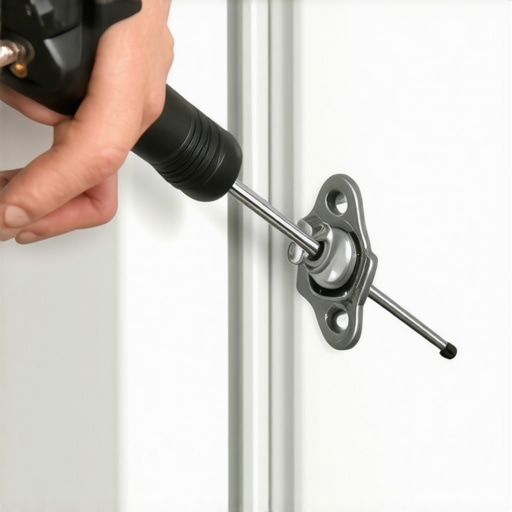
Visual guide to hinge adjustment and gasket replacement techniques to ensure a snug seal.
Verify the Seal and Door Operation
Once you’ve completed adjustments, plug the fridge back in and monitor the door. Use a dollar bill or a piece of paper to check the seal—close the door on it and see if it pulls out easily. A good seal will resist removal, indicating a proper fit. Keep testing and readjusting as needed until the door stays firmly shut. Remember, patience and small tweaks can restore your fridge’s efficiency and save energy.
When it comes to appliance repairs and warranties, many homeowners are caught in misconceptions that could cost them time and money. One widespread myth is that all warranty plans are created equal; in reality, some plans exclude critical coverage, leaving you vulnerable when the appliance failures most. Experts advise thoroughly reading the fine print, as highlighted in recent studies from industry authorities, to understand what your warranty truly covers. Additionally, many believe that same-day service is an exception rather than the norm, but reputable providers often prioritize quick responses, especially when backed by reliable service guarantees.
Why Do So Many Fall for These Repair and Warranty Traps?
The trap lies in a superficial understanding of service agreements—assuming that a warranty or repair service will automatically cover all issues. This can lead to frustrating disputes and unexpected expenses. For instance, some warranties exclude damages caused by misuse or neglect, a detail that’s easy to overlook. Waiting until you’re in urgent need of repair before reviewing your plan can leave you scrambling to find acceptable solutions. To avoid this, consider consulting expert guides that detail what to look for, such as ensuring your warranty includes parts and labor coverage for both installation and repairs. When scheduling repairs, don’t forget to confirm that the technician is certified and trusted—many unscrupulous operators might offer quick fixes but deliver substandard work. Think about the crucial difference between relying on a mishandled repair vs. an authorized, warranty-backed service. For comprehensive support, you can explore our trusted partner, which specializes in warranty-backed services and transparent repairs.
How Can You Maximize Your Warranty’s Effectiveness?
The key is proactive management; register your appliances promptly, keep detailed records of service visits, and understand the scope of your warranty coverage. When scheduling immediate repairs, opting for a provider with proven quick-response capabilities ensures minimal downtime. Many clients overlook that proper installation can significantly impact appliance longevity—an area where professional, reliable installers make all the difference, as discussed in our extensive installation guides. Remember, regular preventative maintenance can preempt costly breakdowns, reinforcing the value of a well-structured warranty plan. Don’t wait for an emergency to discover your coverage gaps—visit [the trusted appliance service page](https://discountappliancehub.com/warranty-backed-appliance-services-you-can-rely-on) to learn more about securing your peace of mind. Have you ever fallen into this trap? Let me know in the comments.
Invest in Quality Diagnostic Tools
To ensure your appliances stay reliable, I personally rely on a digital multimeter with auto-ranging capabilities. It simplifies testing electrical circuits and components without guesswork. My favorite is the Fluke 117, which provides precise readings and durability for frequent use. Additionally, a reliable refrigerator thermometer helps monitor temperature consistency, preventing issues before they escalate. When paired with a magnetic leak detector, I can quickly identify refrigerant leaks, saving time and money on unnecessary part replacements.
Leverage Efficient Software for Maintenance Scheduling
Modern appliance repair isn’t just about tools—software plays a vital role. I recommend using maintenance tracking apps like HotSpot or UpKeep. These platforms send timely reminders for filter changes, gasket inspections, or scheduled check-ups, which are essential for long-term reliability. Setting routine alerts helps you stay proactive rather than reactive, reducing emergency repairs. Over the next few years, I predict integration of IoT-enabled diagnostics will make real-time appliance health monitoring commonplace, automatically alerting homeowners and technicians before failures occur.
Master Basic Troubleshooting Methods
Understanding common issues empowers you to act swiftly. For example, knowing how to perform a continuity check on the control board or testing a relay with your multimeter can save you from costly service calls. I regularly consult authoritative guides like the Expert Guide to Appliance Repair and Installation to refine my troubleshooting skills. Practicing these techniques builds confidence and sharpens your ability to determine whether a problem warrants professional intervention.
Maintain Regular Cleaning and Inspections
Prevention is better than repair, especially with appliances like dishwashers and dryers. I schedule quarterly inspections of filters, vents, and seals, ensuring they’re free of debris and buildup. For dryers, cleaning the lint trap and vent duct reduces fire risk and maintains optimal performance. For refrigerators, cleaning door gaskets and checking for signs of wear prevents leaks and cooling issues. Incorporating these simple routines extends appliance lifespans significantly.
Partner with Reliable Service Providers for Long-Term Peace of Mind
No matter how skilled you become, some repairs are best handled by professionals, especially when warranties come into play. I consistently use services backed by comprehensive warranties, such as the trusted warranty-backed appliance services. They ensure that parts and labor are covered, and their same-day service guarantees minimal inconvenience. Regular maintenance from qualified technicians also helps extend your warranty’s validity, giving you peace of mind for years to come.
How do I maintain appliance performance over time?
Consistent upkeep, including scheduled inspections, quality tools, and professional servicing, safeguards your investments. I always recommend reviewing manufacturer specifications—like the detailed steps for compressor care in the expert guide on AC maintenance. Implementing these practices, combined with advanced troubleshooting skills, can keep your appliances running reliably and efficiently for many years.
Lessons I Wish I Learned Faster About Appliance Fixes and Warranties
One of the most eye-opening lessons I encountered was realizing that many appliance issues are not as complex as they seem, and rushing to replace parts prematurely can be costly. I once assumed a faulty gasket meant I needed a whole new door, but with patience and proper inspection, I discovered simple fixes like cleaning or minor realignments often did the trick. Additionally, I learned that understanding the nuances of warranty coverage is crucial; too many homeowners sign up without reading the fine print, only to be disappointed when a claim gets denied. The key is to be proactive—register your appliances, keep detailed records, and consult trusted professional services to maximize your warranty benefits. Lastly, I underestimated the power of proper installation; a well-installed fridge not only performs better but also lasts longer, saving you time and money in the long run. These lessons have transformed my approach to appliance care from reactive fixes to strategic maintenance, ultimately leading to better performance and peace of mind.