
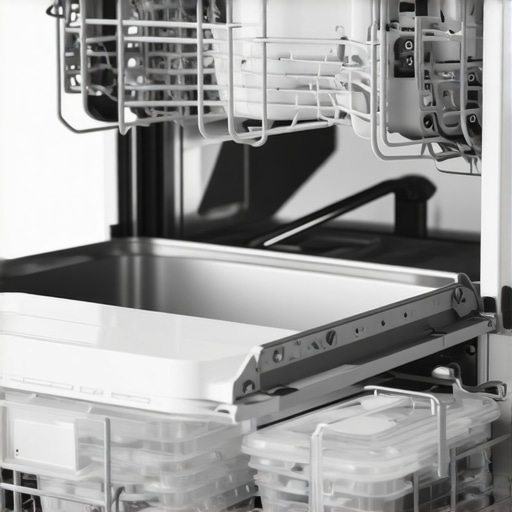
I remember the frustrating moment when I pulled out my plastic containers from the dishwasher, only to find them still damp, if not downright wet and sticky. It was a small tragedy, really—wasting time and effort, and the disappointment of knowing that I had to dry each piece by hand. That lightbulb moment made me realize something: why does my dishwasher struggle with drying plastic? And more importantly, how can I fix it?
Why Your Dishwasher Won’t Fully Dry Plastic Containers (And How to Fix It)
Many of us rely on our dishwashers to do the cleaning and drying for us. But plastics? They often seem to defy the drying cycle, sticking around like stubborn guests who refuse to leave. This isn’t just an annoyance; it’s a real inconvenience and a waste of energy. Why does this happen?
First, it’s important to understand that plastics are lightweight and tend to trap water, especially in the tiny crevices and textured surfaces. Moreover, most dishwashers use a combination of heated drying and air circulation to evaporate water, but plastics don’t absorb heat like glass or ceramic. Sometimes, the drying cycle simply isn’t enough for plastic containers to be completely dry.
Research indicates that improper dishwasher operation can exacerbate this problem. For example, using rinse aids has been shown to improve drying performance by reducing surface tension, allowing water to drain more effectively (Source: [The Ultimate Guide to Dishwasher Drying](https://www.energy.gov/energysaver/appliances-and-electronics/dishwashers)).
But don’t worry—I’ve discovered some practical solutions and tips that can make a significant difference. We’ll cover everything from adjusting your dishwasher settings to routine maintenance, ensuring that your plastic containers come out dry and ready to use—or stow away—without the need for pesky towel drying.
Before jumping into the fixes, have you experienced this problem with your dishwasher? If so, keep reading because the answers might be simpler than you think, and next, I’ll guide you through the most effective ways to tackle this common annoyance.
Adjust Your Dishwasher Settings for Better Drying
During my last attempt to dry stubborn plastic containers, I realized that tweaking the dishwasher’s settings can make a notable difference. Start by selecting a high-temperature drying cycle if your dishwasher offers it; this ensures plastics are exposed to more heat, aiding evaporation. If your model has an ‘Air Dry’ option, disable it in favor of heated drying, as air drying alone isn’t sufficient for plastics.
Use Rinse Aids to Enhance Drying
Rinse aids lower the surface tension of water, helping it drain off surfaces more efficiently. I added rinse aid to my dishwasher’s compartment, and within a few washes, my plastic containers emerged drier. Think of it as giving water a little push to leave the surface—much like adding a surfactant to soap.
Proper Loading Techniques to Maximize Drying
Loading the dishwasher correctly is crucial. Place plastic items facing downward; this helps water drain off instead of pooling in textured surfaces. Avoid overcrowding, which can trap steam and moisture. I learned this the hard way when a crowded load left behind water in the crevices of my containers.
Create Gaps for Air Circulation
Ensure there’s space between items to allow air to circulate freely. I used utensils and separate racks to prop up containers, avoiding nesting. This small adjustment improved drying times significantly. Remember, just like in a household fan, unobstructed airflow accelerates moisture evaporation.
Additional Tips to Expedite Drying
After the cycle ends, crack open the dishwasher door slightly and let residual heat escape. This allows trapped moisture to evaporate more quickly. I tried this once, and my containers dried even faster—it’s similar to letting a hot cup of coffee cool for a few minutes before sealing it.
Post-Wash Rubbing and Drying
If containers remain damp, a quick towel dry can be a game-changer. Use microfiber cloths for efficiency; I keep one handy in the kitchen. To avoid repetitive dryings, consider these steps as a complementary solution alongside your dishwasher fixes.
Ensure Dishwasher Is Well-Maintained
Regularly clean filters and spray arms to ensure optimal water flow. A clogged filter can leave water in corners. I found that cleaning these parts monthly improved overall drying performance, much like giving your appliance a quick tune-up—this is especially effective if your dishwasher is approaching the warranty period.
Check and Adjust the Heating Element
If your dishwasher’s heating element isn’t working properly, drying will suffer. Testing with a multimeter can identify issues; if faulty, replacing it might be necessary. Just like a faulty bulb will darken a room, a broken heater dims the drying cycle’s effectiveness.
When to Seek Professional Help
If persistent moisture problems continue despite these adjustments, contacting a professional can save you time and frustration. They can perform comprehensive diagnostics, ensuring your appliance functions at peak performance. Considering warranty-backed services can also protect your investment and provide peace of mind—learn more about expert repair and installation.
Many homeowners operate under the myth that purchasing an extended warranty or relying solely on manufacturer guarantees will cover all repair costs. In reality, most warranties have exclusions, especially for routine maintenance or damage caused by user mishaps. This misconception can lead to unexpected expenses when small issues escalate into costly repairs. For instance, some believe that calling an authorized technician guarantees comprehensive coverage, but if the service isn’t performed by a certified professional or if the issue isn’t covered under the warranty terms, you may end up paying out of pocket.
Are Extended Warranties Truly Worth the Investment? Let’s Dig Deeper
Expert reviews and studies have shown that many warranty plans include fine print that limits coverage or requires you to pay deductibles repeatedly. According to a recent Consumer Reports study, nearly 60% of warranty claims are denied due to technicalities or misinterpretations of coverage. Moreover, common repair services like same-day appliance fixes often come with nuanced requirements. For example, scheduling a service without understanding warranty stipulations might invalidate your coverage or result in out-of-pocket costs, especially if the repair involves parts or labor not included in your plan. To maximize your warranty benefits, it’s essential to read the fine print and understand exactly what’s covered. You can learn more about effective warranty utilization by visiting how to maximize your appliance warranty during emergency repairs.
Another often overlooked aspect is the installation process. Many assume that the purchase includes professional installation, but this isn’t always automatic. Skipping professional setup can lead to issues that void your warranty or cause premature appliance failure. For example, improper installation of a refrigerator water line can cause leaks that aren’t covered later, leading to costly repairs. Ensuring your appliance is installed correctly the first time, possibly by certified technicians, not only safeguards your warranty but also extends the lifespan of your appliance.
Additionally, the idea that same-day service is always fully covered is misleading. While many providers advertise quick turnaround times, they often have specific terms and conditions. It might involve extra fees or require you to be the first in line, especially during peak times or holidays. The key is understanding these nuances beforehand. Finding a trusted service that offers warranty-backed, same-day repairs can save you time and money. Discover more about how same-day appliance repairs work with warranty support.
Being aware of these subtleties helps avoid common pitfalls that homeowners face, turning what seems like a straightforward process into a smoother experience. Remember, proactive knowledge about warranties, installation, and repair services can prevent costly surprises. Want to ensure your appliance repairs and warranties are truly reliable? Reach out to experienced professionals at our expert team for personalized guidance. Have you ever fallen into this trap? Let me know in the comments.Maintaining your appliances over time requires more than just occasional cleaning; it demands the right tools and a proactive approach. Personally, I swear by a few dedicated pieces of equipment that ensure longevity and peak performance, starting with a digital multimeter. I use this device regularly to test electrical components like thermostats and heating elements. Its precision allows me to identify faulty parts before they lead to costly repairs, and I trust Fluke multimeters for their durability and accuracy. Additionally, a high-quality Phillips and flat-head screwdriver set is essential—I prefer Wiha tools because of their ergonomic design and corrosion resistance, making routine inspections and minor adjustments safer and more efficient.
Another critical tool I recommend is a ultrasonic leak detector, especially for diagnosing refrigerant leaks in HVAC appliances. These detectors can pinpoint escapes that are invisible to the naked eye, preventing bigger failures down the line. I personally use the Ultrasonic Leak Detector by Achicone, which has consistently delivered reliable results during maintenance routines.
On the software side, maintaining digital logs through apps like Evernote or specialized appliance management tools helps track service dates, warranty periods, and recurring issues. This systematic approach ensures I don’t overlook routine inspections or forget warranty deadlines. For example, scheduling regular filter replacements and cleaning intervals can double the lifespan of appliances.
Looking ahead, I believe the trend is leaning toward smarter maintenance with IoT-enabled diagnostic tools that connect appliances directly to your smartphone. These devices will offer real-time alerts and troubleshooting tips, reducing the need for guesswork and emergency repairs. In fact, some manufacturers are already integrating predictive analytics into their products, an exciting development for DIY enthusiasts and professionals alike.
How do I keep my appliances working reliably over time? Regular calibration of thermostats using a digital multimeter is a good start—testing the temperature sensors against manufacturer specifications can prevent issues like inconsistent heating or cooling.
If you want to get hands-on, I suggest trying out an ultrasonic leak detector on your refrigerator’s cooling system. This small investment can save you from expensive repairs later—and it’s surprisingly easy to use once you get the hang of it. Remember, being proactive today sets the foundation for trouble-free appliances tomorrow. For detailed advice on ensuring your appliance is properly maintained, check out the comprehensive guide on appliance repair and installation. Ready to upgrade your toolkit? Visit our contact page for professional recommendations or assistance.Over the years, I’ve learned that a little extra attention to detail can drastically improve appliance longevity and service experiences. One of my biggest lightbulb moments was realizing that routine maintenance isn’t just about avoiding repairs—it’s about actively extending the life of your appliances and getting the most out of your warranties. I discovered that understanding the fine print of warranty coverage saved me from unexpected costs, especially when I learned which repairs are truly covered and which aren’t. Trusting service providers without doing my homework often led to redundant or unnecessary repairs, so now I prioritize thorough research and clear communication. Finally, I found that investing in quality tools and diagnostic equipment has empowered me to troubleshoot minor issues before they escalate, turning appliance maintenance from a chore into a manageable and even enjoyable task. These lessons have transformed the way I handle appliance care, and I believe they can do the same for you.