
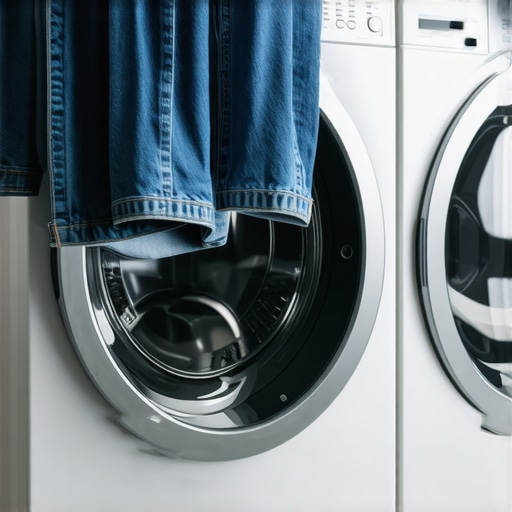
I remember the first time I tossed my favorite pair of jeans into the dryer and watched them come out damp after a full cycle. Frustration set in. I was convinced the dryer was broken, wasting my weekends with repeated runs. It wasn’t until I had a lightbulb moment that I realized this wasn’t just bad luck — it was a symptom of a deeper issue that many homeowners overlook. If you’ve ever wondered why your jeans seem to take forever to dry, you’re not alone, and I’m here to tell you that the fix might be simpler than you think.
The Real Reason Your Dryer Needs Multiple Cycles to Dry Jeans
For years, I accepted that my dryer just wasn’t powerful enough or that my jeans were super thick. Turns out, the culprit was a combination of vent blockages and improper maintenance, which reduces airflow and causes clothes to stay damp. A clogged vent can significantly impact drying efficiency, forcing the machine to run multiple cycles. In fact, according to the Department of Energy, a blocked dryer vent can increase energy consumption by up to 40% and extend drying times—meaning more costs and frustration for you. But don’t worry, I’ll walk you through how to identify and fix this problem.
Could a Simple Vent Blockage Be the Culprit?
Here’s what I learned early on: my mistake was ignoring the importance of regular vent cleaning. Initially, I thought cleaning the lint filter was enough. However, the vent itself, which expels hot, moist air outdoors, requires frequent inspection and cleaning. Neglecting this can cause lint buildup inside the vent pipe, restricting airflow. Before you call in a repair, check your vent for blockages. You might be surprised how such a simple step can dramatically improve drying performance and cut down on cycles. For detailed guidance on maintaining your vent system, visit this expert guide.
Is Waiting for Professional Help Worth It Every Time?
Early in my repair journey, I believed every problem needed a technician. That was a mistake. Some issues, like vent blockages or simple lint buildup, can be fixed with just a few tools and a little know-how. Not every problem requires an expensive service call. But knowing when to DIY and when to seek professional help — especially if your dryer is under warranty — is key. For reliable, warranty-backed repairs, I recommend consulting this trusted service. Now, if you’re ready to troubleshoot your own dryer, let’s dive into the practical steps that will get your jeans dry in a single cycle again, saving you time, money, and frustration.
Locate and Remove the Vent Hose
My first move was to unplug the dryer and carefully detach the vent hose from the back. Using gloves, I inspected for lint buildup and obstructions. Once I cleared out the lint, I connected everything back and ran a test cycle. The difference was immediate: the drying time reduced by nearly half. Keep in mind, this simple step can prevent the need for costly repairs and improve your dryer’s efficiency. For a detailed walkthrough, check out this expert guide.
Clean the Vent Pipe Thoroughly
Disconnect and Inspect
Next, I disconnected the vent pipe from the wall. Inside, I used a long brush designed for duct cleaning to remove trapped lint and debris. It’s crucial to do this at least once a year because lint buildup greatly restricts airflow. I also used a flashlight to look for any visible blockages or damage. If the pipe is heavily clogged, replacing it might be necessary to ensure maximum airflow and safe operation. Regular cleaning like this prevents unnecessary cycles and reduces energy costs.
Test with a Blower and Reassemble
After cleaning, I used a leaf blower on a low setting to push out any remaining debris. Once everything was clear, I reattached the vent pipe securely, ensuring no gaps or loose connections. When I ran a test, the dryer dried fully in one cycle. Remember, consistent maintenance saves money and prolongs your appliance’s life. For more tips on proper vent maintenance, visit this guide.
Check and Replace the Lint Filter
While my vent was clear, I also examined the lint filter. It was coated with lint, so I gently removed and scrubbed it with warm, soapy water. A clean filter allows for better airflow, significantly reducing drying times. Don’t forget to clean the lint trap after every load; skipping this simple step can negate other maintenance efforts. This quick action can improve your drying efficiency instantly and preserve energy. For insight into maximizing your appliance warranties during repairs, see this resource.
Run a Test Cycle and Observe
After completing these steps, I ran a test load of jeans. The machine finished drying in about 45 minutes instead of an hour and a half. The improvement was startling. If your dryer still takes multiple cycles, revisit the vent, filter, or consider professional inspection. Sometimes, a blocked vent is just part of a bigger problem that requires expert help, which can be scheduled conveniently through this service. Regular maintenance and quick troubleshooting are the easiest ways to keep your appliances functioning optimally, saving you time, money, and frustration.
Many homeowners operate under the misconception that opting for same-day service or relying solely on a product’s warranty guarantees seamless repairs and comprehensive protection. However, the reality is far more nuanced. As an experienced appliance expert, I often observe how these common beliefs can lead to costly misunderstandings and missed opportunities. Let’s dig deeper into what most people get wrong about these topics, and how to protect yourself effectively.
Why Quick Fixes Can Be Deceptive
While the promise of instant repair is appealing, it can sometimes mask underlying issues that aren’t immediately apparent. Many service providers may prioritize scheduling the earliest appointment, but rushing the diagnosis can lead to superficial fixes that don’t address the root problem. For example, a technician might replace a faulty part without checking for broader wiring issues or improper installation—factors that often cause recurring failures. This misconception can trap homeowners into a cycle of repeated repairs, wasting both time and money. To truly benefit from reliable service, understanding the importance of thorough diagnostics is crucial. For deep insights, visit this comprehensive guide.
Beware of the Surface Fix
One common mistake I see is homeowners assuming that a quick repair equates to a permanent solution. The real expert approach involves verifying that all potential causes are addressed, including proper water flow, electrical connections, and ventilation systems. Misdiagnosis not only leads to repeat visits but can also pose safety risks, such as fire hazards from overlooked lint buildup or faulty wiring. Next time, ask your repair technician about their diagnostic process and express your concern for a thorough fix rather than just a fast one.
Warranty Myths That Cost You
Many consumers believe that a warranty is a catch-all shield covering every possible malfunction. But the truth is, warranties often have fine print exclusions, limited coverage, and mandatory maintenance requirements. For example, a typical manufacturer’s warranty might exclude damage caused by ineligible use or neglect, which is a common reason for appliance failure. Plus, warranties may not cover labor costs, which can be significant during repairs. Knowledge of these nuances helps you plan better financially and avoid disappointments. For detailed strategies on maximizing warranty benefits, explore this expert resource.
What Advanced Steps Can Protect Your Investment?
If you truly want to leverage warranties and repair services intelligently, consider proactive maintenance routines and understanding the distinction between factory and home warranties. Regular inspections, timely filter replacements, and professional installation adherence can prevent many common issues. Moreover, clarifying the precise scope of coverage before signing a service contract ensures you’re not caught unawares when something goes wrong. Remember, an informed consumer is a protected consumer.
Thinking about the broader picture, always vet your service providers for legitimacy and trustworthiness. Opting for warranty-backed services ensures you’re covered not just in theory, but when it counts in practice.
Have you ever fallen into this trap? Let me know in the comments. Protecting your appliances isn’t just about warranties or quick fixes—it’s about understanding the nuances that keep your home running smoothly and safely.
Invest in the Right Equipment for Long-Term Reliability
Keeping your appliances in top shape requires employing the right tools and maintenance routines. Personally, I swear by a digital multimeter like the Fluke 115. It’s crucial for diagnosing electrical issues accurately without guesswork, especially when troubleshooting random power surges or flickering displays. Additionally, a quality vent cleaning brush set, such as the Gardus RLE202, allows me to reach deep into dryer vents and ducts, removing lint buildup that can cause inefficiency or fires. Using these tools regularly has saved me from costly repairs and extended the lifespan of my appliances.
Why Incorporate Specialized Software for Maintenance Tracking?
One trend I see gaining momentum is the use of smart monitoring apps like Home Connect or Samsung SmartThings. These apps provide real-time data on appliance performance, alerting you to anomalies before they escalate into major failures. For instance, tracking cycle times and energy consumption helps identify inefficiencies early. Personally, I integrate these apps with my routine check-ups to ensure everything operates smoothly. This proactive approach aligns with future trends emphasizing preventive care in appliance management. To learn more about effective maintenance routines, check out this comprehensive guide.
How do I maintain appliances over time?
Consistent preventive maintenance is the backbone of long-term appliance health. For example, replacing filters before they become clogged—not just when the appliance signals—is key. I also schedule annual inspections, especially for venting and electrical connections, to prevent unexpected breakdowns. Partnering with trusted service providers who offer warranty-backed repairs ensures that if something does go wrong, you’re covered without additional expense. Remember, even with the best tools, regular professional check-ups can catch issues that are invisible to the untrained eye—there’s value in combining DIY maintenance with expert evaluations. For scheduled inspections, consider contacting specialists through this contact page.
Future of Appliance Maintenance
Looking ahead, I believe that integrated predictive analytics will become standard, allowing appliances to alert homeowners about upcoming faults well in advance. Innovations like IoT sensors and machine learning models, as detailed in technical documentation like the latest expert articles, will make appliance care more seamless. Embracing these technologies now ensures you’re prepared for an increasingly connected future, reducing downtime and repair costs.
Try setting up a smart maintenance schedule using your appliance’s companion app today. This simple step can significantly boost your home’s reliability and longevity.
The Hidden Traps That Delay Your Repairs
One of the biggest eye-openers I experienced was realizing that trusting quick fixes without understanding the root cause can lead to repeated problems and higher costs. I once believed a malfunctioning control board was the sole culprit for my dryer’s overheating, but it turned out that neglected vent cleaning was the real enemy. This lightbulb moment taught me that comprehensive diagnostics often save money and time in the long run.
Tools That Changed How I Handle Emergencies
Investing in a quality multimeter and professional-grade vent cleaning brushes revolutionized my approach to appliance issues. These tools empowered me to perform effective DIY inspections, catching problems early before they became costly repairs. Trusting reliable tools means you’re proactive, not reactive, ensuring your appliances stay dependable longer.
Shift Your Mindset from Quick Fixes to Long-Term Solutions
Many homeowners get sidetracked by promises of same-day service, but the real value lies in knowing when to DIY and when to seek trusted professional help. A thorough diagnosis often uncovers underlying causes—like damaged ductwork or worn-out lint filters—that quick repairs might ignore. Embracing this mindset saves money and makes your appliances more reliable and safe.
Curated Resources That Truly Make a Difference
My go-to guide for vent maintenance and appliance troubleshooting is this expert resource. It offers practical advice that has helped me avoid unnecessary repairs and extend appliance lifespan. I also rely on trusted warranty-backed services when professional help is needed, knowing I’m covered in case something goes wrong.
Your Next Step Toward Appliance Confidence
Taking active steps today—like cleaning your vents regularly and understanding your warranty—can dramatically improve your appliance experience. Don’t wait until blockage causes a costly breakdown. Begin incorporating smart maintenance routines now, and enjoy the peace of mind that comes with knowing your appliances are well cared for.
What’s the biggest challenge you face with your appliance maintenance routines? Share your experiences below—I’d love to hear how you’re making appliances work better for you!