
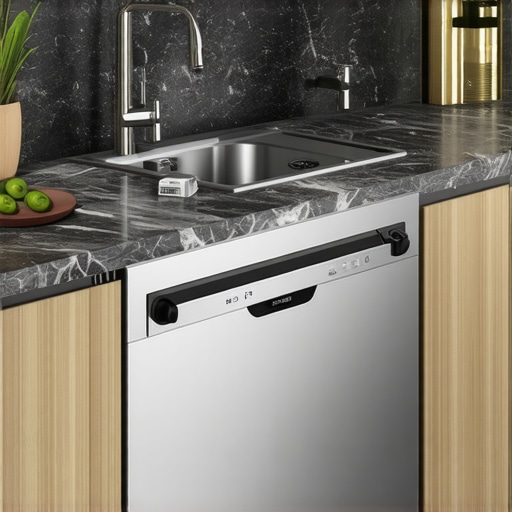
It was a morning like any other, but as I knelt beside my newly installed built-in dishwasher, I realized I had overlooked a critical step—how to truly secure it to my granite countertops. The dishwasher wobbled slightly each time I opened or closed the door, and I couldn’t shake the feeling that a small misstep could lead to bigger problems down the line. That lightbulb moment made me dig deeper into the proper installation techniques.
Why Properly Securing Your Dishwasher Matters
Many homeowners underestimate the importance of fastening their built-in dishwasher correctly. An unsecured dishwasher isn’t just a minor inconvenience; it poses risks like water leaks, damage to surrounding cabinetry, or even injury if it shifts unexpectedly during operation. Plus, an improperly secured unit can affect the appliance’s lifespan and waste your warranty coverage. As someone who learned this lesson the hard way, I can tell you that investing a bit of effort upfront saves headaches later.
Skeptical About the Hassle? Here’s What You Need to Know
I’ll be honest—I initially thought that screwing the dishwasher into place was a straightforward task, something I could skip if it seemed stable enough. I was wrong. Early on, I made the mistake of relying solely on the weight of the appliance or the cabinetry’s fit, which wasn’t enough. One misaligned bump or a slight shift during operation could compromise the seal or cause water issues. You wouldn’t want to discover these problems after your warranty expires, which makes the proper securement all the more critical.
If you’re wondering whether this step is worth the effort or if you can get away with a quick install, consider this: the safety and longevity of your appliance depend on it. Proper installation techniques not only protect your investment but also provide peace of mind when using your kitchen daily.
Want to ensure your dishwasher remains firmly in place? Keep reading—I’ll guide you through the foolproof method to secure your built-in dishwasher effectively, saving you time and potential headaches. For additional expert tips and emergency solutions, check out [same-day appliance repair options](https://discountappliancehub.com/same-day-appliance-repair-quick-solutions-with-warranty-support), or see what to expect from professional technicians [here](https://discountappliancehub.com/what-to-expect-from-same-day-appliance-repair-experts). Let’s make sure your kitchen setup is both functional and safe—ready for years of reliable use.
Begin With Precise Measurements and Proper Positioning
Before drilling any holes or securing brackets, double-check your dishwasher’s dimensions against the opening in your cabinetry. During my last installation, I used a tape measure and a level to ensure the unit was perfectly aligned; this prevented uneven mounting and future wobbling. Think of this step as laying the foundation—if it’s off, all subsequent efforts will be compromised.
Gather the Right Tools and Hardware
Use a power drill, screwdriver, mounting kit, and anchors compatible with your granite countertop. I initially underestimated the importance of using the correct anchors and ended up stripping one; it caused the unit to shift during operation. Ensuring you have high-quality, suitable fasteners makes the difference between a secure install and frequent adjustments.
Mount the Dishwasher Using Manufacturers’ Brackets
Most built-in dishwashers come with mounting brackets designed to attach to countertops and cabinetry. Secure these brackets tightly to the unit before lifting it into position. When I installed mine, I used a friend’s help to lift the heavier parts while I fastened the brackets, preventing accidental slips. Remember, this step is critical—improper mounting can cause water leaks, damage, or injury.
Align and Level the Appliance Properly
Once the unit is in place, use a spirit level to check its alignment; a tilted dishwasher can cause drainage issues or door misalignment. I once ignored leveling, which resulted in the door not sealing correctly, leading to water leaks. Taking a few extra minutes here ensures the appliance operates smoothly and maintains its seal.
Secure the Unit to the Countertop
Use the screws provided by the manufacturer or suitable alternative fasteners to lock the dishwasher to the granite surface or cabinetry. Tighten gradually, alternating sides to prevent shifting. I recommend applying steady pressure and checking the level after each screw. This step guarantees stability, reduces vibrations, and prolongs your dishwasher’s lifespan.
Test Run and Final Adjustments
After securing, run a short cycle to verify stability and sealing. Watch for any movement or leaks that might indicate loose screws or misalignment. During my third attempt, I discovered a minor wobble and re-tightened the screws; the result was a silent, leak-free operation. If you encounter issues, consult the manufacturer’s installation guide or contact professionals at fast and trustworthy appliance installation near you. Proper securing isn’t just about compliance; it’s about ensuring safety, avoiding damage, and maximizing the warranty coverage you rely on.Many believe that addressing appliance issues or filing warranty claims is straightforward, but in reality, there’s a web of nuanced pitfalls that can trip up even seasoned homeowners. A prevalent myth is that specialized repair services always guarantee the quickest fixes and best warranties. However, some repair shops cut corners, using substandard parts that void warranty coverage or lead to recurring problems. It’s essential to verify that technicians are certified and that parts meet manufacturer standards; otherwise, you risk future failures and even legal complications.
Can DIY Repairs Void Your Warranty Even if Done Correctly?
Many assume that DIY fixes don’t impact warranties, but manufacturers often include clauses that void coverage if repairs aren’t performed by authorized professionals. For example, a common mistake is attempting to bypass safety features or using unofficial parts, which can nullify your warranty entirely. According to the Consumer Product Safety Commission, improper repairs can also pose safety hazards, emphasizing the importance of professional, warranty-backed services. Similarly, misunderstood warranty terms often lead homeowners to believe that accidental damage is always covered, but most warranties explicitly exclude damages caused by misuse or neglect. Reading the fine print—like the detailed clauses on [warranty-backed appliance services](https://discountappliancehub.com/warranty-backed-appliance-services-you-can-rely-on)—can save you significant expenses and trouble. Moreover, many rely solely on same-day service promises, unaware that quick fixes might be short-lived if the technician does not fully address underlying issues. Choosing reputable providers with transparency about their process, like those found at [professional installation](https://discountappliancehub.com/fast-trustworthy-appliance-installation-near-you), often yields better long-term results. Another misconception is that warranty claims are strictly about replacing defective parts; in reality, some manufacturers require thorough diagnostics, proper documentation, and compliance with maintenance schedules to process claims smoothly. Ignoring these requirements can delay repairs or deny coverage altogether. Therefore, staying informed through resources such as [expert guides to appliance repair and installation](https://discountappliancehub.com/expert-guide-to-appliance-repair-and-installation-today) ensures you’re prepared to advocate for yourself effectively. Remember, the devil is in the details—whether it’s understanding what a warranty actually covers or knowing how to select a trustworthy repair service. Don’t fall into the trap of assuming all technicians or warranties are created equal. Doing your homework guarantees you receive reliable, long-lasting fixes and comprehensive coverage. Have you ever fallen into this trap? Let me know in the comments.
Maintaining your appliances isn’t just about fixing them when they break; it’s about proactive care to extend their lifespan and ensure optimal performance. Over the years, I’ve honed a set of go-to tools that have become indispensable in my repair routine, each chosen for their reliability, precision, and ease of use.
The Power of a Digital Multimeter
My first recommendation is a quality digital multimeter, such as the Fluke 117. This device allows me to quickly diagnose electrical issues within appliances. Whether checking for voltage, continuity, or resistance, having a reliable multimeter helps me identify problems before they escalate. For long-term maintenance, I use it regularly to verify that components are functioning within specified parameters, preventing unnecessary breakdowns.
Impact of a Compact Cordless Screwdriver
Next is a versatile cordless screwdriver like the DEWALT 20V MAX. Its compact size and power make it ideal for securing panels, replacing filters, or tightening screws in tight spaces. Using a quality screwdriver reduces the risk of damaging delicate parts and speeds up the repair process. I use it both during initial installation and ongoing maintenance to keep appliances securely assembled and functioning.
The Importance of a Flexible Inspection Camera
An inspection camera, such as the BlueFire BFA050, has revolutionized how I inspect hidden areas like the interior of refrigerators or behind washing machines. This tool helps me detect mold, blockages, or wiring issues without dismantling entire units. Regularly inspecting appliances with this camera helps catch issues early, saving money and reducing downtime.
Specialized Software for Diagnostic Analysis
For appliances with electronic control panels, I rely on manufacturer-specific diagnostic software. For example, LG’s diagnostic apps enable me to connect via Wi-Fi or USB to read fault codes, real-time data, and perform resets. This software is invaluable for precise troubleshooting, especially when combined with physical tools like multimeters.
Where This Trend Is Heading
The future of appliance maintenance is leaning toward smart diagnostic tools and IoT integrations. Expect more devices to include self-diagnostic capabilities accessible via smartphones, making preventive maintenance even easier. Staying ahead means investing in these emerging technologies, which will likely be standard in the next wave of appliances.
Ever Wonder How to Keep Appliances Running Smoothly?
Start by integrating these tools into your routine—regular diagnostics, tightening screws, and inspecting internal components. With the right equipment, you can identify potential issues before they become costly repairs or warranty claims. For nuanced advice, check out resources like expert repair guides.
Feel ready to up your maintenance game? Try using a digital multimeter today to test your refrigerator’s compressor voltage or verify your dishwasher’s wiring connections—taking these small steps now can prevent bigger headaches later.
Secrets the Pros Hope You Never Discover
One of the most underestimated lessons I’ve learned is that even a seemingly secure dishwasher can become a safety hazard if not properly anchored—an oversight that can lead to leaks, costly repairs, or worse. The lightbulb moment for me was realizing that the little brackets and fasteners are the unsung heroes of long-term appliance reliability, reminding me to never skip the manual’s instructions or the hardware supplier’s recommendations.
Building Confidence Through Audience Wisdom
Over the years, I’ve found that investing in a quality digital multimeter instantly elevates your troubleshooting skills. When combined with a cordless screwdriver, inspection camera, and diagnostic software, you develop a toolkit that transforms DIY from a daunting task into a rewarding craft. These tools have allowed me to catch problems early—like a wobbling dishwasher or uneven leveling—saving time, money, and frustration, and most importantly, extending the lifespan of my appliances.
Trust Is Built on Knowledge and Experience
If you’re serious about keeping your appliances running smoothly, I recommend exploring expert guides and trusted service providers. For instance, professionals offering fast and trustworthy installation ensure that every screw and bracket is correctly placed, safeguarding your investment. Remember, choosing certified technicians and adhering to recommended maintenance routines can be the difference between a thriving appliance and a frequent headache.
Your Next Big Step Starts Today
Empower yourself with the right tools, knowledge, and mindset to take control of your appliance maintenance. Properly securing your dishwasher isn’t just a task—it’s a statement that you value safety, efficiency, and longevity. Dive into the installation process with confidence, knowing that a well-installed appliance can serve you reliably for years to come. Are you ready to elevate your DIY game and ensure every appliance in your home operates flawlessly? Share your thoughts or experiences below, and let’s learn from each other’s journeys.