

I remember the frustration hit me one sweltering summer afternoon when our fridge water suddenly tasted off, and I realized it had been too long since I flushed the line. Don’t let that be you. I had no idea that neglecting this simple maintenance step could lead to mineral buildup, bacteria growth, and even damage to my ice maker. Today, I’ll share the exact method I discovered to flush your refrigerator water line properly, saving you time, money, and the hassle of nasty-tasting water. If you’ve ever faced cloudy water, strange smells, or inconsistent ice production, keep reading. Properly flushing your water line isn’t just about cleanliness; it’s a crucial step to ensure your fridge functions optimally, last longer, and provides the purest water possible. So, let’s dive into why this small maintenance task matters so much and how you can do it without calling in an expert immediately.
Why Flushing Your Refrigerator Water Line Is a Game-Changer
Many folks overlook this vital maintenance step. Over time, mineral deposits from your tap water accumulate inside the tubing, which can impair water flow and affect taste. Plus, stagnant water in the line can become a breeding ground for bacteria—something none of us want in our homes. Regular flushing removes these deposits and keeps your water fresh and your appliance in top shape. Believe it or not, neglecting this can even void warranty coverage if the buildup causes damage, so it’s worth doing right. After my own mishap with a clogged line and a resulting costly repair, I made it my mission to master this simple process and share my tips. Want to ensure your fridge’s water tastes as crisp as when you first bought it? Then stay with me as we go through the step-by-step method I now swear by. And if you’re curious about professional help or replacement options, I’ve got some helpful links too.
Is Flushing Your Water Line Overhyped or Essential?
Early on, I made the mistake of thinking that just replacing the filter would suffice. But filters only catch impurities, while mineral deposits and bacteria can still linger in the tubing itself. It wasn’t until I read that regular flushing can extend the life of the entire water system—supported by experts at [EPA](https://www.epa.gov/ground-water-and-drinking-water/mineral-deposit-build-up-in-pipes)—that I realized how crucial this step is. After experiencing clogged lines myself, I can confidently say: skipping this maintenance can lead to more costly repairs down the road. Now, I’ll show you how to do it efficiently, with tips to avoid common mistakes and ensure your fridge keeps dispensing the freshest water possible.
Shutting Off and Preparing the Water Supply
Begin by locating your refrigerator’s water shut-off valve, typically found behind or beneath the unit. Turn this valve clockwise to shut off the supply and prevent water from flowing during the flushing process. Ensure your main water intake is also turned off if your fridge is connected to a main line. This step prevents water leaks and messes while you work. Remember, safety first—wear towels or a small bucket nearby to catch any drips. I once forgot to turn off the main water before starting, leading to a small flood that took me an hour to clean up—trust me, doing this preparatory step saves you from unnecessary stress.
Disconnect and Drain the Water Line
Carefully detach the water tubing from the back of your fridge using a wrench if necessary. Be gentle to avoid damaging the tubing or connectors. Once disconnected, aim the open end into a bucket or towel and slowly turn on the water supply to let any remaining water drain out. This process helps clear residual water and prepares the line for flushing. I recall one time when I skipped this step, and water spilled all over my kitchen floor—learning from that mess, I now always drain first to keep the process clean and controlled.
Flush the Line to Remove Deposits
Insert a clean, flexible brush or a length of flexible tubing into the water line to dislodge mineral build-up. Alternatively, you can attach a reverse-flow device or run clean, filtered water through the line at a higher flow rate for 5-10 minutes. Think of it like using a pipe cleaner to clear clogged arteries—it’s about pushing out deposits and bacteria. If your water tastes off or has particles, this step is crucial. For thorough cleaning, some homeowners connect their line to a vinegar solution—just run plain water afterward to flush out any residual vinegar and ensure fresh taste. I once used a vinegar solution, and the difference was immediately noticeable—no more strange aftertastes in my ice.
Reconnecting and Testing the Water Line
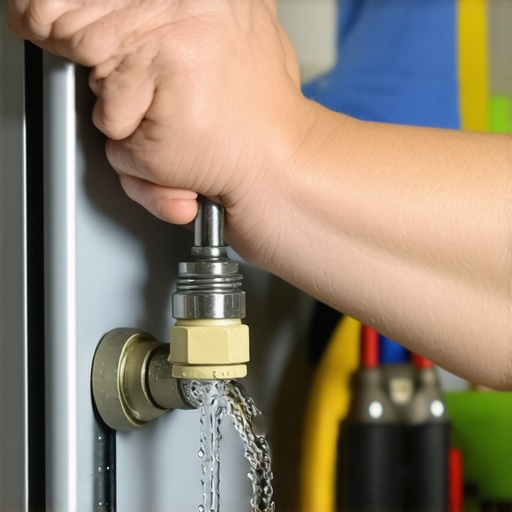
Once the line is flushed, carefully reconnect it to your fridge’s water inlet, ensuring the connections are tight but not over-tightened, which could strip threads. Turn the water supply back on slowly, watching for leaks or drips. Once everything is secure, run the water dispenser for a few minutes to flush out any remaining debris. Taste the water—if it’s crisp and clean, you’ve succeeded. I recommend doing this process every six months. Remember, if you’re unsure or uncomfortable with DIY maintenance, you can always contact experts who provide same-day service to handle these tasks efficiently. Proper maintenance not only improves water quality but also extends your fridge’s lifespan, preventing costly repairs.When it comes to appliance repair, many homeowners fall prey to misconceptions that can cost time, money, and even void warranties. One common myth is that all repair services are created equal; however, the quality and comprehensiveness of same-day service vary significantly among providers. Many assume that quick fixes mean less expensive repairs, but rushing through repair jobs without proper diagnostics can lead to recurring issues and damage. As I delve deeper into the intricacies of professional appliance repair, it’s crucial to distinguish between genuine warranty coverage and service promises that might not deliver.
A frequently overlooked nuance is the importance of understanding what a warranty actually covers. Homeowners often think that a simple replacement part or a basic repair automatically falls under warranty, but many warranties exclude certain labor or specific components. It’s wise to scrutinize warranty details beforehand and ask service providers about any exclusions to avoid surprises. According to a recent industry report, up to 30% of warranty claims are denied due to improper maintenance or misinterpretation of coverage—so knowledge is power.
Another critical aspect is the installation process. Many believe that installation is a straightforward step and underestimate its impact on appliance longevity and performance. Improper installation can lead to issues like water leaks, electrical problems, or unsafe operation, which may not be covered by warranty if found to be user error. For instance, incorrect leveling of a washing machine can cause excessive vibration, leading to premature failure. Professional installation, supported by expert guidelines such as those outlined in [expert guides](https://discountappliancehub.com/expert-guide-to-appliance-repair-and-installation-today), ensures that the appliance operates safely and efficiently from day one.
Too often, consumers overlook the importance of choosing certified technicians over DIY fixes or unverified repair shops. While it might seem tempting to attempt repairs yourself to save costs, this can backfire if it results in improper handling or voided warranties. Certified experts have the training to diagnose issues accurately and use genuine parts, which is often necessary to keep warranty intact. Moreover, some service providers offer warranty-backed repairs, giving you peace of mind knowing the problem is fixed correctly. For reliable services, check out [warranty-backed appliance services you can rely on](https://discountappliancehub.com/warranty-backed-appliance-services-you-can-rely-on).
Don’t forget the key mistake many make is assuming that repair is a one-size-fits-all task. Advanced appliances with smart features or complex systems require specialized knowledge and tools. Neglecting this fact can lead to further damage or misdiagnosing issues, negating any potential warranty benefits. It’s essential to ask your repair technician about their experience with your specific appliance model. Also, ensure they follow manufacturer protocols, which are often detailed in official guides to avoid accidental warranty voiding.
Lastly, the trap of ignoring regular maintenance before issues arise can be costly. Preventative care, such as periodic inspection or simple cleaning, can extend appliance lifespan and reduce emergency repairs. Remember, proactive maintenance is a small investment that pays off, especially when it comes with expert service support. For insights on how to keep your appliances in top shape, explore [the ultimate guide to appliance maintenance](https://discountappliancehub.com/expert-guide-to-appliance-repair-and-installation-today).
Having navigated these nuances, I hope you see how crucial it is to work with knowledgeable, certified professionals who understand the complexities beyond just fixing the problem. Avoid common pitfalls like mismatched parts, improper installation, or neglecting warranty terms. Doing so will not only save you money but also ensure your appliances operate safely and efficiently for years to come. Remember, informed choices lead to better results—so always ask questions and verify your service provider’s credentials. Do you have experiences with appliance repair traps or surprises? Share your story in the comments—I’d love to hear how you handled it.
Keep Your Appliances Running Smoothly with the Right Tools
When it comes to maintaining appliances, having the right equipment makes all the difference. I swear by a high-quality digital multimeter for diagnosing electrical issues accurately. Unlike generic testers, my Fluke multimeter provides precise readings, helping me identify faulty sensors or timers quickly, saving time and avoiding unnecessary replacements. For plumbing-related tasks, I rely on a flexible, reinforced drain snake—it’s indispensable for clearing minor clogs without damaging pipes, and I use it regularly to prevent bigger issues down the line. Additionally, applying a digital ultrasonic leak detector has been a game-changer for detecting hidden water leaks that could cause expensive damage and void warranties if left unnoticed.
Software tools also play a crucial role. I use advanced diagnostic apps compatible with many smart appliances, enabling remote troubleshooting and real-time error code analysis. This approach not only speeds up repairs but helps in maintaining a detailed maintenance log, which can be invaluable when scheduling professional service or discussing warranty coverage. Technology is rapidly advancing, and I believe that the future of appliance upkeep will lean heavily on smart diagnostic tools and AI-assisted maintenance suggestions, making DIY repairs more accessible and precise.
How do I maintain appliance efficiency over time?
Maintaining efficiency involves routine inspections and preventive care. I’ve developed a habit of quarterly deep-cleaning of filters, coils, and vents—using tools like a vacuum cleaner with a crevice attachment and a soft brush. Regular cleaning prevents overworking motors and compressors, reducing energy bills and prolonging lifespan. For example, keeping the condenser coils on refrigerators clean with a coil brush significantly improves cooling efficiency and helps avoid costly repairs. Remember that investing in specialized cleaning tools now can prevent larger issues later, saving both money and frustration. Always document your maintenance schedule; it can strengthen warranty claims and simplify troubleshooting. To ensure your appliance remains in top shape, consider scheduling regular professional check-ups through a trusted service provider, such as those offering fast, reliable installation and maintenance.
Predicting the evolution of appliance care
The trend toward smarter appliances equipped with self-diagnostic capabilities will continue to grow. Future tools may include AI-driven sensors that alert homeowners of issues before failures happen, and apps that suggest proactive maintenance routines. As these technologies evolve, DIY enthusiasts and homeowners will need to adapt by acquiring advanced diagnostic tools and learning how to interpret their readings accurately. Embracing these innovations can lead to longer-lasting appliances and fewer emergencies, ultimately saving money. Staying updated with industry standards and leveraging professional advice—like reviewing the comprehensive expert guides—will empower you to care for appliances effectively. I recommend trying out an ultrasonic leak detector on your next maintenance cycle—it’s a precise, non-invasive way to catch issues early and keep your household running smoothly.
The Unexpected Wisdom From My Fridge Mishap
One summer afternoon, I learned the hard way how neglecting a simple task like flushing my fridge water line could lead to more headaches than I imagined. That experience taught me that routine maintenance isn’t just about cleanliness; it’s about safeguarding your appliance’s lifespan and your family’s health. Since then, I’ve discovered invaluable insights that I wish I’d known sooner, saving me time, money, and embarrassment, and I want you to benefit from my lessons.
Why Skipping Water Line Flushing Can Cost You More Than You Think
Initially, I believed replacing the water filter was enough. But I soon realized mineral deposits and bacteria can creep into the tubing itself, causing blockages, bad taste, and even health risks. Regular flushing is like giving your fridge’s heart a detox, ensuring optimal performance and clean water. Trust me, this small step can prevent costly repairs and extend your fridge’s service life, which my experience vividly underscored.
How I Turned a DIY Fumble Into a Winning Routine
Connecting with experts at [EPA](https://www.epa.gov/ground-water-and-drinking-water/mineral-deposit-build-up-in-pipes) opened my eyes to the importance of more than just filter changes. To avoid messes like my flood, I now shut off the main water supply, disconnect the line gently, and flush with a vinegar solution when needed. These steps have become my go-to, and I strongly recommend adopting them. Remember, a little preparation saves a lot of cleanup and frustration.
Insider Secrets That Saved My Fridge—and My Sanity
- Plan Your Flushing Strategy: Running water through the line for 5-10 minutes at a higher flow rate dislodges stubborn deposits—just like clearing a clogged artery.
- Use Safe Solutions: I discovered that running a vinegar solution cleanly removes mineral buildup without harsh chemicals, leaving my water tasting pristine.
- Reconnect with Confidence: Tightly reattaching the line stops leaks, and running water through the dispenser clears any residual debris—preventing the strange tastes or odors from returning.
Don’t Make My Mistake: Proper Maintenance Saves You Big
My experience was a costly lesson—preventable with the right knowledge. Regularly flushing your refrigerator water line keeps your ice and water tasting fresh and extends your appliance’s functional life. Scheduling this routine every six months, or sooner if you notice changes, can save you from emergency repairs and maintenance headaches. For professional assistance or to explore reliable repair options, check out [same-day service experts](https://discountappliancehub.com/what-to-expect-from-same-day-appliance-repair-experts). Keep your fridge running smoothly, your water pure, and your peace of mind intact.
The Hardest Lesson I Learned About Appliance Care
- Neglect Has Hidden Costs: Overlooking simple maintenance can lead to mineral buildup and bacteria, which threaten your appliance’s lifespan and your health.
- Prevention Is Simpler Than Repair: Regular flushing and cleaning prevent costly damage and ensure excellent water quality. I wish I’d started this routine earlier.
- Professional Help Isn’t a Sign of Weakness: Sometimes, calling experts is the smartest move to ensure your appliances are properly cared for and your warranty stays intact. A quick consult with skilled technicians can save money and frustration in the long run.
Equip Yourself for Success
Having the right tools made a world of difference for me. I rely on a flexible brush, vinegar solutions, and a quality wrench—simple yet effective. These investments in my maintenance toolkit have empowered me to keep my appliances in top shape, avoiding unnecessary replacements. For more advanced diagnostics, I also use apps that analyze error codes, helping me decide when DIY is enough or when to get a professional involved.
Keeping Your Refrigerator in Top Form Is a Choice
The future of appliance care is shifting toward smart diagnostics and proactive maintenance. Embracing these innovations will make your routine easier and more effective. Remember, small, consistent efforts like flushing your water line can greatly enhance your fridge’s lifespan, water quality, and overall performance. So, don’t wait for problems to arise—take action today and enjoy the peace of mind that comes with well-maintained appliances.
Are you ready to implement your own water line maintenance routine? Or have you faced unexpected challenges with appliance care? Share your experience below—I’d love to hear your stories and tips!