
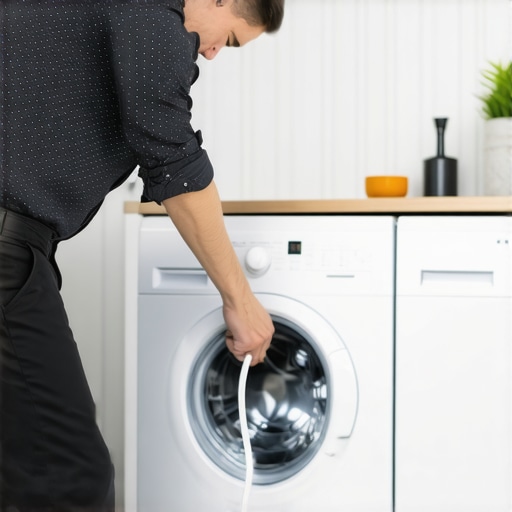
Ever had that sinking feeling when your microwave or dishwasher suddenly stops working just as you’re about to host friends or finish that long-overdue chore? I sure have. There I was, ready to relax after a hectic day, only to be met with frustration as I realized I hadn’t prepared the appliance properly before calling in the pros. It’s a common scenario, but one that can lead to unnecessary delays and expenses.
Why does this happen? Often, homeowners rush to schedule repairs or installations without taking that crucial step that could save them from costly troubleshooting later. From my experience, the biggest mistake most people make is not doing a simple but vital prep work before the technician arrives. That seemingly small oversight can turn a quick fix into a multi-hour ordeal—or worse, require additional service calls.
Today, I’m going to share the one thing you absolutely must do before your appliance technician walks through your door. This step is a game-changer—it ensures the technician can diagnose and fix your problem efficiently, saving you time, money, and a whole lot of frustration.
The Secret to a Smooth Appliance Repair Visit
Imagine this: you’ve scheduled a same-day service for your leaking dishwasher, but when the technician arrives, they spend half the time just figuring out what’s wrong because you haven’t prepared your appliance properly. I learned this the hard way early in my homeownership journey. I thought I could just point out what’s wrong and let the professional handle the rest. Big mistake. It delayed the entire process and cost me extra.
One thing I’ve discovered over the years is that taking a few quick steps before the technician arrives can make all the difference. It’s about being proactive—ensuring your appliance is accessible, clean, and ready for inspection. This preparation not only speeds up repairs but also often results in lower costs, since the technician doesn’t have to spend extra time troubleshooting basic issues.
But what exactly should you do? And how can you avoid common pitfalls that could complicate repairs? That’s exactly what we’ll cover in the upcoming sections. Plus, I’ll share a resource that can help you troubleshoot common appliance issues yourself, empowering you to handle minor problems before calling in the pros.
Ready to become your own appliance repair hero? Let’s dive into the practical steps you should take before your technician shows up, ensuring a quick, cost-effective fix every time.
Clear the Area and Make Access Easy
Before the technician arrives, remove any obstructive items around your appliance, such as laundry baskets, kitchen utensils, or furniture. This ensures they can access every part of the appliance quickly and safely. Imagine trying to fix a car but being forced to clear a cluttered garage—that’s how difficult repairs can become without proper access.
Unplug or Turn Off Power
Always disconnect the appliance from power sources. For most appliances, this means unplugging them or switching off the circuit breaker. This simple step prevents accidental shocks and allows the technician to inspect without electrical hazards. I learned this the hard way when I neglected to unplug my fridge, causing a brief spark that startled everyone—and slowed down the repair.
Perform Basic Cleaning and Inspection
Clean around the appliance, removing dust, debris, or spilled substances. Also, check for visible damage or leaks. For instance, a quick wipe of the dishwasher door seal revealed mold buildup, which I cleaned to improve sealing and reduce leaks. Doing this not only helps the technician pinpoint issues faster but can sometimes resolve minor problems on the spot.
Document the Issue Clearly
Make note of exactly what’s wrong—when it started, how often it occurs, and any unusual sounds or behaviors. For example, I recorded a video of my microwave failing to heat, which helped the technician diagnose a faulty magnetron quickly. Clear documentation minimizes guesswork and speeds up diagnosis.
Gather Warranty and Purchase Information
Have your purchase receipt, warranty documents, and serial numbers ready. This helps verify coverage and prevents delays if parts or services are covered. I once had a delayed service because I couldn’t locate my warranty details, wasting valuable time. Keep these documents in an accessible folder or digital file for ease.
Remove or Relocate Personal Items
Take out any dishes, utensils, or personal belongings from or around the appliance. This prevents accidental damage and makes the technician’s job easier. I remember a repair job where a misplaced dish in the oven caused unnecessary delays because the tech had to work around it.
Know the Symptom Details
If possible, prepare a list of symptoms and any recent changes or repairs. For instance, noting that your dishwasher started leaking after a recent cycle allows the technician to zero in on potential causes faster than if they have to do all troubleshooting from scratch. This info is invaluable and often the key to a swift resolution.
Many homeowners think they fully understand the intricacies of appliance repairs and warranties, but in reality, there’s a lot more nuance than most realize. A common misconception is that warranty coverage is automatic and straightforward—however, the reality is that warranties often come with obscure clauses that can void your coverage if you’re not careful. For instance, some extended warranties have hidden restrictions, like excluding coverage if you don’t perform regular maintenance, which many overlook. To avoid this trap, it’s essential to thoroughly read the fine print or consult an expert to understand what’s truly covered. Additionally, many believe that same-day service guarantees a quick fix, but in complex cases, timely scheduling depends heavily on technician availability and your preparation. Skipping proper appliance prep, such as ensuring accessible areas or having documentation ready, can cause delays, even if the service is labeled ‘same-day.’ Interestingly, some folks assume that installing new appliances is as simple as plugging them in, but improper installation is actually a leading reason for early appliance failure and voided warranties. For example, improper leveling or incorrect electrical connections can cause malfunction or damage, which isn’t always covered under warranty. It’s vital to follow manufacturer instructions or hire qualified technicians. On the myth-busting side, many homeowners think all appliance issues require costly professional repairs, but understanding common diagnostic steps can help you avoid unnecessary expenses. A study by the Consumer Reports Safety and Security Center highlights that many minor problems, like clogged filters or simple sensor resets, can be fixed by homeowners, saving time and money. Want to dig even deeper? Consider the advanced nuances that can trip up even seasoned homeowners, such as the impact of non-OEM parts on warranty validity or how poor maintenance can accelerate wear and tear. For example, neglecting regular cleaning of condenser coils can lead to compressor failures, which are costly to repair and often not covered if the homeowner didn’t follow maintenance guidelines. Remember, knowing the fine details can make a significant difference in how smoothly your appliances operate and how confidently you can navigate repairs, installations, and warranty claims. Have you ever fallen into this trap? Let me know in the comments, and stay vigilant to keep your appliances running optimally!Maintaining your appliances over time requires more than just routine checks; it demands the right tools and a strategic approach. One essential tool I personally rely on is a digital multimeter. It’s invaluable for testing electrical components like thermostats, switches, and sensors. For example, when diagnosing a smart fridge that keeps rebooting, my multimeter helped me identify a faulty temperature sensor without replacing the entire unit, saving time and money.
Another gadget I can’t do without is a refrigerant leak detector. Leaks are often subtle but can severely affect appliance performance. Using a reliable detector helped me pinpoint a tiny Freon leak in my air conditioner’s evaporator coil, enabling timely repairs that extended its lifespan.
How do I keep my appliances running smoothly over the years?
This involves regular cleaning and preventive checks. For instance, cleaning condenser coils with an electric coil brush prevents overheating in refrigerators and AC units. I also recommend updating your appliance firmware when updates are available, especially for smart devices. Software updates often include security patches and performance improvements that help your appliance stay responsive and secure.
Investing in quality tools is a wise decision, but also pairing them with a solid maintenance plan can dramatically prolong your appliances’ life and efficiency. In fact, some manufacturers now recommend annual professional inspections combined with DIY upkeep, such as inspecting door seals or replacing filters. For example, a simple gasket cleaning move, like detailed in this article, can prevent costly refrigerant leaks.
Looking ahead, the trend is moving toward smart diagnostics that connect directly to your phone, alerting you to potential issues before they escalate. This proactive approach minimizes downtime and can even reduce repair costs. Be sure to stay updated with the latest diagnostic tools to keep your appliances in tip-top shape.
For those interested in a deep dive, I recommend exploring advanced diagnostic techniques, such as using thermal imaging cameras to detect hidden heat spots indicating electrical faults. These methods can be game-changers for maintaining complex appliances. Remember, mastering some of these high-tech tools and methods empowers you to troubleshoot effectively, often avoiding unnecessary service calls. Ready to give one a try? Start with an infrared thermometer—it’s affordable and incredibly useful for checking temperature variations in your appliances.
The Hardest Lesson I Learned About Appliance Repair and Warranty Secrets
One of the most eye-opening lessons I discovered was how crucial it is to read the fine print on warranty policies. Many homeowners assume coverage is straightforward, but hidden clauses can void your warranty if you overlook proper maintenance or specific installation steps. Knowing this upfront saved me from costly repairs and frustration.
Why Rushing Can Cost You Dearly in Appliance Fixes
I used to think scheduling repairs quickly was always best, but I learned that preparation matters just as much. Skipping simple steps like clearing the area or having documentation ready extended repair times and increased costs. Slow and steady, with proper prep, truly makes repairs smoother and cheaper.
The Value of Mastering Basic Troubleshooting
Before calling a professional, I found that basic troubleshooting—like checking filters or resetting the appliance—can resolve minor issues, saving big labor fees. Tools like a multimeter became my allies, helping me diagnose problems without waiting for a tech. It’s empowering to handle simple fixes at home, and it keeps appliances running longer.
Small Details That Save Big Hassle
It’s often the little things—like unplugging appliances or securing drain hoses—that prevent delays. Once, a tiny leak caused a service appointment to be rescheduled, but I fixed it by tightening connections myself. These small preventive steps are your best defense against surprise repair complications.
Curated Resources That Changed My Approach
Over the years, I relied on some invaluable tools and books to deepen my appliance knowledge. For instance, manuals from trusted brands and reputable websites like this resource helped me understand complex issues more confidently. Investing in quality diagnostic tools, such as infrared thermometers, also made a big difference in maintaining appliance health.
Embracing Continuous Learning in Appliance Care
Today, I view appliance maintenance as an ongoing journey, not a one-time fix. Keeping up with firmware updates for smart appliances or learning about new diagnostic methods keeps me proactive, preventing failures before they happen. Remember, the smarter your approach, the longer your appliances will serve you well.
Your Turn to Try
Empower yourself with knowledge, prepare properly for repair visits, and make smart use of diagnostic tools to save time and money. Your appliances—and your wallet—will thank you. Have you ever experienced a repair delay due to overlooked steps? Share your story below and let’s learn together.