
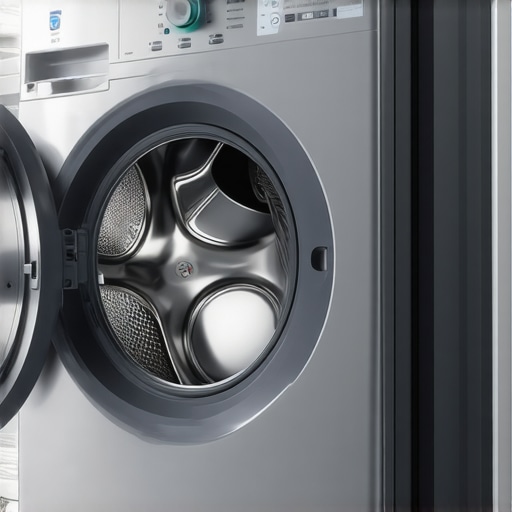
It was a Saturday morning when my trusty, brand-new steam washer decided to throw a tantrum. Instead of a quick wash cycle, I was greeted with error codes and a frustratingly silent drum. That lightbulb moment hit me hard—how many tiny, overlooked maintenance steps had I skipped? Turns out, there’s a simple yet often ignored task that keeps modern steam washers running smoothly and prolongs their lifespan.
Why Skipping the Right Maintenance Could Cost You
Many of us assume that once we’ve installed a new appliance, the bulk of our work is done. But especially with steam washers, there’s a crucial maintenance step that often gets forgotten—cleaning the condensed water reservoir and hoses. Neglecting this can lead to soap scum buildup, bad odors, and even mechanical failures. I learned this the hard way, and I bet you’ve experienced something similar, maybe with a lingering musty smell or stubborn stains that won’t come out.
Not cleaning these parts regularly can reduce efficiency and cause premature breakdowns. According to appliance experts, even a small amount of mineral or soap residue can restrict water flow and strain the machine’s components. To keep your washer in top shape, a little effort on this front can go a long way.
Is This Maintenance Step Really Worth the Hype?
There’s a common misconception that modern appliances are maintenance-free or that routine cleaning isn’t necessary. I used to think that, too—until that unexpected breakdown. The truth is, skipping this step can void warranty coverage and lead to costly repairs, especially if issues escalate unnoticed. When I first ignored this simple cleaning, I ended up facing a pricey service call. Now, I make it a point to follow my regular cleaning routine, and it has saved me both time and money.
If you’re curious about reliable repair and installation solutions, I recommend checking out [warranty-backed appliance services](https://discountappliancehub.com/warranty-backed-appliance-services-you-can-rely-on). They emphasize the importance of proper maintenance to extend appliance lifespan.
In the upcoming sections, I’ll walk you through the straightforward process to clean your steam washer’s reservoir and hoses. This small step can prevent big headaches and keep your laundry routine running smoothly. Have you faced issues with your washer that seemed minor but turned into major repairs? Let’s fix that today.
Access the Reservoir and Hoses Safely
Begin by unplugging your washer and locating the water reservoir, usually at the back or bottom. Carefully remove any panels or covers using a screwdriver, keeping track of screws for reassembly. Imagine opening a car hood—ensure you have good lighting and a clean workspace. I once skipped this step and ended up wrestling with a stubborn panel, wasting time that could have been spent on proper access. Clear the area of debris and wipe down surrounding surfaces for safety.
Drain and Remove Residue
Locate the drainage plug or hose at the bottom of the reservoir. Place a shallow tray or towel beneath to catch residual water. Slowly loosen the plug, allowing water to flow out gradually—think of it as gently uncorking a champagne bottle to avoid a mess. I learned this the hard way when a sudden gush soaked my socks. Once drained, detach hoses attached to the reservoir by squeezing or unclipping them, inspecting for soap scum or mineral deposits. Use a small brush or cloth to clear buildup. This routine prevents soap scum from impeding water flow, which is essential for efficient washing cycles.
Clean the Components Thoroughly
Apply a mixture of equal parts white vinegar and water to dislodge stubborn deposits inside the hoses and reservoir. Use a soft brush or cloth to scrub gently, avoiding damage to seals or plastic parts. Rinse thoroughly with clean water to remove vinegar residue. Remember, this process is like cleaning a coffee maker’s internal tube—regular maintenance prevents mold and odor buildup. When I cleaned my washer this way, the musty smell disappeared within a cycle, and water flow improved noticeably.
Inspect and Reassemble Carefully
Check hoses for cracks or signs of wear; replace if necessary. Reconnect hoses securely, ensuring clips or screws are tight to prevent leaks. Reinstall any panels or covers, aligning everything properly. Re-energize the machine and run a short cycle with no laundry to verify correct operation and leak absence. Think of this as tightening nuts on a bicycle before hitting the road—precision prevents future breakdowns. I once forgot to tighten a hose clamp, and water leaked onto my floor during the test cycle, reminding me of the importance of proper reassembly.
While many believe that troubleshooting or installing appliances is straightforward, the reality is that the industry is riddled with misconceptions and subtle pitfalls. As an expert who has diagnosed countless issues, I can tell you that understanding these nuances can save you time, money, and frustration.
Most People Oversimplify Warranty Coverage and Service Delays
A common myth is that all warranties cover every problem and that service will happen on the same day. In truth, many homeowners overlook the fine print. Warranties often exclude certain damages or parts, especially if maintenance protocols weren’t followed, like neglecting regular cleaning or proper installation. Moreover, “same-day” service isn’t always guaranteed—agencies might prioritize urgent repairs or have scheduling constraints. Rushing into a repair without understanding these terms can lead to disappointment. To ensure your repair is covered and handled promptly, consult reputable service providers that offer comprehensive warranty-backed solutions, such as those outlined in this trusted resource.
The Pitfall of DIY Fixes and Improper Installation
Many homeowners try to save money by installing or repairing their appliances themselves. While some tasks seem simple, the devil is in the details. Improper installation can void warranties, cause premature component failure, or create safety hazards. For instance, incorrect leveling or insecure connections can lead to leaks, vibrations, or system malfunctions. These mistakes may not be immediately apparent but can escalate into costly repairs down the line. An expert’s touch ensures correct setup and minimizes risk. Consider scheduling professional installation or maintenance through reliable services discussed in this guide.
Why Rushing for Quick Fixes Sometimes Backfires
Many think that quick solutions are always best. However, such approaches often overlook root causes or involve temporary patches that lead to recurring issues. For example, replacing a faulty component without diagnosing underlying electrical or mechanical problems can result in repeated failures. This cycle of quick fixes not only wastes money but also obscures the real issue, making future repairs more complicated. Advanced diagnostics by experienced technicians go beyond surface symptoms, ensuring durable solutions. To better understand how expert evaluations can prevent common pitfalls, explore this resource.
Can Overlooking Regular Maintenance Cost You More?
Many believe that once an appliance works, it doesn’t require further attention. This is a dangerous misconception. Regular maintenance, such as cleaning filters or inspecting connections, is crucial to prolong the lifespan of your devices. Neglecting this can result in decreased efficiency, higher energy bills, and unexpected breakdowns. For example, ignoring the buildup of dirt or mineral deposits can cause motors or valves to fail prematurely. Staying proactive with maintenance not only keeps your appliances running smoothly but also guards your warranty rights, as outlined in this expert guide.”}]}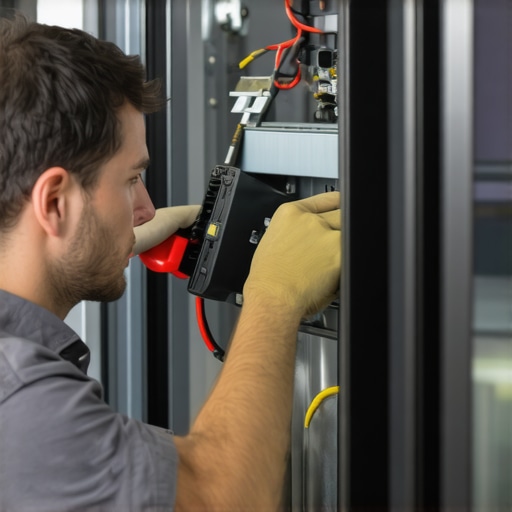 ,
,
Keep Your Appliances Running Smoothly with the Right Tools
Maintaining appliances over time isn’t just about routine checks; it’s about equipping yourself with precise, reliable tools that make diagnostics and repairs efficient. I personally swear by a quality digital multimeter, like the Fluke 117, which allows me to measure voltage, current, and resistance with pinpoint accuracy. This device helps identify electrical issues quickly, saving time and avoiding unnecessary replacements.
Another must-have is a set of thermal imaging cameras, such as the FLIR ONE. These compact devices connect to your smartphone and let you detect hotspots in electrical panels or motors—signs of impending failure. I use mine regularly to prevent breakdowns before they escalate, especially with high-energy appliances like dryers and refrigerators.
Additionally, a good set of insulated screwdrivers and a multibit screwdriver kit is critical. These enable safe disassembly of panels and components without damaging sensitive parts. I prefer magnetic-tip screwdrivers to keep track of tiny screws during reassembly, preventing misplacements that can delay repairs.
Adopting Effective Methods for Long-Term Results
Reliability also hinges on adopting proven methods. Regularly inspecting and cleaning components such as water inlet valves and filters can prolong your appliance’s lifespan. For example, cleaning your dishwasher’s spray arms and filters every six months prevents clogs and ensures optimal performance.
Documenting each maintenance session with notes and photos helps track recurring issues and provides clear records for warranty claims. For instance, if your washing machine begins to leak again, having a history of prior inspections can facilitate faster service through warranty-backed providers.
Using specialized cleaning cables, like drain snakes or ultrasonic cleaners, enables thorough cleaning of unreachable parts. These tools reduce the likelihood of costly repairs driven by build-up or obstructions. I recommend the Rigid Drain Cleaning Cable for its durability and flexibility, especially when working in tight spaces.
Preparing for the Future of Appliance Maintenance
Looking ahead, I predict that smart diagnostic tools integrated with apps will become standard. These will analyze appliance health remotely, alerting homeowners to issues before total failure. Companies are increasingly adopting IoT sensors, which could eventually allow maintenance scheduling optimized by predictive analytics, reducing downtime and costs.
For now, integrating tools like multimeters, infrared cameras, and quality screwdrivers into your routine can dramatically improve your ability to maintain appliances reliably. If you want to explore advanced diagnostics, consider trying out thermal imaging during your next maintenance check—it’s a game-changer.
How can you maintain your appliances over time?
The key is consistency. Schedule regular inspections using your multimeter to check electrical connections, clean filters and spray arms to prevent buildup, and keep detailed records. For more detailed guidance, visit this expert guide. Ready to upgrade your maintenance toolkit? Investing in a quality IR camera or multimeter can save hundreds in repairs and extend your appliance life. Don’t forget, professional service backed by warranty support can catch issues early—explore options at this link.
3 Surprising Lessons I Discovered about appliance repair,installation,warranty,same-day service That Changed My Approach
- Sometimes, the biggest problem isn’t the faulty part but a simple overlooked maintenance step—like cleaning filters or reservoirs—that can save you hundreds in repairs and headaches.
- Trusting professional installation and diagnostics isn’t a sign of weakness; it’s a smart move that preserves your warranty rights and ensures long-term appliance health.
- Understanding the fine print of warranties and service guarantees can mean the difference between a quick fix covered in full and a costly out-of-pocket expense.
- Rushing to fix issues or ignoring regular maintenance can compound problems over time, making simple repairs into major appliance overhauls.
- The most overlooked aspect of appliance longevity is consistent, proactive care—think of it as giving your appliances a health check-up every few months.
My Gear That Keeps Me Ahead in Appliance Care
- Digital Multimeter: This tool transformed my troubleshooting approach, allowing me to quickly verify electrical issues without guessing—highly recommended for precise diagnostics.
- Infrared Camera: Spotting hotspots in electrical components beforehand saves me from unexpected failures; I rely on brands like FLIR for quality and accuracy.
- Magnetic Screwdriver Set: Tiny screws can be a nightmare, but good screwdrivers prevent stripped heads and lost pieces; my go-to is Wiha for durability.
- Ultrasonic Cleaners: They make cleaning unreachable parts effortless, extending appliance lifespan and maintaining efficiency—trust me, worth every penny.
Step Into Your Appliance’s Future Today
Empowering yourself with the right knowledge and tools can turn appliance maintenance from a chore into a rewarding DIY journey. Remember, consistent care and understanding warranty nuances can make your appliances last longer, work better, and cost less over time. Dive into trusted resources like this expert guide to deepen your understanding and stay ahead of problems. Your appliances deserve that level of attention—start today, and enjoy the peace of mind that comes with being a dedicated caregiver to your home’s vital systems.
What is one small maintenance habit you think could prevent a major appliance breakdown? Share your thoughts below!