
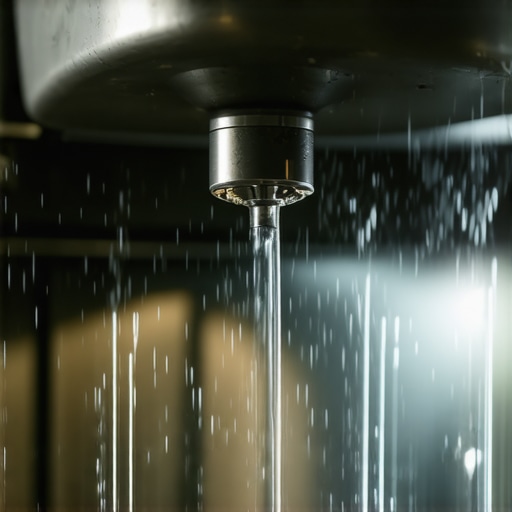
It was just another typical Saturday afternoon when I finally noticed that weird damp patch creeping along my kitchen cabinet floor. At first, I brushed it off as a minor spill or maybe just humidity. But as days passed, that unnoticed leak morphed into a more stubborn, persistent problem. One morning, I stepped into a mini flood—water had been quietly seeping beneath my sink for weeks, wreaking havoc without my even realizing it. That lightbulb moment hit me hard: ignoring small issues like a slow leak can spiral into costly repairs, not to mention the damage to your home’s structure.
Why Overlooking Small Leaks Isn’t So Small After All
Most folks, myself included early on, think that a minor leak isn’t worth worrying about. We assume it’s just a small inconvenience, easily fixable, so why escalate? But the truth is, that tiny drip under your sink is quietly doing damage over time. Mold, wood rot, increased water bills—these are just a few consequences I’ve come to realize only after experiencing the aftermath of neglect.
According to the EPA, water leaks can account for nearly 10,000 gallons of wasted water annually in an average household—costing you extra on utility bills and harming the environment. The real danger, though, isn’t just in wasting water; it’s in the cumulative damage that can compromise your home’s integrity.
Have you ever ignored a small leak and then faced a sudden, unexpected flood? If so, you’re not alone. It’s easy to dismiss these issues until they threaten the stability of your home and your wallet.
In the next section, I’ll walk you through simple, effective steps to detect hidden leaks early, and how to prevent them from becoming emergencies. Trust me, a little proactive care now can save you a bundle later. Want some practical ideas? Keep reading.
Identify Hidden Leaks Quickly
Start by inspecting visible plumbing for drips or water stains. Use a moisture meter to detect dampness behind walls or under floors. Turn off all water-consuming appliances and check your water meter; if it moves, you likely have a leak. A personal tip: I once used a dye tablet in my toilet tank to see if it seeped into the bowl, revealing a hidden leak. This quick check saved me from a costly tank replacement.
Shut Off Water Supply and Prepare Tools
Before attempting repairs, turn off your main water valve to prevent further damage. Gather essentials like a wrench, replacement parts, pipe tape, and a bucket. Familiarize yourself with your home’s plumbing layout to avoid accidental damage. Remember, safety first—wear gloves and goggles if necessary.
Locate the Leak Precisely
Check under sinks, around joints, and near appliances. Use an ultrasound leak detector if available; it can pick up freon or water movement sounds. For wall leaks, look for discoloration or bulges, but beware: some leaks are concealed behind walls. I once traced a leak by listening closely to the pipes while running water—an effective, low-cost method.
Execute the Fix with Confidence
Replace damaged sections, tighten loose fittings, or seal with appropriate tape or caulking. For small cracks, epoxy patches work well. In my experience, tightening loose fittings often resolves minor leaks; for stubborn ones, replacing the faulty pipe segment is best. For ongoing issues, consult tutorials or professional advice to ensure a durable fix.
Test and Confirm the Repair
Turn the water back on slowly, observing for leaks. Monitor the area over the next few hours to confirm stability. I always do a second check by running appliances or flushing the toilets. This step prevents future surprises. If leaks persist, revisit the fix or consider professional help.
Prevent Future Leaks Effectively
Schedule regular inspections of pipes, especially in older homes. Use leak detection devices or smart plumbing sensors that alert you to moisture changes. Regular maintenance, like replacing old hoses and tightening fittings, minimizes surprises. For complex repairs or installations, it’s wise to hire certified professionals—ensure they are warranty-backed to protect your investment. Learn how to maximize your appliance warranty during emergency repairs by visiting this guide.
Remember, catching leaks early not only saves money but also preserves the integrity of your home. Stay vigilant, and don’t wait for a flood to take action!
While many believe that opting for same-day appliance repair guarantees quick fixes and comprehensive coverage, the truth is often more nuanced. An overreliance on quick-turnaround promises can lead to overlooked details that cost homeowners dearly. For instance, some service providers promise ‘instant’ repairs but may cut corners, using subpar parts that void warranty protections. Experts emphasize verifying whether the technician uses genuine parts and if the service provider is warranty-backed; these factors are crucial for long-term reliability. Additionally, many assume that all warranties cover accidental damages or improper installation, but in reality, most have strict exclusions—sometimes even fine print that homeowners miss during signing. A common pitfall is not understanding what the warranty truly covers, which may result in unexpected out-of-pocket expenses during disputes or after repeated issues. When scheduling repairs or installations, it’s vital to read the fine print and ask questions about coverage, parts, and labor guarantees. The smart approach involves choosing providers who emphasize transparent, warranty-backed services and ensure reliable installation—like those highlighted in our expert guide to installation in 2025. Overlooking these nuances can lead to recurrent failures, wasted money, and even safety risks. Be proactive in understanding your warranty’s scope, and don’t hesitate to consult materials like top tips for warranty coverage when vetting your service options. Remember, loading up on promises of speedy service without verifying the details might be a short-term gain but a long-term pain. Proper diligence ensures your home remains protected, and your repairs truly stand the test of time. Want to learn how to maximize your warranty benefits during emergency repairs? Check out this resource for expert strategies. Have you ever fallen into this trap? Let me know in the comments.
Choosing the Right Equipment for Ongoing Care
Investing in quality tools is essential for maintaining your appliances over time. I personally swear by a digital infrared thermometer, which helps me quickly detect hot spots and uneven heating in appliances like ovens and dryers. This non-contact device allows me to monitor temperature variations without disassembling parts, saving time and preventing future breakdowns.
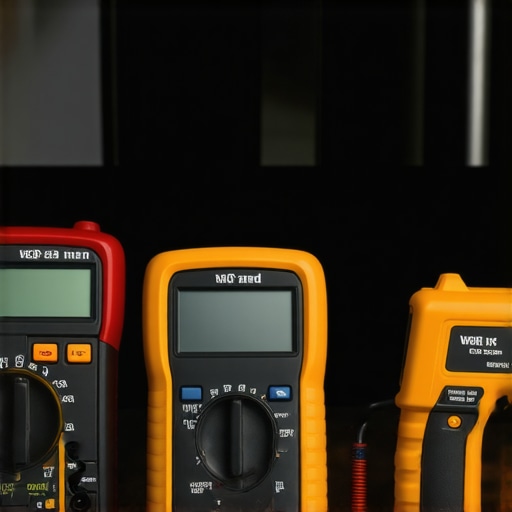
Additionally, a versatile multimeter is invaluable. I use mine to check continuity, voltage, and component health—it’s a must-have for diagnosing faulty circuits or damaged elements. For example, testing the thermal fuse or door switches becomes straightforward, ensuring that replacements are necessary before calling in professional help.
Embracing Smart Monitoring Technologies
Smart sensors and leak detectors are game-changers for long-term appliance health. I recommend installing moisture sensors near washing machine hoses and under dishwashers, which alert you immediately when leaks occur. These devices, connected to your smartphone, enable proactive maintenance — catching problems before they escalate into costly repairs or warranty claims. As technology advances, expect even more integrated solutions that monitor appliance performance continuously and send diagnostics in real-time.
Standardizing Maintenance Routines
Routine inspections and cleaning greatly extend the life of your appliances. I schedule bi-annual checkups, including cleaning filters, inspecting hoses, and testing electronics. For example, cleaning refrigerator coils using a specialized brush prevents overheating and energy waste, which I detail in this guide. Consistent upkeep reduces the likelihood of unexpected failures and preserves warranty coverage.
Tools That Future-Proof Your Repairs
Looking ahead, the trend leans toward AI-powered diagnostic tools integrated with mobile apps. Emerging devices will analyze appliance behavior and suggest preventive actions automatically. For now, however, regularly updating your equipment and utilizing diagnostic tools like multimeters and leak detectors is your best bet for long-term success.
For added peace of mind, always verify that your repair services and installations are warranty-backed. This approach ensures long-term reliability and helps you avoid future expenses. Learn more about maximizing warranty benefits during emergency repairs by exploring this resource.
How do I maintain appliance health over time?
A practical tip is to document every maintenance activity and repair. Use a digital log or app to track service dates, replacements, and inspections. This record not only helps in warranty claims but also informs professional technicians about your appliance’s history, enabling faster, more accurate diagnostics. Remember, proactive maintenance combined with the right tools can dramatically reduce downtime and repair costs, securing your appliances’ performance for years to come.
What Hidden Truths Made Me Rethink Urgent Repairs
One lightbulb moment was realizing that rushing into repairs without understanding the full scope often leads to recurring issues. Prioritizing quality over speed ensures durability and preserves warranties, saving money in the long run. I learned that verifying warranty coverage before any repair is a small step with huge benefits—avoiding costly disputes later.
The importance of choosing warranty-backed, reliable service providers cannot be overstated. Sometimes, a quick fix isn’t enough; investing time in understanding your warranty and choosing the right technician is a game-changer. This insight transformed my approach to appliance emergencies, leading me to trusted sources like this guide.
Your Path Forward: Essential Resources for Confident Repairs
My go-to tools include a professional-grade multimeter for quick diagnostics and smart leak detectors to catch issues early. These tools are affordable yet invaluable—saving me from bigger headaches. The book Expert Guide to Appliance Repair and Installation is another trusted resource that offers practical advice that I still reference.
Additionally, subscribing to updates from reputable repair services keeps me informed about emerging technologies and best practices. This proactive approach ensures my home remains protected and appliances perform optimally, reducing the need for emergency fixes.
Believe in Your Power to Keep Your Home Running Smoothly
Remember, your home’s appliances and your peace of mind are worth the effort. Investing in the right tools and knowledge not only prevents costly emergencies but also boosts confidence in handling unexpected issues. You’ve got this—taking small, informed steps today leads to a safer, more reliable home tomorrow.