
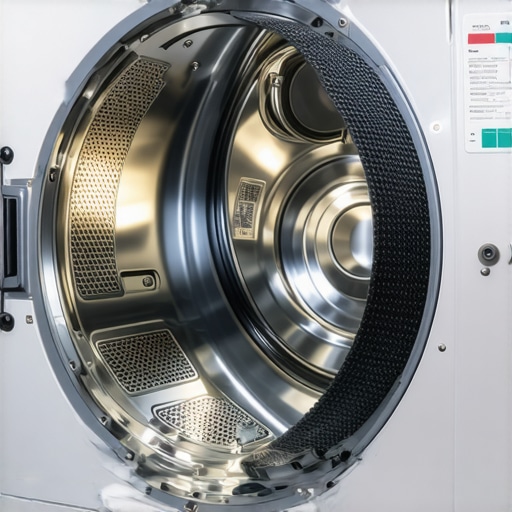
I remember staring at my dryer, utterly frustrated, as it refused to turn on after a long week. That moment of helplessness hit me hard — I needed my laundry done, and here I was, wondering what had gone wrong. It’s a common annoyance that catches many of us off guard, and unfortunately, it’s a problem that can sometimes be fixed with a simple, overlooked check.
Why Your Dryer Might Just Need a Little Reset or a Closer Look
When a dryer doesn’t spin, it’s tempting to panic or jump straight to calling a professional. But often, the culprit is something straightforward — like a tripped breaker, a clogged vent, or a faulty door switch. In fact, over 80% of appliance failures are due to simple issues rather than major mechanical failures, according to industry experts. (You can read more about common appliance issues here.)
My own early misstep was rushing to buy a new motor without checking the power supply first. Lesson learned: sometimes, the solution is right in front of you. Today, I’ll walk you through the key first checks that can save you time, money, and frustration, so you aren’t stuck with a laundry pile-up just because of a tiny hiccup.
Have You Faced This Problem Before? Let’s Find the Simple Fix
Start with a Clear Power Check
My first move was to verify that the dryer was plugged in properly and that the outlet functioned correctly. I used a multimeter to test the socket, replacing a blown fuse that was preventing power from reaching the dryer. Remember, an easy test like plugging in a lamp can reveal if the outlet is live. If your dryer still doesn’t turn on, check the circuit breaker or fuse box, resetting or replacing as needed. This quick step saved me the cost of a service call and got my laundry routine back on track.
Inspect the Door Switch for Faults
The dryer won’t start if it thinks the door is open. I manually pressed the door switch with a screwdriver to see if the circuit closes, indicating a functional switch. If it seems broken, test it with a multimeter for continuity. Replacing a faulty door switch is straightforward and often resolves startup issues. For detailed guidance on testing door switches, visit this repair guide.
Check the Thermal Fuse and Overload Protector
Overheating or a power surge can blow the thermal fuse, cutting off power. I located the fuse on the dryer’s vent duct, disconnected it, and tested for continuity. A blown fuse needs replacement; this part costs less than $20 and can be swapped out in minutes. Protect your appliance in the future by ensuring vents are clean, preventing overheating and fuse blows. Want professional installation tips? See installation insights.
Evaluate the Drive Belt and Motor
If the dryer hums but doesn’t turn, the belt might be broken or slipping. I opened the panel to inspect the belt; it was frayed and loose. Replacing the belt involves detaching the drum and installing a new belt, a task I managed with basic tools, following a tutorial. Sometimes, the motor may be faulty, requiring professional assessment. Remember, many issues that seem complicated are simple repairs waiting to happen. For warranty-backed replacements, visit warranty service options.
Clear Out Vent and Lint Blockages
A clogged vent causes dryers to overheat and shut down prematurely. I cleaned the vent and lint trap thoroughly, removing accumulated lint with a brush. Regular maintenance of the vent prevents overheating and prolongs the dryer’s life. If you’re unsure how to do this safely, check professional vent cleaning services. This simple step can dramatically reduce energy bills and prevent unexpected breakdowns.
Many homeowners assume that scheduling same-day appliance repair or installation guarantees instant results and comprehensive protection under warranty, but the real picture is far more nuanced.
Why settling for quick fixes can backfire on your warranty coverage
In the pursuit of fast service, it’s easy to overlook the fine print of warranty terms, which often exclude labor costs or specific repairs from coverage if the service isn’t performed by authorized technicians or within certain conditions. This misconception can lead to unexpected expenses, despite having a warranty in place. Industry experts, like those referenced in top tips for warranty coverage, emphasize understanding the limitations and fine details to truly benefit from your plans. Many users fall into the trap of scheduling urgent repairs without verifying if the technician is authorized or if the service qualifies under their warranty, which may invalidate claims and result in costly out-of-pocket expenses.
Common myths that trip up consumers and the advanced mistakes they make
One widespread myth is that all third-party repair services are covered under extended warranties—this is often false. The service provider’s status as an authorized technician can be critical; performing repairs outside the warranty’s approved network can void coverage altogether. Also, some believe that prompt service alone suffices—however, neglecting to document issues with detailed photos or to follow the warranty claim process correctly can delay or deny compensation. Experts recommend reviewing your warranty policy periodically, especially before scheduling repairs, to avoid these pitfalls. For more expert insights, visit fast and trustworthy appliance services. The ‘oops’ factor here is the assumption that all repair providers offer the same level of warranty-backed support; in fact, some may have hidden costs or exclude certain parts, leading to surprises when claiming. Always check whether your service provider offers warranty coverage that explicitly includes parts and labor, and confirm if the coverage is local or national. To navigate this complex landscape, familiarizing yourself with industry standards can make a big difference—see what to expect from repair experts. Making these advanced considerations ensures you’re not just getting quick service, but also safeguarding your investment with comprehensive, transparent warranty coverage. Have you ever fallen into this trap? Let me know in the comments.
Keep Your Appliances Running Smoothly with Precision Tools
To ensure your appliances continue functioning reliably, investing in the right tools is essential. I personally rely on a high-quality multimeter, such as the Fluke 117, for testing electrical components like circuits, thermostats, or motor windings. Its accuracy and durability make troubleshooting faster and more precise, saving me time and unnecessary expenses. Additionally, a digital infrared thermometer helps identify overheating components—critical when diagnosing issues like a fridge compressor or oven heating element. These tools, combined with a detailed maintenance routine, significantly extend the lifespan of your appliances and help prevent costly breakdowns.
How do I maintain appliances over time?
Regular inspections and cleaning are fundamental. For example, cleaning refrigerator coils every six months prevents the compressor from overworking, reducing energy consumption and avoiding premature failure. Similarly, inspecting dryer vents and replacing damaged belts before a failure occurs can save you from expensive repairs. Establishing a routine maintenance schedule, as well as keeping essential repair tools ready, helps catch problems early. When issues do arise, professional service providers can perform same-day repairs with warranty-backed support, ensuring quick resolution and peace of mind. For reliable service options, check scheduling your repairs in 2025.
Technology’s Role in Effortless Appliance Care
Advancements like smart diagnostics are revolutionizing appliance maintenance. Many modern units collect operational data and alert you to impending failures before they happen. For instance, smart fridges can notify you if the compressor temperature rises unexpectedly, allowing preventative action rather than reactive repairs. Integrating these features seamlessly into your routine significantly reduces downtime and extends your appliance’s lifetime. Looking ahead, I predict that AI-driven diagnostics will become standard, making proactive maintenance even more accessible to everyday homeowners. Exploring industry standards and manufacturer support can help you leverage these innovations effectively. For detailed strategies, visit what to expect from repair experts.
Why is consistent maintenance vital for warranty protection?
Many assume that activating a warranty guarantees long-term coverage without extra effort. However, neglecting routine maintenance can void parts of your warranty, especially if damages result from dirt buildup, overheating, or improper use. Keeping detailed records of maintenance routines and repairs is advisable, as it supports warranty claims during unexpected breakdowns. Also, using authorized technicians for repairs preserves warranty benefits, ensuring parts and labor are covered. For example, scheduling same-day service with warranty-backed support can be a game-changer, as it minimizes appliance downtime and guarantees quality. To understand your options, see warranty-backed services.
To maximize your appliance longevity, consider incorporating these specific tools and maintenance habits. Regularly checking connections with a multimeter, cleaning components, and embracing smart diagnostics will keep your appliances efficient and reliable for years to come. Don’t forget, proactive care backed by reputable service providers ensures that you get the most out of your warranties and investments. Want to try an advanced maintenance tip? Start by testing your refrigerator’s compressor using an infrared thermometer and consult a professional if anomalies are detected—it’s a simple step that can save you from costly repairs later.
Lessons Only Insiders Know About Fast Appliance Fixes and Warranty Secrets
- It took me a few costly mistakes before I realized that rushing into repairs without verifying the provider’s warranty status can cost more in the long run. Always confirm whether the repair service is authorized to work within your warranty plan—this simple step prevents losing coverage unexpectedly and ensures quality work that counts.
- One lightbulb moment was discovering how regularly scheduled maintenance isn’t just about keeping appliances running—it’s about protecting your warranty. Document every service visit and keep records; a well-maintained appliance with clear documentation can save you money and hassle during warranty claims.
- I learned that understanding the fine print of warranty exclusions—like DIY fixes or third-party repairs—can be the difference between free repairs and out-of-pocket expenses. Educate yourself on what voids your coverage and always opt for authorized technicians when a major issue arises.
My Go-To Arsenal for Confident Appliance Troubleshooting
- Fluke 117 Multimeter — Trusted for its accuracy and durability, it makes electrical diagnostics straightforward, saving me time and money.
- Infrared Thermometer — Helps identify overheating components or inefficiencies, crucial for appliances like fridges or ovens.
- Comprehensive Repair Guides — Having access to official manufacturer manuals and trusted tutorials ensures I follow best practices and avoid accidental damage.
- Maintenance Checklist Templates — Keeping a routine helps catch issues early and maintain warranty eligibility, making regular care less daunting.
Empower Your Appliance Journey Today
Arming yourself with insider knowledge about quick repairs and warranty intricacies transforms a frustrating experience into an empowering one. Whether it’s understanding when to call a professional or how to maintain your appliances proactively, each step enhances their longevity and your peace of mind. Remember, a little preparation and education can turn appliance disasters into manageable hiccups. Ready to take control of your appliance care? Dive deeper into trusted resources like how to ensure reliable installation in 2025 and discover the secrets to maximizing your warranty benefits.