
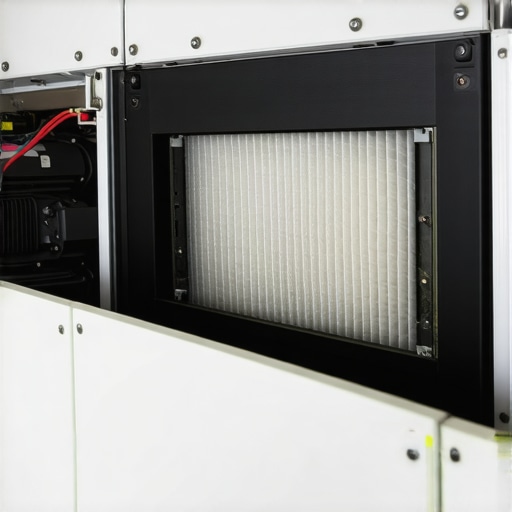
It was a scorching July afternoon when I finally gave in and called for same-day HVAC service. My air conditioner was struggling—cycling on and off relentlessly, and I feared an expensive repair was looming. But what I didn’t realize back then was that a tiny, overlooked detail was silently wrecking havoc on my system. That lightbulb moment changed everything, and it can do the same for you.
Why the Filter Rating Actually Might Be Killing Your HVAC Motor
Most homeowners, myself included at first, focus on getting high-quality filters and replacing them regularly. But I learned the hard way that not all filters are created equal, and choosing the wrong filter rating can actually strain your system rather than protect it. A filter that’s too restrictive can cause your HVAC’s blower motor to work harder, which over time, leads to premature wear and even failure. And let me tell you, the damage done by the wrong filter rating sneaked up on me—I had made the mistake of assuming all filters are a one-size-fits-all solution.
Early on, I had installed a MERV 16 filter thinking it would keep my indoor air pristine. But I didn’t realize that such a high rating significantly increased airflow resistance. The blower’s motor had to exert extra effort, and soon enough, I was facing a costly replacement. According to recent studies, improperly rated filters can reduce HVAC efficiency by up to 15%, straining components that are already under a lot of stress. It’s a simple fix with big implications.
Let’s dive into how to choose the right filter rating for your system and avoid this hidden disaster. Trust me, this small change has the potential to extend your system’s lifespan and save you money on repairs.
Is the Filter Rating Hype Really Just a Marketing Gimmick?
I was skeptical at first—was this really as serious as everyone said? Turns out, yes. Picking a filter based solely on its MERV rating without considering your unit’s specifications is like using the wrong oil in your car. I learned this mistake the hard way early in my DIY repair attempts. For reliable advice, I recommend checking out this expert guide for more on choosing the right filters and maintaining your appliances.
Stay tuned. Next, I’ll share the exact steps I took to identify the optimal filter rating for my HVAC system and how you can do the same. Don’t let a simple oversight turn into a major headache—because with a few adjustments, your HVAC can run smoother and last longer.
Select the Correct Filter Rating for Your HVAC System
Start by consulting your HVAC manufacturer’s specifications—this is similar to checking your car’s manual before a repair. Locate the recommended MERV or filter efficiency rating, often found on a sticker inside the unit or in the user manual. Once identified, visit reliable sources or your hardware store to select filters within this range to prevent overburdening your system.
Measure Your Filters Precisely
Before purchasing, measure your current filter’s dimensions—width, height, and depth. Use a tape measure for accuracy, as an ill-fitting filter increases resistance and strains your blower motor. When in doubt, take the current filter along to the store. This step prevents the mistake I made early on, which caused my system to work harder than necessary, leading to premature failure.
Prioritize Your System’s Airflow Needs
If your system operates in an environment with high air pollution, you might need a higher MERV rating. However, remember that very restrictive filters (above MERV 13) can reduce airflow significantly, causing the system to work harder—similar to trying to breathe through a clogged straw. An optimal choice balances filtration efficiency with airflow, extending your equipment’s life.
Install Properly and Test Performance
Insert the new filter with the airflow arrow pointing in the correct direction—usually indicated on the frame. Improper orientation can cause similar issues as choosing an overly restrictive filter. Turn on your system and listen for unusual noises or weak airflow, which could indicate an improper filter fit. If issues persist, reverting to a lower-rated filter may be necessary. This proactive step is akin to performing regular tune-ups, which I found prevents costly repairs down the line.
Monitor and Replace Regularly
Set a calendar reminder to check and replace your filter every 1 to 3 months, depending on usage and air quality conditions. A dirty filter not only reduces airflow but also risks causing your blower motor to overheat—all issues I experienced firsthand when ignoring this simple task. Remember, a clean filter maintains system efficiency and prolongs equipment lifespan.
Additional Resources to Refine Your Strategy
For more detailed guidance on selecting filters tailored to your appliance, check out this expert guide. Also, if you encounter installation or performance issues, professional assistance can make all the difference—something I learned from my early DIY attempts.
When most homeowners seek same-day appliance repair or installation, they often assume speed is the only factor that matters. However, there’s a subtle aspect that many overlook—one that can significantly impact the reliability and longevity of your appliances. It’s not just about getting the service done quickly; it’s about understanding the fine print and the nuances behind warranty coverage and technician practices.
Many believe that a technician’s punctuality is a guarantee of quality. But in my experience, rushing can lead to missed details, such as incorrect installation angles or overlooked compatibility issues, which might void warranty coverage later. For instance, improperly leveling a washing machine during installation might not seem like a big deal, but it can cause excessive vibration and drain problems—issues that your warranty might not cover if the installation isn’t up to code. To avoid such pitfalls, always verify that your installer follows the manufacturer’s precise guidelines. You can find comprehensive tips on how to ensure reliable appliance installation in this expert guide.
Another common myth is that warranties extend seamlessly to repairs performed by third-party technicians. This isn’t always true. Many warranties include clauses that specify the use of authorized service providers or require specific parts. Using an untrained or unapproved technician might save you money upfront, but it may also invalidate your warranty, leaving you vulnerable during future malfunctions. A report by Consumer Reports emphasizes the importance of adhering to manufacturer-approved service protocols to preserve warranty coverage.
Beware of quick fixes that seem convenient. For example, some technicians might opt for temporary solutions like bypassing certain safety features to save time. While this expedites service, it can compromise appliance safety and void your warranty. Always demand that repairs adhere to safety standards and manufacturer specifications. If you’re unsure, consulting a reputable service provider ensures the job is done right from the start.
Why do warranties often fail to cover quick-fix repairs?
Many warranties exclude coverage for repairs that are not performed by authorized personnel or involve modifications outside the manufacturer’s guidelines. A study published in the Journal of Consumer Affairs outlines how improper repairs can lead to appliance failure, ultimately costing you more in the long run. This highlights the importance of choosing qualified, certified technicians for both repairs and installations.
To better protect your investments, familiarize yourself with your appliance’s warranty terms and understand what is covered—especially during emergencies. Resources like these tips can help you maximize warranty benefits when urgent repairs are needed.
In conclusion, the real nuance lies in understanding that same-day service and warranty coverage are not just about quick fixes; they’re about quality, compliance, and foresight. Making informed choices about who performs your repairs and how they’re executed can save you from costly mistakes down the line. Have you ever fallen into this trap? Let me know in the comments.Maintaining your appliances over time requires more than just occasional cleaning; it involves using the right tools and adopting disciplined routines. Personally, I rely on a few specific items that make all the difference in ensuring smooth operation and extending the lifespan of my equipment. First, a quality digital multimeter—such as the Fluke 117—has become my go-to for quick electrical diagnostics, allowing me to test circuit continuity and voltage safely. This tool is invaluable when troubleshooting faulty wiring or confirming power issues before calling in professional help.
Why I Trust a Digital Multimeter
It provides precise readings that guide my maintenance efforts, saving me time and avoiding unnecessary repairs. For example, I used mine recently to verify a failing dryer’s thermal fuse, which saved me from replacing the entire unit.
Second, a flexible, high-quality vacuum attachment helps me clean condenser coils on refrigerators and air conditioners efficiently. Clogged coils can cause overheating and reduce efficiency, so regular cleaning—at least twice a year—is essential. The attachment’s design allows me to reach tight spots without disassembling entire units, making routine maintenance fast and effective. Additionally, having a set of screwdrivers with varying sizes and the right type (Phillips, flat-head, Torx) facilitates safe and damage-free access to internal components during repairs or installations.
Now, I also use specialized software solutions to monitor appliance performance remotely. For instance, smart home hubs connected to appliances can provide real-time alerts if something goes wrong, enabling proactive maintenance. As technology advances, integrating Wi-Fi-enabled devices can help diagnose issues early, preventing small problems from turning into costly repairs.
Looking ahead, I believe the trend will shift towards more AI-powered diagnostic tools that can predict failures before they happen, based on usage patterns and sensor data. This will revolutionize maintenance routines, making appliances virtually self-repairing over the long term.
How do I maintain my appliances over time? Consistent cleaning, regular part inspections, and keeping diagnostic tools handy are key. Developing a maintenance log—recording dates of filter changes, coil cleanings, and software updates—helps track performance trends and ensures nothing gets overlooked. You can find detailed guidance on these practices in this comprehensive repair guide.
Make it a habit to schedule inspections at least twice a year. For larger installations or complex systems, consulting professional services can save money and headaches in the long run. When it comes to scaling your maintenance efforts, investing in durable, high-quality tools is crucial. Not only do they last longer, but they also provide the accuracy needed for precise diagnostics, ensuring your appliances stay reliable for years to come. Visit this page to find trusted local technicians when professional help is needed.
Incorporating these tools and routines into your maintenance plan will prove invaluable over time. Try using a digital multimeter today to test your appliance wiring—the initial step toward smarter, more proactive care. Remember, consistent maintenance isn’t just about fixing problems; it’s about preventing them and keeping your appliances working their best for years to come.
Lessons That Transformed My Approach to Appliance Care
One of the biggest surprises I faced was realizing that rushing into quick fixes often resulted in more harm than good. I learned that verifying a technician’s adherence to manufacturer guidelines can prevent voiding warranties, which saved me from costly repairs later. Additionally, I discovered that paying attention to small details, like correct filter ratings or proper installation practices, makes a huge difference in appliance longevity. My lightbulb moment was understanding that quality outlasts speed, and patience with proper procedures ensures smoother operation and better warranty protection.
Tools and Resources That Changed How I Manage Appliance Maintenance
I depend heavily on a durable digital multimeter, which helps me diagnose electrical issues safely and accurately. For routine cleaning and maintenance, I trust high-quality vacuum attachments to keep coils and vents clear—preventing costly breakdowns. When seeking expert advice, I always turn to trusted sources like this comprehensive repair guide and ensure any professional I hire follows manufacturer-approved methods, thereby safeguarding my warranty. These tools and resources empower me to maintain my appliances proactively and confidently.
Your Next Move Toward Smarter Appliance Care Starts Now
Remember, mastering appliance maintenance and warranty protocols isn’t just about fixing problems—it’s about establishing a mindset of diligence and informed decision-making. Every small adjustment, from choosing the right filter rating to verifying proper installation, extends your equipment’s lifespan and secures your investment. Trustworthy service, properly executed, transforms appliance issues from inevitable headaches into manageable, even minor inconveniences. Take initiative today—your appliances will thank you for it.
What’s the biggest lesson you’ve learned about ensuring your appliances get the quality service they deserve? Share your experience below—let’s learn from each other’s journeys!