
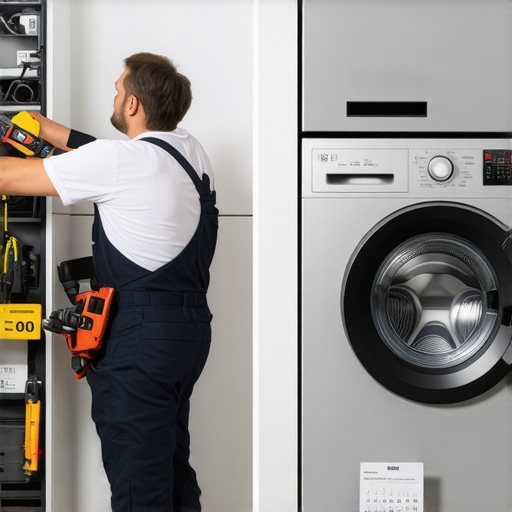
It was a hectic Saturday morning when my refrigerator unexpectedly stopped cooling. I thought, no big deal—I’d call for a repair later in the day. But then the unthinkable happened: the freezer began thawing, and my groceries were at risk. I frantically dialed a local service, only to be told it’d be hours before someone could come. That’s when I had my lightbulb moment—there’s a critical distinction between same-day service and emergency appliance repair, and understanding it can save you from unnecessary stress and costly damages.
Why Knowing the Difference Can Save Your Day (and Your Wallet)
Having been on both sides of the repair experience, I’ve learned that the terms “same-day service” and “emergency repair” are often used interchangeably, but they serve very different purposes. Knowing which service fits your current crisis can determine how quickly your problem gets resolved and how much it costs. Have you ever faced a frustrating delay because you didn’t understand exactly what kind of repair service you needed? It’s a common mistake, and it can lead to longer downtimes or higher expenses.
Is Emergency Appliance Repair Overhyped?
Early in my journey, I rushed to call an emergency service because I thought any delay would make my problem worse. But I soon discovered that emergency repairs are reserved for situations where safety is at risk or significant property damage could occur—like a gas leak or a burst pipe. For less urgent issues, like a refrigerator that’s just not cooling efficiently, scheduling a same-day appointment might make more sense. I once learned this the hard way when I paid higher fees for an emergency visit that could’ve waited a few hours. This mistake taught me the importance of assessing the severity of your appliance problem before rushing into a costly emergency call.
If you’re wondering how to determine the right approach, I recommend checking out this guide on scheduling same-day repairs. It helped me understand when same-day service is appropriate and when it’s better to wait or opt for emergency attention. Now, let’s explore how you can identify your specific situation and make smarter decisions for your appliance emergencies.
Assess the Urgency and Scope of Your Appliance Issue
Begin by carefully evaluating how severe the malfunction is. Is there a safety risk, like a gas leak, or a minor inconvenience such as a door not closing properly? For example, when my refrigerator’s ice maker stopped working, I first checked if my family’s perishable goods were at risk before deciding to pursue a same-day repair. If safety isn’t compromised, you can proceed with scheduling a planned appointment instead of an emergency call, saving money and avoiding unnecessary stress.
Identify Reliable Service Providers and Confirm Their Expertise
Research local technicians who specialize in your appliance type. Look for reviews, certifications, and warranties offered. I used [this guide](https://discountappliancehub.com/how-to-verify-your-manufacturers-warranty-coverage-online) to verify their credentials. When I needed quick repair for my dishwasher, I contacted a trusted technician with a reputation for same-day service, which minimized downtime.
Check for Proper Certification and Experience
Ensure the repair technician is authorized and experienced. Call their office and ask about their certifications. For instance, during a late-night oven malfunction, I confirmed the technician’s factory training, which helped me feel confident in their repair quality.
Schedule the Repair at the Right Time
Utilize online booking platforms or call during off-peak hours to secure a same-day slot. I used [this scheduling guide](https://discountappliancehub.com/scheduling-your-appliance-repair-for-same-day-service-in-2025) to find the optimal window. Being flexible with your availability increases the chance of a prompt appointment, especially if you describe the urgency clearly—like a leaking water heater that risks flooding.
Prepare Your Home for a Swift and Effective Repair
Clear the area around the appliance, remove any obstructions, and note any specific symptoms beforehand. When my technician arrived for my washing machine repair, I had the space ready, which allowed them to identify the issue quickly—a worn-out control board—and expedite the repair process.
Document the Issue for Warranty and Insurance Claims
Take photos of the malfunction or damage for potential warranty claims. This documentation was invaluable when I needed to address a recurring issue covered under my extended warranty, saving me time and costs.
Coordinate and Confirm the Repair Details
Double-check the appointment time, the scope of work, and warranty support options like [warranty-backed appliance services](https://discountappliancehub.com/warranty-backed-appliance-services-you-can-rely-on). Confirm whether the technician uses genuine parts and if they offer post-repair testing. During my last service, confirming these details prevented a return visit and guaranteed the repair’s durability.
Understand Post-Repair Responsibilities
After the repair, ask about usage tips, maintenance routines, and warranty coverage on parts replaced. For example, I was advised to keep my refrigerator’s condenser coils clean—something I now do monthly to extend the appliance’s lifespan. This proactive approach, combined with scheduled maintenance, ensures your appliances remain reliable and reduces future repair needs.
Following these concrete steps can streamline same-day repairs, reduce costs, and prolong your appliances’ life. By being proactive and informed, you empower yourself to handle appliance emergencies confidently and efficiently.
Many assume that once an appliance is installed correctly, it will run smoothly forever. But in my experience, there’s a subtle but critical nuance many technicians and homeowners miss — the importance of precise installation and understanding warranty terms. Overlooking these details can drastically affect repair outcomes, warranty claims, and your overall satisfaction.
Contrary to popular belief, not all repair warranties are equal. Some consumers assume that a warranty covers any technician error or subsequent damage, but in reality, many warranties exclude issues caused by improper installation or misuse. For example, an improperly leveled refrigerator might function initially but develop cooling problems that void warranty coverage later. To avoid this, it’s essential to verify that your installation aligns with manufacturer recommendations, which you can learn more about here.
Beware the ‘One-Size-Fits-All’ Installation Approach. Some service providers or DIY enthusiasts mistakenly apply generic installation steps regardless of the appliance model or your home’s specifics. This can lead to issues like poor airflow, vibration, and even early component failure. For instance, ensuring proper clearance around your refrigerator not only aids airflow but also prevents damage caused by heat buildup, which is a common cause of compressor failure.
Never underestimate the power of precise leveling. A slightly tilted washing machine might seem inconsequential but can cause excessive wear on bearings and drum misalignment. Accurate leveling might take an extra ten minutes but can extend your appliance’s lifespan significantly, saving you money in repairs. For detailed guidance, see professional installation tips.
Now, consider the complexities of warranty coverage. Many homeowners don’t realize that damage caused during improper installation often isn’t covered. This is a trap many fall into, especially with DIY repairs or fringed installation services. To protect yourself, always confirm that your technician adheres to manufacturer specifications and offers guarantees. You can verify this support by consulting this online resource.
Thinking ahead, what if you need emergency repairs? A common misconception is that any repair service will honor warranties equally, but that’s not the case. Choose service providers who explicitly support same-day repair with warranty support. This guarantees both prompt service and the security that your warranty remains valid, even if the technician’s work initially causes issues.
In wrapping up, let’s step back and ask: Have you ever fallen into this trap? Let me know in the comments. Remember, a well-informed homeowner isn’t just reacting to issues — they’re proactively preventing them by understanding the finer details of appliance installation and warranty policies. Ponder these nuances, and your appliances will thank you with longer, trouble-free service life.
Keeping Your Appliances in Top Shape with the Right Tools
Maintaining appliances effectively requires more than just basic knowledge; it demands the right set of tools that allow you to diagnose, repair, and optimize performance efficiently. Over years of hands-on experience, I’ve found that investing in a few specialized tools can significantly extend appliance lifespan and prevent costly breakdowns.
Firstly, a digital multimeter is indispensable for checking electrical continuity and voltage. I personally rely on the Fluke 117 Electromagnetic Field Meter because it provides precise readings, helping me identify faulty wiring or blown fuses before they cause more extensive damage. When diagnosing issues with refrigerators or washing machines, accurate electrical diagnostics can save time and money, avoiding unnecessary part replacements.
Secondly, a good thermal imaging camera, like the FLIR TG165-X, allows me to visually inspect heating elements, motors, and compressor components. Spotting abnormal hotspots can pinpoint failing parts without disassembling entire units. In my experience, thermal imaging has been invaluable for detecting insulation issues or overheating parts that might not be immediately obvious.
Another critical tool is a set of specialized screwdrivers with various heads tailored for appliance panels. Using the correct screwdriver reduces the risk of stripping screws and damaging delicate plastic parts. For instance, my Wiha Precision Screwdriver Set comes with magnetic tips and ergonomic handles, making disassembly safer and more comfortable, especially during long repair sessions.
Additionally, a refrigerant leak detector can be a lifesaver. Many appliance problems stem from refrigerant leaks that cause efficiency drops. I recommend the UEi TEST-In SureSnap for its sensitivity and ease of use. Detecting leaks early helps prevent compressor failure and costly repairs, and it’s especially useful for troubleshooting AC units and refrigeration systems.
To complement physical tools, having reliable service software can streamline scheduling and documentation. I use online scheduling tools to coordinate quick appointments, ensuring prompt service for emergency repairs. Staying organized with digital logs of repairs and parts used also simplifies warranty claims and future troubleshooting.
How Do I Maintain These Tools Over Time?
Regular calibration and proper storage are essential to keep your tools functioning accurately. For example, I calibrate my multimeter annually according to the manufacturer’s instructions, which ensures consistent readings. Storage in protective cases prevents damage, dust, and corrosion—especially for sensitive equipment like thermal cameras and refrigerant detectors. Additionally, cleaning and inspecting tools after each use prolongs their lifespan and guarantees their reliability when you need them the most.
Looking ahead, I predict that the integration of smart diagnostic tools and IoT devices will revolutionize appliance maintenance. Imagine using your smartphone to instantly diagnose issues or receive real-time alerts about potential failures. As these technologies become more affordable, investing in advanced diagnostic equipment now will prepare you for future innovations in appliance care.
For anyone serious about maintaining their appliances proactively, I recommend starting with a high-quality digital multimeter paired with thermal imaging capabilities. These tools empower you to identify problems early, plan effective repairs, and avoid emergency calls that often come with premium costs. Why not take your maintenance game up a notch today? Try calibrating your multimeter or experimenting with thermal imaging—these simple steps can make a big difference in longevity and performance.
Three Revelations That Changed How I Handle Appliance Emergencies
- The Myth of Instant Fixes: I used to believe all repairs should be immediate, but I realized that rushing to call any service provider often led to higher costs and subpar repairs. Recognizing the difference between emergency and same-day service helped me prioritize safety and urgency wisely.
- The Value of Proper Installation: Overlooking installation details seemed harmless initially, but I learned that improper setup can void warranties and cause recurring problems. Now, ensuring professional, compliant installation has saved me from unnecessary expenses and frustration.
- Warranties Are Not One-Size-Fits-All: I once thought my warranty covered everything, but discovering exclusions related to installation errors taught me to read the fine print and choose technicians who adhere to manufacturer standards, securing my peace of mind.
My Go-To Tools for Smarter Appliance Maintenance
To stay ahead of problems, I rely on a Fluke 117 Multimeter for electrical diagnostics—trustworthy and precise. A FLIR Thermal Camera reveals hidden hotspots, preventing overheating that can lead to costly repairs. For physical repairs, a Wiha Precision Screwdriver Set ensures I don’t damage delicate components. Lastly, a refrigerant leak detector like the UEi TEST-In SureSnap helps me catch refrigerant issues early, saving my appliances and money. Using these tools, backed by online resources like warranty verification guides, has empowered me to repair efficiently and confidently.