
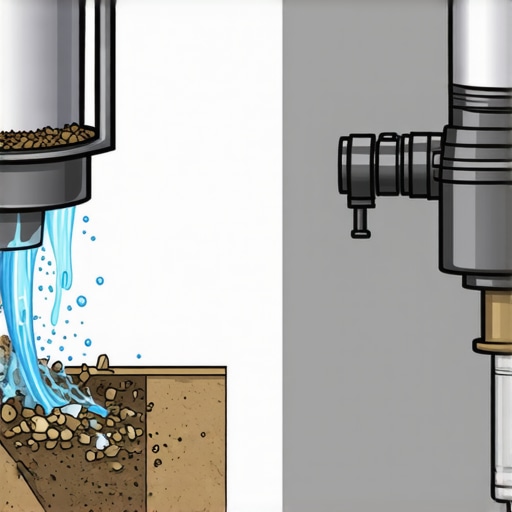
It was late on a Saturday afternoon when my dishwasher decided to give me a stubborn error code. I stood there, frustrated, mouthing, “Not again!”—and that’s when I realized something important. I’ve been there too many times, facing appliances that refuse to cooperate, and the truth is, many of us get stuck trying to diagnose what’s wrong. The nagging question is: is it a simple clogged filter, or has the pump totally kicked the bucket? This distinction can save you a fortune and countless headaches.
Decoding the Appliance Mystery: Why Understanding the Difference Matters
Sure, appliance issues can seem like an unending puzzle. But knowing whether you’re dealing with a clogged filter or a dead pump can make all the difference in how you approach repairs. Early on, I made the mistake of replacing parts prematurely because I didn’t realize a simple blockage was the culprit. That cost me extra time and money—and a lot of frustration. research shows that many minor clogs are fixable with a quick clean, preventing costly replacements. That’s why I want to help you avoid that same mistake. If your appliance isn’t working properly, asking the right questions can lead to faster, more affordable fixes. Have you ever faced a situation where your washer, dishwasher, or refrigerator suddenly stopped working, and you weren’t sure what caused it? If so, you’re not alone, and the good news is, this guide will help you distinguish between the two common issues and fix them confidently.
Is a Clogged Filter Really Worth the Hype?
When I first started troubleshooting appliances, I assumed a dead pump was the main villain behind failures. It seemed obvious—if the pump isn’t working, the appliance just won’t run. But early on, I overlooked a simple clog as a major cause of the problem. The mistake? Rushing to replace parts without checking for blockages. According to appliance repair experts, most appliance failures linked to pumps are actually caused by debris buildup that blocks water flow — a problem that’s often resolved with a thorough cleaning. So, is diagnosing a clog worth your time? Absolutely. Not only can it save you money, but it also prevents unnecessary part replacements. I’ve learned that patience and a bit of knowledge go a long way in appliance repair. Next, we’ll dig into how to identify these issues, so you can decide whether to clean or call in the pros. If you want reliable, quick service for your appliances, check out options for same-day repairs that come with insurance-backed warranties.
Check the Basic Before You Dive In
Start by unplugging your appliance to ensure safety. Examine accessible components like filters, hoses, or vents for obvious blockages or debris. I once tackled a dishwasher that wouldn’t drain; clearing out the filter and removing trapped debris resolved the issue without any tools. Doing this prevents unnecessary repairs and saves money.
Identify the Issue Clearly
Listen for strange sounds or note error codes displayed. Use your appliance manual or online resources to interpret codes; often, these point directly to clogged filters or faulty pumps. For example, my washing machine displayed a specific error that led me straight to the suspension springs versus a costly motor replacement.
Inspect and Clear Clogged Parts
Remove and Clean Filters and Screens
Locate filters, often at the bottom or behind access panels. Remove, rinse with warm water, and replace. I once found a tangled mess of lint and hair in my dryer filter, which, once cleaned, dramatically improved performance.
Check for Obstructions in Water Lines and Pumps
Disconnect hoses or access panels to inspect for debris blocking water flow. Use a flashlight to look for clogs; gently clear any blockage. During one repair, I used a pipe cleaner to remove buildup from a dishwasher’s drain port, restoring proper drainage.
Test Components After Cleaning
Reconnect power and run a short cycle. Observe if the issue persists. If the appliance operates normally, you’ve saved both time and money. For persistent problems, proceed with more advanced diagnostics or consider contacting same-day repair experts.
Decide When to Call a Professional
If cleaning doesn’t resolve the problem, or if you’re uncomfortable with disassembling parts, hiring trained technicians is wise. Proper installation and repair often require specialized tools and experience. Look for trusted professionals with warranty-backed services for peace of mind.
Many homeowners operate under common misconceptions about appliance warranties and repair services, leading to costly mistakes. One widespread myth is that extended warranties always guarantee better coverage, but in reality, many exclude crucial components or specific types of damage, making them less valuable than they seem. According to a study by Consumer Reports, nearly 60% of warranty claims are denied due to fine print exclusions, highlighting the importance of reading the terms carefully before purchasing. Another frequent misconception is that same-day service is always more expensive; however, many providers offer competitive rates for urgent repairs, especially if scheduled through trusted companies like same-day repair services that include warranty-backed solutions.
A nuanced point often overlooked is the difference between manufacturer and third-party repair services. While manufacturers may emphasize proprietary parts and techniques, independent technicians can often diagnose issues more quickly and at a lower cost, provided they have access to OEM-approved parts. This brings us to an advanced question:
How can consumers verify that a third-party repair shop uses genuine parts and adheres to quality standards?
Experts suggest requesting certification proof and reading reviews on trusted platforms. The importance of choosing reputable service providers is underscored by a 2024 report from the Appliance Safety Institute, which linked improper repairs to increased appliance failure rates. Moreover, many assume that installation is a straightforward process, but improper setup can void warranties or cause early breakdowns. Visit reliable installation guides to ensure your appliances are set up correctly, preserving warranty coverage and operational life.
Avoid falling into the trap of thinking that repairs are always necessary for minor issues; sometimes, simple cleaning or recalibration restores functionality without warranty claims or replacements. Staying informed about nuanced aspects of warranties and repair practices empowers you to make smarter decisions. Have you ever fallen into this trap? Let me know in the comments.
Invest in Quality Diagnostic Instruments
One of my go-to tools for appliance maintenance is a digital multimeter. I use it to accurately test electrical components like thermostats, motors, and switches. This device helps me distinguish between electrical faults and mechanical issues, saving time and guesswork. I personally prefer a multimeter with auto-ranging capabilities, such as the Fluke 117, because it simplifies testing and reduces errors, especially in tight spaces. Additionally, a refrigerant leak detector can pinpoint issues in cooling systems, which are often tricky to identify without specialized tools.
Leverage Software for Troubleshooting
Modern appliances often come with diagnostic modes accessible via their control panels or through manufacturer apps. I recommend using these diagnostic features combined with online technical manuals, which are invaluable for deep troubleshooting. For instance, consulting the service manuals from independent sources like this guide has saved me countless hours. Using these resources ensures you can identify error codes accurately and proceed with targeted fixes, reducing unnecessary repairs and downtime.
Routine Maintenance as a Preventive Tool
Keeping appliances in top shape involves regular check-ups. I schedule quarterly inspections for filters, belts, and seals. Lubricating moving parts and cleaning vents prevent buildup that leads to malfunctions. For example, a simple service like replacing worn door seals in refrigerators can extend their lifespan significantly. Having a set of common maintenance supplies—like silicone lubricant, cleaning brushes, and replacement filters—on hand streamlines the process and avoids emergency breakdowns.
Long-Term Results: Build Your Repair Toolkit Over Time
As I gather more experience, I accumulate a personalized toolkit tailored to my appliances. This includes a set of micro screwdrivers, a flexible inspection mirror, and a thermal camera for detecting heat anomalies. These tools not only expedite repairs but also improve safety by allowing me to diagnose issues without unnecessary disassembly. Over time, I’ve found that investing in high-quality tools yields better results and reduces frustration during repairs.
Preparing for Scale and Complexity
When managing multiple appliances or larger systems, I recommend adopting a systematic approach. Categorize tools and maintenance routines by appliance type and complexity. Using professional-grade diagnostic tablets synced with cloud data helps track repair history and schedule preventive maintenance. This forward-thinking strategy minimizes unexpected failures and ensures appliances serve reliably over many years. Looking ahead, I predict that integrating IoT diagnostics into your maintenance routine will become standard, offering real-time alerts and automated troubleshooting.
How do I maintain appliance efficiency over time?
Maintaining peak performance involves not just repairs but proactive practices. Regularly updating firmware for smart appliances can fix bugs and improve efficiency. Scheduling professional check-ups based on manufacturer recommendations, such as those detailed in top tips for same-day service, ensures issues are caught early. Also, documenting every repair helps identify recurring problems, enabling targeted long-term fixes. For example, tracking error code patterns might reveal small component wear before total failure, saving costs. Finally, leveraging tools like thermal cameras—such as the Fluke TiS55—allows you to spot overheating components early, preventing major breakdowns. Don’t wait until an appliance completely fails; regular maintenance with the right tools keeps your home running smoothly.
What I Wish I Knew When Starting Out
One of the biggest lessons I learned was that patience beats haste. Jumping straight to replacing parts without thorough diagnosis often leads to unnecessary expenses. Taking the time to understand whether the issue is a simple clog or a serious pump failure saved me hundreds. I also discovered that a little knowledge about appliance systems boosts confidence and reduces reliance on costly professionals—though knowing when to call in the experts remains crucial.
Tools and Resources That Changed My Approach
Over time, I curated a toolkit that includes a reliable digital multimeter and an infrared thermometer, which help identify electrical faults and overheating parts early. I also rely on online manuals and trusted repair guides—like those found on this resource—to deepen my understanding and troubleshoot effectively. Investing in quality tools and reputable information sources makes every repair more manageable and less stressful.
Turning Frustration into Mastery
The real transformation happened when I stopped viewing appliance repairs as daunting puzzles and started seeing them as manageable challenges. Each successful fix builds my confidence and enhances my skills. Remember, every expert was once a beginner who took small steps—so don’t hesitate to start. Regular maintenance, combined with proper diagnostics, not only extends your appliances’ lifespan but saves you money and peace of mind.
Embrace the Journey of Home Repair
Every repair is an opportunity to learn, save, and empower yourself. Whether it’s cleaning a stubborn filter or identifying a hidden electrical issue, the knowledge you gain today prepares you for more complex challenges tomorrow. I encourage you to trust your growing skill set, make use of trusted resources, and when in doubt, reach out to reputable same-day repair experts who stand behind their work. Your appliances—and your wallet—will thank you.