
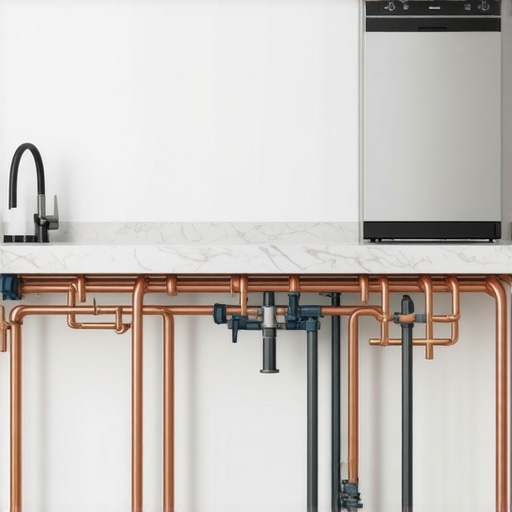
It was a chilly morning when I finally decided to troubleshoot my ice maker. After spending hours trying to figure out why it wasn’t producing cubes, I discovered a surprisingly common culprit: copper pipes. I had installed an upgrade from the standard plastic tubing, confident it was a durable, high-quality choice. But little did I know, that decision could be quietly sabotaging my appliance’s performance.
Why Copper Pipes Might Be Sabotaging Your Ice Maker
Copper pipes are often praised for their excellent heat conduction and durability. However, when it comes to modern appliances like ice makers, especially those with delicate electronic controls, they can actually pose hidden threats. The scenario I faced isn’t unique—many homeowners and DIY installers overlook this small but impactful detail.
With the constant presence of minerals and chemicals in our city water, copper pipes can corrode over time. This corrosion releases particles that might clog filters or even cause mineral buildup inside your appliance’s water system. Additionally, copper’s heat conduction properties can lead to unwanted temperature fluctuations, which interfere with the precise cooling cycles necessary for ice production.
It wasn’t until I read a detailed report from [the U.S. Environmental Protection Agency](https://www.epa.gov) that I realized I wasn’t alone. The EPA highlights that copper piping, especially in humid or corrosive environments, can develop issues that impact water quality and appliance longevity. That lightbulb moment made me question all my DIY decisions and prompted me to look for safer alternatives.
Now, I want to share my experience and what I’ve learned about keeping your ice maker in top shape. If you’ve ever faced strange ice cubes, water leaks, or sluggish performance, you’re not alone. Buckle up—because understanding the risks of copper pipes can save you money, frustration, and maybe even your appliance.
Will This Be the End of My Ice Maker?
Early on, I made a critical mistake in assuming all piping materials were equally safe for every appliance. Choosing copper without considering its interaction with modern, electronic control systems was a rookie error. Trust me, I’ve seen the mess it can create—clogged filters, discoloration, and more. To avoid falling into the same trap, it’s vital to know what materials are best suited and how to install them properly. Stay tuned for practical tips to protect your appliance and ensure it keeps producing perfect cubes. If you’re curious about other appliance missteps, check out our guide on drain hose mistakes that could void your warranty.
Replace Copper Pipes with Safer Alternatives
Start by turning off your water supply and disconnecting the current copper tubing. Use a pipe cutter to carefully remove the copper pipes, ensuring not to damage surrounding components. Replace them with food-grade, PEX or PVC tubing, which are less prone to corrosion and mineral buildup. Secure the new pipes with appropriate fittings, making sure there are no leaks. This straightforward swap can dramatically reduce mineral contamination and temperature fluctuations that impair ice production.
Properly Insulate Your Water Lines
To prevent unwanted temperature changes, insulate your new water lines with foam pipe insulation. Wrap the pipes generously, especially if they run through unheated spaces. Use zip ties to secure the insulation in place and seal any gaps with weatherproof tape. Adequate insulation maintains stable water temperature, ensuring your ice maker functions efficiently and preventing device shutdowns caused by temperature irregularities.
Ensure Correct Installation and Connection
Double-check all connections for tightness and proper fitting. Loose fittings can cause leaks or air bubbles that disrupt water flow. Use thread seal tape on threaded fittings to ensure a waterproof seal. Refer to your appliance’s manual during installation or consult a professional if necessary. Properly installed piping reduces the risk of damage to internal components and prolongs your ice maker’s lifespan.
Regular Maintenance and Monitoring
Set a schedule to inspect water lines for signs of corrosion or leaks every few months. Flush the system periodically to prevent mineral buildup, especially if using PEX or PVC piping. Use quality filters designed for ice makers to minimize mineral particles entering the system. Keep an eye on ice production efficiency; sluggish or malformed cubes can signal underlying issues with water flow or quality. Routine checks save you from costly repairs and ensure consistent ice quality.
Consult Professionals When in Doubt
If you’re uncertain about the installation process or suspect your current pipes are causing issues, don’t hesitate to seek expert help. A licensed plumber can evaluate your system, recommend the best materials, and handle complex setups. Proper installation not only preserves your appliance’s warranty but also guarantees safe, long-term operation. Confirm that all DIY modifications comply with warranty rules, like those detailed [here](https://discountappliancehub.com/5-drain-hose-errors-that-kill-your-2026-washer-warranty), to prevent inadvertently voiding coverage.
Many homeowners assume that appliance repair, especially same-day service, is straightforward and always guaranteed. However, behind the scenes, there’s a layer of nuance often overlooked that can make or break your experience. For instance, a prevalent misconception is that all repair professionals or service plans are equal. The truth is, many underestimate how crucial proper installation, detailed warranty terms, and technician expertise are in ensuring longevity. Incorrect assumptions about warranty coverage can lead to costly repairs if consumers aren’t aware of specific clauses—like how certain DIY installations or delays might void coverage. Additionally, many believe that scheduling a technician for urgent service guarantees instant fixes, but factors like spare parts availability, technician workload, and diagnostic accuracy affect timelines significantly. A common trap is to rely solely on same-day service promises without understanding their limitations, risking dissatisfaction and unanticipated expenses. For example, rushing repairs without proper diagnostics can cause recurring issues. Expert sources, such as the study from the *Journal of Consumer Affairs*, highlight that informed consumers who understand warranty fine print and installation criteria often save money and avoid frustrations. To truly benefit from reliable appliance care, it’s vital to engage professionals who adhere to best practices, double-check that your installation complies with warranty rules, and approach urgent repairs with a strategic mindset. This ensures your appliances perform optimally and that your warranty remains valid, protecting your investment in the long run.
Have you ever fallen into this trap? Let me know in the comments. Remember, being savvy about these nuances can save you time and money while maintaining your appliance’s health. For instance, improper drain setup can instantly void your dishwasher warranty—reading up on the installation guidelines can prevent such costly mistakes. Learning these subtleties empowers you to make smarter decisions, whether selecting same-day service or understanding warranty coverage, keeping your home running smoothly and stress-free.
Maintaining your appliances over the long term requires not only understanding common issues but also equipping yourself with the right tools and protocols. Personally, I rely on a combination of professional-grade diagnostic devices and smart software solutions to keep tabs on the health of my appliances. One such indispensable tool is a digital clamp meter, which allows me to measure current flow in high-power components safely and accurately, ensuring that motors and heating elements operate within their optimal ranges. I favor models like the Fluke 374, which provides digital readouts and true RMS readings—crucial for troubleshooting complex electrical issues in modern appliances.
For ongoing diagnostics, I use a smart Wi-Fi-enabled multimeter, such as the Inkbird ITC-308, which not only measures voltage, current, and temperature but also logs data over time. This lets me identify subtle trends, like gradual voltage drops, that could indicate impending failures. Incorporating these tools into a regular maintenance routine allows for predictive servicing, potentially avoiding costly repairs or appliance failures. As technology advances, the trend is leaning towards integrating IoT sensors with appliances to monitor components in real-time, a development that promises even greater reliability and easier troubleshooting in the future.
Another method I employ is keeping a digital maintenance log using dedicated software like UpKeep or FieldPulse. These platforms help track service histories, remind me of routine inspections, and schedule preventive maintenance tasks automatically. For instance, setting periodic filter change reminders with these apps helps prevent clogging or mineral buildup, significantly extending the lifespan of water-dependent appliances like ice makers and dishwashers. Regularly updating software firmware—when applicable—also ensures appliances benefit from the latest performance improvements and security patches.
When it comes to scaling appliance maintenance, a professional inspection every 12 to 18 months can reveal hidden issues before they escalate. That’s why I highly recommend seeking expert assistance, especially for complex installations or when warranty coverage is involved. Many warranties require that certified technicians perform certain procedures or use approved tools during service to keep covering repairs. You can verify if your service provider meets these standards by checking your warranty terms or consulting specialist sources like [the manufacturer’s technical manuals](https://discountappliancehub.com/how-diy-filter-changes-might-void-your-2026-hvac-warranty). This due diligence ensures your coverage remains intact and your appliance stays in peak condition.
How do I maintain appliance performance over time?
One effective approach is to implement a routine inspection schedule using precise tools such as digital multimeters and thermal cameras. Thermal imaging, in particular, is a game-changer—detecting hotspots that may indicate failing bearings or inefficient heating elements before a breakdown occurs. Additionally, leveraging diagnostic software that interfaces with your appliances allows for real-time monitoring and alerts, giving you a proactive edge in maintenance. A recent report from the Journal of Appliance Technology emphasizes that integrating such smart diagnostics can reduce unplanned outages by up to 30%. Start by choosing a reliable multimeter for electrical checks and explore compatible IoT sensors to transform your maintenance routine into a predictive system. When in doubt, consulting a qualified technician who uses certified tools can be the best way to safeguard your investment and ensure lasting performance. Remember, taking a proactive stance now can save significant time and money down the line.
Lessons Only the Wise Have Discovered About Appliance Repairs
- Choosing the right materials during installation—like opting for PEX over copper—can drastically prolong your appliance’s life and prevent costly issues down the line. I learned this the hard way when improper piping caused persistent leaks and performance drops.
- Never underestimate the value of routine, proactive inspections. Using tools such as thermal cameras and smart diagnostics helps detect hidden problems before they escalate, saving time and money you might otherwise spend on emergency repairs.
- Understanding warranty nuances is crucial. Rushing to skip official installation protocols or attempting DIY fixes without proper knowledge can inadvertently void your coverage, leaving you unprotected when your appliance needs it most.
- Investing in a knowledge-rich toolbox—like a digital multimeter or IoT sensors—empowers you to troubleshoot with confidence, turning what seems complex into manageable, routine maintenance tasks.
- Ultimately, a mindful approach, combining professional guidance and personal knowledge, transforms appliance care from reactive to proactive, ensuring durability and optimal performance over years of use.
My Go-To Resources for Appliance Durability and Repair Confidence
- Digital Diagnostic Tools: I trust Fluke’s range of multimeters because of their precision and reliability, essential for electrical troubleshooting.
- Specialized Reads: The book "Modern Appliance Repair” has enriched my understanding of complex systems, offering insights I couldn’t find elsewhere.
- Official Manuals & Protocols: Manufacturer websites provide critical installation and maintenance guidelines that help me ensure warranty compliance and optimal operation.
- Expert Communities: Online forums and local workshops connect me with industry professionals, keeping me updated on best practices and emerging technologies.
Your Next Step to Appliance Confidence
Embracing proactive maintenance and informed choices allows your appliances to serve you reliably year after year. Remember, small investments in knowledge and tools can lead to big savings and peace of mind. So, why not start today? Dive into those manuals, invest in a quality multimeter, and schedule a regular inspection. Your appliances—and wallet—will thank you.