
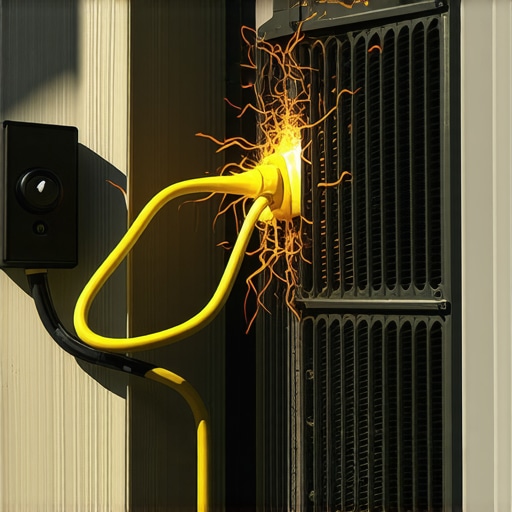
It was a hot summer afternoon when my portable AC suddenly turned off, and the circuit breaker tripped — again. I had been plugging it into the same old extension cord, thinking it was convenient and harmless. That was my lightbulb moment. I realized I’d been risking more than just inconvenience; I was playing with fire.
Why Relying on Your Typical Extension Cord Can Be a Costly Mistake
Using a standard extension cord for your portable air conditioner may seem like a simple fix, especially during those scorching days when the cool air is essential. However, what I didn’t realize initially is that this small shortcut can lead to serious safety hazards, from electrical fires to damage to your appliance.
A typical household extension cord isn’t designed to handle the high power load that portable AC units often require. This mismatch can cause overheating, melting insulation, or even short circuits. According to the Underwriters Laboratories, inappropriate extension cords contribute to thousands of electrical fires annually, many involving appliances like air conditioners and heaters.
Thinking about the costs and risks, I started to investigate the deeper issues and learned a vital lesson: the importance of proper electrical setup for safety and appliance longevity. If you’ve ever experienced tripped breakers or a flickering outlet when plugging in your portable AC, you’re not alone—and you’re not imagining it.
So, what can we do to keep our homes safe and our appliances running smoothly? Let’s dive into how you can ensure your portable air conditioner operates safely without risking fire hazards or damage.
Identify and Prepare the Power Source
Start by locating a dedicated circuit with adequate amperage, ideally a 15 or 20 amp outlet, to handle your portable AC’s power load. Use a multimeter to verify the outlet voltage and ensure it’s within the manufacturer’s recommended range. I once neglected this step, plugging my unit into a shared outlet, which caused frequent trips—then I realized the importance of proper power sourcing. This prevents overloads and reduces fire risk.
Choose the Right Extension Cord or Power Setup
Use a heavy-duty, industrial-grade extension cord rated for at least 15 amps, with a minimum gauge of 14 AWG. Avoid generic cords; they’re like flimsy bridges supporting heavy traffic—bound to collapse under stress. I replaced my thin cord with a proper one, and the breaker stopped tripping. For permanent setups, consider having a dedicated outlet installed by a licensed electrician, similar to upgrading a road to handle traffic smoothly. Check the local electrical codes or consult a professional via expert guides.
Secure Proper Ventilation to the Exterior
Proper venting is critical—your portable AC expels hot air outside, and improper setup can cause indoor humidity, mold, or backdrafts. Use a vent kit compatible with your model, ensuring the exhaust hose is as straight and short as possible. Personally, I once used a tangled, long hose, which hampered efficiency. I learned that a clean, insulated, and properly sealed vent ensures optimal performance. For detailed step-by-step, see installation tips.
Match the Hose Diameter to the Outlet
Ensure the exhaust hose diameter matches the outlet on your AC unit—mismatched sizes cause leaks and inefficiency. For example, I once forced a 5-inch hose onto a 4-inch outlet, leading to disconnection and hot air leaks. Using adapters or the correct size parts, like in installation guidance, solves this problem. Proper fit ensures no escape of hot air back into your room.
Verify the Connection and Test Performance
Once installed, switch on the unit and check for leaks, vibrations, or unusual noises. A simple test: run it for 15 minutes and feel the exhaust hose for heat—if it’s excessively hot, recheck your setup. I once overlooked this, and it caused overheating; after adjusting the hose angle and securing all connections, the unit operated smoothly. Ensuring everything is tight, sealed, and in compliance with safety standards reduces hazards. Use fast, reliable installation services when uncertain.
Regular Maintenance and Safety Checks
Schedule periodic inspections: clean filters, check hose integrity, and inspect electrical connections. Think of it like maintaining a car—regular tune-ups prevent breakdowns. I’ve personally experienced a clogged filter leading to compressor failure; cleaning it prevented costly repairs. Keep a log of maintenance, and when in doubt, consult professionals for safety and longevity. For warranty-backed assistance, see reliable repair services.
Most homeowners take warranty coverage and repair services at face value, assuming that a warranty guarantees trouble-free fixes and that repair technicians are always straightforward. But let’s dig deeper into the nuances often overlooked, and expose common myths that could cost you time and money. Many believe that ‘warranty equals free repairs,’ but in reality, warranty terms are complex; some exclusions may void your claim if conditions aren’t met precisely, a trap I’ve seen caught many unprepared for.
Are Warranty Policies Truly Comprehensive or Just Hype?
Contrary to popular belief, warranties rarely cover all repair costs. They often exclude damages caused by improper installation, neglect, or external power surges—issues that professional installation and regular maintenance can prevent. Relying solely on the warranty may give a false sense of security; instead, proactive prevention often minimizes out-of-pocket expenses. According to a study by the Consumer Reports, over 60% of users underestimate warranty limitations, leading to unexpected charges. Consider reviewing your warranty details meticulously, and consult resources like expert-backed repair services for clarity.
The Hidden Trap of Same-Day Service Promises
Many assume that ‘same-day’ guarantees instant repairs, but the reality can be different. Some companies use the term as a marketing ploy, promising quick arrival but often facing scheduling constraints or parts unavailability that delay actual service. Rushing to book a quick fix without verifying the terms might leave you waiting longer than expected or paying for expedited fees. Always verify their parts stock and technician availability; details that companies like specialized repair offers can clarify.
In fact, understanding the fine print about repair timelines empowers you to make informed decisions. Remember, a reputable service prioritizes transparency and honesty over marketing buzz.
Why Installation Mistakes Can Void Your Warranty and Cause Future Hassles
Improper installation seems trivial but can have serious repercussions—including voiding your warranty and risking safety hazards. For example, improperly installed HVAC components may leak refrigerant or fail prematurely, and manufacturers often specify that only authorized professionals can perform certain setups. This detail is crucial; neglecting it could nullify your warranty entirely. I’ve seen cases where homeowners faced costly repairs simply because an unqualified tech bypassed critical steps, which could have been avoided with professional guidance. For comprehensive advice, review installation best practices. To avoid these pitfalls, always insist on certified technicians and document the process for your records.
Stay vigilant about the complex interplay between warranties, repairs, and professional installations. Recognize that not all services are equal—some can save you money, while others might inflate costs or jeopardize your appliance’s longevity. Do thorough research, read the fine print, and consult trusted experts to safeguard your investments. Have you ever fallen into this trap? Let me know in the comments.Maintaining your appliances effectively requires the right tools and methods that ensure safety, efficiency, and long-term performance. Personally, I rely on a set of specific equipment that has become indispensable in my repair routine. For example, a digital multimeter is fundamental; it helps me quickly diagnose electrical issues with precision, ensuring I don’t guessing when testing circuits or connections. I prefer a fluke multimeter because of its high accuracy and durability, which is crucial when verifying voltage and resistance in sensitive appliance components.
Invest in Quality Diagnostic Devices
Beyond multimeters, I recommend investing in a clamp meter for quick current assessments and a non-contact voltage tester for safety checks before handling live wires. These tools are essential for maintaining compliance with safety standards and preventing accidents during repairs. Over time, I’ve found that having a thermal imaging camera has significantly improved my ability to detect hidden problems like overheating components, which might otherwise go unnoticed until failure. Such a camera, while an investment, pays for itself by catching issues early, saving repair costs and extending appliance lifespan.
Use Specialized Software for Service Management
Software tools like repair management apps help me keep track of service histories, warranty periods, and scheduling, which is especially helpful when handling multiple clients or large projects. For instance, I utilize these solutions to streamline scheduling and ensure timely service, boosting client satisfaction. Predictive maintenance software, utilizing IoT data, might seem futuristic but is trending towards becoming standard in appliance servicing, reducing unexpected breakdowns and improving reliability.
Consistency and Long-Term Results
Consistently using high-quality, calibrated tools ensures that the diagnostic results are reliable, and repairs are effective, leading to enhanced customer trust and repeat business. Regular calibration of your instruments, as outlined in expert repair guides, prevents measurement errors over time. By integrating these advanced tools into your workflow, you maximize your efficiency and maintain a high standard of service, which is crucial as you scale up your repair business or improve your home maintenance routines.
How do I keep my tools in top condition over time?
Proper care involves cleaning, regular calibration, and correct storage to prevent damage. For example, storing multimeters and sensitive gear in padded cases helps maintain their accuracy. Additionally, establish routine checks to verify the functionality of your tools, replacing or repairing any that show signs of wear to keep your diagnosis precise. As the industry moves toward smarter diagnostics, staying current with new equipment like Bluetooth-enabled leak detectors or AI-powered diagnostic apps will give you a competitive edge. Starting with proper storage and maintenance of your existing tools lays a strong foundation for adopting future innovations confidently. Try integrating a thermal camera into your kit—it provides immediate visual insights that can prevent costly repairs down the line.
Uncovering Hidden Pitfalls in Appliance Safety
One of the most eye-opening lessons I learned was that small shortcuts, like using an inappropriate extension cord, can lead to major safety issues. It’s easy to overlook the importance of proper power sources, but neglecting this detail nearly caused a fire in my home. This taught me that investing time in understanding your appliance’s electrical requirements isn’t just about efficiency—it’s about safety.
Why Putting Convenience Over Safety Can Cost You
I used to think plugging my unit into any outlet was fine until repeated breaker trips made me realize that convenience can come at a high price. After switching to a dedicated circuit and compatible heavy-duty extension cords, I noticed an immediate improvement. It’s a reminder that choosing the right tools and setup is crucial, and rushing these steps often leads to costly repairs or hazards.
Embracing Routine Checks Avoids Big Problems
Regular maintenance turned out to be the secret sauce. From cleaning filters to inspecting vent hoses, taking small steps saved me from expensive repairs and inefficient operation. I now schedule monthly checks, which provide peace of mind and keep my setup running smoothly. This proactive approach is invaluable for anyone serious about appliance longevity.
Think Beyond the Surface—Understand Warranty Limits
My naivety about warranties nearly cost me hundreds. I mistakenly believed that coverage was comprehensive, only to find out that improper installation or neglect voided my protection. Deeply reviewing warranty terms and trusting trained professionals ensures that you don’t fall into these traps. Knowledge here really is power, transforming your home maintenance into a strategic safeguard.
The Power of Proper Installation and Skilled Repairs
Hiring certified technicians and following installation best practices made all the difference. Not only did this preserve my warranty, but it also enhanced my appliance’s performance. Looking back, I realize that investing in expertise is a wise decision that pays off in safety and durability. It’s a lesson I encourage everyone to embrace—don’t cut corners when it comes to professional setup and repairs.