
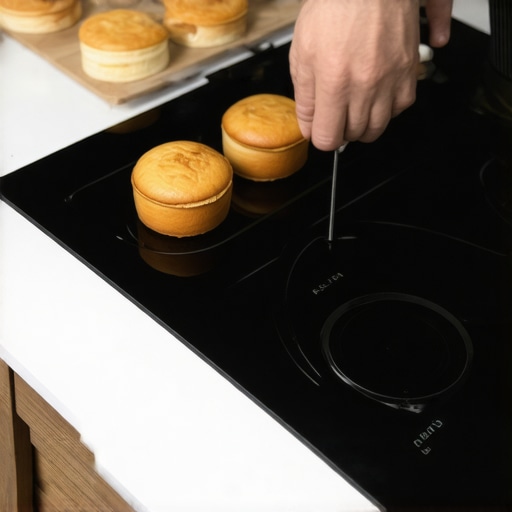
It was a morning like any other, except I noticed my cake was leaning to one side, and the bottom was slightly burned while the top remained undercooked. Frustration flooded me—how could something as simple as a range cause such chaos in my kitchen? That lightbulb moment made me realize I had been neglecting the importance of proper leveling, and it was affecting more than just my baked goods. If you’ve ever faced uneven baking or wondered why your cakes turn out lopsided, this post is for you.
Why Proper Range Leveling Can Make or Break Your Baking Results
In my early days of home baking, I thought a level range was mostly a matter of aesthetics or conformity. Turns out, it’s a critical factor impacting heat distribution, cooking times, and overall appliance longevity. An unlevel range can lead to uneven baking—your cakes might lean, pastries might burn on one side, and even your roasts could cook inconsistently. Plus, an improperly leveled appliance puts extra stress on components, increasing the risk of early failure.
According to appliance experts, ensuring your range is perfectly level is one of the simplest yet most overlooked steps in maintenance, and failure to do so can compromise both your food and the lifespan of the appliance. This realization pushed me to learn the proper way to level my range, which I want to share with you.
Have you ever tried to fix your oven or stove only to find it stubbornly tilting despite adjustments? That was me at first—a mistake I made early on was assuming all ranges are perfectly adjustable without proper tools or techniques. Trust me, that’s a mistake worth avoiding. Now, I want to guide you through the straightforward steps I’ve adopted to ensure your range sits flawlessly, baking and cooking as it should.
But before we dive into the how-to, let’s address a common worry: is this really worth the effort? Let’s explore that next.
Gather Your Tools and Prepare
Start by collecting a reliable spirit level or a laser level. I recommend a standard bubble level because it’s straightforward and budget-friendly. Clear the area around your range to have unobstructed access. As I did one Saturday morning, I pulled out my tools and laid a towel on the floor to catch any small parts that might fall.
Check the Existing Level
Place the level across the front of your range, ensuring it sits evenly on both sides of the cooktop or oven door. If the bubble is centered, your range is already level. In my case, it was tilted forward, causing uneven heat distribution and a slight wobble. Remember, even a small tilt can significantly affect your cooking results.
Adjust the Leveling Legs
Most ranges have adjustable legs or leveling feet. Use a wrench or pliers to turn these legs clockwise or counterclockwise. For my range, I turned the front left leg upward by a quarter turn, then re-checked with the level. It’s like fine-tuning a bicycle seat—small adjustments can make a big difference.
Deal with Sticky or Rusted Legs
If the legs are stuck due to corrosion, apply a penetrating oil like WD-40 and wait a few minutes before trying again. I faced this when trying to adjust mine and found that patience saved me from stripping the threads. If you can’t loosen a leg, consider professional help or a quick replacement from an appliance parts store.
Recheck the Level
After each adjustment, re-place the level and verify. Repeat the process until the bubble is centered in both directions. This iterative approach, much like tuning a guitar, ensures precision. I spent about 10 minutes adjusting before my range was perfectly level.
Secure the Legs
Once satisfied, tighten the lock nuts on the leveling legs to prevent future shifts. Over time, vibrations or accidental bumps can undo your work. Think of this as locking in your settings to maintain consistency in baking or roasting.
Final Verification and Cleanup
Double-check the level after locking the nuts. Clean up any debris or tools, and replace any moved items around the range. With my range now perfectly level, I noticed more even baking and less of that annoying wobble during use.
When to Call a Professional
If your range isn’t adjustable due to damage or if the leveling legs are missing or broken, it’s wise to consult an expert. Professional technicians can also perform a comprehensive check-up to ensure your entire appliance functions correctly. For reliable, quick assistance, consider [same-day service](https://discountappliancehub.com/same-day-appliance-repair-quick-solutions-with-warranty-support) to avoid delays or mishaps.
While many believe they understand appliance repair and service processes, misconceptions often lead to costly errors. One prevalent myth is that all repair shops are equal; however, some third-party providers may lack factory authorization, affecting warranty coverage and repair quality. According to a study by Consumer Reports, relying solely on price comparisons without verifying credentials can result in subpar repairs and voided warranties. Many homeowners assume that same-day service is always available; in reality, scheduling conflicts and technician availability can lead to delays, highlighting the importance of understanding your service provider’s capacity. Additionally, some think that a warranty covers everything, but detailed terms often exclude consumables or certain damage types. For instance, neglecting to familiarize oneself with warranty terms can result in denied claims during emergencies, as outlined in expert guides on maximizing warranty benefits. When it comes to installation, amateurs might overlook critical details like proper drainage, supporting structures, or safety codes, leading to future malfunctions or safety hazards. An incorrect installation may also impair device performance and longevity, emphasizing the need for professional attention, as recommended by industry standards. The nuanced reality is that straightforward expectations—such as instant repairs or comprehensive coverage—are often overly simplistic. Advanced mistakes include attempting DIY repairs without proper knowledge, risking further damage or voiding warranties. For example, ignoring calibration procedures for new appliances can cause inaccurate operation, a detail overlooked by many. To avoid these pitfalls, always verify your repair technician’s credentials, understand warranty coverage limits, and trust professional installation services. Want to ensure your appliances function reliably? Explore our warranty-backed services for peace of mind. Have you ever fallen into this trap? Let me know in the comments.Maintaining your appliances over time requires the right tools and techniques to ensure longevity and optimal performance. I personally rely on a digital multimeter for electrical diagnostics—it’s precise, easy to use, and I’ve found that consistent voltage checks prevent unexpected breakdowns. For mechanical parts, I recommend a quality grease gun and a set of hex sockets; these allow me to lubricate hinges and adjust screws without causing damage. For example, using a silicone-based lubricant on door seals not only preserves the elasticity but also prevents leaks, extend- ing the appliance’s lifespan. Additionally, a reliable infrared thermometer is invaluable for measuring surface temperatures during troubleshooting, helping to identify overheating components early before costly repairs ensue.
How do I maintain my appliances over time?”
Beyond manual tools, software-based diagnostics have become increasingly relevant. Many modern appliances come with service apps or built-in diagnostic modes that can reveal error codes or operational issues before they escalate. In the future, I foresee an expanding integration of IoT devices that will alert homeowners to maintenance needs proactively, possibly even ordering parts or scheduling service automatically. To stay ahead, I recommend regular check-ups and leveraging these smart diagnostics.
One critical aspect I emphasize is keeping detailed logs of maintenance activities and repairs. This habit simplifies warranty claims and guides technicians when service is needed. If you haven’t yet adopted a maintenance log, consider using a dedicated notebook or a simple spreadsheet to track what’s been checked or replaced. Remember, early detection saves money and prolongs appliance life. For expert assistance with complex diagnostics or long-term maintenance plans, don’t hesitate to reach out. Regular maintenance, combined with the right tools and knowledge, helps keep your appliances running smoothly for years to come. Take the initiative now by investing in a high-quality multimeter and scheduling your routine checks.
Lessons that Changed My Approach to Appliance Care
One of the most eye-opening lessons I learned was how a seemingly minor adjustment, like properly leveling my range, could dramatically enhance my cooking and extend the appliance’s lifespan. I used to overlook these small tweaks, assuming they weren’t worth the effort, but now I see their true value.
Another key insight was understanding that a level appliance isn’t just about aesthetics; it directly affects heat distribution and cooking consistency. This realization prompted me to develop a systematic approach to maintenance, ensuring my appliances perform reliably every day.
Finally, I discovered that investing in quality tools and knowing when to call professionals can save time, money, and frustration. DIY fixes are satisfying, but recognizing your limits and seeking expert help when needed can prevent costly mistakes and damage.
My Go-To Resources for Appliance Precision
- Trusted Tools: A reliable bubble level and adjustable wrenches are my essentials. They make the process straightforward and accurate, and I trust them for their durability and precision.
- Expert Guides: I recommend visiting reputable home improvement platforms and appliance manufacturer manuals—they provide step-by-step instructions and safety tips that I rely on heavily.
- Community Knowledge: Online forums and local appliance repair stories offer real-world advice and troubleshooting tips that have helped me navigate tough situations without panic.
- Professional Assistance: When in doubt, I turn to certified technicians. They are trained to spot underlying issues that might not be obvious, ensuring long-term performance.
You Have the Power to Elevate Your Appliance Game
Taking charge of your appliances, starting with simple tasks like leveling your range, can make a lifelong difference. It’s about more than just fixing; it’s about creating a home where every device works harmoniously, safely, and efficiently. Don’t underestimate how small actions today can lead to big improvements tomorrow. Ready to elevate your appliance care? Whether you’re planning a professional installation or tackling maintenance yourself, every step forward builds confidence and comfort. Your appliance journey begins now—trust yourself to make informed, bold choices.