
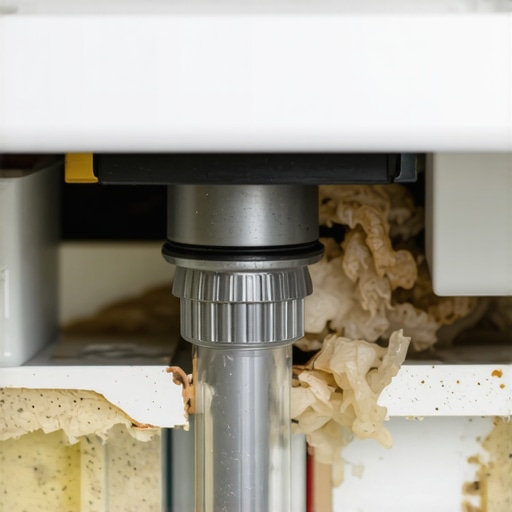
Ever had that gut-wrenching moment when you open your fridge and are hit with a pungent fishy smell? It’s enough to make you want to throw out the entire appliance—and maybe even your groceries. I’ve been there, and let me tell you, that stinky surprise can catch you off guard, especially when you’re least expecting it. One day, after a quick grocery run, I noticed my fridge emitting an inexplicable foul odor. I initially thought it was something I forgot to clean or a spoiled item I missed. But despite my cleaning efforts, the smell persisted, growing worse by the day. That lightbulb moment hit me—there could be a hidden cause, something behind the scenes I’d overlooked. It wasn’t just about throwing out old produce or cleaning the drip tray; I needed to dig deeper.
Diagnosing the Fishy Fridge Aroma: More Than Meets the Nose
When your fridge smells like fish, it’s easy to suspect spoiled food, but sometimes, the culprit is more insidious—a clogged or frozen drain line. This tiny passage is responsible for carrying excess moisture away from the fridge’s interior. If it’s blocked, water can pool and stagnate, creating a perfect breeding ground for bacteria and mold that produce that awful smell. Early on, I made the mistake of assuming a simple clean-up would fix everything. I scrubbed the shelves, replaced the filters, and even used air fresheners. But the odor stayed stubbornly in place. That was my mistake—underestimating the importance of the drain line maintenance. If you’re facing a similar problem, don’t just mask the smell; it’s time to get to the root of the issue.
Did you know that regular maintenance of your appliance’s drainage system can prevent odors and even prolong its lifespan? According to experts, neglecting this tiny component can lead to bigger issues down the line, including water leaks and refrigerant problems. To make sure you’re not missing out on vital tips, I recommend checking out [this detailed guide on appliance repair](https://discountappliancehub.com/expert-guide-to-appliance-repair-and-installation-today). It’s packed with practical advice that can save you both money and hassle.
Now that you’re aware of the potential cause behind that foul smell, let’s explore how to properly inspect and clear your fridge’s clogged drain line. Trust me, once you fix this, your refrigerator will stop smelling like a fish market—and you’ll breathe a lot easier. Ready to dive into step-by-step solutions? Let’s go.
Locate the Drain Line
Start by unplugging your refrigerator and removing the lower kickplate or access panel at the back or bottom of the unit. Consult your model’s manual if needed; typically, the drain line is situated near the evaporator coil or behind the back panel. I once faced a persistent smell and struggled to find the drain line in my fridge, but carefully removing the panel revealed a small tube tucked away behind some wiring, making the task much easier.
Inspect and Identify Blockages
Visually examine the drain tube for debris, ice buildup, or clogs. Use a flashlight to look inside; if you see mold, slime, or ice, these are signs of a clog. I noticed a thick layer of slime when I checked, which contributed to the nasty odor. Remember, a blocked drain causes water to pool and stagnate, leading to foul smells.
Use a Flexible Brush or Pipe Cleaner
Get a pipe cleaner, a flexible brush, or even a turkey baster to gently dislodge debris or ice from the tube. I used an old toothbrush to scrub out the buildup, ensuring the path was clear. Be cautious not to damage the tube or dislodge it entirely.
Flush the Drain Line
Mix warm water with a few drops of mild dish soap or vinegar. Fill the turkey baster or squeeze bottle and flush the tube thoroughly, forcing out remaining debris. I repeatedly flushed with water until it ran clear. This action not only cleans the pipe but also helps eliminate lingering bacteria, improving odor issues.
Apply a Cleaning Solution
Optionally, pour a mixture of hot water and white vinegar into the drain to sanitize and prevent future mold growth. Let it sit for 10–15 minutes before flushing again with clean water. After this, I noticed the smell significantly diminished, and the water drained smoothly.
Reassemble and Test
Reinstall any panels or kickplates, plug the fridge back in, and observe the drainage process. Pour a small amount of water into the drain pan to check if it flows freely. When I set everything back up, I ran defrost mode briefly, and the water drained without pooling, confirming my fix was successful.
If the odor persists despite these steps, consider inspecting the drain pan for mold or spills or consult a professional. Routine maintenance can prevent future clogs, and performing this deep cleaning every 6–12 months keeps your fridge smelling fresh and functioning optimally. For more comprehensive tips, visit this expert guide.
When homeowners or business owners seek urgent appliance repairs, the promise of same-day service can seem like a lifesaver. Everyone touts quick fixes as the ultimate convenience, but in my experience, there’s a significant nuance that many overlook: the assumption that faster always equates to better. Contrary to popular belief, rushing through repairs often leads to missed details, incomplete diagnostics, and even voided warranties. The common myth is that booking a same-day appointment guarantees priority and quality — this isn’t inherently true. In fact, some service providers prioritize speed over thoroughness, risking additional complications down the road.
One trap to watch out for is the misconception that warranties cover every repair automatically during urgent service calls. Many customers assume that requesting same-day repairs ensures warranty coverage is unaffected, but this isn’t always the case. Warranties often require that repairs are performed by authorized technicians and that parts used are genuine. Skipping these steps to expedite service can jeopardize warranty validity, leading to unexpected costs later. For instance, some warranties specify that improper installation or unauthorized modifications void coverage; rushing the process might inadvertently breach these terms.
How Can You Ensure Your Emergency Repairs Don’t Backfire?
It’s essential to understand that not all quick fixes are created equal. Reliable service providers will balance speed with comprehensive diagnostics. A common advanced mistake is focusing solely on the symptom rather than the root cause — for example, replacing a damaged compressor without considering underlying issues like electrical faults or refrigerant leaks. This oversight can cause recurrent problems and even damage new components. The key is to ask service technicians about their diagnostic process during emergency calls. Do they follow a systematic approach? Do they verify warranty compliance before replacing parts? According to industry experts, a structured diagnostic protocol enhances both repair quality and warranty adherence. For more insights, consult [this expert guide on appliance repair and installation](https://discountappliancehub.com/expert-guide-to-appliance-repair-and-installation-today).
Furthermore, advanced customers safeguard themselves by knowing the specifics of their warranties. Many plans have fine print detailing what repairs are covered during emergency services and under what conditions. Familiarity with these terms helps in questioning whether a quick fix might inadvertently violate policy conditions, potentially voiding coverage. To maximize your warranty benefits during urgent repairs, review [how to maximize your appliance warranty during emergency repairs](https://discountappliancehub.com/maximize-your-appliance-warranty-during-emergency-repairs).
Finally, be cautious of the ‘repair-trap’ many fall into: trusting service providers who offer expedite without transparency. Always clarify the scope of work, warranty implications, and diagnostic procedures upfront. A reputable technician will explain the repair process, ensuring you understand the nuances involved. Remember, haste can compromise quality—and your warranty.
Have you ever fallen into this trap? Let me know in the comments.Maintaining your appliances over time requires more than just a quick fix; it involves investing in reliable tools and establishing robust routines that ensure longevity and optimal performance. One essential instrument I personally rely on is the infrared thermocouple thermometer. Unlike traditional contact thermometers, it allows me to quickly and accurately assess temperature variations in components like condenser coils or heating elements without interrupting the system’s operation. This precision helps me identify issues early, preventing costly breakdowns and extending the appliance’s lifespan. Alongside hardware, I recommend using diagnostic software compatible with smart appliances. These tools give real-time data and error codes, simplifying troubleshooting and reducing unnecessary part replacements.
Another underrated method is regular visual inspections combined with a scheduled cleaning regimen. For instance, cleaning condenser coils with a soft brush and vacuum isn’t just about aesthetics—it directly impacts efficiency and prevents overheating. I set a bi-annual reminder, making this a fixture in my maintenance routine. Additionally, applying a protective coating like anti-corrosion spray to vulnerable parts can prevent rust and corrosion, especially in humid environments.
As appliances become smarter—and sometimes more complex—having a good understanding of their software diagnostics becomes critical. Modern smart fridges, washers, and ovens often come with companion apps that track usage patterns and alert you to potential issues before a breakdown occurs. Leveraging these digital tools enables proactive maintenance, saving time and money over the long term.
Looking ahead, I believe the trend will shift toward integrating AI-based predictive analytics into standard maintenance routines. These systems will analyze data from sensors embedded in appliances, forecasting failures before they happen. Staying ahead of this curve by adopting current diagnostic tools puts you in an advantageous position to scale your repair operations effectively.
### How do I maintain appliances over time without becoming overwhelmed?
Building a systematic approach is key. Start by investing in diagnostic tools like infrared thermometers and smart app integrations—trust me, they make troubleshooting more straightforward. Regularly scheduled cleaning and inspections will catch issues early, and applying protective coatings can prevent degradation. Embracing automation and digital diagnostics now sets the foundation for future scalability, ensuring your appliance maintenance remains efficient and cost-effective. For a detailed overview of such advanced strategies, check out this comprehensive repair guide. Try incorporating one of these tools today, and experience the difference in your long-term maintenance routine.
What I Wish I Knew Before Rushing Repairs
Fast service often means cutting corners, but I learned that rushing can lead to overlooked issues, warranty voids, and recurring problems. Patience during diagnostics ensures lasting fixes and saves money in the long run.
Missteps That Cost Me More Than Time
Not verifying warranty coverage before repairs seemed harmless at first—until a quick fix voided my coverage, costing hundreds. Always ask whether fast service aligns with warranty terms; this small step prevents future headaches.
How Experience Taught Me to Balance Speed and Precision
In appliance repair, thorough diagnostics trump speed. Developing a systematic approach—with checklists and diagnostic tools—helps identify root causes quickly without sacrificing quality. This balance keeps customers satisfied and warranties intact.
Tools and Resources That Reshaped My Service Routine
Investing in smart diagnostic devices, reading industry guidelines, and joining professional forums expanded my knowledge. Trusted sources like this guide offer invaluable insights for any repair technician aiming for excellence.
Embracing the Future of Emergency Repairs
Handling urgent repairs with a strategic mindset—prioritizing diagnostics, warranty details, and customer education—ensures sustainable service. Remember, quick fixes are great, but enduring solutions build your reputation and trust in the long term.
What’s the biggest lesson you’ve learned about balancing speed and quality during appliance repairs? Share your story below—I’d love to hear your experiences!