
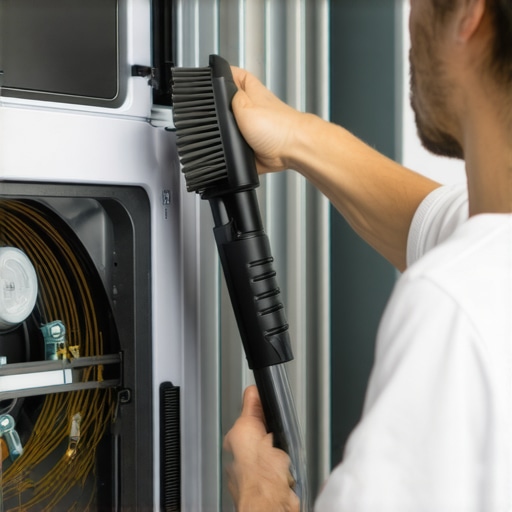
It was a typical Saturday morning when I finally faced the grim reality: my refrigerator was making louder noises than usual, and the ice wasn’t quite as cold as it used to be. After flipping the breaker and tugging open the back panel, I realized I was staring at a thick layer of dust and grime clogging the condenser coils. That moment was my lightbulb—simple chores like cleaning those coils have a huge impact on appliance health.
Why is Cleaning Your Refrigerator’s Condenser Coils a Game Changer?
If your fridge is struggling to keep up, it might not be because of a broken part or a high-tech sensor. Sometimes, the culprit is something as straightforward as dust buildup impeding heat transfer. When coils are coated in grime, the compressor works overtime, increasing energy bills and reducing its lifespan. In fact, studies show that dirty condenser coils can cause appliances to use up to 30% more energy, which adds up over timehttps://www.energy.gov/eere/office-energy-efficiency-renewable-energy.
I’ve learned from personal experience that neglecting this simple maintenance task can lead to costly repairs or premature replacements. Trust me, I used to ignore those coils thinking they were just a dusty jumble, and only after a mini crisis did I realize the impact of regular cleaning. Now, I swear by it as part of my routine maintenance for appliance longevity.
Will Cleaning the Coils Really Make a Difference?
If you’re skeptical, I get it. It sounds too easy, almost trivial. But I’ve seen firsthand how a thorough coil cleaning can restore efficiency and extend the life of your refrigerator. Plus, it’s an affordable fix—just a few tools and a little elbow grease. Ready to learn the best way to do it? Stay tuned, because I’ll guide you through the simple steps to keep your appliance humming smoothly instead of groaning under dust.
Having experienced the frustration of a malfunctioning fridge firsthand, I want to help you avoid the same pitfalls. Do you often find your fridge struggling during the hottest months or after a long stretch of ignoring maintenance? If so, keep reading! Soon, you’ll have the confidence to take control of your appliance’s health and save money in the process.
Locate and Access the Coils Effectively
Identify where your refrigerator’s condenser coils are—usually at the back or underneath. Carefully pull out the refrigerator to access these coils, ensuring to unplug the appliance first to avoid electrical hazards. When I did this for my first fridge, I used a flashlight to see into dark corners, which made the cleaning process much easier. Remember, safety comes first—never work on live wiring.
Gather the Right Tools
Equip yourself with a soft brush, vacuum cleaner with a brush attachment, and a damp cloth. A coil cleaning brush, available at hardware stores, makes this task much less messy and more precise. I once used an old paintbrush, which worked but took longer—it’s worth investing in the proper tools for efficiency.
Remove Dust and Debris Efficiently
Start by gently brushing off loose dust with the coil brush. Then, use your vacuum’s brush attachment to suck up remaining debris, moving from one coil section to another. Be thorough—dust buildup is like a thick blanket insulating heat, which hampers heat dissipation. In one memorable incident, I went deep into the coils, and seeing all that grime was a shocking reminder of how neglect impacts appliance longevity.
Clean Sensitive Areas Carefully
Use a damp cloth to wipe down accessible areas, avoiding any electrical components. Do not spray water directly—moisture can cause damage. I learned this the hard way when I got water on some electrical wiring, causing an unexpected trip of the circuit breaker. So, gentle wiping is key.
Prevent Future Dust Build-Up
After cleaning, take a moment to inspect and seal any gaps or leaks around the coils to prevent dust infiltration. Regular maintenance—every six months—can significantly extend your appliance’s life. Personally, I schedule a coil check during seasonal cleaning so that my fridge never struggles during summer heat waves.
Reassemble and Test the Refrigerator
Carefully slide the refrigerator back into place, reconnect the power, and observe its operation. Notice any unusual noises or temperature inconsistencies? If so, it might be time to contact professional technicians who offer same-day service with warranty backing. Proper cleaning not only improves efficiency but also helps you identify potential issues before costly repairs arise.
When it comes to appliance repair and warranty claims, many homeowners operate under misconceptions that can cost both time and money. Let’s dissect some of these myths and reveal the nuanced truths that only seasoned technicians understand.
Why Most People Overlook the Fine Print in Warranties
Many believe that warranties cover all repairs and replacements, but in reality, they often exclude routine maintenance or damage caused by user errorhttps://discountappliancehub.com/fast-trustworthy-appliance-installation-near-you. This misunderstanding leads to surprises during a service call, and homeowners mistakenly assume their coverage is more comprehensive than it truly is. Consequently, they might delay necessary repairs or miss out on warranty benefits entirely. *Always read the full warranty policy,* especially the fine print on exclusions, to avoid this trap.
Challenging the Myth: Same-Day Service Is Always Better
Many assume that opting for immediate repairs guarantees the best outcome. However, rushing into same-day service without verifying credentials or understanding the technician’s expertise might compromise the repair quality. A hastily scheduled visit can sometimes lead to inadequate repairs, a recurring mistake among homeowners eager for quick fixes. Instead, prioritize providers with solid reviews, clear estimates, and proper certifications. Reliable companies, like those offering warranty-backed serviceshttps://discountappliancehub.com/warranty-backed-appliance-services-you-can-rely-on, ensure that expedited service doesn’t sacrifice quality.
Advanced Insight: Proper Installation Matters More Than You Think
Incorrect installation is a frequent cause of appliance malfunctions and shortened lifespan. Many clients believe installation is a straightforward task that they can handle themselves or assign to any handyman. However, improper setup—like insufficient leveling or incorrect electrical wiring—leads to inefficiency and voids warranties. An expert installation not only ensures optimal performance but also preserves your warranty coveragehttps://discountappliancehub.com/how-to-ensure-reliable-appliance-installation-in-2025. Moreover, professional installers understand the nuances of different brands and models, which can directly influence repair procedures down the line.
Common Pitfalls: DIY Repairs and Misguided Repairs
Attempting DIY repairs based on online tutorials can be tempting but hazardous. A minor fix gone wrong often results in exacerbated damage, costing more than professional assistance. For example, meddling with electrical components without proper knowledge can be dangerous and void warranty policieshttps://discountappliancehub.com/why-your-warranty-doesnt-cover-routine-maintenance-and-why-that-matters. Always weigh the risk of self-repair against the benefit of hiring certified technicians—especially those who provide warranty-backed service agreements. This way, you minimize the chance of unintended consequences.
What Experts Know That You Don’t
Seasoned technicians recognize that many issues stem from overlooked nuances—like subtle signs of wear or the importance of precise calibration. For instance, an appliance may seem to function adequately but could be operating inefficiently due to a hidden sensor problem or calibration drifthttps://discountappliancehub.com/what-to-do-when-your-laptop-screen-goes-black-but-the-lights-are-on. Addressing these nuances requires expertise that comes with experience. In my years of service, I’ve seen how overlooking these details leads to recurring breakdowns, compounding costs over time.
Have you ever fallen into this trap? Let me know in the comments. Remember, understanding these hidden nuances not only helps you save money but also ensures your appliances operate at peak efficiency for years to come.
Investing in Reliable Tools for Long-Term Repairs
Maintaining appliances effectively demands the right equipment. I personally rely on a high-quality digital multimeter, like the Fluke 115, because it provides precise readings of electrical components, helping me diagnose issues without guesswork. For cleaning coils and vents, a specialty coil cleaning brush and compressed air blower are indispensable; I prefer the Westinghouse Dust-Off for its durability and power, making routine cleaning faster and less messy.
Additionally, I use a digital thermocouple to verify temperature settings accurately, especially when calibrating ovens or refrigerators. These tools not only speed up repairs but also ensure safety by preventing misdiagnoses that could lead to hazards. As I anticipate future trends, I believe the integration of smart diagnostic devices will become mainstream, allowing even homeowners to perform basic troubleshooting via apps, elevating self-service capabilities.
How do I maintain appliances over time?
Consistency is key. Schedule biannual inspections using these tools to catch minor issues before they escalate. For example, regularly testing electrical connections with a multimeter can reveal degraded wiring or failing components early, saving money and reducing downtime. Incorporate routine cleaning with reliable brushes and compressed air to prevent dust accumulation, which can impair heat transfer and cause overheating.
Be proactive about inspecting seals, gaskets, and filters—most of which you can do without specialized equipment. To streamline this, I set reminders aligned with seasonal changes, ensuring my appliances operate efficiently year-round. Remember, investing in proper diagnostic tools is cost-effective; they pay for themselves by reducing emergency call-outs and preventing unnecessary replacements.
Future of Appliance Maintenance Tools
Advancements point toward smarter, app-enabled diagnostics, enabling remote troubleshooting. I foresee a future where digital diagnostics can predict failures before they happen, much like vehicle maintenance systems. For now, mastering the basics—like using a multimeter to check voltage levels or a thermometer to verify temperature accuracy—gives you control over your appliances’ health.
Try incorporating a digital multimeter into your maintenance routine; it’s a simple yet powerful step toward more reliable appliance care. For comprehensive guidance, check out our expert guide to appliance repair.
Lessons from the Field: Surprising Truths About Appliance Repair and Warranties
One of the hardest lessons I learned was how often homeowners underestimate the importance of reading their warranty’s fine print. Early on, I assumed warranties covered everything, only to discover many exclusions for routine maintenance or user-induced damage. This realization pushed me to educate clients more thoroughly, saving them from costly surprises later.
Another insight I cherish is that same-day service isn’t always a guarantee of quality. Fast repairs are great, but rushing in without proper diagnostics can lead to incomplete fixes and repeated callouts. Investing time to verify a technician’s reputation and certification has paid off for both my peace of mind and my clients’ Appliance longevity.
Many believe installation isn’t critical—or worse, attempt DIY setups—only to face efficiency losses or voided warranties. Proper installation by professionals ensures your appliance performs optimally and remains covered under warranty. Understanding these nuances means fewer headaches and longer-lasting appliances.
Finally, I learned that neglecting seemingly minor issues, like loose connections or subtle leaks, often leads to major breakdowns. Regular inspections using the right tools, such as multimeters and thermometers, allow early detection of potential failures. Staying proactive can extend your appliance’s lifespan and keep stress levels low.