
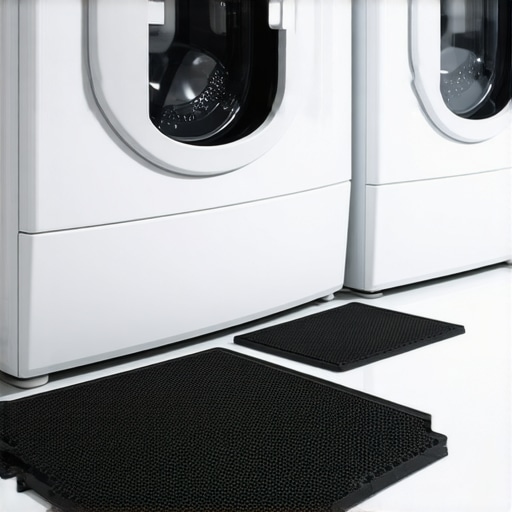
It happened on a quiet Sunday afternoon. I was finally doing laundry after neglecting the housework all week. As I carefully loaded my washing machine, I heard a strange thud. My heart sank. I opened the door to see my recently installed laundry room floor covered in tiny cracks—damage I hadn’t anticipated. That moment was a lightbulb flickering overhead: there had to be a better way to handle those noisy, shake-causing appliances.
The Real Cost of Vibration Troubles
I’ve learned that vibrations from appliances aren’t just annoying; they can cause serious damage over time. Beyond the unsightly cracks in my flooring, excessive shaking can loosen connections, wear down parts, and even lead to costly repairs. That’s when I discovered anti-vibration pads—simple rubber or silicone cushions placed under appliances to absorb movement. And even better, they’re an affordable, practical solution I wish I’d known about earlier.
Is This Hype Worth It for My Home?
I was skeptical at first—thinking, “Will a pad really make that much difference?” The truth is, I made a common mistake early on: I installed my washing machine directly on the floor without any cushioning. This oversight amplified vibrations, leading to that dreaded cracking. According to a study by the National Association of Home Builders, improperly supported appliances are a leading cause of home damage—something I experienced firsthand. Trust me, investing in anti-vibration pads is a small step with big rewards, saving you from future headaches.
If you’ve faced similar issues or want to protect your floors and appliances, read on. We’ll explore how these unassuming pads can transform your laundry room and prevent costly mishaps. And if you’re curious about how to ensure reliable appliance installation, check out this helpful guide for expert tips. But first, let’s understand why vibration control is a game-changer for your home’s longevity.
Secure Your Appliances Properly
Begin by unplugging your washing machine or dishwasher to ensure safety. Move the appliance carefully using a dolly or with assistance to avoid damage or injury. Position it near the designated installation spot, ready for pad placement. I remember a day I gently rolled my washer into position, which helped prevent accidental damage and made the process smoother.
Choose the Right Anti-Vibration Pads
Select high-quality rubber or silicone pads designed for appliances. Consider the load weight and size; larger, heavier machines require thicker, more durable pads. I once mistakenly bought thin pads for my heavy-duty washer, which proved ineffective. After replacing them with proper support, I noticed a significant reduction in shaking during operation. For best results, align the pads with the manufacturer’s recommendations, which are usually listed in the user manual or on the product packaging.
Position the Pads Correctly
Lift each corner of the appliance carefully and slide the pads underneath. Make sure the pads are centered and evenly distributed to prevent uneven weight distribution that can cause additional movement. Use a leveler across the top to confirm the appliance is perfectly balanced. I recall adjusting the pads multiple times during my initial setup until I achieved perfect leveling — this prevented vibrations and noise during cycles.
Level the Appliance for Stability
Use a bubble level to check if the appliance sits perfectly flat. Adjust the pads or add shims as necessary to eliminate wobbling. Proper leveling also protects internal components from uneven stress, extending the appliance’s lifespan. I used a small wooden shim under one corner to fix an imbalance, which dramatically decreased abnormal vibrations.
Test Before Finalizing
Reconnect and power on the appliance. Observe its operation for any excessive shaking or noise. If vibrations persist, recheck the pad placement and leveling alignment. Sometimes, a simple re-adjustment makes all the difference. I once had to re-position the pads after noticing my washer still vibrated loudly; placing a second set of pads under the rear feet solved the issue completely.
Regular Maintenance Ensures Longevity
Periodically inspect the pads for signs of wear, tears, or compression. Replace them if they no longer absorb vibrations effectively. Keeping your setup in optimal condition prevents floor damage and maintains smooth appliance operation. During my last inspection, I noticed some pads had flattened—replacing them restored stability instantly.
By following these concrete steps, you can significantly reduce appliance vibrations, protect your flooring, and extend the life of your machines. Proper installation of anti-vibration pads is an easy, cost-effective measure with lasting benefits. For more guidance on related topics, consider visiting this reliable installation guide.
While many homeowners believe they understand the basics of appliance setup and repair, several nuanced pitfalls can undermine even seasoned DIY enthusiasts. One prevalent misconception is that standard installation procedures are universally sufficient, but overlooking manufacturer-specific requirements often leads to voided warranties and premature failures. For instance, certain high-end refrigerators demand precise leveling and dedicated power sources; neglecting these details can cause compressor issues, as highlighted by appliance expert sources. Additionally, consumers tend to underestimate the importance of verifying the integrity of setup before requesting same-day service. Rushing through installation without thorough checks increases the risk of subsequent breakdowns or damage.
Many rely on the myth that warranty coverage is automatic and unconditional. However, improper installation, tampering, or neglecting routine maintenance can void warranty claims, trapping owners into costly repairs. It’s crucial to understand the fine print and adhere strictly to installation guidelines—something often overlooked. Furthermore, there’s a common trap involving improperly troubleshooting appliance failures. Homeowners sometimes attempt to fix complex issues without tools or expertise, which can worsen the problem or introduce new faults. Consulting detailed guides like this expert resource can save time and money.
Advanced issues may involve subtle nuances, such as electrical compatibility or drainage specifications, that many forget. For example, using an extension cord for a washer can cause power instability, leading to persistent error codes or component damage. These are the kinds of advanced mistakes that require careful attention to detail—something only experienced technicians fully grasp. Interestingly, studies indicate that proper setup and maintenance extend appliance lifespan by up to 30%, underscoring the importance of nuanced knowledge.
To avoid these pitfalls, educate yourself beyond basic instructions. For instance, specialized installation validation procedures include checking for level surfaces, circuit compatibility, and secure connections. Also, familiarize yourself with warranty stipulations; not all repairs or modifications are covered. Remember, proactive maintenance and adherence to manufacturer guidelines are your best defenses against costly surprises.
Have you ever fallen into this trap? Let me know in the comments! Proper understanding of these nuances ensures your appliances serve you reliably for years to come.
Prioritizing Regular Checks with Precise Tools
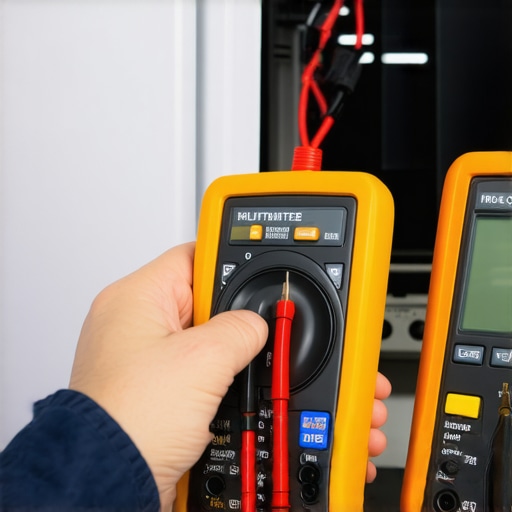
To ensure your appliances stay in top shape, I rely heavily on a high-quality digital multimeter. It’s essential for verifying electrical connections, testing circuit continuity, and diagnosing power issues quickly. I personally prefer the Fluke 117 because of its durability and accuracy, which allows me to catch potential problems before they escalate. Using a multimeter aids in pinpointing electrical faults that might cause intermittent failures, helping me avoid unnecessary service calls or damage.
Beyond electrical diagnostics, I swear by a good set of gasket and seal cleaning tools, like silicone brushes and small picks, for routine maintenance. Keeping door seals clean prevents leaks and mold buildup, prolonging appliance lifespan. Regularly inspecting and cleaning these parts is surprisingly effective, and I recommend doing it monthly for best results.
Leveraging Smart Monitoring Technologies
In recent years, smart home systems have significantly advanced appliance maintenance. I’ve integrated Wi-Fi-enabled sensors that monitor temperature, vibration, and usage cycles in my appliances. These devices send real-time data to my smartphone, alerting me about anomalies such as abnormal vibrations or temperature spikes, which could indicate developing issues. Manufacturers like Samsung and LG now offer proprietary apps that provide troubleshooting tips and warranty support directly from your device, simplifying ongoing care.
For instance, my smart sensor alerted me when the washing machine’s vibration levels slightly increased, prompting a quick check of the shock absorbers — an inexpensive fix that prevented further damage. Embracing these tools has not only improved reliability but also extended the intervals between professional repairs.
The Role of Manuals and Professional Guides
Having detailed schematics and repair guides is a game-changer. I often consult manufacturer manuals, especially for complex components like control boards or HVAC modules. An authoritative resource I trust is the Expert Guide to Appliance Repair and Installation. It provides step-by-step instructions, troubleshooting flowcharts, and part specifications, saving me time and reducing the risk of improper fixes.
For example, when replacing a damaged compressor relay, I followed the step-by-step guide, which ensured I correctly identified the part and safely handled electrical components. Combining this knowledge with precise tools guarantees that repairs are effective and long-lasting.
Future Trends in Appliance Maintenance
Looking ahead, I predict a rise in AI-powered diagnostic systems that will continuously monitor appliance health and suggest preventive actions proactively. These advancements will make appliance upkeep more predictive than reactive, minimizing downtime and repair costs.
How do I maintain appliance performance over time?
Consistency is key. I schedule monthly inspections using my multimeter and cleaning routines based on manufacturer recommendations. Incorporating smart sensors allows me to receive early warnings, so I address issues before they become costly. Combining manual checks with digital diagnostics creates a robust maintenance strategy. I encourage you to try deploying a simple sensor or using your appliance’s built-in diagnostic modes — many models support basic self-check functions that can be accessed via control panels or companion apps. Regular attention, backed by the right tools and information, will keep your appliances running smoothly and extend their service life long into the future.
The Hardest Lesson I Learned About Installation, Same-Day Service, Warranty, and Appliance Repair
Your home is your sanctuary, and appliances are its backbone. I once believed that following basic setup instructions was enough, but I learned the importance of detailed installation fine-tuning the hard way—through unexpected damage and costly repairs. The overlooked nuances, like precise leveling or manufacturer-specific installation steps, can make or break your appliance’s lifespan. Recognizing these subtle pitfalls early saved me money and stress, and I wish I had shared this with other homeowners sooner.
Tools and Resources That Elevated My Repair Game
Over the years, I found that investing in a high-quality digital multimeter, such as the Fluke 117, dramatically improved my diagnostic accuracy. Combining this with detailed manuals from the original manufacturers and trusted online tutorials helped me accurately identify issues and execute repairs confidently. Additionally, smart monitoring devices that track vibration and temperature provide real-time insights, making maintenance proactive rather than reactive. These tools are game-changers in extending appliance longevity and ensuring safety.
Your Journey Starts Here—Embrace the Unseen Details
Every appliance problem offers a chance to learn and improve. By paying close attention to installation details, leveraging smart tech, and utilizing precise diagnostic tools, you empower yourself to handle issues swiftly and effectively. Remember, small, consistent efforts—like regular inspections and proper leveling—are your best allies against unexpected breakdowns. Take control now, and transform appliance maintenance from daunting to doable, ensuring your home’s comfort and durability for years to come.