
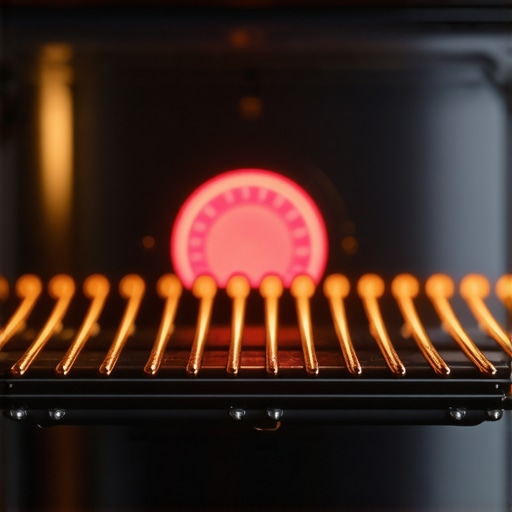
Have you ever gone to bake your favorite cookies or a hearty casserole, only to find that your oven isn’t heating properly? That sinking feeling when you realize your baked goods are undercooked, and the repair bill might be looming? I’ve been there. One day, I confidently started preheating my oven, expecting that warm, toasty feeling. Instead, all I got was cold air and a frustrating silence. That was my lightbulb moment—realizing I hadn’t checked if my bake element was on its last legs. Since then, I’ve learned that knowing how to spot the signs of a failing oven element can save you time, money, and a lot of kitchen disappointment.
Why More People Are Facing Unexpected Oven Failures and How to Prevent Them
In my experience, the most aggravating kitchen mishaps happen when appliances decide to quit without warning. A common culprit? The oven bake element. This part endures a lot—high heat, frequent cycling, and inevitable wear-and-tear. Interestingly, according to appliance experts, over time, bake elements can develop tiny cracks or lose their ability to conduct heat efficiently, even if they look fine from the outside. Knowing how to test and recognize early warning signs can be a game-changer. Plus, it means you don’t have to wait for complete failure—giving you the chance to fix or replace the part before weekend baking turns into a soggy mess. If you’ve experienced the frustration of cold spots or uneven baking, you’re not alone. The key is catching these issues early. Ready to learn how? Let’s dive into how you can tell if your oven’s bake element is on its way out.
Skeptical About DIY Repairs? Here’s Why Testing Is a Smart First Step
I’ll admit, I made a mistake early on—assuming that if my oven was cold and not heating, the fix had to be complex or expensive. But I soon realized that a simple continuity test could save me from unnecessary repairs. The truth is, many homeowners can perform basic checks like inspecting the bake element visually for cracks or testing continuity with a multimeter. These steps help confirm whether replacement is needed, or if the problem lies elsewhere—like the thermostat or control board. For more professional insights on reliable appliance repairs, you can visit warranty-backed services you can trust. In the next sections, I’ll walk you through the straightforward process to check your bake element, so you can avoid the pitfalls that catch many unprepared homeowners.
Gather Your Tools and Prepare
Before diving into testing your oven’s bake element, gather a multimeter and a screwdriver. I once attempted this repair during a snowstorm, with tools scattered across the kitchen floor, resulting in a slow process—but patience pays off. Ensure the oven is unplugged to avoid electrical hazards, and locate the bake element at the bottom of your oven. Consult your user manual if needed, or visit this guide for additional troubleshooting tips.
Locate the Bake Element Connections
Remove the oven’s back panel or side cover with a screwdriver, exposing the wiring connected to the bake element. Take photos for reference to reconnect everything properly later. Carefully disconnect the wires attached to the element terminals. Remember, labeling wires or taking photos prevents confusion during reassembly—a trick I learned after installing the same element twice in one weekend.
Perform the Continuity Test
Set Up Your Multimeter
Switch your multimeter to the lowest resistance or continuity setting. It’s like giving your device a quick health check, similar to when I tested my old car’s battery before a road trip; I want to ensure the part is alive and well.
Test the Element for Conductivity
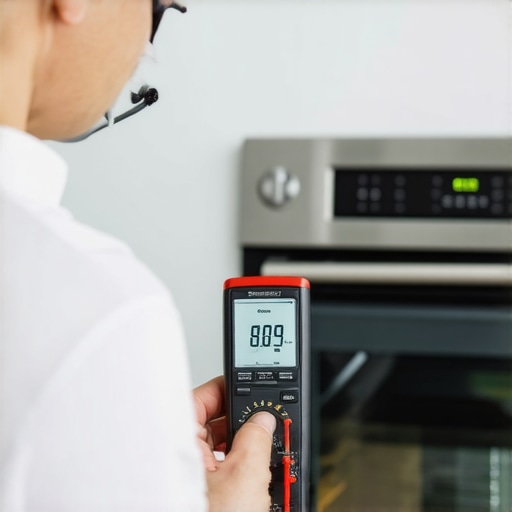
Touch the multimeter probes to each of the bake element terminals. A reading close to zero ohms indicates continuity, meaning the element is functioning. If the multimeter shows infinite resistance or no beep (if on continuity mode), the element has likely failed. I once found an open circuit in my oven this way, replacing a completely burnt-out element and getting my baking back on track.
Interpreting the Results and Next Steps
If your test confirms the element is broken, consider ordering a replacement part. Use your model number for accurate matching, or consult a professional for installation. Many repair services offer same-day service with warranty backing, ensuring minimal downtime. Remember, attempting a DIY repair without proper tools or knowledge can cause more harm than good, so when in doubt, contact experts who provide reliable, warranty-backed assistance—details available here.
Many homeowners operate under the misconception that all warranty coverage and same-day repair services are straightforward and universally beneficial. However, beneath the surface, there are nuanced pitfalls and misconceptions that can lead to costly mistakes. For instance, the belief that extending an appliance warranty guarantees comprehensive coverages often lulls consumers into a false sense of security. In reality, many warranties exclude routine maintenance, certain parts, or specific labor costs, which means that in case of failure, additional expenses might still be incurred. To truly optimize your warranty benefits, it’s crucial to understand the fine print, like the exclusions related to labor or parts, which studies from industry watchdogs highlight as common pain points for consumers.
Another common myth revolves around the immediacy of same-day repair services. Many assume that quick service always equates to quality, but this isn’t necessarily true. Fast repairs without proper diagnostics can sometimes mask underlying issues, leading to repeat visits or further damage. An advanced approach involves verifying whether the repair provider conducts comprehensive diagnostics to prevent recurring problems. This nuance is often overlooked by homeowners eager to resolve issues swiftly, but experts recommend confirming that the service includes thorough assessments—details you can find discussed in what to expect from professional repairs.
Are Warranty and Rapid Repairs Truly Reliable, or Are There Lessons You’re Missing?
For the sophisticated homeowner, it’s vital to question whether quick fixes truly address the root cause or merely treat symptoms. Rushing into a repair without understanding the broader context can lead to recurring failures, especially if the technician isn’t well-versed in the specific nuances of your appliance model or the limitations of your warranty coverage. Experts stress the importance of asking detailed questions about diagnostic procedures and parts used, as cutting corners can invalidate warranties or lead to inferior repairs. For example, some warranties explicitly exclude damages caused by unqualified repairs or parts not sourced through authorized channels, which underscores the importance of choosing reputable, warranty-backed services—more details are available here.
Additionally, the hidden costs of installation errors can undermine your investment. Improper installation, despite a warranty or quick service, can cause long-term damage and increase energy consumption, making initial savings deceptive. To avoid this, ensure your installer follows the latest standards and is certified—resources for choosing qualified installers are discussed in reliable installation tips. Remember, a well-installed appliance not only performs better but also maintains warranty validity, protecting your investment for years to come.
Have you ever fallen into this trap? Let me know in the comments.
How do I maintain appliances over time to ensure longevity?
Maintaining your appliances isn’t just about quick fixes—it’s about developing a proactive approach using the right tools and methods. Personally, I rely on a high-quality digital multimeter, like the Fluke 117, because its accuracy and durability have consistently helped me identify issues early, particularly with components like heating elements or control boards. Additionally, I use a magnetic screwdriver set with insulated handles, which simplifies disassembly and minimizes electrical hazards during routine inspections or small repairs. Regularly inspecting connections and conducting simple continuity tests can prevent costly breakdowns and extend the lifespan of your appliances. As technology advances, I predict we’ll see more smart diagnostic tools becoming accessible for homeowners, making maintenance more intuitive and less reliant on guesswork.
Essential tools I recommend for appliance upkeep
Beyond a multimeter and screwdriver, a digital infrared thermometer is invaluable for detecting uneven heating or cooling issues—I’ve found that pinpointing hot spots with it avoids unnecessary disassembly. A vacuum cleaner with a narrow nozzle helps keep internal vents and filters free of dust, reducing strain on components like compressors or fans. A leak detection solution, such as a soapy water spray, is excellent for spotting minor leaks in refrigeration systems before they cause extensive damage. Personally, I also keep a set of precision pliers and tweezers for delicate tasks like reconnecting tiny wires or cleaning out drain hoses. These tools have saved me hours and money during DIY maintenance routines. As more appliances incorporate smart features, familiarity with software updates and diagnostic apps will become equally critical, guiding homeowners through troubleshooting steps and preventing emergencies.
The future of appliance maintenance tools and diagnostics
Looking ahead, I see a trend towards integration of IoT (Internet of Things) devices in appliances, which will enable remote diagnostics and predictive maintenance. Smart sensors embedded within appliances could alert you to potential failures days or weeks before they happen, saving time and avoiding unexpected breakdowns. According to industry reports, manufacturers are investing heavily in AI-driven diagnostic platforms that analyze usage patterns and sensor data to recommend preemptive repairs. To leverage these advancements now, I recommend registering your appliances online through manufacturer portals and utilizing their diagnostic apps whenever troubleshooting. Practicing these proactive strategies ensures you’re prepared for long-term appliance health and can schedule repairs before issues escalate.
Keep it running: Tips for long-term appliance health
Consistent maintenance, like cleaning filters, inspecting power cords, and testing connections regularly, can significantly extend appliance lifespan. Routinely checking the integrity of wiring and sealing leaks with simple tools keeps minor issues from becoming major repairs. For example, replacing a worn gasket before it causes water damage or energy loss is an easy yet effective step. When it comes to scaling up maintenance efforts, consider scheduling annual professional inspections—many with warranty-backed guarantees—to catch hidden problems early. If you’re uncertain about performing diagnostics yourself, professional services offer same-day appointments that come with warranties, ensuring peace of mind and lasting results. To stay ahead of potential problems, staying informed about your appliance model’s specific maintenance needs by consulting expert guides or manufacturers’ documentation is wise. Visit this resource for detailed maintenance checklists and advice. Start integrating these practices today to keep your appliances running smoothly for years to come.
3 Unspoken Truths That Changed How I Handle Appliance Warranties
One of the biggest lessons I learned was that warranties aren’t foolproof — they often have tricky exclusions, especially for routine maintenance. This meant I had to read the fine print carefully, which saved me from unexpected costs during repairs. The second insight was that same-day service isn’t just about speed; it’s about reliability. I discovered that reputable providers perform thorough diagnostics within that timeframe, preventing recurring issues. Lastly, I realized that DIY fixes are tempting but sometimes risky — knowing when to call experts who offer warranty-backed repairs can prolong your appliance’s life and your peace of mind.
Tools & Resources I Trust for Smarter Appliance Care
Equipping myself with a quality multimeter, like the Fluke 117, has been invaluable for early diagnostics. I also rely on professional guides from trusted sources such as experts’ guides to understand complex issues. For scheduling repairs, I prefer services that promise same-day appointments with warranties. Additionally, regular inspections recommended by professionals help me catch problems before they escalate, saving money and extending appliance lifespan.
Your Move Towards Smarter Maintenance Starts Now
Don’t wait until your appliance fails completely — take charge today. Embrace proactive habits like routine inspections and timely repairs, especially with trustworthy, warranty-backed experts. Doing so not only ensures your appliances perform optimally but also protects your investment in the long run. Remember, a well-maintained appliance is a reliable one — and a little knowledge goes a long way. Are you ready to implement these tips and enjoy worry-free appliance operation? Let me know your experiences below!