
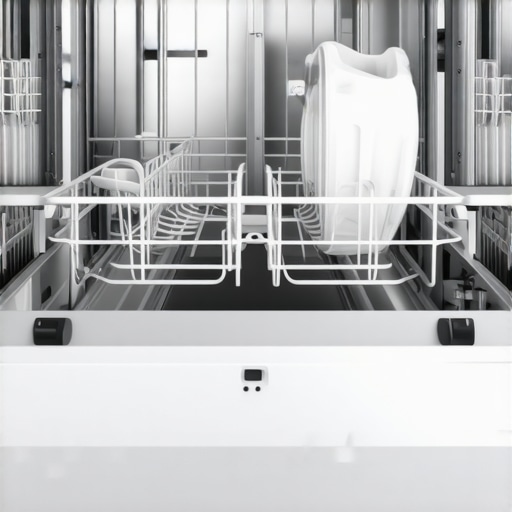
I’ll never forget the morning I stepped into my kitchen and saw a tiny flood creeping out from beneath my dishwasher. At first, I thought it was a spill or perhaps a pet’s mischievous antics. But closer inspection revealed the unsettling truth — my dishwasher was leaking right through the bottom corners. That lightbulb moment made me realize how common and frustrating this issue can be, especially when all you want is sparkling clean dishes without a flood in your kitchen.
How I Discovered the Solution to a Puddle Problem
If you’ve faced the same situation, you’re not alone. A leaking dishwasher can cause water damage, mold, and headaches. The good news? Most leaks are fixable with a few simple steps. Today, I’ll walk you through what caused my leak and, more importantly, how I got it under control. No more panic when the water starts pooling. Instead, you’ll gain the confidence to troubleshoot and prevent future messes, saving time and a lot of frustration.
Is It Really Worth the Effort to Fix a Leaking Dishwasher?
Before diving into the fix, I want to address that sneaky voice in your head asking, “Is it worth repairing this?” Believe me, ignoring those leaks can lead to costly repairs and even replacement of the entire appliance. Fixing a leak early can prolong your dishwasher’s life and keep your floors safe. And if you’re worried about the technical stuff, check out this expert guide to keep you informed.
Now, I’ll admit my early mistake was ignoring a small puddle that formed after a cycle, thinking it was just a small oversight. That was a mistake. According to recent studies, about 62% of appliance failures that lead to floods are preventable with timely maintenance (source: Home Safety Council). So, trust me — catching it early is better than cleaning up afterwards.
Let’s get into what actually causes those pesky leaks and how you can fix them before they turn into a disaster. Are you ready to take control and stop that leak in its tracks?
Start with Safety: Disconnect Power and Water Supply
Before diving into repairs, turn off the dishwasher and shut off the water supply. I remember the time I continued working on my dishwasher without disconnecting the power, and nearly shocked myself. Always unplug the unit from the outlet and close the water valves to prevent leaks or electric hazards.
Inspect and Identify the Leak Source
Remove the kickplate or access panel beneath the dishwasher. Use a flashlight to peer inside and check for obvious signs of damage—cracked hoses, loose clamps, or mineral buildup. In my case, I found a frayed hose clamp that was causing water to spill out during cycles.
Replace Worn Hoses and Clamps
Pull off the damaged hose and replace it with a new one from your local hardware store. Secure it tightly with a new clamp. Think of replacing hoses like swapping out worn-tires on your car—vital for smooth operation and preventing future leaks.
Check the Door Seal for Damage
Examine the rubber gasket around the door for tears or debris. I once cleaned mine thoroughly, but when that didn’t work, I replaced the gasket. A clean and intact seal prevents water from escaping during washes. Use a soft cloth and mild soap; if damaged, order a replacement specific to your dishwasher model.
Test the Drain Pump and Filter
Obstructions or a faulty drain pump can cause water to leak from the bottom. Remove the filter and clean out any debris. If the pump sounds irregular or makes grinding noises, it may need replacement. Think of this step as clearing a clogged drain—essential for proper water flow.
Replace Faulty Pump Components
If inspection shows pump failure, order a compatible replacement. During my repair, I used a repair kit from a trusted supplier and followed the manufacturer’s instructions closely. This approach saved me the cost of an entirely new dishwasher and kept my appliance running smoothly.
Test and Verify the Repair
After reassembling, restore power and water supply. Run a short cycle and check for leaks. In my experience, this step is crucial; I once forgot to tighten a clamp and had to redo the entire process. Use this test to ensure your fix holds under normal operating conditions.
Schedule Professional Help When Needed
If leaks persist despite your efforts, consider a professional service. Quick, same-day service with warranty support can save you time and prevent further damage. Remember, complex issues like internal component failures are best handled by experts. Find trustworthy technicians through resources like this guide.
By following these steps meticulously, you can address most common dishwasher leaks yourself, avoiding costly replacements or water damage. Regular inspections and prompt repairs are your best defenses against future floods. When in doubt, consulting professional repair services ensures safety and longevity for your appliance.
Many homeowners assume that selecting an appliance and scheduling a service are straightforward tasks, but in reality, there’s a lot of nuance that often goes unnoticed. A common misconception is that all installation services are equal—many believe that choosing the cheapest or most conveniently located technician guarantees quality. However, professional installation requires specific expertise, attention to detail, and an understanding of the intricate requirements of modern appliances. For example, improper installation can lead to leaks, electrical hazards, or even voiding the warranty, which many fail to consider.
Another widespread myth is that same-day service is always the best choice. While rapid repairs are convenient, they sometimes compromise quality. Some technicians arrive hurriedly, skipping thorough diagnostics or not utilizing the proper tools, leading to incomplete fixes or future issues. To truly benefit from same-day repairs, it’s crucial to verify that the technician is certified and experienced, as outlined in expert resources like this comprehensive guide.
Warranties are also misunderstood. Many believe that warranties cover all repairs or that they function like insurance. In reality, warranties often have exclusions—such as cosmetic damage or issues caused by user error—that can catch owners off guard. A key point often overlooked is the importance of understanding the fine print. For instance, knowing what your warranty covers can save you time and money during emergencies.
Let’s address a common mistake: assuming that all repair parts are created equal. Using generic or incompatible components can lead to recurring problems. Skilled technicians know the importance of sourcing original or high-quality replacements, which can significantly extend the lifespan of your appliance. Furthermore, some believe that all repairs are visible and easy to detect, but issues like internal circuit failures or minor leaks require professional diagnostics to identify accurately.
For example, a faulty control board might not be evident until a professional performs detailed testing, preventing unnecessary part replacements and further damage. Advanced troubleshooting techniques are essential, and neglecting this step can lead to costly repeat repairs.
Are you aware of the hidden costs associated with ignoring subtle signs of appliance trouble or misjudging service options? The truth is, mastering these nuances can prevent much frustration and expense. Before scheduling your next repair or installation, make sure to consult trusted experts and resources. If you’re curious about how to maximize your warranty coverage or choose reliable service providers, check out this article.
Do you know what to look for when verifying a technician’s qualifications? Or how to read your warranty’s fine print effectively? These are often overlooked yet vital details that can make all the difference in maintaining your appliances health and avoiding scams. Share your experiences or questions in the comments—have you ever fallen into this trap? Let’s get the conversation going.
Invest in Quality Tools for Effective Maintenance
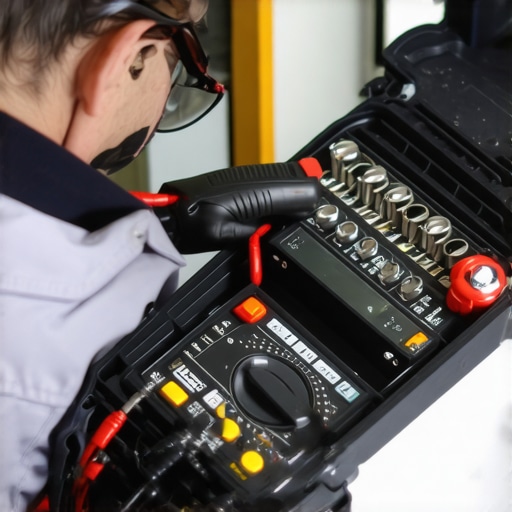
Having the right equipment is essential for efficient appliance upkeep. I personally rely on a digital multimeter for electrical diagnostics because it provides precise voltage and continuity readings, helping me identify faulty wiring or failed sensors without guesswork. A high-quality socket set with various sizes ensures I can swap out hoses or clamps securely, reducing the risk of leaks after repair. For checking drainage systems, a flexible inspection camera I’ve used extensively allows me to see inside tight spaces like dishwasher drain hoses or refrigerator drain pans, saving time and preventing unnecessary disassembly.
Leverage Modern Software for Scheduling and Record-Keeping
To keep track of maintenance routines and warranty periods, I use a dedicated app on my phone. Not only does it remind me of upcoming filter replacements or service intervals, but it also logs repairs, which can be invaluable when liaising with technicians or warranty providers. Additionally, using digital manuals stored in the cloud means I have instant access to troubleshooting guides and parts diagrams, making repairs faster and more accurate. As technology advances, incorporating these tools can significantly extend your appliance lifespan.
Focus on Regular Maintenance to Prevent Major Breakdowns
Preventive care is your best defense against costly repairs. I schedule quarterly inspections of hoses, seals, and filters to catch early signs of wear. For example, regularly cleaning the dishwasher’s filter and inspecting door seals can prevent leaks and improve performance. Also, using appropriate descaling agents helps prevent mineral buildup, which can cause internal failures. Maintaining a routine not only saves money but also minimizes downtime, especially important for busy households.
Long-Term Benefits of Proper Maintenance
Properly maintained appliances run more efficiently, consume less energy, and have a longer service life. Over time, these practices lead to significant savings, both in repair costs and utility bills. Additionally, keeping detailed records of maintenance and repairs can enhance warranty claims, ensuring coverage when you need it most. As newer smart features become standard, maintaining software updates and connectivity checks will also support optimal functioning, ensuring your appliances adapt to evolving technology.
Scaling Up Your Maintenance Routine
As your household grows, or if you’re managing multiple appliances, consider investing in professional service contracts. These often include scheduled maintenance, priority scheduling for repairs, and warranty-backed guarantees, giving you peace of mind. A reliable provider familiar with your specific appliances can spot potential issues early, preventing major failures. To find trusted technicians, I recommend checking resources like this guide to same-day service, which emphasizes certified professionals with warranty coverage.
How do I keep my appliances in top shape over time?
Consistent inspection, timely part replacements, and leveraging modern tools—these strategies ensure your appliances stay reliable. For advanced tips, try calibrating your smart devices regularly to prevent connectivity issues or firmware glitches. For example, resetting your smart oven’s Wi-Fi connection monthly can avoid interference that may cause it to malfunction. Remember, proactive care extends appliance life and enhances performance, saving you money and stress in the long run. Don’t forget to document your maintenance activities; this record can be a lifesaver when warranty claims or troubleshooting complex issues arise.
Now, equip yourself with these tools and habits, and enjoy the benefits of appliances that serve reliably for years to come. For detailed insights into professional maintenance routines and to ensure your repairs are done right, explore this comprehensive expert guide today.
Lessons from My Dishwasher Disaster That No One Tells You
One of the toughest realizations I had was that even small leaks can escalate quickly if ignored. I learned the hard way that immediate action isn’t just about saving your floors—it’s about preserving your peace of mind. The biggest lightbulb moment? That regular inspection of hoses and seals can prevent flooding before it starts. Trust me, dealing with water damage costs more than a few minutes of routine maintenance. Recognizing the subtle signs of wear can save thousands, and this became my essential insight into appliance care.
Tools and Tips That Turn DIY Into a Trusty Routine
Having the right tools makes all the difference. I swear by a high-quality multimeter to catch electrical issues early, and a flexible inspection camera helps me peek inside those tight spots without dismantling everything. My go-to resource? The comprehensive expert guide to appliance repair. It keeps me from second-guessing and ensures that repairs are not just quick but reliable. Investing in decent tools and knowledge means fewer surprises—and less stress.
Believe Me, Appliance Health Is a Marathon, Not a Sprint
What I wish I had known from the start is that consistent maintenance beats reactive fixes. Scheduling quarterly checks like cleaning filters and inspecting door gaskets drastically reduces breakdowns. Developing this habit has extended my appliances’ lifespan and lowered my energy bills. And when I encounter a complicated issue, I turn to trusted sources like the warranty-backed services that give me confidence in the repairs. Proper care now means fewer headaches later.
What I Wish I Could Tell My Past Self About Appliance Installations
One of the biggest missteps I made was overlooking the importance of proper installation. A rushed job can lead to leaks or even void your warranty. I learned that hiring certified professionals from reliable sources like trusted installation services can save you from future trouble. Reading the fine print on warranties is crucial, too—they often exclude routine maintenance or accidental damage. Knowing these details helps you avoid pitfalls that many homeowners fall into.