
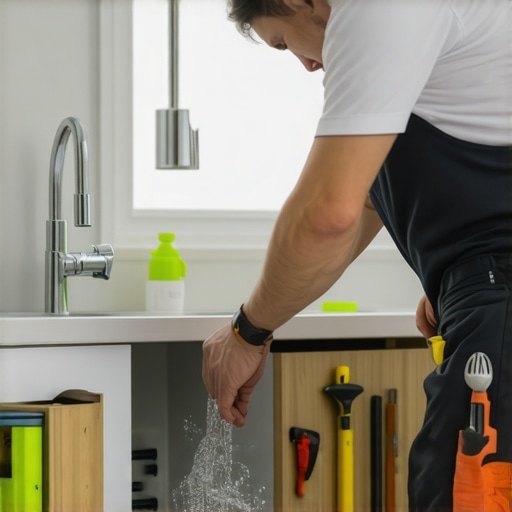
Ever been in the middle of cleaning up dinner, only to hear that dreaded hum and then silence from your kitchen sink? That’s the moment I realized my garbage disposal had decided to take an unannounced vacation. It was a frustrating, greasy mess—literally and figuratively—and I knew I wasn’t alone. Many homeowners face the nightmare of a dead disposal without calling in a plumber, often out of fear of high costs or simple stubbornness.
Why It Matters to Fix That Disposal Yourself
Let’s face it—our garbage disposals are silent workhorses, chewing through food scraps, keeping our kitchens odor-free, and preventing clogged drains. When they die unexpectedly, the inconvenience can pile up quickly. Plus, the thought of calling a pro, scheduling appointments, and paying hefty bills can be daunting. But here’s the truth: with a little know-how, you can breathe new life into that stubborn disposal without professional help. Not only will this save you money, but it also empowers you to tackle minor repairs confidently, cutting down on downtime and avoiding the dreaded kitchen backup.
In my own experience, attempting a quick fix over several weekends saved me hundreds of dollars and restored my confidence in DIY repairs. And I learned early on that the most common issues are often simple blockages or stuck components—problems you can solve with a few household tools and an understanding of your appliance. But beware—the first mistake I made was ignoring safety precautions, risking electrical shock. For that reason, I always recommend turning off power and following proper safety procedures before attempting any repairs. Want to learn the proven steps to revive your disposal? Keep reading—I’ll walk you through the process, step-by-step, and help you avoid the pitfalls that even seasoned DIYers sometimes stumble into. If you’ve ever faced this issue and wondered if that hum was the end, you’re in the right place. And did you know? According to a study by the Consumer Product Safety Commission, nearly 2,000 people each year experience injuries from DIY appliance repairs due to inadequate safety measures. So let’s do this safely and successfully together!
Turn Off Power and Gather Your Tools
Before diving into repairs, ensure safety by switching off the circuit breaker supplying power to your disposal. This prevents accidental activation, which could lead to injury. Gather necessary tools like pliers, a screwdriver, a flashlight, and a putty knife. Remember, safety first—never work on the disposal while it’s powered. Once powered down, double-check with a voltage tester to confirm there’s no electricity flowing.
Identify and Clear Blockages
Many disposal issues stem from food jams or foreign objects lodged inside. Use a flashlight to inspect the disposal’s interior through the sink opening. Wearing gloves, attempt to manually remove obstructions with pliers or a wrench. For stubborn jams, insert an Allen wrench into the bottom center socket to manually turn the motor and dislodge debris. During my first attempt, I used a broomstick to gently turn the blades—be cautious to avoid damaging the blades or motor. Clearing blockages often restores function without further repair.
Reset the Disposal and Investigate Mechanical Failures
If the disposal hums but doesn’t spin, it indicates the motor is trying to work but is jammed or stuck. Locate the reset button on the bottom of the unit—usually a small red button—then press it to reset the motor. If pressing reset doesn’t resolve the issue, the problem could be with the flywheel or the motor itself. Sometimes, freeing a jam and pressing reset can revive the disposal, saving you a service call. For ongoing issues or internal component failures, consider professional repair or replacement.
Ensure Proper Installation and Secure Connections
An improperly installed disposal can cause leaks, noise, or failure. Check that the unit is tightly connected to the mounting assembly and that the dishwasher inlet and drain pipes are correctly secured. Use a level to verify the position; an uneven installation can strain components. If necessary, consult the manufacturer’s installation guide or professional installation services to guarantee safety and longevity. Proper setup not only prevents future problems but also extends the warranty coverage in case of faults.
Consider Professional Help for Persistent Problems
If these steps don’t resolve the issue or if you’re uncomfortable performing repairs, it’s wise to seek expert assistance. Choose a service provider that offers same-day repairs with warranty support. Experienced technicians can diagnose and fix complex problems efficiently, often with warranty-backed services that give you peace of mind. Remember, attempting to fix electrical or mechanical parts without proper knowledge can be dangerous—it’s better to act safely and let professionals handle tricky issues.Many homeowners believe that installation and repair are straightforward, quick fixes, but the reality is far more nuanced. A common myth is that any technician offering a quick service can handle complex appliance issues; however, **not all repairs are created equal**, and rushing through installation can lead to long-term problems, including voiding warranties. For example, improper installation of your dishwasher or refrigerator can cause leaks, inefficiency, or even damage the unit’s electronic controls over time, which many overlook. According to experts at the Appliance Repair Association, proper installation ensures safety, efficiency, and longevity—factors that DIY attempts or inexperienced technicians often neglect.
Why Do So Many Fumble the Warranty Game and What’s the Real Cost?
One glaring mistake is misusing warranties by not understanding their coverage limits or neglecting to follow specific maintenance procedures. Many believe warranties cover all repairs, but in reality, most exclude damage caused by improper installation or maintenance—costs that fall squarely on the owner. For instance, failing to register your appliance or ignoring recommended servicing intervals can invalidate warranty claims when problems inevitably arise. A recent study by Consumer Reports revealed that nearly 30% of warranty issues stem from owners’ lack of awareness about covered components or misinterpretation of the fine print. To truly leverage your warranty benefits, it’s crucial to work with certified professionals who follow manufacturer guidelines, such as those at warranty-backed service providers. This ensures repairs are legitimate and preserves your coverage in case of future breakdowns.
Another common misconception revolves around the idea that same-day service is always available or that it guarantees quality. While many companies promote fast turnaround times, the key lies in choosing providers who prioritize reliability over mere speed. Quick fixes might seem convenient, but without proper diagnostics, the root cause might remain unresolved, leading to repeat visits and added costs. For consumers seeking peace of mind, understanding the difference between urgent and effective service is essential. Look for trusted specialists with a track record of same-day repair solutions with warranty support. This way, you benefit from prompt assistance backed by guarantees, reducing the risk of recurring issues that can surface after hurried repairs.
Be mindful of the traps: attempting complex repairs yourself without adequate training, or hiring unqualified technicians, can damage your appliance or even compromise safety. For example, miswiring a new smart control board or neglecting to deactivate power sources before repairs can lead to electrical shocks or device failure. Always verify credentials and look for reviews before engaging a service. Remember, a proper installation or repair isn’t just about fixing a problem—it’s about doing so in a way that prolongs the device’s lifespan and maintains safety standards. For comprehensive guidance, you can consult specialized resources like expert guides on appliance repair and installation. Best practice? Hire certified technicians with a proven track record, and never underestimate the importance of following manufacturer instructions and safety protocols.
In summary, unraveling the false assumptions about appliance repair and installation can save you significant money and hassle. Recognize that quick fixes are often superficial, and genuine reliability comes from precision, adherence to standards, and trusting experienced professionals. Have you ever fallen into this trap? Let me know in the comments below, and stay tuned for more insights into keeping your appliances running smoothly.
Investing in the Right Equipment Saves Time and Money
Having a well-stocked toolbox is crucial for keeping your appliances in top shape. I personally rely on a high-quality multimeter because it helps me quickly diagnose electrical issues without guesswork. A digital multimeter allows for precise voltage and continuity checks, essential when ensuring that safety switches or wiring connections are functioning correctly. I also recommend a cordless cordless drill with adjustable torque settings, which speeds up tasks like removing or installing mounting brackets efficiently. For cleaning stubborn grime or clogs, a flexible plumber’s snake can be invaluable, especially when dealing with drain lines or water inlet valves. Combining these tools with a good service manual for your specific appliance model ensures you’re well-equipped to handle most common issues.
Use Software and Apps for Better Diagnostics
Modern appliances, especially smart ones, often come with diagnostic apps that can pre-identify problems or guide you through troubleshooting steps. For instance, many smart refrigerators have touchscreen interfaces that display error codes—familiarize yourself with these, and consult manufacturer guides to interpret them. Additionally, some appliance repair platforms offer remote consultations or step-by-step video guides, which can save you time and frustration. Staying current with firmware updates and using manufacturer-approved apps can also extend the lifespan of your appliances by ensuring you have the latest repair protocols. In the near future, I predict a rise in AI-powered diagnostic tools that can analyze appliance behavior via connected sensors, making preventive maintenance more accessible to homeowners.
Prioritize Safety with Proper Equipment and Practices
Before attempting any repair, always wear insulation gloves and use tools with insulated handles to prevent electrical shocks. I keep a reliable voltage tester close at hand—it’s cheap but invaluable for verifying that power has truly been disconnected before work begins. Invest in a cordless, battery-powered LED work light, which ensures bright illumination in tight or poorly lit areas, reducing accidents. Remember, safety isn’t just about personal protection; it includes verifying that your appliance is properly grounded to prevent electrical surges or fires. Following manufacturer instructions and referencing trusted resources like expert guides to appliance repair can prevent mishaps and prolong your appliance’s life.
How do I maintain appliance performance over time?
Routine maintenance is your best defense against unexpected breakdowns. Schedule regular inspections and cleaning, such as descaling coffee makers or cleaning refrigerator coils, with specialized brushes and cleaning solutions. For water-using appliances, replacing filters and inspecting hoses every six months helps prevent leaks and clogs. Documenting maintenance activities in a dedicated log, which can be as simple as a spreadsheet, helps track issues before they become costly repairs. Also, keep an eye on firmware updates for smart appliances—these often include security patches and performance enhancements, which are essential for longevity. Staying proactive ensures your appliances remain efficient and reduces emergency service calls.
Implementing these tools and practices has significantly increased my success rate in DIY repairs. If you want to take your maintenance skills further, try calibrating your smart thermostat following the detailed instructions in this expert guide. Proper calibration can improve energy efficiency and extend device lifespan. Remember, smart maintenance is an ongoing process—investing in quality tools today means fewer headaches tomorrow.
The Hardest Lesson I Learned About installation,appliance repair,same-day service,warranty
One of the most valuable lessons I discovered was that not all warranties are straightforward—some have hidden clauses, and rushing repairs without proper safety measures can lead to costly damage or injury. I once attempted a quick fix on my dishwasher without fully understanding the warranty intricacies, only to find out I voided my coverage. This taught me to always read warranty fine print carefully and work with certified professionals when in doubt.
3 Myths About installation,appliance repair,same-day service,warranty That Held Me Back
- Myth 1: DIY repairs will always save money. Reality: Without proper tools and expertise, repairs can linger, and mistakes can be costly.
- Myth 2: Warranties cover every problem. Reality: Exclusions often apply, especially if repairs aren’t documented properly or performed by unlicensed technicians.
- Myth 3: Same-day service guarantees quality. Reality: Speed is important, but thorough diagnostics and proper repairs are what truly extend appliance life.
What Experts Won’t Tell You About installation,appliance repair,same-day service,warranty
Many professionals prioritize quick fixes over long-term solutions, and that can be misleading. For example, I learned that ensuring your appliance is installed following manufacturer standards prevents future leaks and inefficiencies. Also, working with reputable, warranty-backed service providers, like those at this trusted partner, ensures your repairs are legit and backed by guarantees, saving headaches down the line. Remember, quality installation and repair are investments, not expenses.
Your Turn to Try
Taking control of your appliance repairs can save you money and boost your confidence. Start with small projects, always prioritize safety, and don’t hesitate to seek professional help when needed. The more you learn, the more you’ll see DIY not as a shortcut but as a pathway to mastery. Ready to give it a shot? Share your experiences or questions below—I’d love to hear how you’re taking charge of your appliance care!