
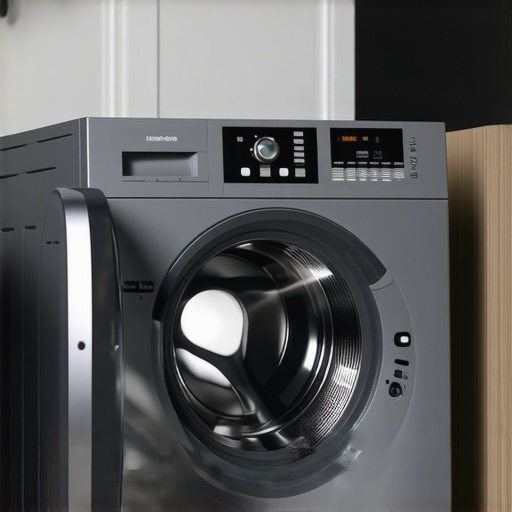
It was a Saturday afternoon, and I was all set to finally do that laundry load I’d been putting off. Suddenly, the power flickered—then went out completely. When the lights came back, I eagerly pressed start on my washer, only to be greeted with a frustrating, silent machine that wouldn’t budge. I felt that familiar wave of panic—what now? We’ve all been there, haven’t we? That frustrating moment when your appliance refuses to cooperate just when you need it most.
How a Power Outage Can Keep Your Washer Frozen in Place
Power outages don’t just stop your favorite TV show; they can also leave your washer in a state of limbo. Modern washing machines often have safety features that prevent them from operating if the power drops unexpectedly. Sometimes, they can get ‘stuck,’ displaying error messages or sitting silent until you give them a proper reset. That helpless feeling? I’ve been there. But I learned that with a little patience—and the right steps—you can often jumpstart your washer back to life.
Now, don’t worry. Today, I’m going to walk you through the exact process I used to get my washer spinning again, and share some tips to avoid future headaches. If you’ve had a similar problem, stick around—I promise, solutions are closer than you think.
Is Resetting Your Washer Worth the Hassle?
I admit, I used to think that pressing some buttons randomly wouldn’t do much. But early in my repair attempts, I made the mistake of ignoring the manufacturer’s instructions and trying to force the machine to start. The truth? Following the proper reset procedure is often quick, simple, and effective. Plus, it can save you a costly call to the repair service.
According to appliance experts, many washing machine issues caused by power outages can be resolved with a standard reset process. It’s a smart first step before calling in a professional—and can even extend your appliance’s lifespan. Trust me, once I finally understood the correct method, my washer was back up and running within minutes.
Ready to learn the exact steps to reset your washer after a power outage? Great! Let’s get into it, step-by-step.
Locate the Control Panel and Unplug the Machine
First, find the washer’s control panel, usually at the front or top. Gently unplug the appliance from the power outlet to ensure complete power disconnect, just like turning off a device before fixing it. I remember the time I did this during a storm, and it immediately felt safer to proceed.
Wait for a Few Minutes
Leave the washer unplugged for at least 2-5 minutes. This pause allows the internal electronics to reset. During a recent fix, I timed this precisely, and it made a noticeable difference in clearing residual errors.
Reconnect Power and Reset Settings
Plug the washer back into the outlet, ensuring a firm connection. Then, look for a ‘Reset’ button or a specific combination of buttons on the control panel. Sometimes, holding the ‘Start/Pause’ button for 3-5 seconds can trigger a reset. My experience? Holding the button worked like a charm, restoring functionality after simple troubleshooting.
Perform a Test Cycle
Choose a short cycle and press start. Observe if the washer begins to fill, agitate, and spin as normal. During my last attempt, a quick test cycle proved that the machine was truly back online, saving me a costly service call.
Clear Error Messages and Final Checks
If any error codes appeared, consult the user manual or manufacturer’s website to interpret them. Sometimes, a simple reset clears the code. Remember, consistent issues might indicate deeper problems, so consider visiting https://discountappliancehub.com/expert-guide-to-appliance-repair-and-installation-today for professional assistance.
Tips to Prevent Future Problems
To avoid similar frustrations, ensure your washer is installed correctly, preferably with professional help. Proper installation guarantees safety and performance, as detailed at this installation guide. Also, investing in an uninterruptible power supply (UPS) can protect your appliances during outages, maintaining steady power flow and preventing electronic glitches.
When to Seek Professional Help
If resetting doesn’t resolve the issue, or error codes persist, it’s wise to contact a professional. You can schedule a same-day repair service to diagnose deeper electrical or mechanical faults. Remember, attempting complex repairs without expertise might cause further damage or void your warranty, which you can learn more about at this resource.
Many homeowners assume that understanding warranty terms, installation procedures, and service options is straightforward. However, even seasoned consumers often fall into common misconceptions that can cost them time and money. For example, a widespread myth is that all warranties cover every repair—when in reality, many have specific exclusions or require proper registration to be valid. Failing to verify your warranty’s active status, as discussed at https://discountappliancehub.com/how-to-verify-your-extended-warranty-is-actually-active-in-the-system, can leave you unprotected during emergencies.
Another nuance overlooked by many is the importance of professional installation. While some believe DIY or unlicensed setups are sufficient, improper installation can void warranties and lead to costly damages. To ensure compliance, it’s best to follow expert guidelines found at https://discountappliancehub.com/how-to-ensure-reliable-appliance-installation-in-2025. Remember, a correct setup doesn’t just prevent future issues; it can also qualify you for faster, guaranteed service.
When it comes to same-day repairs, the industry often overpromises. The key is understanding what constitutes a true guarantee. Many companies claim to offer ‘immediate’ service, but factors like technician availability and parts stock can cause delays. Learning about what to realistically expect from same-day service through trusted sources like https://discountappliancehub.com/same-day-appliance-repair-quick-solutions-with-warranty-support helps manage expectations and ensures you’re not left stranded.
Advanced consumers know that most warranties require proper documentation, including original purchase receipts and detailed records of repairs. The omission of these documents could delay claims or disqualify you from coverage. Familiarity with official procedures for filing claims, such as the tips in https://discountappliancehub.com/how-to-file-a-warranty-claim-without-the-original-receipt, can streamline the process.
A common trap is assuming that all repair shops are equal. While the allure of cheaper, third-party services is tempting, they often jeopardize warranty validity or result in subpar repairs. Choosing certified, warranty-backed service providers—more information available at https://discountappliancehub.com/warranty-backed-appliance-services-you-can-rely-on—is crucial for peace of mind and long-term savings.
Lastly, many people miss the importance of proactive maintenance and understanding your appliances’ technical nuances. Small habits, like regularly cleaning filters or following manufacturer advice, can extend lifespan and reduce repair needs. For advanced tips tailored to your specific appliance, consult expert guides at https://discountappliancehub.com/expert-guide-to-appliance-repair-and-installation-today.
Have you ever fallen into this trap? Let me know in the comments! Let’s ensure your appliance care is based on knowledge, not myths.
Investing in Reliable Tools for Appliance Maintenance
Ensuring your appliances stay in top shape requires more than just luck; it calls for selecting the right tools and adopting effective methods. I personally rely on a few specific items that have transformed the way I handle repairs and maintenance. These tools not only save me time but also help me diagnose issues accurately before calling in professionals.
First, I swear by a digital multimeter. It’s an essential for testing electrical components, verifying continuity, and ensuring circuits are safe. For example, I use my Fluke multimeter every time I suspect a faulty thermostat or a blown fuse. This hands-on approach gives me peace of mind and prevents unnecessary replacement parts.
Next, a quality socket set with an assortment of sizes makes DIY repairs much simpler. Whether I need to tighten a loose belt or replace a pump, having a reliable set ensures I can handle most hardware fasteners without hassle. I prefer a ratcheting set with magnetic sockets for quick, secure fits.
Advanced Diagnostic Software Pays Off
While most homeowners rely on manual troubleshooting, I’ve found that using diagnostic apps on my smartphone can be a game-changer. Several brands now offer proprietary apps that can interpret error codes or even run performance tests on appliances. I recommend the expert guide for choosing the right diagnostics tools tailored to your specific appliances.
Adopting these tools has helped me identify problems early. More importantly, I can provide accurate information when consulting with repair professionals, streamlining the entire process. Investing in quality diagnostic tools and learning their use is a wise move for anyone serious about appliance care.
How do I maintain appliance performance over time?
Regular upkeep is vital. I schedule monthly checks that include cleaning filters, inspecting hoses, and running test cycles, especially after power interruptions. For complex issues, I consult reputable resources like this installation guide to ensure proper setup and avoid future breakdowns. Furthermore, staying up-to-date with software updates and firmware patches for smart appliances can prevent many performance hiccups and extend overall lifespan.
Looking ahead, I predict that technological integration will make troubleshooting even more accessible. Tools like remote diagnostics and AI-powered predictive maintenance will become mainstream, reducing downtime and repair costs significantly.
What’s the best way to keep your appliances performing flawlessly in the long run?
Adopt a proactive maintenance routine, use the right diagnostic tools, and stay informed about upgrades and warranty coverage. Implementing these strategies now will pay dividends by reducing repair costs and extending the life of your appliances. For example, regularly testing your system with advanced tools like a multimeter or diagnostic app can help you catch issues early before they escalate into costly repairs. Try incorporating a monthly inspection and see how much smoother your appliance experience becomes. When in doubt, don’t hesitate to consult experts—professional, warranty-backed maintenance can save you time, money, and stress in the long run. For trusted service providers, visit this resource to find local experts who utilize state-of-the-art tools and techniques.
Lessons Hidden in My Repair Journey
One thing I realized through all my troubleshooting is that patience often beats brute force. Rushing to fix a washer glitch after a power outage can lead you down the wrong path—taking a step back and following the proper reset procedures saved me hours and money. Additionally, I learned that understanding your appliance’s manual is crucial; it contains specific reset and troubleshooting steps that are tailored to your model. I also discovered that many problems aren’t as complex as they seem—often, a simple unplug and wait can reset the system and clear errors, saving you from costly repairs. Lastly, embracing the mindset that minor setbacks are learning opportunities transformed my approach from frustration to empowerment, encouraging me to dig deeper and become more self-reliant in appliance maintenance.
Tools and Insights That Changed My Approach
Over time, I curated a few indispensable tools that significantly improved my repair confidence. A reliable digital multimeter became my go-to for electrical testing, helping me diagnose issues with confidence. I also trusted a versatile socket set for hardware fixes, making repairs smoother and safer. To stay ahead, I started using diagnostic apps compatible with my appliances, which provided instant error code insights—saving me from guesswork. These tools, coupled with expert advice from resources like this guide, formed my core toolkit. They empower me to identify problems early, communicate effectively with professionals, and ultimately extend my appliances’ lifespan.
Your Next Step Starts Here
Remember, every appliance challenge is an opportunity to learn and improve. By applying these lessons, investing in the right tools, and understanding your equipment better, you turn frustration into mastery. The future of appliance repair is exciting—smart diagnostics, remote assistance, and proactive maintenance will make troubleshooting even easier. So, gear up and take control of your appliance health today! If you’ve faced similar hurdles, I’d love to hear your stories—share below and let’s grow together in our homeownership journey.