
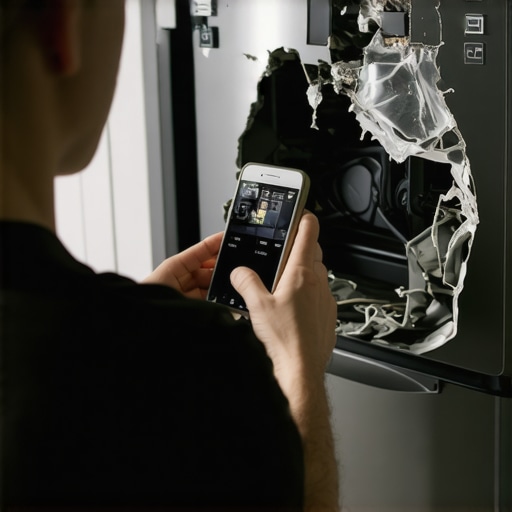
It happened on a hectic Monday morning. I was rushing to prepare breakfast when I heard that dreaded grinding noise coming from my dishwasher. Instead of the smooth operation I’ve grown accustomed to, it had suddenly become a malfunctioning nightmare. In that split second, I realized I was unprepared—not just because of the inconvenience, but because I didn’t know how to properly document the damage for my warranty claim. That lightbulb moment made me wonder—how many of us find ourselves in similar chaotic situations, scrambling to prove our appliance’s plight?
Why Proper Documentation Can Make or Break Your Warranty Claim
Having faced the frustration firsthand, I learned that good documentation isn’t just a helpful tip—it’s a lifeline when dealing with appliance issues and warranty disputes. Without clear evidence of damage, repairs can turn into prolonged battles, leaving you out-of-pocket and frustrated. Accurately capturing the problem allows you to present a compelling case, ensuring your warranty provides the support you need. According to a study by the Consumer Product Safety Commission, proper claim submissions significantly increase the likelihood of coverage approval, saving consumers hundreds of dollars in repairs.
Is Documenting Appliance Damage Really Worth the Hassle?
I used to think documenting damages was an unnecessary extra step—until I overlooked this simple process during my last crisis. Early on, I failed to take enough photos or keep detailed notes, which delayed my warranty approval and cost me precious time. That mistake taught me the importance of organizing my evidence upfront, making the process smoother and more efficient. If you’re like me, wondering whether all this effort is worth it, just remember: a well-documented claim can be the difference between quick repairs and weeks of warranty woes. Curious how to get started? Stay tuned—I’ll guide you through the precise steps to document your appliance damage properly and protect your warranty rights.
Document Immediately After the Issue Occurs
As soon as you notice a malfunction or damage, grab your smartphone or camera and snap clear, well-lit photos from multiple angles. For instance, during a microwave malfunction, I took photos of the control panel and interior components, capturing any visible cracks or irregularities. This immediate action prevents forgetfulness and ensures evidence isn’t lost in the chaos.
Create Detailed Notes of the Damage
Write down what you observed, including sounds, smells, and performance issues. For example, I noted that my dishwasher made a grinding noise during normal cycles and documented the time it started. Incorporate specific details like model numbers and the date of occurrence to strengthen your claim and simplify troubleshooting for technicians.
Record the Damage Timeline
Maintain a chronological record of events leading to the damage. When my dryer started overheating, I logged the date and conditions, such as load size or washing cycles, which later helped technicians pinpoint the cause faster. This timeline offers context, making it easier for warranty providers to assess your claim.
Use a Consistent Method of Evidence Collection
Stick to a standardized approach: use the same lighting, angles, and note-taking style. During my fridge coolant leak, I used a notebook to jot down observations on the fridge’s performance and date each photo. Consistency ensures your documentation is clear, professional, and easy to review by warranty representatives.
Organize Your Evidence for Quick Access
Create a dedicated folder on your device or cloud storage. I used a labeled folder titled “Appliance Damage” to keep all files in one place. This organization allows you to submit your claim swiftly, reducing delays and increasing your chances for a prompt warranty resolution.
Communicate Your Evidence Clearly
When contacting warranty services or appliance repair specialists, send your photos and notes in an organized manner. Attach images with descriptive filenames like “Leak_Dishwasher_March2024” and summarize your findings in a brief email. Clear, well-structured evidence presentation can expedite approvals and repairs.
Leverage Professional Help When Needed
If documenting damage feels overwhelming, consider professional inspection services. Many experts can assess and record issues with precision, providing official reports that reinforce your claim. You might find this helpful especially if the damage isn’t visibly obvious but impacts performance, as was the case with my irregular oven heating patterns.
Remember, thorough documentation isn’t just about collecting proof—it’s about telling the complete story of your appliance’s issues. Proper evidence can be the key to ensuring your warranty works for you, saving time and money in the long run.
Many assume that installing an appliance correctly and relying on same-day service guarantees smooth warranty claims, but the truth is far more nuanced. One common misconception is that any professional installation suffices for warranty eligibility. However, manufacturers often specify strict installation requirements, such as proper grounding and positioning, which beginners or unqualified technicians may overlook. According to the National Appliance Installation Guidelines, improper setup can void warranties, leading to costly repairs down the line.
Why do so many warranty disputes stem from installation errors?
Because manufacturers enforce precise installation standards, even minor deviations—like incorrect venting or unprofessional leveling—can cause damage and invalidate warranty coverage. This is where understanding the intricacies of professional installation, such as verifying certification and adherence to manufacturer specifications, becomes essential. For more comprehensive guidance, visit our expert installation guide. Conversely, a prevalent trap involves overestimating the reliability of same-day service. While rapid repairs sound ideal, many consumers don’t realize that quick fixes might be superficial or improperly executed without thorough diagnostics. A quick repair without proper assessment can mask underlying issues, leading to recurring problems or warranty claim rejections. Be cautious about providers promising rapid service without discussing troubleshooting procedures; check their credentials and ensure they perform comprehensive evaluations. An overlooked aspect relates to warranty claims—many believe that any repair, regardless of how it’s done, will automatically be covered. The reality is that warranty coverage can be contingent on following specific procedures, like using certified parts and documenting every repair step. Failing to keep detailed records or getting repairs from unapproved technicians can jeopardize warranty support. This is especially true for complex appliances where improper repairs may cause further damage, which isn’t covered under warranty. To maximize your warranty benefits, it’s prudent to consult certified repair professionals and understand your warranty’s fine print, such as the clauses outlined in our warranty-backed services. For instance, some extended warranties exclude coverage if repairs are not properly documented or performed by authorized specialists. Furthermore, an advanced mistake is neglecting to consider the nuance between manufacturer warranties and service contracts. Many consumers think they’re interchangeable, but experts emphasize that manufacturer warranties often have limitations regarding coverage scope, parts, and technician qualifications. Reading the fine print, like warranty exclusions for accidental damage or specific maintenance procedures, can save you from surprises during claims. Studies, such as one by Consumer Reports, reveal that understanding these subtle distinctions greatly increases the likelihood of successful warranty resolutions. So, next time you schedule an installation or repair, ask yourself: are you ensuring that the process aligns with warranty requirements and manufacturer standards? Would you benefit from professional guidance tailored to your appliance and warranty coverage? Don’t let superficial assumptions lead you astray—deep knowledge and meticulous documentation are your allies. Want to learn more about how to avoid these common traps? Check out our detailed guide to reliable installation and stay ahead of costly mistakes. Have you ever fallen into this trap? Let me know in the comments.
Prioritize Proper Maintenance for Longevity
Keeping your appliances in top shape requires more than just occasional cleaning; it involves scheduled upkeep using reliable tools. Personally, I swear by a high-quality digital multimeter such as the Fluke 117, which I use to test electrical components like heating elements and circuit boards. Investing in a sturdy multimeter helps me quickly identify issues before they escalate, saving time and money. Regularly inspecting parts with such tools prevents unexpected breakdowns and ensures your appliances operate efficiently over the long term.
What Are the Best Methods for Ongoing Appliance Care?
From cleaning condensers to replacing filters, consistent maintenance is key. For example, I replace the air filters in my HVAC system every three months using a MERV 13 filter — specifically recommended for its balance between airflow and filtration efficiency. Additionally, keeping tools like a vacuum attachment handy allows me to remove dust from vents and coils, which enhances appliance performance. According to industry standards outlined in the ASHRAE guidelines, routine checks can prolong the lifespan of HVAC units significantly.
Automate Your Monitoring with Smart Detectors
I also incorporate smart sensors like the Fibaro Smoke Sensor and Carbon Monoxide Detector into my home system. These devices send real-time alerts to my phone when anomalies occur, enabling immediate action. This proactive approach minimizes damage and helps maintain appliance performance. Looking ahead, I predict that integrating AI-driven diagnostic tools will become standard, offering even more precise maintenance insights and reducing downtime. Embracing technology now not only enhances current efficiency but also future-proofs your appliances against unexpected failures.
How do I sustain appliance performance over time?
Developing a routine with specific tools ensures consistent results. For example, using a digital leak detector like the HDX Electronics Leak Detector helps me catch hidden leaks early on. I also schedule seasonal tune-ups with professional services, which often include comprehensive checks using advanced diagnostic equipment. Can you imagine the benefits of combining precision tools with expert maintenance? For further insights into selecting the right tools, visit our expert guide.
Consistent upkeep with dedicated tools not only extends appliance life but also maintains efficiency, ultimately reducing your long-term costs. Don’t wait until a minor issue becomes a costly repair — start implementing these advanced maintenance strategies today. For example, try calibrating your thermostat with a digital laser thermometer to ensure accurate temperature readings, which can improve furnace performance. Remember, proactive care is your best defense against appliance failure, and the right tools make all the difference. Explore more about reliable appliance maintenance and stay ahead of potential problems by checking our comprehensive resources and becoming your own home technician.
Lessons No One Tells You About Keeping Your Appliances Protected
Over the years, I’ve realized that the real secret to hassle-free appliance repairs is less about fixing and more about forethought. One lightbulb moment was understanding that meticulous documentation during an issue can dramatically turn the tide in your favor—saving time, money, and frustration. It’s not just about taking photos; it’s about capturing the story of your appliance’s health and presenting it convincingly when warranty claims are involved. Trust me, years of experience have shown me that this knowledge is gold that most homeowners overlook until it’s too late.
Tools and Tips That Changed My Approach to Appliance Care
From high-quality digital multimeters like the Fluke 117 to professional inspection services, I’ve found that investing in the right tools and trusted resources makes all the difference. These tools help me catch issues early, perform accurate diagnostics, and provide solid evidence when I need to activate my warranty. For insights into choosing the tools that will empower you, check out our expert guide to appliance repair. Remember, relying on reputable sources and professional help isn’t a sign of weakness but a smart move towards long-term appliance longevity.
Seize the Moment: Don’t Wait for a Crisis
The most powerful step you can take is to act immediately at the first sign of trouble. Whether it’s snapping photos of a leaking fridge or noting unusual sounds from your dishwasher, prompt action ensures your evidence is irrefutable. Don’t fall into the trap of thinking minor issues will resolve themselves; these small signals often escalate, costing you more. Develop a routine — use the right tools, document every detail, and stay proactive. It’s your best defense against being stranded when your appliance suddenly breaks down.
Insider Wisdom to Avoid Repair and Warranty Pitfalls
- Proper installation isn’t just a step—it’s the foundation. Manufacturers often specify strict setup procedures, and overlooking these can void your warranty and lead to future headaches. Verify technician credentials and adhere to all guidelines; for guidance, see our installment checklist.
- Sooner isn’t always better—especially with repairs. While same-day service sounds tempting, rushing to a technician without understanding the root cause can result in superficial fixes that don’t hold up. Choose providers known for thorough diagnostics, not just quick fixes.
- Know your warranty’s ins and outs. It’s tempting to assume coverage covers everything, but terms often exclude accidental damage or improper repairs. Read the fine print, and consider professional, certified technicians for repairs—this safeguards your warranty and your investment.
Embrace Smart Maintenance to Keep Appliances Running Smoothly
Regular checks, using quality tools like digital leak detectors, and seasonal tune-ups are essential. Incorporating smart sensors for early alerts can prevent costly emergencies—think of it as having a home tech assistant watching out for issues 24/7. The key is establishing a routine: replace filters on schedule, calibrate thermometers for consistent performance, and stay ahead of potential failures. Doing so transforms your approach from reactive to proactive, giving your appliances a longer lifespan and saving you money in the process.
Action Now: Elevate Your Appliance Care Game
Your appliances are more than just convenience—they’re investments that deserve attention and respect. By documenting issues thoughtfully, using the right tools, and implementing smart maintenance, you’re taking control of your home environment. Don’t wait for breakdowns to remind you of their importance—start today and experience the peace of mind that comes with being prepared. Dive into our resources, stay informed, and turn appliance care into a habit rather than a hassle.