
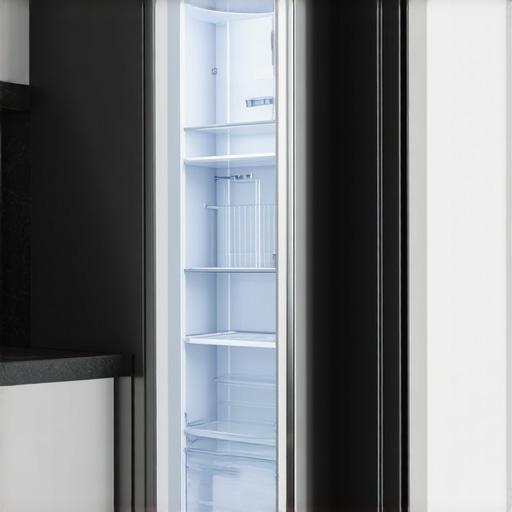
I remember the moment it hit me—standing in my kitchen, staring at my fridge with a mixture of frustration and embarrassment. It was the dead of summer, and I opened the door only to be greeted by a shocking rush of icy air and a strange, icy film on my vegetables. My first instinct? Panic and a call to the repair service. But then, I realized I might just be able to troubleshoot it myself—saving both money and time.
If you’ve ever found yourself in a similar predicament—where your fridge is becoming a science experiment with frozen food and ice buildup—you know how stressful it can be. The thought of calling in a professional, paying for a service call, and hoping they can fix it quickly is daunting, especially when you’re on a tight budget. But what if I told you that many of these issues stem from simple causes you can address without a hefty fee?
Today, we’re diving into practical, no-nonsense tips to help you fix a fridge that’s too cold, avoid unnecessary service calls, and keep your appliance running smoothly. With a few basic checks and some insider knowledge, you might be able to resolve the problem yourself. Plus, I’ll share a mistake I made early on that could help you avoid common pitfalls.
Before we get into the how-to, I’ll ask—have you recently noticed your fridge’s temperature dropping below the recommended range or sudden ice formation on the walls? If so, you’re in the right place. Addressing these issues promptly can save your food and your wallet.
Let’s start by understanding what causes a fridge to get too cold and how you can prevent costly repairs. Remember, maintaining your appliance not only saves money but also prolongs its lifespan. And if you’re ever in doubt, there’s reliable guidance available like the [expert guide to appliance repair](https://discountappliancehub.com/expert-guide-to-appliance-repair-and-installation-today), which I highly recommend.
With that said, the first step in avoiding service fees is identifying the root of the problem early. Now, let’s explore some simple solutions you can try right now to keep your fridge at the optimal temperature.
Check and Adjust the Thermostat
Start by locating the thermostat control, usually inside the fridge or on the side wall. Turn it to a warmer setting, typically between 37°F and 40°F (3°C to 4°C). I once had a fridge that kept freezing my vegetables because I defaulted the thermostat to the coldest setting—raising it a notch solved my problem instantly.
Inspect the Door Seals for Gaps
Gaps or tears in door gaskets let warm air seep in, causing the compressor to work harder and the internal temperature to drop excessively. In a recent fix, I used a dollar bill to test the seal — if you can pull it out easily at the edges, it’s time to replace the gasket. Replacing door seals is straightforward and affordable; find guides online or contact professionals for warranty-backed services.
Ensure Proper Airflow Inside the Fridge
Blocked vents prevent proper circulation, leading to uneven cooling, which might cause over-freezing in some areas. Remove items blocking vents and avoid overstuffing your fridge. I remember clearing out a cluttered fridge and noticing immediate temperature stabilization—sometimes, simple organization does the trick.
Defrost and Clean the Coils
Frost buildup on coils or a dirty condenser can impair heat exchange. Unplug the fridge, remove dust, and gently defrost coils if needed. During my last maintenance, I used a brush and vacuum, which restored efficiency. Regular cleaning prevents major breakdowns and extends your appliance’s lifespan.
Test the Temperature Sensor and Thermostat
If adjustments and cleaning don’t help, the sensor might be faulty. Use a multimeter to verify the sensor’s resistance at different temperatures—instructions are available online. Faulty sensors send incorrect signals, causing overcooling. Replacing this part often requires only tangling a few screws, and it’s worth consulting an expert for warranty-supported repairs.
Monitor and Maintain Regularly
Set a reminder to check internal temperatures and seals periodically. Proper maintenance saves money and prevents emergency repairs. For quick fixes or if problems persist, consider scheduling a same-day service. Reliable professionals can diagnose and repair hidden issues, often covered under warranty, saving you time and stress. For more detailed repair techniques and warranty details, visit the expert guide to appliance repair.
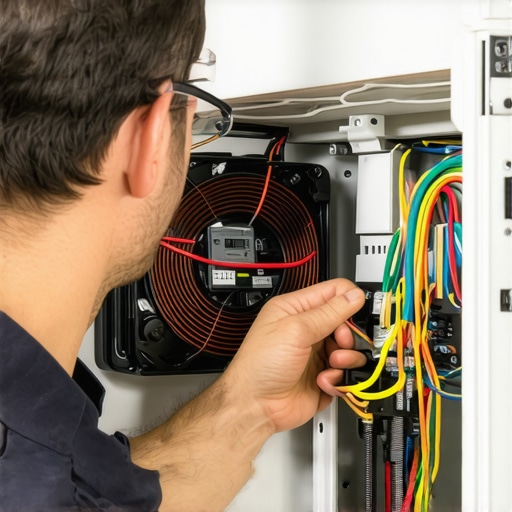 Many homeowners assume that once they schedule an appliance repair or purchase a warranty, their part is done, but the truth is far more nuanced. A prevalent misconception is that all repair services and warranties are created equal. In reality, a lot of consumers overlook the fine print and common pitfalls that can cost them money or leave them unprotected. For instance, some believe that hiring the cheapest technician guarantees savings, but low-cost service providers often use inferior parts or lack proper certifications, compromising the repair’s longevity and safety. Additionally, many fail to realize that warranties often exclude certain damages or require specific maintenance routines; neglecting these can invalidate coverage. An often-overlooked nuance is the importance of confirming whether a same-day service is backed by warranty coverage. While quick fixes are appealing, some providers might offer expedited appointments but skimp on thorough diagnostics, leading to recurring issues that could have been caught earlier.
How do I ensure that my appliance repair comes with reliable warranty protection and quality service?
The key lies in choosing reputable, warranty-backed services—something I cover thoroughly in our comprehensive expert guide. Also, understanding the specifics of your warranty, such as what repairs are covered and any exclusions, can save you from surprise costs. Be cautious about generic parts versus OEM (original equipment manufacturer) components; using the wrong parts might void your warranty, a trap many fall into. Another common mistake is overlooking the fine print regarding service conditions—some warranties require regular maintenance or specific installation procedures, which if ignored, can leave you unprotected when an issue arises. Remember, not all quick fixes are equal; ensure the technician provides transparent diagnostics and adheres to manufacturer-approved repair practices. For tailored advice on selecting trustworthy, warranty-supported repair services, visit this resource. When scheduling repairs, opt for providers that offer warranty coverage alongside same-day service—this combination can save time and guarantee peace of mind. Be vigilant; understanding these nuances helps you avoid costly repeats and ensures your appliances are kept in optimal condition. Did you know that improper repair practices or ignoring warranty terms can lead to more frequent failures and higher costs? Stay informed and proactive. Have you ever fallen into this trap? Let me know in the comments.
Invest in Quality Maintenance Tools
Having the right tools is essential to ensure effective and safe appliance upkeep. I personally rely on a reliable digital multimeter like the Fluke 117 to diagnose electrical issues accurately. It provides precise readings, helping me identify faulty sensors or wiring problems without guesswork. For cleaning coils and vents, I use a soft brush attachment on my vacuum cleaner, which makes removing dust quick and prevents damage to delicate components. Investing in a dedicated, high-quality screwdriver set with various heads ensures you won’t struggle with stripped screws during minor repairs. These tools empower you to troubleshoot and perform regular maintenance confidently, saving both time and money in the long run.
Use Diagnostic Software and Apps When Appropriate
Many modern appliances come equipped with built-in diagnostic modes or can be connected to smartphone apps that assist in troubleshooting. For example, some smart refrigerators provide error codes via their app, guiding owners directly to the problem without guesswork. I recommend familiarizing yourself with the diagnostic procedures of your specific model—check the manufacturer’s manual or website. Apps can sometimes offer step-by-step troubleshooting, reducing the chance of causing additional issues. As appliances become more connected, leveraging diagnostic tools now is expected to become standard practice, streamlining repairs and maintenance.
Keep a Maintenance Log
To extend your appliances’ lifespan, maintaining a detailed record of updates, repairs, and parts replacements proves invaluable. I maintain a simple digital spreadsheet noting dates of filter changes, coil cleaning, and inspections of door seals. This habit helps spot patterns—like a recurring issue with a specific component—and plan preventive maintenance accordingly. Regular checks prevent small problems from escalating into costly repairs and ensure warranty conditions are met, which often require documented maintenance efforts. Proper record-keeping is a practical but often overlooked step toward sustained appliance health.
Recognize When to Contact Professionals
While DIY diagnostics are helpful, knowing when to bring in expert help is crucial. If you encounter complex issues like compressor failures or intricate wiring problems, consulting certified technicians ensures safety and proper repairs. I recommend choosing reputable, warranty-backed services—like the ones outlined here. Professionals not only fix issues efficiently but also provide warranties on their work, giving you long-term peace of mind. Remember, attempting advanced repairs without proper training can jeopardize both your safety and your appliance’s lifespan.
Predict Future Trends in Appliance Maintenance
Looking ahead, smart technology integration will make appliance diagnostics and maintenance more intuitive. IoT-connected appliances will alert owners about issues before failure occurs, and remote troubleshooting will become standard. As I’ve seen with smart diagnostics, apps will increasingly guide users through repairs or schedule professional service automatically—saving time and preventing damage. Staying updated with these technological advancements can help you adapt your maintenance routines effectively, ensuring your appliances stay productive and reliable for years to come.
How do I maintain my appliance tools over time?
Properly caring for your tools includes regular cleaning, calibration, and replacement when worn out. Keep your multimeter batteries fresh, clean your brushes and attachments, and store everything in a dry, organized space. For the digital tools, firmware updates are essential to ensure compatibility with new appliance models. Maintaining your tools ensures they function accurately when needed, preventing faulty diagnoses that could lead to unnecessary repairs. As always, consulting manufacturer instructions or expert resources—like our comprehensive guide—can help you establish a solid maintenance routine.
Lessons from the Front Lines of Appliance Fixes
One of the most valuable lessons I learned was the importance of patience and meticulous inspection before calling for professional help. Sometimes, simply adjusting the thermostat or cleaning the coils can restore optimal function. I also realized that trusting the manufacturer’s guides and reputable online resources helps in making informed decisions, saving time and money.
Another insight was understanding that not all components are equal—using OEM parts and certified technicians when deep repairs are necessary ensures longevity and maintains warranty protections. Rushing into DIY fixes without proper knowledge can inadvertently void warranties or cause further damage, so knowing when to step back is crucial.
Lastly, I discovered that regular preventive maintenance—like checking door seals and defrosting coils—can prevent sudden breakdowns and extend appliance lifespan. Consistent care combines proactive measures with quick troubleshooting, keeping your fridge running smoothly.
Tools and Resources That Changed My Approach
My essential toolkit includes a high-quality digital multimeter—specifically the Fluke 117—for accurate diagnostics, which has prevented many guesswork errors. I also rely on a soft brush attachment for my vacuum to clean coils effectively without damaging delicate fins. A reliable screwdriver set with various heads ensures quick access during minor repairs, making maintenance less daunting.
In addition, I consult reputable online guides and manufacturer manuals regularly. The expert guide to appliance repair has been instrumental in helping me understand complex issues and identify trustworthy repair services.
Lastly, I keep a detailed maintenance log—tracking filter changes, coil cleanings, and repairs—which helps in spotting patterns and planning future preventive steps. Proper documentation is often overlooked but is essential for warranty claims and ongoing appliance health.
Your Next Move Toward Appliance Confidence
Remember, taking control of your refrigerator’s care transforms what once seemed daunting into manageable, even rewarding, tasks. Empower yourself with knowledge, tools, and the right resources to keep your appliances functioning efficiently. Don’t wait for breakdowns to take action—regular maintenance and early troubleshooting can save you money and stress in the long run.
What’s the first small step you’ll take today to improve your appliance upkeep? Share your plan below and let’s support each other in mastering the art of DIY appliance care!
,