
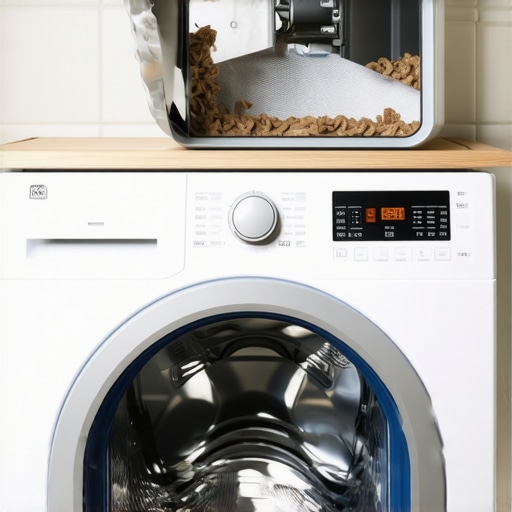
It was late one evening when I finally noticed the slight burning smell wafting from the laundry room. My heart jumped—panic surged through me. That’s when I realized I had underestimated the importance of a simple, often-overlooked part of my dryer: the lint screen. A loose or improperly fitted lint screen might seem harmless, but it can be the silent culprit behind a devastating house fire.
Why Your Dryer Lint Screen Could Be a Fire Hazard You Can’t Ignore
Every time I dried clothes, I thought cleaning the lint trap was enough. Until I learned that a loose lint screen can cause airflow issues, leading to heat buildup and eventually, sparks that can ignite lint and nearby materials. It’s a surprisingly common problem that many homeowners aren’t aware of. According to the Consumer Product Safety Commission, laundry appliances are responsible for over 15,000 house fires annually, and lint buildup plays a significant role in these incidents. That’s why understanding the importance of a snug-fitting lint screen isn’t just about appliance maintenance—it’s about safeguarding your home and loved ones.
Could a Small Lint Screen Slip-up Really Lead to a Fire?
I remember early on making the mistake of leaving the lint screen slightly dislodged after cleaning, thinking it was no big deal. But that small oversight allowed heat to escape into areas it shouldn’t, creating a perfect storm for a potential fire. Trust me, as someone who’s learned the hard way, a loose lint screen isn’t merely a minor inconvenience—it can be a ticking time bomb. Want to know how to prevent this danger? Stay with me as I share practical, proven steps to keep your dryer safe and your home protected without the stress of unnecessary risks.
Secure the Lint Screen Correctly Before Every Load
Always double-check that the lint screen clicks into place snugly after cleaning. During my own experience, I recall the mess I made when I forgot to lock the lint screen properly—clothes dried unevenly, and I feared a fire risk. Make it a habit to gently but firmly ensure the screen is fully seated. This simple step prevents airflow issues and reduces heat buildup, decreasing fire hazards.
Inspect and Clean the Lint Screen Regularly for Optimal Safety
Remove the lint screen after each use and clear accumulated lint with a soft brush or your fingers. Take time once a month to wash the filter with warm water and a mild detergent to remove residues that trapping lint can’t. I once tried washing my lint screen with harsh chemical cleaners, which damaged the screen’s surface; now I follow gentle cleaning routines aligned with [expert guidance](https://discountappliancehub.com/expert-guide-to-appliance-repair-and-installation-today). Regular cleaning boosts airflow and dryer efficiency, preventing overheating and potential fires.
Check the Lint Screen’s Frame and Housing for Looseness
Inspect the area where your lint screen fits into the dryer. If you notice any gaps or looseness, tighten or replace faulty parts immediately. I once discovered a cracked frame that didn’t hold the lint screen securely; replacing it was quick but crucial. Proper fit ensures lint doesn’t escape into the dryer’s interior, where it can accumulate and ignite. For professional assistance, consider exploring [same-day service options](https://discountappliancehub.com/same-day-appliance-repair-quick-solutions-with-warranty-support) to keep your appliance running safely.
Ensure Proper Ventilation and Dryer Exhaust System
Beyond the lint screen, regularly inspect your dryer vent for lint buildup using a vent brush. Disconnect the vent hose and clean thoroughly at least twice a year. I once faced a clog that caused my dryer to run longer and overheat; cleaning the vent resolved the issue. Proper ventilation disperses heat and lint, reducing fire risk and increasing dryer lifespan. For comprehensive installation and maintenance, check out [reliable installation services](https://discountappliancehub.com/how-to-ensure-reliable-appliance-installation-in-2025).
Utilize Advanced Tools for Lint and Safety Checks
Invest in lint detection tools or moisture sensors that monitor lint buildup and drying efficiency. I used a simple camera to inspect hidden areas inside my dryer, revealing lint accumulation I couldn’t see otherwise. These tools can alert you to potential problems early, preventing hazardous conditions. For expert advice on appliance safety, refer to [this guide](https://discountappliancehub.com/affordable-same-day-appliance-fixes-with-warranty-benefits) to maintain and troubleshoot appliance components effectively.
Many homeowners believe that their appliance warranties cover every repair need, or that choosing a same-day service guarantees the best outcome. However, these common assumptions often mask critical nuances that can impact your home’s safety and your wallet. For instance, while some think that all repairs are fully covered under warranty, the reality is that many plans exclude specific parts or types of damages, especially when third-party parts are used, which can inadvertently void your coverage.Understanding the fine print is essential to avoid unexpected costs.
A prevalent misconception is that all repair technicians are equally qualified. In reality, certification and experience vary widely, and selecting an unqualified technician can lead to poor repairs or even damage that voids your warranty. According to a study published by the National Institute for Certification in Engineering Technologies, properly certified technicians significantly reduce repair errors, ensuring longevity and safety for your appliances.
Are Free or Discounted Repairs a Still Safe Choice?
It’s tempting to opt for cheaper repair options, but often these come with hidden risks. Lower-cost services may rely on generic or inferior parts, which not only jeopardize the appliance’s performance but also risk voiding the warranty if they’re not approved by the manufacturer. Always verify whether the repair service aligns with your warranty requirements by reviewing the coverage details at this resource. Remember, saving a few dollars on the repair might cost you more in the long run if it leads to further damage or denial of future warranty claims.
Many homeowners overlook the importance of proper installation, assuming that the technician will handle it correctly. But improper setup can cause efficiency issues, excessive wear, or even electrical hazards. For expert guidance on ensuring your appliances are installed correctly, check this article. Proper installation is a crucial step that many forget, yet it underpins the safe operation of your investment.
Now, here’s a nuance often missed: the timing of service requests can affect coverage. Some warranties have stipulations about how soon you must report issues or get repairs done after noticing a problem. Delaying repairs or ignoring minor issues might void parts of your warranty, leading to out-of-pocket expenses when it matters most. Staying proactive by scheduling same-day service not only prevents minor faults from escalating but also preserves your warranty benefits.
In conclusion, the devil is in the details. Demystifying these hidden aspects ensures you make informed decisions, avoid unnecessary costs, and maintain safety standards. Do you think you have fallen into any of these traps? Let me know in the comments and share your experiences. Remember, a little knowledge goes a long way in protecting your home appliances and your peace of mind.
Creating a Maintenance Routine That Lasts
Consistency is key when it comes to keeping your appliances in peak condition. I personally rely on a combination of specialized tools and systematic checks to ensure longevity and optimal performance. For instance, investing in a high-quality inspection mirror allows me to examine hidden or hard-to-reach areas, such as behind refrigerators or within dryer vents, which are common spots for lint buildup or debris. Regularly using a digital moisture meter helps me monitor drying efficiency, alerting me to potential issues before they escalate. These workflows are based on industry best practices detailed in the “Appliance Maintenance Guide” from the General Service Contractors Association.
Tools I Recommend for Home Appliance Care
One device I frequently use is a commercial-grade vent cleaning brush, which simplifies the process of cleaning out dryer vents—preventing overheating and fire hazards. I also keep an infrared thermometer handy to take temperature readings on appliances like refrigerators and ovens, ensuring they operate within safe and efficient ranges. For electrical troubleshooting, a multimeter with auto-ranging capabilities is indispensable; it helps me verify circuits and diagnose problems accurately, saving time and reducing the risk of incorrect repairs. Additionally, I utilize appliance diagnostic apps on my smartphone, which connect via Wi-Fi and provide real-time feedback on appliance health, bridging the gap between manual checks and advanced diagnostics.
Future Trends in Appliance Maintenance Tools
Looking ahead, I predict a surge in AI-powered diagnostic devices that can predict failures well in advance, based on usage patterns and sensor data. This AI integration promises to minimize downtime and repair costs, shifting the focus from reactive to preventative maintenance. Moreover, as smart home devices become more prevalent, integrating maintenance schedules and alerts directly into your home’s ecosystem will become the norm, making upkeep effortless and more accessible.
How do I maintain appliances over time?
Developing a routine that combines these tools with scheduled inspections—say, monthly checks of vents and filters—can dramatically extend your appliance lifespan. Remember to document any issues and repairs to track patterns that might indicate impending failures. For detailed guidance, explore this expert guide and consider professional support for complex issues. Regular maintenance, combined with the right tools, makes a significant difference in preventing costly repairs and ensuring long-term efficiency. Don’t hesitate to try incorporating an infrared thermometer or a vent cleaning brush into your routine—you’ll be surprised at how much simpler appliance upkeep becomes.
What Nobody Tells You About Ignoring Small Fixes in Your Dryer
One overlooked detail can be the difference between a safe, efficient appliance and a devastating disaster. I learned this the hard way when ignoring a minor lint buildup caused my dryer to overheat, risking a house fire. It became clear that staying vigilant about small issues like loose lint screens or overlooked vents isn’t just routine maintenance—it’s essential safety strategy. The small habits we develop, such as regularly inspecting the lint screen’s proper fit and keeping the vent clear, are powerful defenses against costly accidents and insurance headaches. Investing time into these steps turns ordinary appliance care into a proactive shield—something I wish I’d embraced earlier.
My Secret Arsenal for Appliance Confidence
Over the years, I’ve curated a toolkit that’s transformed how I approach appliance safety. A high-quality vent cleaning brush has proven invaluable; it simplifies removing lint buildup from hard-to-reach areas, directly reducing fire risk. An infrared thermometer helps me monitor operating temperatures, catching overheating before it becomes a hazard. I also rely on certified technicians for annual check-ups, which gives me peace of mind knowing that professional eyes review critical components. For anyone serious about preventing home hazards, these tools—paired with trusted resources like expert guides—are game-changers that save money and safeguard loved ones.
Keep Your Home Safe and Your Warranty Strong
The journey to appliance safety isn’t just about quick fixes; it involves understanding the nuances of warranty coverage, installation quality, and timely repairs. A common myth is that warranties cover all mishaps; in reality, careful reading reveals restrictions, especially around third-party parts and DIY repairs. Choosing certified, experienced technicians ensures your repairs uphold warranty terms and extend your appliance’s lifespan. I’ve found that investing in proper installation and maintenance not only keeps appliances running smoothly but also preserves warranty eligibility. Plus, scheduling same-day repairs when needed prevents issues from snowballing. At the end of the day, informed choices on repairs and care protect your home investment and your peace of mind—the ultimate power move in appliance ownership.
Embrace the Next Phase of Appliance Care
Looking ahead, I see a future where smart diagnostics and AI-integrated tools will make appliance maintenance even more intuitive. Imagine sensors that alert you to lint buildup or thermal spikes before they become dangerous—technology that empowers homeowners to act proactively. For now, integrating simple routines like monthly vent cleaning and temperature checks can significantly prolong appliance life and safety. Taking charge today with the right knowledge and tools rewrites your relationship with home appliances from reactive to empowered. So, why wait? Start building your maintenance habit, and turn everyday appliance care into your strongest home safety strategy.
What’s Your Next Step in Appliance Safety and Warranty Confidence?
Are you ready to implement these protective routines or upgrade your toolkit? Share your experiences or questions below—I’d love to hear how you plan to take your appliance safety to the next level. Remember, informed care today protects your home tomorrow!
**[Feel free to explore more detailed guidance and trusted services at our [privacy policy](https://discountappliancehub.com/privacy-policy-2) or consult [warranty-backed service providers](https://discountappliancehub.com/warranty-backed-appliance-services-you-can-rely-on) to ensure every repair counts.]**