
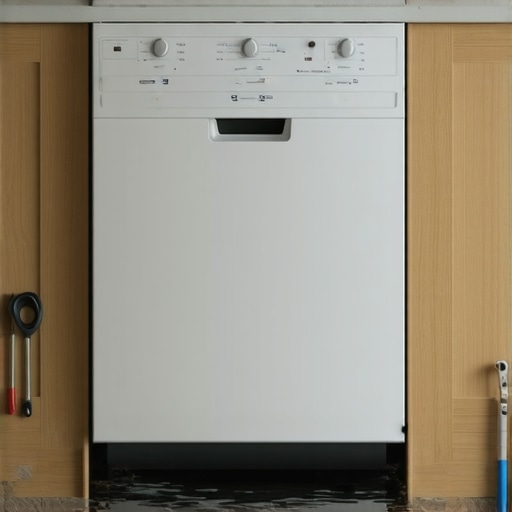
There was a morning I’ll never forget. I stepped into my kitchen, tray of coffee in hand, only to find a small lake pooling beneath my dishwasher. My heart sank. Why had my trusty appliance decided to turn my spotless kitchen into a mini swimming pool? That lightbulb moment hit me hard—I realized many homeowners overlook small signs that something’s off until it’s a full-blown disaster.
Don’t Let a Puddle Ruin Your Day—and Your Wallet
Understanding why your dishwasher leaves a puddle is more than just about avoiding messy floors. It’s about preventing costly repairs and preserving the longevity of your appliance. Today, I want to share with you how to identify the root causes of leaks, so you can fix them promptly and keep your kitchen running smoothly.
Is It Worth the Hype to Fix Your Dishwasher Yourself?
Initially, I thought I could handle the repair without calling in a pro. I watched endless online tutorials, bought a set of tools, and dove right in. Spoiler alert: I made a crucial mistake early on—ignoring the importance of turning off the water supply before beginning any repairs. That oversight almost turned my kitchen into a flood zone. Trust me, some issues are best left to experts, but knowing the common pitfalls can save you serious trouble. For more tips on protecting your warranties during repairs, check out these warranty rules.
So, why is this topic so urgent now? Because appliance problems tend to escalate quickly, especially with wear and tear. According to the Consumer Reports’ recent survey, nearly 30% of dishwasher repairs are caused by simple, preventable issues like clogged drains or faulty door seals. Addressing these minor problems early can save hundreds—and even prevent a big mess.
Now that I’ve set the stage with my own experience, let’s dive into how you can quickly diagnose and fix your leaking dishwasher before it becomes a catastrophe. Ready to tackle this problem head-on? Let’s go!
Inspect the Door Seal Carefully
Start by opening the dishwasher and examining the rubber gasket around the door. Look for cracks, debris, or warping that could prevent a tight seal. During my first attempt, I noticed a small tear in my seal—the kind you barely see but that leaks every time. Replacing a worn-out gasket immediately stopped the puddling and saved me from a bigger expense.
Check the Float Switch to Detect Water Level Issues
Locate the float switch, usually a small dome or cylinder at the bottom of the tub. Manually lift and lower it; if it sticks or doesn’t move freely, it may cause overfilling, leading to leaks. I once jiggled mine during a repair, freeing it from grime buildup, which corrected the overflow problem. Regular cleaning of this part can prevent unnecessary floods.
Test the Drain Hose for Blockages
Disconnect the drain hose at the sink or drainage connection. Inspect it for kinks, clogs, or debris. During my project, I used a long brush to clear out accumulated gunk, restoring proper drainage. Ensure the hose has a continuous downward slope to facilitate efficient water flow. Proper drainage avoids backflow that can cause leaks.
Evaluate the Drain Pump Functionality
Access the drain pump and listen for humming sounds when the dishwasher drains. Use a multimeter to test wiring and continuity if it’s silent or noisy. I replaced my faulty pump after confirming it wasn’t working, which instantly fixed my leak issue. Remember, if you’re uncertain about electrical testing, consulting a professional ensures safety and correctness.
Examine the Door Latches and Locks
Loose or malfunctioning latches might prevent the door from sealing properly, resulting in leaks. Check for rust, damage, or misalignment. During my repair, tightening a loose latch solved the problem in minutes. Always verify that the latch moves smoothly and clicks securely.
Consider Professional Help for Persistent Problems
If after these steps your dishwasher still leaks, it might be time to call in a pro. Some issues, like internal valve failures or cracked tub components, are best handled by experts with specialized tools. Before hiring a technician, ensure your warranty remains valid by following guidelines outlined in these warranty rules. Proper installation and maintenance can prevent future leaks, saving you money and mess.
Common Misconceptions About Appliance Warranties
Many homeowners believe that simply registering their appliance guarantees full warranty coverage, but the fine print often reveals hidden pitfalls. For example, frequent claims are denied due to overlooked warranty validation rules, such as proper installation and maintenance procedures. Recognizing these nuances can save you from unexpected out-of-pocket expenses.
The Fallacy of Same-Day Service as a Universal Fix
Everyone hopes for quick repairs, yet many fall into the trap of relying solely on same-day service promises without understanding the scope. In reality, not all issues can be resolved instantly—urgent repairs often require parts that shipping delays cannot bypass. Knowing when same-day service is truly beneficial versus a misnomer can prevent frustration and unnecessary costs.
Installation Mistakes That Sabotage Your Warranty
It’s tempting to skip over proper installation steps, but neglecting this critical phase can void your warranty entirely. A common mistake involves improper grounding or incorrect leveling, which may lead to leaks or electrical failures. For comprehensive guidelines, consult professional installation tips. Remember, even a minor oversight here can be costly in the long run.
Advanced Repair Tricks That Are Often Overlooked
While many focus on replacing worn parts like door seals or filters, few consider the importance of diagnosing underlying issues such as wiring faults or control board malfunctions. Advanced diagnostics can reveal problems that mimic simple failures, leading to ineffective repairs. Investing in proper troubleshooting methods ensures that fixes are durable rather than temporary patch-ups. According to industry expert insights, neglecting these nuanced diagnostics can lead to repeat failures and warranty issues.
Are you falling into any of these traps? Understanding the intricacies of appliance repair and warranty rules isn’t just for pros—being informed helps you make smarter decisions and avoid costly mistakes. Don’t forget to check out these surge protector guidelines to ensure your appliances remain protected during repairs and installation. Have you ever encountered a hidden snag that caught you off guard? Share your experience in the comments below!
Investing in Quality Tools for Long-Term Durability
Having the right equipment is crucial for effective appliance maintenance. I personally rely on a high-quality digital multimeter, such as the Fluke 117, to diagnose electrical issues accurately. Its precise measurements help prevent unnecessary part replacements and ensure safety during repairs. Additionally, a cordless, brushless cordless drill, like the DeWalt DCD791D2, enables me to quickly access screws and panels without sacrificing power, saving time and reducing fatigue.
For more delicate components, I use precision screwdrivers with insulated handles to prevent electrical shocks. These tools allow for careful disassembly, which is essential to avoid damaging sensitive parts such as control boards or sensors. Regularly inspecting and maintaining your tools ensures they remain reliable, which is vital for consistent results over time.
Software and Diagnostic Aids That Make Repairs Smarter
In the era of smart appliances, firmware-based diagnostics can save you hours of troubleshooting. I recommend investing in manufacturer-specific diagnostic software when available. For example, Whirlpool’s diagnostic app for their appliances provides detailed error codes and troubleshooting steps that streamline repairs. Connecting appliances to a compatible Wi-Fi network often offers real-time alerts, making proactive maintenance possible.
Furthermore, keeping logs of past repairs and error codes helps identify recurring issues, artificial intelligence-powered diagnostic apps are now emerging, promising to predict failures before they happen, and enable preemptive maintenance. This future trend indicates a shift toward devices that inform homeowners of potential problems well in advance, reducing downtime and repair costs.
Methods to Extend Appliance Service Life
Routine maintenance is key to keeping appliances functioning optimally. Regularly cleaning components like filters, drainages, and seals can significantly prolong their lifespan. For instance, cleaning the dishwasher’s filter every three months prevents buildup that causes leaks and inefficiencies. Using manufacturer-approved cleaning agents rather than household cleaners ensures compatibility and avoids corrosion.
Another effective method is scheduling professional inspections annually. These checkups can identify and fix minor issues before they develop into costly failures. Keep an eye on components that wear out naturally, such as door seals, gaskets, and hoses, and replace them promptly. Doing so not only preserves warranty validity but also ensures your appliances operate at peak performance.
How Do I Maintain Appliance Performance Over Time?
Maintaining your appliances requires a blend of routine cleaning, regular inspections, and leveraging modern diagnostic tools. Staying proactive, especially with newer smart devices, means employing software diagnostics and firmware updates when prompted. It’s also beneficial to familiarize yourself with warranty rules, as outlined in these warranty guidelines, to ensure your maintenance practices don’t inadvertently void coverage.
If you’re ready to elevate your maintenance game, try integrating a diagnostic app compatible with your devices. This small investment can save you from unwarranted repairs and extend the lifespan of your appliances. Remember, combining quality tools with consistent upkeep is your best bet—think of it as giving your household machines a health check-up before small problems snowball into emergencies. For tips on managing urgent issues, check out these surge protector standards, safeguarding your appliances and warranty from electrical surges.
What I Wish Someone Told Me About Leak Risks
One of the toughest lessons I’ve learned is that small details in appliance care can save you from big messes later on. Overlooking a tiny crack in the door seal or ignoring routine drain cleaning can turn a simple leak into an emergency, costing hundreds or even damaging your home’s structure. The devil truly is in the details, and taking proactive steps can make all the difference in maintaining peace of mind.
My Top Tools and Resources for Confident Repairs
Having the right toolkit changed the game for me. My go-to multimeter, the Fluke 117, helps me diagnose electrical issues without guesswork—saving time and preventing unnecessary parts replacements. I also swear by online diagnostic guides tailored to specific brands, which have helped me fix problems swiftly. For more professional insights, books like “Home Appliance Maintenance & Repair” provide foundational knowledge that keeps me prepared for most scenarios. These resources, combined with accurate tools, empower me to tackle repairs confidently and safely.
Keep Going—Your House Will Thank You
Remember, every small maintenance task you perform plants a seed for long-term appliance health. Whether it’s checking the door latch or cleaning the float switch, these actions extend beyond fixing leaks; they’re investments in your home’s comfort and integrity. Don’t let a fear of repair stop you from becoming your own best advocate. Embrace the learning curve, stay curious, and soon, maintaining your appliances will feel second nature. Your proactive approach today can prevent tomorrow’s headaches. Ready to take control? Share your experiences or questions below—let’s learn together and keep our homes running smoothly.