
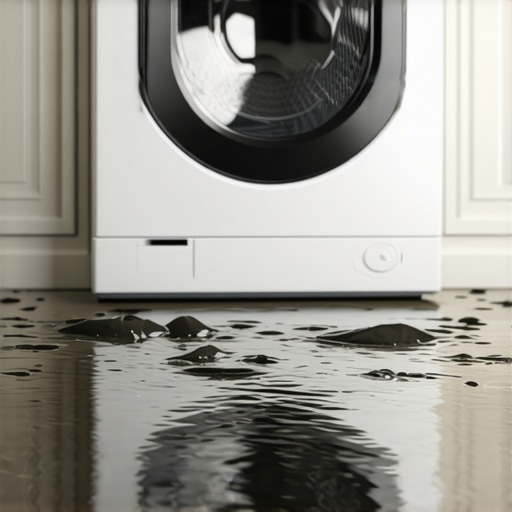
It was a quiet Tuesday evening when my peace was shattered by the unmistakable sound of rushing water. I walked into the hallway only to find my socks instantly soaked. My laundry room had turned into an indoor wading pool, and my washing machine was happily pumping gallons of dirty water straight onto the hardwood. In my rush to finish a quick appliance installation of a new drain line, I had bypassed a fundamental rule of plumbing physics. I skipped the critical anchoring steps, thinking a loose fit would do. It did not. That single shortcut ruined my flooring and taught me a costly lesson about the sheer force of washing machine discharge.
The Little Mistake with a Massive Splash
When you install or service a washing machine, the drain system seems incredibly straightforward. You stick the hose in the pipe, and you walk away. However, many homeowners make the catastrophic error of failing to secure the discharge hose properly or misjudging the height of the standpipe. This simple oversight is actually the washer drain hose error that causes indoor flooding for thousands of households every year. When the pump kicks in, it expels water with immense pressure. Without a physical zip-tie, bracket, or the correct hook shape, that high-pressure surge will literally kick the hose right out of the drain pipe, leaving you with fifty gallons of water on your floor in minutes.
Is a simple plastic strap really worth the worry?
You might think a heavy rubber hose isn’t going to jump out of a deep metal pipe on its own. I thought the exact same thing until I watched it happen. The truth is, the pulsing action of modern high-efficiency pumps creates a whip-like motion in the line. According to emergency plumbing statistics compiled by the Insurance Institute for Business & Home Safety, water damage from failed washing machine hoses is one of the leading causes of residential insurance claims, often costing upward of $5,000 per incident. A simple ten-cent plastic zip-tie or a proper wall-mounted bracket is literally all that stands between your dry drywall and a mold mitigation nightmare. If you want to sleep soundly, you absolutely must double-check this connection.
Have you ever walked in on a surprise indoor lake because of a loose utility connection? If you are currently dealing with a sudden watery mess and need professional hands fast, securing a same-day appliance repair can save your home from long-term water damage before mold has a chance to move in.
Step-by-Step Security for Your Drain Line
Securing a washing machine drain line is not about making it look neat; it is about counteracting physical force. When the washing machine pump kicks on, it behaves exactly like a firefighter’s hose when the hydrant is opened. Without an anchor, the back-pressure causes the hose to whip violently. During my own flooded-hallway disaster, I realized the hose had simply kicked itself backward out of the standpipe because of this exact kinetic energy. To prevent this, you must physically tie the drain line down. Use a heavy-duty, UV-resistant nylon zip-tie or a stainless steel hose clamp to secure the discharge line directly to the standpipe or the adjacent utility sink faucet. If you are mounting to a wall standpipe, install a plastic U-hook guide over the hose to maintain its shape, and then anchor that guide to the wall plumbing with a durable strap.
Calculate the Perfect Standpipe Height
Another critical element that many homeowners overlook during a quick how-to-ensure-reliable-appliance-installation-in-2025 process is the physical height of the drain pipe. If your standpipe is too short, the water pumped out will simply overflow due to volume bottlenecking. If it is too tall, your washer’s internal pump will strain, overheat, and fail prematurely. The gold standard for standpipe height is between 34 and 96 inches above the floor. I once helped a friend who had built a custom pedestal for his washer but left the drain pipe at floor level. Every single cycle resulted in siphoning, which triggered a constant why-your-washer-is-overfilling-with-water-and-not-stopping-2 issue. Raising the standpipe corrected the pressure balance instantly.
Inspect Your Inlet and Outlet Hoses Annually
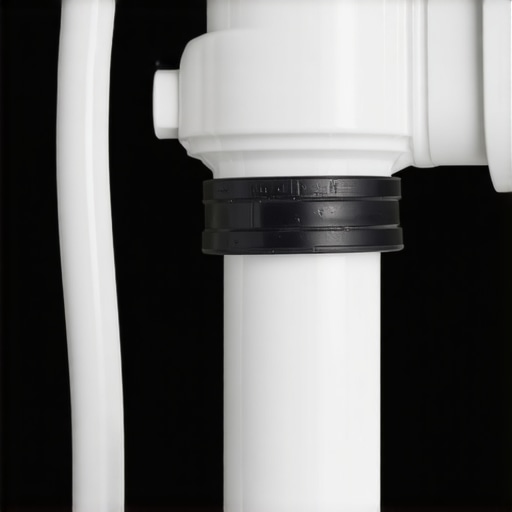
While you are securing the drain line, do not ignore the source lines. Over time, standard rubber hoses degrade from the inside out due to constant water pressure and temperature fluctuations. I highly recommend upgrading to braided stainless steel hoses, which are the-specific-hose-you-need-to-avoid-washer-floods-2 option for protecting your home. When these braided lines are professionally installed, they often come with extended protection plans. If you ever need to troubleshoot a broader water issue, utilizing a same-day-appliance-repair-quick-solutions-with-warranty-support specialist ensures that your repairs are handled correctly without voiding any active manufacturer coverage.
While securing your washer’s physical drain line is a vital first step, there is a much larger trap waiting for homeowners who try to tackle these setups on their own. The industry has a dirty little secret: major manufacturers are looking for any excuse to void your coverage. Everyone tells you that DIY installation saves money, but in my experience, self-installing complex appliances actually costs more in the long run because of how manufacturers write their warranty policies.
Why does your DIY installation void your manufacturer warranty?
Many homeowners believe that as long as they follow the manual, their warranty remains intact. However, a study by the National Appliance Service Association highlights that up to 30% of warranty claims for newly installed laundry and kitchen appliances are denied due to “unprofessional installation errors.” Even if you did everything perfectly, if a claim investigator finds no proof of professional setup, they can simply blame the failure on a faulty DIY connection. Understanding the difference between a factory warranty and a service contract is the first step to avoiding this trap, but the real protection lies in documentation. If you do decide to install yourself, you must take high-resolution photos of every stage, especially the drainage loop and electrical grounding, to prove you followed local plumbing and electrical codes to the letter.
The Warranty Trap in Emergency Repairs
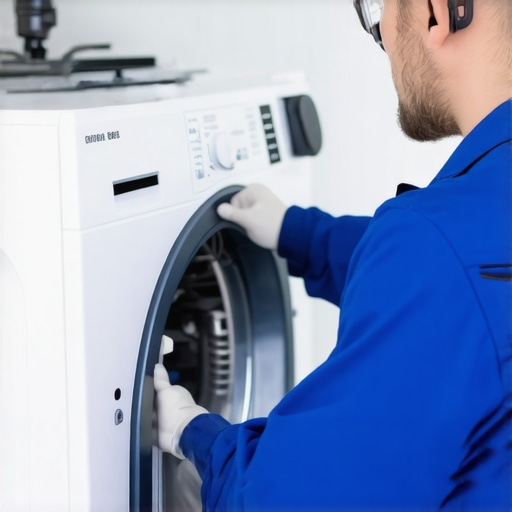
When an appliance floods your home or stops working unexpectedly, your immediate instinct is to get it fixed as quickly as possible. This urgency often leads to another classic mistake: hiring a random handyman for a quick fix without verifying their manufacturer credentials. If an unauthorized technician opens up your washing machine or dishwasher, your factory warranty is instantly dead. This is where choosing a certified expert guide to appliance repair and installation today becomes your financial shield. Certified professionals not only fix the problem, but they also use OEM (Original Equipment Manufacturer) parts that keep your warranty valid.
If you are currently facing a wet floor or a dead control board, you do not have to sacrifice your long-term warranty coverage just to get your home back in order today. Booking a affordable same-day appliance fixes with warranty benefits ensures that you get certified technicians who understand how to document the repair properly so you can get reimbursed by the manufacturer or your home warranty provider. Have you ever fallen into this trap and had a claim denied over a technicality? Let me know in the comments below.
How to Bulletproof Your Next Service Call
If you need to bring in external help for an urgent issue, you can actively maximize your chances of a successful warranty payout. Before the technician arrives, locate your original purchase receipt and make sure the model and serial number on the machine match the paperwork perfectly. During the service, ask the technician to clearly write down the root cause of the failure on the invoice. If the failure was due to a defective part rather than normal wear and tear or user neglect, that distinction must be spelled out explicitly. If you find yourself in a bind, you can learn how to maximize your appliance warranty during emergency repairs to ensure your service provider handles the paperwork in a way that keeps money in your pocket instead of draining your savings.
When it comes to keeping your appliances humming without a hitch, hoping for the best is not a viable strategy. Over the years, I have shifted from a reactive mindset to a highly structured maintenance routine. The secret to avoiding the panic of an unexpected flood is having the right diagnostic gear on hand and establishing a regular check-up schedule. You do not need a garage full of specialized machinery, but investing in a few precise tools will save your flooring, your appliances, and your sanity.
How do I maintain my laundry installation over time?
Consistent maintenance is the only way to guarantee your machines survive their expected lifespans. Every twelve months, I pull my washing machine completely away from the wall to inspect the physical connections. I check the tension on the drain line zip-ties, look for any hairline cracks in the plastic U-bend, and run a clean rag along the inlet valves to feel for trace moisture. If you notice even a single drop of slow-seeping water, it is time to perform the simple fix for a leaking washing machine inlet valve before a high-pressure failure occurs. Additionally, I use a digital spirit level to check that the unit has not shifted out of balance during high-speed spin cycles, as sustained vibrations will eventually loosen your secure drain connections.
The Diagnostic Tools Every Homeowner Needs
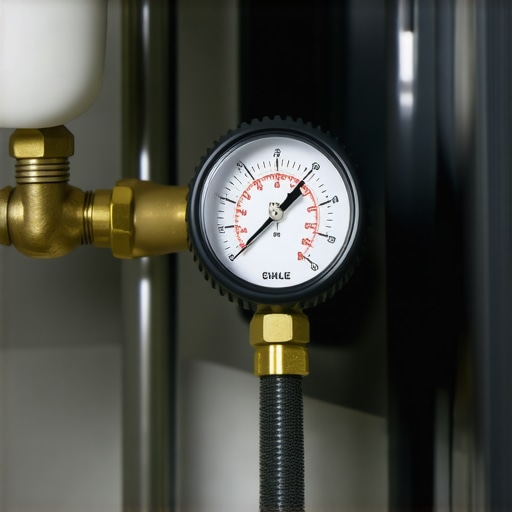
You do not need to be a licensed plumber to monitor your home like one. I personally rely on two non-negotiable tools: a digital water pressure gauge and a basic smart leak detector. According to the residential plumbing standards published by the domestic engineering group ASPE (American Society of Plumbing Engineers), household water pressure should ideally sit between 40 and 60 PSI. Anything over 80 PSI will slowly destroy your washing machine’s internal solenoid valves. Threading a $10 pressure gauge onto your utility faucet gives you an instant diagnostic reading. Secondly, placing a Wi-Fi-enabled leak sensor directly beneath your drain standpipe ensures that if a hose ever does kick loose, you get an immediate smartphone alert before your basement ruins.
Looking ahead, the future of home maintenance is rapidly shifting toward predictive diagnostics. In the coming years, we will see smart appliances equipped with internal flow-rate sensors that can automatically shut off the main water valve the millisecond an abnormal pressure drop is detected in the drain line. Until those systems become standard in every household, we still have to rely on manual vigilance and fast professional support. If your diagnostic checks reveal a problem that is beyond a simple DIY adjustment, securing warranty-backed appliance services you can rely on is the absolute best way to protect your equipment investment.
Do not wait for a puddle to tell you there is a problem. I highly encourage you to try one advanced step today: go check your utility room, measure your standpipe height, and add a heavy-duty physical anchor to that drain hose. If you discover a worn-out line or suspect your current setup violates your warranty guidelines, reach out to an expert to get it sorted out immediately. You can easily book a professional evaluation by visiting our contact us page to schedule a certified technician who will ensure your system is completely up to code.
When you take a step back and look at the entire landscape of home management, it becomes clear that small physical adjustments and a clear understanding of your paperwork are what separate stress-free homeowners from those facing sudden financial disasters.
3 Myths About DIY Appliance Setups That Held Me Back
For years, I fell victim to common assumptions about home maintenance that ultimately cost me thousands of dollars. Breaking down these misconceptions is the first step toward bulletproofing your household.
- Myth 1: If it does not leak during the first test cycle, it is safe. High-pressure water lines and drain hoses experience cumulative kinetic stress. A connection that feels secure during a quick test can easily work itself loose after fifty loads of laundry due to micro-vibrations.
- Myth 2: Standard insurance covers all water damage. If your insurance adjuster finds that a flood was caused by a loose drain line you installed yourself without a physical anchor, they can deny your claim for structural neglect.
- Myth 3: All replacement hoses are created equal. Standard rubber lines degrade rapidly from the inside out. Upgrading to the specific hose you need to avoid washer floods 2 is the only reliable way to prevent sudden catastrophic pressure failures.
My Essential Toolkit for Home Water Security
You do not need to be a professional contractor to keep your home safe. I personally rely on a few specific tools to monitor my setup and keep my mind at ease:
- A Brass Water Pressure Gauge: Thread this onto your utility sink faucet once a year to make sure your household pressure is not creeping above 80 PSI, which ruins solenoids.
- Heavy-Duty Nylon Zip-Ties: Never rely on gravity alone. These cheap straps physical secure your drain line to prevent the hose from kicking out of the standpipe.
- Wi-Fi Smart Leak Detectors: Placed directly on the floor under your washing machine, these sensors send an instant alert to your smartphone before a small drip becomes a major flood.
- A Digital Spirit Level: Used to verify your washing machine remains perfectly balanced, which stops heavy vibrations from loosening your secure connections over time.
The Future of Your Home Utility Setup
Taking control of your home utility connections is not just about avoiding immediate water damage; it is about establishing a long-term strategy of preventative care. By taking a few active steps today, like checking your physical drain hose anchors and reviewing your warranty documentation, you shield your savings from unexpected repair costs. If you ever feel overwhelmed by a complex installation or a sudden system failure, calling in certified specialists for what to expect from same-day appliance repair experts will give you peace of mind while keeping your manufacturer warranties fully intact.
Have you ever had a washing machine drain line kick loose or struggled with a manufacturer warranty claim? Let me know in the comments below!