
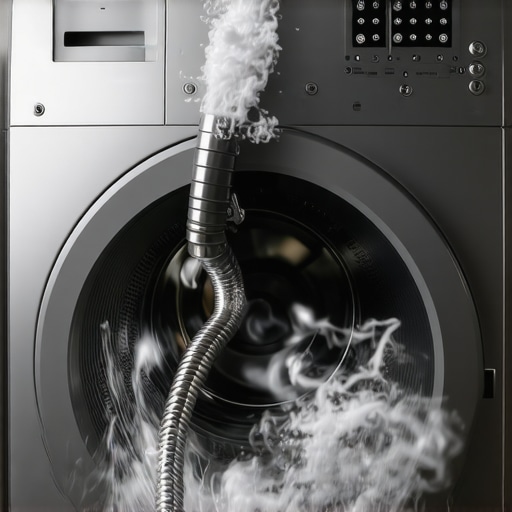
The Hidden Venting Mistake That Leaves Your Dryer Running All Day
We’ve all been there: the dryer chime signals the end of a cycle, but when you reach in to grab your favorite pair of jeans, they’re still damp. You set the timer for another sixty minutes, only to find the same result an hour later. This “three-cycle dry” is one of the most common frustrations homeowners face, and it often leads to the immediate assumption that the appliance is broken. You feel the heat radiating from the drum, so you know the heating element is working. If it’s hot, why isn’t it dry?
The truth is, heat is only half of the equation. The real culprit behind inefficient drying isn’t usually a mechanical failure; it’s a fundamental breakdown in airflow. While your dryer might be generating plenty of heat, if that moisture-laden air has nowhere to go, your clothes will simply sit in a humid, stagnant box. This is often caused by the real reason your new dryer takes three cycles to dry jeans: a compromised venting system that is being ignored.
The “Hidden Mistake” Revealed: Why Your Lint Trap Isn’t Enough
Ask any homeowner how they maintain their dryer, and they will proudly tell you they clean the lint screen after every load. While this is a vital habit, it is only the first line of defense. The “hidden mistake” that leaves dryers running all day is the belief that the lint trap catches everything. In reality, fine particles of lint bypass the screen, entering the internal cabinet of the dryer and, more importantly, the exhaust ducting that leads out of your home.
Over time, this lint accumulates along the walls of the vent pipe, especially at elbows and transition points. This buildup acts like plaque in an artery, steadily restricting the path of the air. According to industry data, a lint-filled vent can reduce airflow by more than 50%, forcing the dryer to work twice as hard to push air through the system. When the vent is even partially blocked, the dryer’s internal thermostat may shut off the heating element prematurely to prevent overheating, leading to those endless cycles. If you find yourself ignoring the vent line, you might be ignoring a major safety hazard. It’s essential to understand how to tell if your dryer vent is a fire hazard, as lint is highly combustible and responsible for thousands of structural fires annually.
Neglecting the exit point of the vent – the exterior wall cap or roof jack – is another part of this hidden mistake. If the outdoor flap is stuck closed by debris or a bird’s nest, the air simply backs up into the machine. Without a clear path from the drum to the outside world, your high-end appliance becomes little more than a very expensive, very inefficient space heater.
The Physics of Drying: Airflow vs. Heat
To understand why your dryer is failing, you have to understand the physics of evaporation. Drying clothes requires three things: heat, mechanical action (tumbling), and airflow. Heat turns the liquid water in your clothes into vapor; the tumbling ensures all surfaces are exposed; and the airflow carries that vapor out of the machine. If the airflow is restricted, you create what technicians call a “sauna effect” inside the drum.
In a sauna effect scenario, the air inside the dryer reaches its maximum humidity level almost instantly. Because the air is “full” of moisture and cannot be exhausted, it can no longer absorb water from the fabric. The clothes stay wet, but they feel incredibly hot to the touch. This trapped moisture often leads to the formation of “wet lint balls” – clumps of soggy debris that stick to the interior of the vent and the back of the dryer drum. Furthermore, you may notice the exterior of the appliance feels unusually hot or that your laundry room becomes humid and “swampy.” This is a classic symptom of the venting error that causes your dryer to take two cycles or more to finish a single load. Without a steady stream of fresh, dry air moving through the drum, the drying process essentially grinds to a halt, regardless of how high you set the temperature.
The Attic and Crawl Space Connection: Where Most Problems Hide
In many modern home designs, the laundry room is located in the center of the house for convenience. This means the dryer vent must travel a long distance to reach an exterior wall, often routed through crawl space insulation or up into the attic insulation. These hidden areas are where the most significant venting problems occur, far out of the homeowner’s sight.
When a vent line runs through an unconditioned attic, the hot, moist air from the dryer hits the cold surface of the ducting, causing immediate condensation. If the duct is not properly insulated or if it has “sags” in the line, water will pool inside the pipe. This standing water traps lint, eventually creating a solid blockage. Even worse, if the pipes become disconnected in the attic, you are pumping gallons of water vapor directly into your attic insulation. This leads to mold growth, wood rot, and a total loss of R-value in your insulating materials. Professional attic cleaning services often find that a single disconnected dryer vent has destroyed hundreds of square feet of insulation, necessitating a full removal and replacement. If you are inspecting your venting, it is also the perfect time to look at the correct way to seal your attic for better AC efficiency, ensuring your home’s entire envelope is working as it should.
Crushed foil hoses are another common culprit in these hidden spaces. While flexible foil is easy to install, it is easily crushed or kinked, which drastically reduces the diameter of the vent. In a crawl space, these hoses can also be damaged by shifting soil or heavy storage items, leading to the same airflow restrictions that cause your dryer to run all day.
When Pests and Insulation Collide with Your Dryer Vent
The warmth and moisture of a dryer vent are an open invitation to local wildlife. In the Bay Area, rodents and birds are notorious for seeking out the exhaust ports of dryers. If your exterior vent cover is missing a flap or a screen, it becomes a front door for pests. Once inside, they often tear into the ductwork or build nests that completely plug the airflow. This isn’t just an appliance problem; it’s a sanitation and structural issue.
If pests gain entry through your dryer vent, they quickly migrate into your walls and attic. This is why residents often need to search for pest control in vallejo ca or exterminators vallejo to handle infestations that started at the laundry exhaust. Once rodents are in the attic, they soil the insulation, creating a health hazard that requires professional bay area moisture control and remediation. The data on this is sobering: a complete attic pest control and sealing job in California typically ranges from $1,500 to $4,500 or more, depending on the extent of the damage. This is a staggering price to pay for a problem that could have been prevented with a $20 vent cap and an annual cleaning. Maintaining your home’s exterior integrity is just as important as internal repairs; for instance, consider how the one maintenance move that prevents HVAC ice buildup can save you from similar unexpected service calls.
The Cost of Repair vs. Prevention
Many homeowners hesitate to call for dryer vent cleaning services because they view it as an optional expense. However, the cost of ignoring the problem far outweighs the price of maintenance. A dryer that runs for three cycles instead of one is consuming triple the electricity or gas, which can add $20 to $30 to your monthly utility bill. Over a year, that’s $360 – more than the cost of a professional cleaning and inspection.
Then there is the risk to your home’s infrastructure. As mentioned, moisture from a leaking vent can ruin your insulation. The average cost of insulation in attic spaces can vary, but the industry standard for replacing blown-in insulation is generally between $2 and $4 per square foot. When you receive an attic insulation quote, you’ll find that the cost to replace attic insulation for a standard 1,500-square-foot home can easily reach $3,000 to $6,000. Furthermore, the cost of attic insulation installation increases if the old, damp, or pest-infested material must be professionally removed first. By keeping your dryer vents clear, you protect the attic insulation cost you’ve already invested. Before you sign a contract, make sure you are aware of the hidden fees in attic insulation quotes that most homeowners overlook to ensure you’re getting a fair deal from attic insulation contractors near me.
Step-by-Step: How to Fix Your Dryer Airflow Today
If your dryer is struggling, you can take immediate steps to diagnose and fix the airflow. First, unplug the dryer and pull it away from the wall. Disconnect the flexible duct and use a vacuum with a long hose attachment to reach as far into the dryer’s internal exhaust port as possible. Next, inspect the duct itself. If you see “foil” or plastic accordion-style tubing, replace it with rigid metal ducting. Rigid metal has a smooth interior that prevents lint from snagging and cannot be easily crushed.
Go outside and locate your vent exit. Ensure the flap moves freely and isn’t blocked by lint, dirt, or nests. If you have a long vent run that goes through the attic, you may need a specialized vent cleaning brush kit that attaches to a power drill to scrub the entire length of the pipe. If your machine is still struggling after a thorough cleaning, the problem might be internal. You might need to check the thermal fuse location you need to check in your dryer, as a partial blockage can cause this safety component to fail. For those dealing with mechanical noises alongside drying issues, don’t miss the 10-minute fix for a squeaky dryer drum.
Conclusion: Reclaiming Your Laundry Day
Don’t let a hidden venting mistake turn your laundry day into an all-day ordeal. By understanding the critical balance between heat and airflow, you can keep your appliance running efficiently and safely. Annual vent cleaning is the most effective way to prevent fire hazards, lower energy bills, and protect your home’s insulation from moisture damage. If you suspect your vent is blocked in an unreachable area or if you need a professional attic insulation quote to repair damage from a leaking duct, don’t wait. Consider scheduling your appliance repair for same-day service to get your home back in peak condition.