
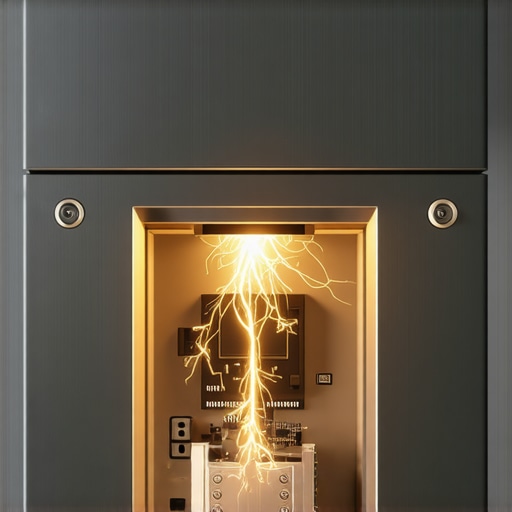
I stood in my kitchen at midnight, the only light coming from a flashlight as I stared at a dead $4,000 refrigerator. The silence was the loudest part. No hum. No whir. Just the dripping of melting ice. Two days prior, I thought I was the smartest guy on the block. I’d found a “compatible” power board on a discount site for $45, while the official part was triple that. I swapped it in, felt a surge of DIY pride, and went to bed. By Sunday night, the freezer was a puddle and the control panel was a black void. My attempt at a cheap fix ended with me frantically looking for reliable same-day repair help while tossing out a month’s worth of frozen food. It was a visceral lesson in why cutting corners on smart tech is a losing game. Today, I’m going to show you why these third-party parts are a gamble you’re almost guaranteed to lose. We’re talking about more than just a part that doesn’t fit; we’re talking about software handshakes, voltage tolerances, and the very real risk of frying your entire kitchen. Have you ever had a “bargain” repair turn into a total disaster? I’d love to hear about it in the comments.
Why Your Smart Fridge Needs Genuine Parts to Stay Alive
[image]The biggest mistake I made—and maybe you’re making it too—was treating my smart fridge like the old mechanical beast my parents had in the 90s. Back then, a part was just a piece of metal or a simple switch. Now, everything is interconnected. When you install a sub-par component, you aren’t just replacing a physical piece; you’re introducing a foreign element into a complex digital ecosystem. It is not just about physical dimensions; it is about the digital handshake. Your fridge’s motherboard sends a signal to the sensor: “Are you there?” An OEM part answers back in the exact language the fridge expects. A third-party part might mumble its response. To the fridge, that mumble sounds like a critical failure. Even properly installing new units requires an understanding of these electronic requirements. According to the IEEE Spectrum, modern smart appliances use micro-circuits that are significantly more sensitive to electrical noise and voltage fluctuations than traditional appliances. A third-party part that hasn’t been properly shielded can create “ghost” signals. This can lead to weird glitches, like smartphones failing to pair with the fridge because the internal communication bus is flooded with interference.
Is the extra cost for OEM parts just a big scam?
I get the skepticism. I really do. It feels like a “tax” for owning a high-end brand. But after my midnight meltdown, I realized that warranty-backed services exist for a reason. OEM (Original Equipment Manufacturer) parts are tested to work with the specific firmware version running on your fridge. Those cheap knock-offs? They’re often made with lower-grade capacitors that can’t handle the heat. Before you click “buy” on that suspiciously cheap part, you need to verify your existing warranty coverage, because using unapproved parts is the fastest way to get your claim denied and leave you footing a massive bill for a professional recovery.
Identify the Right Part Before You Pull the Trigger
To avoid the midnight meltdown I experienced, you have to start with precision. Don’t trust the manual that came in the box; it often covers five different sub-models. Instead, open the fridge door and look for the silver or white sticker on the interior side wall. This contains your specific model and serial number. Before you buy anything, you should verify your new appliance is covered under the original warranty because even a simple DIY attempt can void a thousand-dollar protection plan. If you aren’t certain, searching for the $20 part that usually fixes a fridge might lead you to a generic component that lacks the necessary voltage regulators found in genuine stock.
The Hidden Danger of Mismatched Firmware
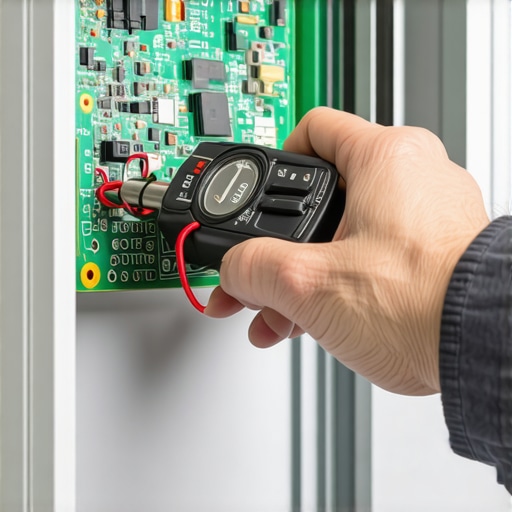 Modern refrigerators are essentially giant tablets with a cooling system attached. When you swap a power board or a sensor, you are performing a hardware-software integration. I remember trying to bypass a simple door sensor on my last unit using a paperclip—don’t laugh—thinking I could trick the system into thinking the door was shut so I could finish a repair. Instead, I triggered a ‘critical system error’ that locked the main control board. These machines expect a specific resistance value from the sensor. If the part you bought on a whim sends a signal that is even 0.5 volts off, the fridge goes into fail-safe mode. This is why the fix for a smartphone that won’t pair with your fridge often starts with checking if any non-OEM components are polluting the internal data bus. Genuine parts come pre-loaded with the correct firmware protocols to ensure the ‘handshake’ happens instantly.
When to Skip the DIY and Call for Same-Day Help
There is a fine line between a brave weekend project and a total appliance write-off. If you see scorched marks on a circuit board or smell ozone, stop immediately. You are no longer in ‘part replacement’ territory; you are in a fire hazard zone. This is the moment to look for same-day appliance repair experts who can bring a diagnostic computer to the scene. A pro doesn’t just swap parts; they clear the error logs that your fridge’s internal computer stores. Without clearing those logs, even a brand-new genuine part might not work because the fridge still thinks it is in ‘failure’ mode. Knowing how to maximize your appliance warranty during emergency repairs can save you from paying for these sophisticated diagnostics out of pocket. Professional technicians ensure that appliance repair and installation are handled according to the manufacturer’s strict electrical standards, which is something a YouTube tutorial simply cannot guarantee. Don’t wait until the food is spoiled to admit the job is bigger than your toolbox.
The Truth About Why OEM Parts Cost More
Most people assume that the price gap between a $15 generic part and a $120 OEM component is pure corporate greed. But here is the contrarian truth: you aren’t paying for the plastic; you are paying for the ‘binning’ process. In electronics manufacturing, components are tested and sorted by quality. High-grade capacitors with tight tolerances go to the OEMs, while the leftovers end up on discount sites. When you use those ‘B-grade’ parts, you introduce electrical noise that slowly degrades the main control board. I’ve seen it happen—a user saves $50 on a sensor only to have the $600 motherboard fry three months later due to voltage ripples. This is the ‘Oops’ factor many DIYers miss. They think a successful boot-up means the job is done. However, according to research by the Association of Home Appliance Manufacturers (AHAM), nearly 40% of secondary appliance failures are caused by improper component matching rather than the original fault. If you are dealing with a high-stakes failure, looking for affordable same-day appliance fixes with warranty benefits is much safer than playing Russian roulette with your kitchen’s brain.
Why does my smart fridge keep rebooting after I fixed it?
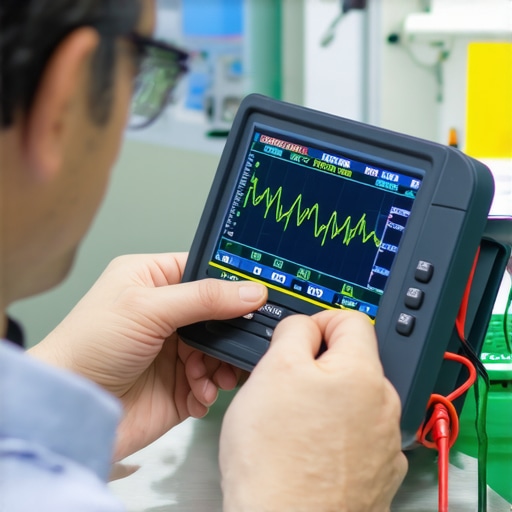
This is a classic symptom of ‘dirty power’ caused by non-genuine parts. Smart appliances are basically computers that happen to keep milk cold. They require a stable 5V or 12V DC rail. A cheap part might output 12.5V or have ‘ripple’ that confuses the CPU. This is why top tips for same-day service and warranty coverage emphasize using certified technicians. They use specialized tools to ensure the power delivery is clean. When you finally decide to call for same-day appliance repair and quick solutions, make sure you have the document every technician needs to see for a valid warranty visit ready. If you’ve already messed with the internals, be honest. A tech can often save a botched DIY job if they know exactly what you touched.
The Hidden Trap of Stealth Warranty Voiding
One nuanced detail that expert techs know—and you probably don’t—is that modern smart fridges log ‘unauthorized component’ flags in their memory. Even if you remove the third-party part before the repairman arrives, the time-stamped voltage spike is already recorded. This is the fastest way to get your warranty-backed appliance services claim denied. If you want to maximize your appliance warranty during emergency repairs, you have to prioritize integrity over short-term savings. The final trap? Thinking professional reliable appliance installation in 2025 is just about plugging it in. It involves calibrating sensors and updating firmware—steps most homeowners simply can’t do at home. Have you ever fallen into this trap of trying to save a buck only to pay triple later? Let me know in the comments.
The One Tool That Stopped Me From Guessing
I finally invested in a professional-grade digital multimeter, and it completely changed my approach to repairs. Most people look at a dead appliance and start ‘parts-cannibalizing’—throwing components at the problem until it works—but I learned that checking voltage drop is the only way to be certain. For example, if you know how to check your HVAC blower capacitor, you can immediately differentiate between a simple $20 fix and a $1,000 motor replacement. I keep this tool in my ’emergency’ bag because it tells the truth when a smart board is lying to you. I personally use a Fluke 117 because of its low impedance mode, which prevents ‘ghost voltages’ from giving you a false reading on a smart fridge’s control lines.
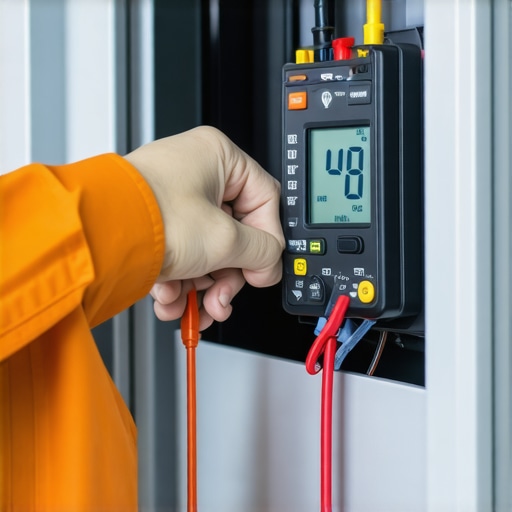
I also recommend a non-contact voltage tester. It is a simple tool that glows red if a wire is live, and I use it every single time I open a panel—even if I am 100% sure the breaker is off. Safety isn’t just a buzzword; it is what keeps you from becoming part of the circuit. This is particularly vital when you are dealing with same-day service and warranty coverage situations where you might be tempted to rush a diagnosis. Always remember that professional, trustworthy appliance installation involves torque-testing connections to prevent the micro-arcing that destroys sensitive smart modules over several months of use.
How do I maintain my smart kitchen over time?
Maintenance isn’t a one-and-done event; it is a seasonal rhythm. I have started setting quarterly reminders to pull the fridge out and inspect the rear panel. If you have pets, you absolutely need the condenser coil cleaning hack for pet owners because fur is the silent killer of high-efficiency compressors. Beyond physical cleaning, keep a meticulous digital folder of your service history. I have found that why your extended warranty company keeps asking for service logs is because they are looking for any excuse to prove neglect. According to the National Electrical Code (NEC) Article 210.8, specific grounding and GFCI standards must be strictly met for kitchen appliances to prevent logic board failure during minor power surges—something a pro ensures during reliable appliance installation in 2025.
Your Next Fridge Might Fix Itself
Looking ahead, I predict that within the next five years, we will see ‘self-healing’ circuits in high-end appliances. We are already seeing industrial prototypes that can reroute power or bypass a failed capacitor automatically. Until that technology reaches our kitchens, you need to rely on expert appliance repair and installation to bridge the digital gap. If you are currently staring at a glitchy unit, do not just pull the plug. Look for same-day appliance repair and quick solutions that utilize factory-certified software. Before the technician arrives, make sure you have the document every technician needs to see for a valid warranty visit ready to go. My challenge to you today: Do not wait for a breakdown. Locate the thermal fuse location in your dryer and verify it is free of scorched marks; it is the most common reason for a ‘no heat’ situation that most people misdiagnose as a total machine failure.
Hard Lessons from My Kitchen Melt-Down
Reflecting on that puddle of melted ice cream and my dead $4,000 fridge, I realized that the modern kitchen has changed forever. You can no longer just ‘make it fit.’ My first major takeaway is that digital components have no mercy; if the voltage isn’t perfect, the system shuts down to protect itself. Secondly, I learned that affordable same-day appliance fixes with warranty benefits are actually cheaper than ‘discount’ parts when you factor in the longevity of the machine. Finally, never underestimate the power of a technician who can speak the software’s language. Relying on expert appliance repair and installation is about buying peace of mind, not just a service.
[image]
My Go-To Kit for High-Stakes Tech
I don’t open a single panel anymore without my trusted Fluke 117 multimeter. It’s the only way to verify if a part is truly dead or if the board is just sending bad data. I also keep a curated folder of Manufacturer Tech Sheets, which are often hidden inside the bottom grill of your unit. These sheets contain the secret diagnostic codes that YouTube won’t tell you. For anyone starting out, I highly recommend learning reliable appliance installation in 2025 techniques, specifically focusing on surge protection. Lastly, I always keep the number for scheduling your appliance repair for same-day service in my phone—because some jobs are simply too big for a DIY Sunday.
Start Treating Your Fridge Like a Computer
The days of ‘fixing it with a hammer’ are long gone. Your smart fridge is the most complex computer in your home, and it deserves to be treated with that level of respect. By choosing genuine parts and professional diagnostics, you aren’t just fixing a cooler; you are protecting your home’s digital ecosystem. Don’t let a $45 ‘bargain’ turn into a $4,000 replacement. When you prioritize maximizing your appliance warranty during emergency repairs, you are investing in the future of your kitchen. Have you ever had a cheap part cause a secondary failure in another appliance? I’d love to hear your horror stories or wins in the comments below!