
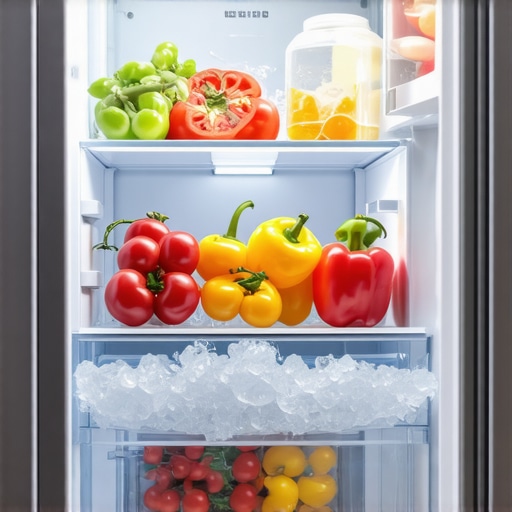
I remember walking into my kitchen at midnight for a glass of milk only to find the carton sweating and the cheese feeling like it had been sitting in a sauna. I opened the freezer door, and a blast of arctic air hit me in the face, mocking my frustration. It felt like a cruel joke played by my refrigerator. My first instinct was to panic and start browsing for a replacement, thinking the whole system had suffered a catastrophic failure. I even considered a reliable appliance installation in 2025 before I realized I was jumping the gun. The truth is, this lopsided cooling problem is more common than you think, and it usually does not mean your fridge is headed for the scrap heap. Today, I am going to show you exactly how to pinpoint the culprit so you can stop throwing away spoiled groceries. Have you ever felt that sinking feeling of seeing a puddle under a perfectly frozen ice tray?
Stop Blaming the Compressor for Everything
Many people assume that if the fridge is warm, the ‘engine’ of the appliance is dead. I made that exact mistake early on, nearly spending hundreds on a compressor I did not need when the real issue was just a handful of dust and a stuck flap. In most modern units, the freezer is the only part that actually generates cold air. A small fan then pushes that air into the fridge section. If that pathway gets blocked, your freezer stays frosty while your milk turns into a science project. According to data from the Association of Home Appliance Manufacturers (AHAM), nearly 25 percent of cooling issues in top-mount refrigerators stem from simple airflow obstructions rather than mechanical failure. Before you call for same-day appliance repair service, you need to check the simple things first.
Should I just give up and buy a new one?
It is easy to feel skeptical when a technician tells you a tiny plastic part is the problem, but often, the $20 part that usually fixes a fridge that won’t cool is all you actually need. You might be worried about the cost of labor, but if you maximize your appliance warranty during emergency repairs, you can often get these small components replaced for next to nothing. We are going to look at the evaporator fan, the damper, and the defrost heater to see which one is ghosting you. If you are tired of playing the ‘will it spoil’ game with your leftovers, let’s dive into the diagnostic steps that will save your lunch and your wallet.
Reach for the Back Panel First
To fix this, you need to understand the airflow. Think of your freezer as the air conditioner and your fridge as a separate room that only gets cold if the door is left open. That ‘door’ is actually a small motorized flap called a damper. Before you pull the whole unit out and look for fast trustworthy appliance installation near you, grab a screwdriver. Most of your answers are behind the back wall of the freezer compartment. When I first tried this, I didn’t realize how much frost could hide behind a plastic panel. I unscrewed the back and found a solid block of ice encasing everything. It looked like a miniature glacier had moved in. This happens when the defrost heater fails. If you see ice covering the coils, your fridge isn’t getting air because the ‘lungs’ are choked. While you can manually melt this with a hairdryer—carefully, so you don’t melt the plastic—you likely need same-day appliance repair quick solutions with warranty support to replace the actual heating element or the defrost timer.
Can You Hear the Evaporator Fan?
If the coils are clear but the fridge is still warm, listen closely. You should hear a light whirring sound coming from the freezer. That is the evaporator fan. If that fan stops, the cold air just sits in the freezer like a heavy fog, never reaching your milk. I remember a humid Tuesday when my fridge started making a sound like a tiny jackhammer. It turned out the fan blade was hitting a piece of ice. If the fan isn’t spinning at all, you might be looking at the $20 part that usually fixes a fridge that won’t cool. Replacing this fan is a DIY-friendly task, but make sure you unplug the unit first to avoid a nasty surprise. 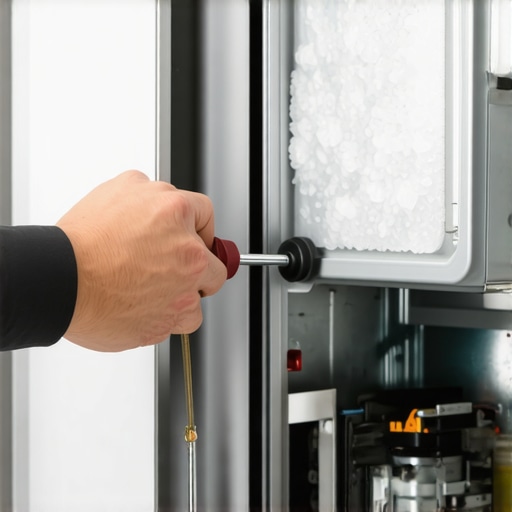
Don’t Let a Stuck Flap Starve Your Fridge
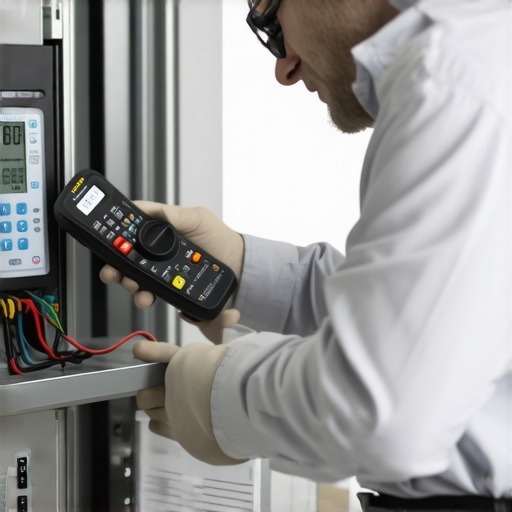
The air damper is the bouncer of your appliance. It decides how much cold air is allowed into the refrigerator section. If the motor that operates this flap burns out while the flap is closed, your fridge stays warm. You can usually find the damper at the top left or back of the fridge section where the air enters. If you feel no air coming through the vents even when the fan is running, the damper is likely the culprit. This is where what to expect from same-day appliance repair experts becomes relevant, as they can quickly test the motor with a multimeter. If you are still under coverage, you should how to verify your new appliance is covered under the original warranty before buying parts yourself.
The Coils Hidden Underneath Your Unit
Sometimes the problem isn’t internal; it is about heat exchange. Your fridge has to dump the heat it removes from the food somewhere. If the condenser coils—usually located at the bottom or back—are covered in a thick layer of dust or pet hair, the whole system works twice as hard and eventually gives up on the fridge section first. I once pulled a literal sweater’s worth of golden retriever fur out of a neighbor’s fridge using the condenser coil cleaning hack for pet owners with hairy dogs. Within an hour, the temperature in the fridge began to drop. It is a simple maintenance step that prevents you from needing expert guide to appliance repair and installation today. If cleaning the coils and checking the fan doesn’t work, you may need to how to document your fridge failure for an insurance claim if the food loss becomes significant.
While clearing dust and checking fans covers the basics, there is a nuance to appliance longevity that most DIYers—and even some pros—completely overlook. I used to think that as long as the fridge was plugged in and humming, the installation was a success. I was wrong. One of the most common traps I see people fall into is the power cord error that voids your fridge warranty. Many homeowners use thin extension cords or old surge protectors that cannot handle the amperage of a compressor kick-starting. This creates a voltage drop that fries the control board over time, and guess what? A manufacturer will spot that damage and deny your claim instantly. Before you even think about how to ensure reliable appliance installation in 2025, you must verify that your outlet is dedicated and grounded correctly.
The Installation Mistake That Quietly Kills Your Compressor
Everyone says that if the unit is brand new, any failure must be a manufacturing defect. In my experience, the opposite is often true. A significant number of ‘warm fridge’ complaints on units less than two years old stem from poor leveling or insufficient clearance. If the fridge is tilted slightly forward, the heavy door gaskets won’t seal properly, letting in humid air that frosts over the evaporator coils we discussed earlier. A study by Consumer Reports suggests that nearly 30 percent of appliance failures are actually linked to environmental factors or improper setup rather than the machine itself. This is why you need the document every technician needs to see for a valid warranty visit; without proof of professional installation or a clear service history, you are fighting an uphill battle with the brand.
Is an Extended Service Plan Actually Worth the Headache?
There is a lot of noise about whether to buy the extra protection at the register. Most people get confused by the difference between a manufacturer warranty and a service contract. The former covers defects in the machine, while the latter is basically an insurance policy on future labor. If you are dealing with a high-end unit, those labor costs can exceed the price of the parts. However, the ‘trap’ here is documentation. I have seen homeowners get denied because they couldn’t produce why your extended warranty company keeps asking for service logs. They want to see that you cleaned those coils and checked the seals at least once a year. If you didn’t, they might claim the failure was due to neglect. This is the hidden nuance of ‘peace of mind’—it requires homework on your part.
Why Speed Isn’t Always Your Friend
We live in an era of instant gratification, but I’m going to go against the grain here: don’t always hire the person who can show up in twenty minutes. While what to expect from same-day appliance repair experts includes speed, sometimes the best diagnostic minds are booked out a few days. A rushed tech might swap a motor when the real issue is a pinched wire in the door hinge. If you want to maximize your appliance warranty during emergency repairs, take a breath and vet the technician’s experience with your specific brand’s error codes. Have you ever fallen into the trap of hiring the first person who answered the phone only to have the same part break a week later? Let me know in the comments. Taking an extra day to find a specialist can be the difference between a permanent fix and a recurring nightmare.
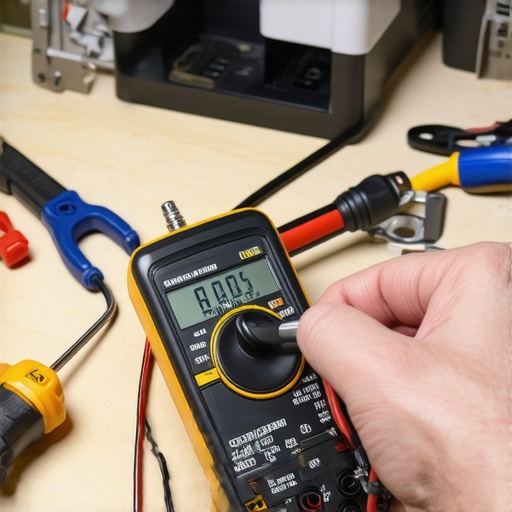
I used to think that owning a fridge was a passive experience until I realized that heat is the ultimate enemy of electronics. To keep my kitchen running smoothly, I stopped relying on guesswork and started investing in a few specific tools. I personally swear by the Fluke 117 Multimeter; it’s a bit of an investment, but it’s the only way to accurately test for continuity in a defrost heater or a fan motor. Without it, you’re just a parts-swapper hoping for the best. When you follow the expert guide to appliance repair and installation today, you’ll see that being able to read a circuit is what separates the DIYers from the masters. If you can prove a part is electrically dead, you have the upper hand when talking to a manufacturer about a replacement.
Tools That Saved Me from a $1,000 Replacement Bill
Beyond the electrical side, I keep a flexible coil brush and a small portable vacuum in my utility closet. It sounds basic, but this is the maintenance step that extends the life of your high-efficiency washer and refrigerator more than anything else. I’ve seen compressors that should have lasted fifteen years die in five because they were suffocating under a blanket of dust. According to the Association of Home Appliance Manufacturers (AHAM), restricted airflow can increase energy consumption by up to 25 percent before the component even fails. This is why you must understand how to ensure reliable appliance installation in 2025; it isn’t just about the first day, it’s about the space you leave for the machine to breathe over the next decade.
How do I maintain my refrigerator’s cooling efficiency over time?
The answer lies in a consistent schedule and a literal paper trail. I keep a small folder in the cabinet above my fridge. Every time I vacuum the coils or wipe down the door gaskets with warm, soapy water, I jot it down. This might seem obsessive, but why your extended warranty company keeps asking for service logs becomes very clear the moment a major part fails. They are looking for any excuse to claim ‘owner neglect.’ By staying ahead of the curve, you can often secure affordable same-day appliance fixes with warranty benefits because the company sees you’ve done your part. I also recommend using a thin coating of food-grade silicone grease on your gaskets twice a year to keep them from cracking; it’s a five-minute job that prevents a hundred-dollar air leak.
The Secret to Winning a Warranty Dispute
If you find yourself in a situation where a repair is necessary, remember that information is your shield. I always take a timestamped photo of my thermometer inside the fridge when the temp starts to climb. This is the kind of warranty-backed appliance services you can rely on—ones where you provide the data, and they provide the solution. Don’t just tell them it’s warm; tell them it’s 48 degrees and rising. This level of detail usually helps you maximize your appliance warranty during emergency repairs because it forces the dispatcher to prioritize your case over someone who ‘thinks’ their fridge is acting up. In my experience, technicians respect a homeowner who knows their machine’s baseline behavior.
AI and Sensors are Changing How We Repair
Looking ahead, I predict we are moving away from reactive repairs and toward predictive maintenance. We are already seeing high-end units with built-in sensors that can detect a failing bearing before it starts making noise. In the near future, your fridge will likely send an alert to your phone—and your preferred repair shop—weeks before a cooling failure actually occurs. This will make scheduling your appliance repair for same-day service in 2025 much easier, as parts can be pre-ordered based on real-time data. For now, your best bet is to be the sensor yourself. I challenge you to try the ‘dollar bill’ test on your fridge door tonight: close the door on a dollar bill; if it pulls out with no resistance, your seal is failing and your compressor is overworking. Don’t wait for the puddle—fix it now.
Lessons from the Back of My Broken Refrigerator
The biggest takeaway from my years of battling temperamental appliances is that silence is rarely golden. If your fridge stops making that reassuring hum, don’t wait for the milk to spoil; check the airflow immediately. I also learned the hard way that the hidden costs of DIY repairs on warranty-covered items can be staggering if you accidentally strip a screw or break a clip, potentially voiding your entire protection plan. Always weigh the $20 part against the risk of losing a $2,000 unit. Finally, remember that your fridge is a breathing machine—treat its ventilation with the same respect you give your own lungs. A little airflow goes a long way in preventing a total system meltdown.
My Personal Troubleshooting Kit
I don’t believe in buying every gadget on the shelf, but three things have saved me thousands over the years. First, a simple flexible coil brush is non-negotiable for anyone with pets; it is the only way to reach the deep dust that suffocates your compressor. Second, keep a physical folder of every maintenance task; this is your best weapon when looking for top tips for same-day service warranty coverage. Third, I always keep the contact info for a vetted pro handy. If you’re feeling overwhelmed, looking into affordable same-day appliance fixes with warranty benefits is often smarter than spending your entire weekend on YouTube tutorials. These resources transform a potential kitchen crisis into a minor, manageable inconvenience.
Take Control of Your Kitchen Again
You don’t have to be a master mechanic to keep your food fresh and your drinks cold. By understanding the delicate dance between your freezer’s fan and your fridge’s damper, you’ve already done 90% of the diagnostic work. Don’t let a little frost or a weird clicking sound intimidate you. Whether you decide to tackle the repair yourself or call for same-day appliance repair quick solutions with warranty support, the goal is the same: a kitchen that works for you, not against you. Your next grocery haul depends on your willingness to look behind that back panel and take action today. Have you ever spent hours troubleshooting a warm fridge only to find out a simple dust bunny was the culprit? Let me know your repair stories in the comments below!