
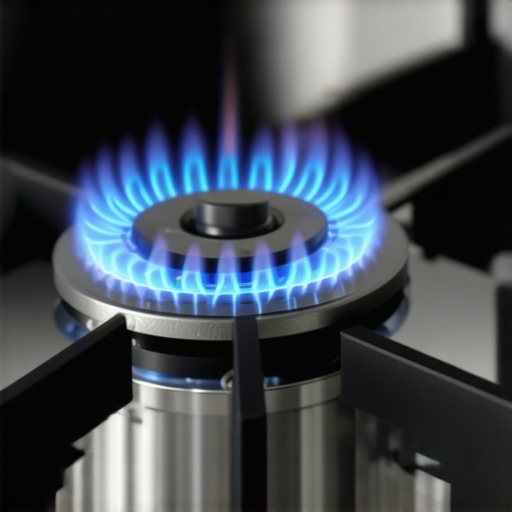
I was standing in my kitchen last Tuesday, halfway through prepping a stir-fry, when my stove decided to play a dangerous game of ‘will it or won’t it.’ I turned the knob, heard that familiar click-click-click, and then… silence. One second passed. Five seconds. By the time it finally roared to life at the ten-second mark, the small ‘whoosh’ of gas ignited into a mini fireball that nearly took off my eyebrows. It’s a terrifying feeling, isn’t it? You’re standing there, smelling a hint of natural gas, wondering if you should run for the hills or keep clicking. If your range is lagging, you aren’t just losing time; you’re dealing with a build-up of unburnt fuel that can lead to a serious flash fire. Today, I’m going to walk you through exactly why this happens and how to stop that delay before it turns into a call for same-day appliance repair. [image_placeholder]
Stop Waiting for the Spark Before Things Get Dangerous
I’ll be the first to admit I’ve messed this up before. Years ago, I spent a small fortune replacing an entire burner assembly because I thought the hardware was shot. I later realized it was just a tiny bit of spilled pasta sauce gunking up the ports. Total rookie move. Most of the time, the fix is much simpler than you think, but you have to know where to look. Often, you’re dealing with the loose igniter connection making your gas stove click without actually catching the flame. We are going to dive into the debris, the alignment, and the electrical gremlins that slow things down.
Is this delay actually a sign I need a new stove?
It’s the question everyone asks when they’re staring at a ten-year-old appliance. Does a slow start mean the end? Not necessarily. While the signs of a failing range control board can sometimes include ignition delays, it’s frequently a maintenance issue rather than a total system failure. However, you shouldn’t ignore it. According to the National Fire Protection Association, gas ranges and ovens are involved in a significant percentage of home cooking fires, often due to ignition issues or gas buildup. My goal is to help you figure out if you can handle this with a toothbrush and some patience, or if you need an expert guide to appliance repair to step in. Have you ever felt that ‘whoosh’ of heat after a long ignition delay and wondered if your kitchen was about to become a localized sun? It’s a heart-pounding moment that no home cook should have to get used to. Let’s get your kitchen back to being a safe space.
Clear the Path for a Faster Flame
Let’s get our hands dirty. The first thing I always check is the burner port right next to the igniter. Think of it like a clogged artery; if the gas cannot reach the spark, you get that scary buildup of fuel. One time, I was making a simple pot of oatmeal that decided to mount a structural escape. The sticky mess hardened into a literal shell right over the ignition port. I spent twenty minutes clicking the knob, unaware I was basically trying to light a rock. Eventually, I took a standard sewing needle and cleared the tiny hole. The delay disappeared instantly. When you are cleaning, avoid using wooden toothpicks because they can snap off and become a permanent plug, turning a DIY fix into a necessity for expert guide to appliance repair. Focus on the tiny notch on the burner ring that aligns with the igniter spark. If that notch is filled with grease, the gas won’t ignite until the cloud is large enough to reach a stray spark—and that is where the ‘whoosh’ comes from. 
Why Your Burner Cap Is Sabotaging Dinner
If you’ve recently deep-cleaned your stove, you might have accidentally created your own ignition problem. These caps are like puzzle pieces; if they are even a fraction of a millimeter off-center, the gas flow becomes turbulent and misses the spark entirely. I once went on a frantic search for what to expect from same-day appliance repair experts because my front-left burner wouldn’t light after a holiday cleaning spree. It turned out the cap was sitting just slightly tilted on the burner head. This improper seating disrupts the ‘venturi effect’—the vacuum that pulls gas and air together. Always ensure the cap is flat and ‘locked’ into its grooves. If your range was recently set up, this is often a sign of poor initial setup, so make sure you understand how to ensure reliable appliance installation in 2025 to avoid these nagging geometry issues from day one.
Dry Out the System Before You Click Again
Water is the natural enemy of your igniter. Even a tiny drop of moisture from a damp sponge can short out the spark or cause it to track down the side of the ceramic insulator instead of jumping to the gas. If you’ve just finished a heavy scrub, try using a hairdryer on a low setting to blast the igniter for sixty seconds. This is a pro-trick that saves hours of waiting for things to air-dry. If you find that the spark is still weak or orange instead of a crisp blue-white, you might be dealing with the loose igniter connection making your gas stove click without enough voltage.
When the Problem Is Deep Under the Hood
Sometimes, the delay isn’t about gunk or alignment; it’s about the brains of the operation. If all your burners are lagging simultaneously, the issue likely sits in the spark module or the wiring harness. This is where things get technical. High heat over years can cause the control board solder joint that kills your range to become brittle and crack. When this happens, the electrical pulse sent to the igniter is intermittent. You might hear the clicking, but it’s rhythmic and ‘lazy’ rather than fast and sharp. While it’s tempting to keep clicking and hoping, a failing module can eventually lead to a total gas lockout. In these cases, it is much safer to rely on warranty-backed appliance services you can rely on to swap out the module without risking a short circuit in your kitchen’s main power line.I’m going to go against the grain here: sometimes, the fastest technician is the one you should trust the least. Everyone thinks that ‘same-day’ is the gold standard of success. But in my years of tearing apart ranges and refrigerators, I’ve seen that ‘fast’ often means the tech didn’t bother to check the gas pressure or the grounding. If you are experiencing that delayed ignition we talked about, a rushed technician might just swap the igniter and leave. But if the root cause is actually the grounding error that makes your smart stove controls glitch, that new part is going to burn out in six months. You don’t just need speed; you need someone who understands what to expect from same-day appliance repair experts—which should include a full diagnostic, not just a part-swap.
Why Your Warranty Claim Was Destined to Fail
The biggest ‘oops’ factor I see? Homeowners assuming their warranty is a blank check. I’ve seen people get hit with a $400 bill because they didn’t realize the wear and tear clauses that might void your warranty cover things like ‘environmental gunk’ (like that pasta sauce we mentioned earlier). According to a 2023 industry analysis by Consumer Reports, nearly 30% of repair claims are denied because the issue was categorized as ‘lack of maintenance’ rather than a ‘factory defect.’ It’s a bitter pill to swallow when you realize the reason your warranty claim was denied was simply because you didn’t keep the burner ports clear. Have you ever fallen into this trap? Let me know in the comments. 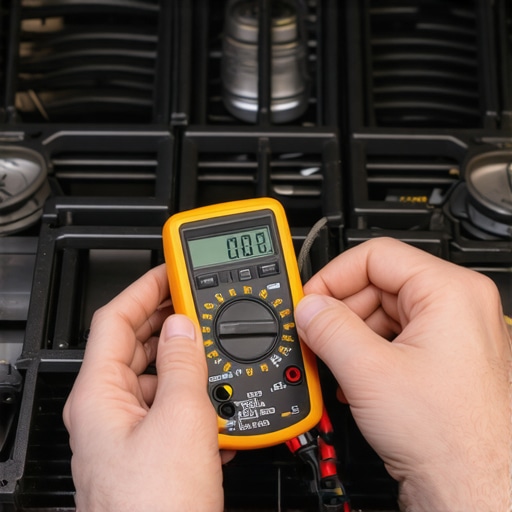
Can a sloppy installation actually kill your stove’s motherboard?
Most people think installation is just ‘plug and play.’ It’s not. If your range isn’t level, or if the gas line has too many sharp bends, you create backpressure and heat pockets that the engineers never intended. This is why learning how to ensure reliable appliance installation in 2025 is so vital. A poorly seated unit can cause the control board solder joint that kills your range to overheat and crack prematurely. Before you sign off on a repair or a new install, look for how to spot a shadey appliance repair quote that glosses over the ‘leveling’ or ‘clearance’ checks. You want warranty-backed appliance services you can rely on to ensure the hardware is actually set up to succeed, not just to turn on. If your igniter is still lagging after a deep clean, don’t just keep clicking; it’s time to check the bones of the machine.To move beyond the basic ‘clean and hope’ method, I’ve started carrying a very specific toolkit that saves me from the frustration of a silent stove. My absolute must-have is a high-quality digital multimeter. Most people think these are only for electricians, but if you want to know for sure if your igniter is getting enough juice, you have to test the voltage at the source. According to the Whirlpool Job Aid for Gas Ranges, a consistent 120V supply to the spark module is non-negotiable for instantaneous ignition; any drop below 105V due to a weak circuit will cause that dangerous gas buildup before the spark finally catches. I also keep a set of fine-gauge welding tip cleaners in my drawer. They are much thinner than needles and specifically designed to clear gas orifices without enlarging them—a mistake that can lead to an uneven, dangerous flame.
The Maintenance Log That Saves Your Wallet
I cannot stress this enough: keep a digital folder of every time you clean your burner heads or have a check-up. This isn’t just about being organized; it is about survival when dealing with insurance. Knowing how to prove periodic maintenance to keep your warranty valid is the difference between a free repair and a $500 headache. I use a simple note app to snap a photo of the clean burner ports every six months. If a component fails, I have time-stamped proof that the failure wasn’t due to my ‘negligence’ or pasta sauce spills. This level of detail is exactly how to maximize your appliance warranty during emergency repairs because it leaves the technician no room to deny the claim based on wear and tear. 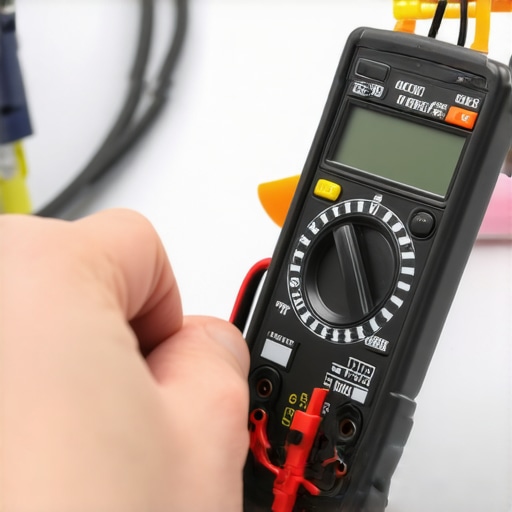
How do I maintain my gas ignition system over time?
Consistency is better than intensity. Once a month, I recommend doing a ‘dry fire’ test. Turn off the lights in your kitchen and turn the knob to the ignite position for just one second. You should see a crisp, blue spark jumping directly to the burner head. If the spark looks orange or is jumping ‘sideways’ toward the range top, you have a moisture or grounding issue. Addressing this early prevents the need for same-day appliance repair later. Additionally, check the leveling of your unit. A slight tilt can cause gas to pool on one side of the burner ring, delaying the ‘reach’ to the igniter. I’ve found that even the one screwdriver turn that levels a rattling washer works just as effectively for stabilizing a range that has settled into uneven flooring.
The Future of Smart Range Diagnostics
Looking ahead to 2025 and beyond, we are moving away from ‘guessing’ why a stove is clicking. I’m already seeing high-end models equipped with infrared sensors that detect gas flow before the spark is even initiated. If the flow is turbulent or blocked, the stove will throw an error code on your phone instead of letting you keep clicking. Until those become the standard, we have to be our own sensors. If you’re tired of the DIY struggle, don’t hesitate to contact us for a professional diagnostic. My advanced tip for you today: grab a multimeter and check your outlet’s grounding; a ‘floating ground’ is the silent killer of modern electronic igniters, and fixing it could solve your clicking issues forever.
The Hardest Lesson I Learned About Delayed Sparks
If there is one thing I’ve realized after years of troubleshooting, it’s that ‘faster’ doesn’t always mean ‘fixed.’ I once watched a neighbor pay for a three-hour labor charge just because they didn’t know about the wear and tear clauses that might void your warranty. They assumed a clicking stove was a factory defect, but it was just a build-up of residue from months of cooking. Here is what I know now:
- The clicking sound is like a heartbeat; if it’s irregular, the heart of the stove is struggling, but it usually isn’t dead yet.
- Cleanliness isn’t just about aesthetics; it is the primary safety mechanism of a gas range.
- Never trust a quote that promises a fix without a multimeter test; that is a major red flag when learning how to spot a shady appliance repair quote.
[image_placeholder]
What I Keep in My Kitchen Repair Drawer
You do not need a van full of heavy parts to keep your stove safe and responsive. I swear by these three items that help me avoid unnecessary service calls:
- Digital Multimeter: This is essential for checking if your igniter is getting the right voltage. It’s a core tool mentioned in any expert guide to appliance repair and installation today.
- A High-Resolution Camera: I use my phone to document every cleaning session. This way, I know how to prove periodic maintenance to keep your warranty valid if a component actually fails and I need to file a claim.
- A Simple Maintenance Log: Tracking when you last cleared the burner ports helps you maximize your appliance warranty during emergency repairs because you have the facts ready for the technician.
Your Kitchen Should Be a Sanctuary Not a Hazard
Don’t let a small mechanical hiccup turn your evening meal into a stressful event. Whether you decide to tackle the cleaning yourself or you need same-day appliance repair to get back on track, the goal is always safety and peace of mind. You have the knowledge now to identify the difference between a simple clog and a serious electrical fault. If you’re ever in doubt about the safety of your gas flow, please just contact us and we will help you figure out the next steps. Have you ever experienced that terrifying ‘whoosh’ when your stove finally lit after a long delay? Let me know your story in the comments below.