
I stood in my kitchen last Tuesday, holding a “clean” wine glass that looked like it had been salvaged from a shipwreck. It was covered in that stubborn, cloudy film that mocks your every effort to keep a tidy home. I’d tried different detergents, extra rinse aid, and even a vinegar bath, but the results were always the same: dingy plates and a dishwasher that sounded like it was wheezing. I was convinced the motor was shot. I was actually seconds away from browsing for fast trustworthy appliance installation near you because I could not take the frustration anymore. But then, a friend who spends way too much time on home maintenance forums asked me one simple question: “When was the last time you checked your water hardness?” That was my lightbulb moment. I realized I was not dealing with a broken machine; I was dealing with a water quality crisis that was slowly choking my appliance to death.
The Day I Almost Threw My Dishwasher Out the Window
Before I wised up, I made the classic rookie mistake. I assumed a “repair” meant replacing expensive parts. I spent nearly two hundred dollars on a service call just for a technician to look at my heating element and tell me it was “calcified.” I felt like a total amateur. It turns out, that white gunk is calcium and magnesium literally baking onto your dishes and the internal components of your machine. This mineral buildup is often the real reason why your dishwasher sprays water but doesn’t clean. If you have noticed your cycles getting longer or your soap not sudsing up, you are likely fighting the same invisible battle I was. Have you ever pulled out a load of dishes and felt like they were dirtier than when they went in?
Is a water filter actually worth the hype?
I get it. You are skeptical. It sounds like another “extra” gadget to maintain. But here is the cold, hard truth: hard water is an appliance killer. According to the Water Quality Association, hard water can reduce the efficiency of water-using appliances by as much as 48% due to scale buildup. That means you are paying more for electricity and water while getting worse results. A dedicated hard water filter acts as a bodyguard for your dishwasher. It catches those minerals before they ever reach your heating element or those tiny spray arm holes. I wish I had known this before I started searching for how to spot a shady appliance repair quote.
What Hard Water is Doing to Your Machine Right Now
It is not just about the spots on your glasses. The minerals in hard water are abrasive. They wear down seals, clog the hidden drain in your dishwasher that needs cleaning, and eventually lead to catastrophic leaks. I have learned the hard way that prevention is significantly cheaper than a midnight emergency call. By the time you are looking for warranty-backed appliance services you can rely on, the damage might already be done. But do not worry, we are not going to let it get that far. Today, I am going to show you exactly how to pick the right filter and why this one small change will save you hundreds in the long run.
Find Out Exactly What Is Hiding In Your Pipes
You cannot fix a problem you haven’t measured yet. I remember buying a five-dollar pack of test strips and watching the little square turn a deep, angry purple within seconds. It was like a diagnostic slap in the face. To start, grab a water hardness test kit from any hardware store. Dip it in a glass of cold tap water, wait thirty seconds, and compare the color to the chart. If your results show more than 7 grains per gallon (GPG), your dishwasher is effectively eating rocks every time you run a cycle. This mineral buildup is exactly why your dishwasher sprays water but doesn’t clean effectively, as the calcium blocks the tiny jets.
Flush the System Before You Start
Before you even think about installing a filter, you need to clear the existing gunk. Think of it like trying to run a marathon with a cold; you need to clear the pipes first. I used a heavy-duty descaler and ran two empty cycles on the hottest setting. While that was running, I took a look at the hidden drain in your dishwasher that needs cleaning to ensure there wasn’t a literal mountain of calcium pebbles sitting at the bottom. 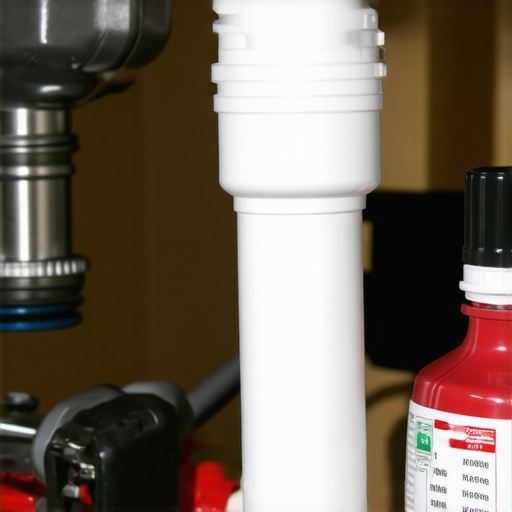
Hook Up Your Filter Without Flooding the Kitchen
For most of us, an inline dishwasher filter is the easiest and most cost-effective ‘bodyguard.’ This small canister attaches directly to the water supply line under your sink. Think of it as a gatekeeper that strips out the minerals before they enter the machine. When I did mine, I made the mistake of thinking ‘hand-tight’ was enough. I woke up the next morning to a puddle that nearly sent me searching for how to get an emergency fridge repair before your food spoils because I thought the leak had reached the refrigerator’s compressor. Use a wrench. A quarter-turn past hand-tight is the sweet spot.
Check the Inlet Valve Screen
While you have the machine pulled out to install your filter, take two minutes to inspect the water inlet valve. This is where most DIYers fail. There is a tiny mesh screen inside that valve that catches larger debris. If yours is orange or white and crusty, you’ve found your culprit. I’ve seen people assume their motor was dead when it was just the secret screen filter in your washer water inlet valve (and dishwasher) being completely choked. Clean it with an old toothbrush and some white vinegar. It’s the same logic as the one screwdriver turn that levels a rattling washer—sometimes the biggest fixes are the smallest physical adjustments.
Keep the Scale from Coming Back
Once the filter is in, you aren’t quite finished. You need to recalibrate how you use the machine. Hard water requires more heat and more soap, but once you have soft water, you can actually use *less* detergent. If you see excessive suds, you’re over-soaping, which can cause its own set of leaks. I always recommend checking your manual for the ‘water hardness’ setting on the machine itself; many modern units allow you to program the hardness level so the internal salt softener (if equipped) works correctly. This is a critical part of how to ensure reliable appliance installation in 2025 because smart appliances are more sensitive to mineral levels than the old tanks our parents owned. If you’re unsure about the technical side, seeking warranty-backed appliance services you can rely on can ensure the sensors are calibrated perfectly without voiding your protection plan.
The hidden clauses that kill your warranty
Most people think that once they have signed a protection plan, they are immune to repair costs. I used to believe that too. But here is the contrarian truth: a warranty is often a contract of reciprocity. If you do not do your part, they will not do theirs. I have seen countless homeowners get a rude awakening because they ignored the wear and tear clauses that might void your warranty. Specifically, if a technician finds that your dishwasher failed because you let calcium build up for years without using a filter or descaler, many companies will label that “owner neglect” and deny the claim. They view hard water damage as a preventable choice, not an accidental mechanical failure.
Can a single service call really fix a hard water problem?
Technically, no. A technician can replace a heater or a pump, but they aren’t fixing the underlying cause of the failure. This is where the nuance of an expert guide to appliance repair and installation today comes in. Real expertise isn’t just about swapping parts; it is about environmental correction. According to a study by the Battelle Memorial Institute, appliances running on softened water maintained their factory efficiency ratings for up to 10 years, whereas those on hard water lost efficiency and failed significantly earlier due to scale. If you are just paying for affordable same-day appliance fixes with warranty benefits without addressing your water chemistry, you are essentially putting a band-aid on a much larger problem.
Why your maintenance records are more valuable than the policy itself
Here is the “oops” factor that catches even the smartest homeowners. You do the maintenance—you clean the filters and you descale the unit—but you do not document it. When a major component fails, the first thing a skeptical adjuster will ask for is proof of upkeep. I learned to keep a dedicated folder for my kitchen appliances. Without the maintenance receipt you must save for future claims, you are basically at the mercy of the inspector’s mood. This lack of documentation is frequently the reason your warranty claim was denied. 
Have you ever fallen into this trap? Maybe you thought what to expect from same-day appliance repair experts included a free pass on all future maintenance needs? Let me know in the comments. Chasing same-day service is great for emergencies, but long-term appliance health requires a bit more foresight than just a quick phone call.
If you want to move beyond the ‘guy with a screwdriver’ phase and into professional-grade maintenance, you need to invest in a decent digital multimeter. I personally use the Fluke 117 because it has a non-contact voltage detection feature that has saved my skin more times than I can count. When your dishwasher stops mid-cycle, you need to know if the control board is actually sending power to the drain pump or if the pump itself has seized. Guessing leads to buying parts you don’t need, and that is a fast way to blow your budget. This is a core part of an expert guide to appliance repair and installation today.
Another tool I swear by is a dedicated ‘high-loop’ bracket. Most people just zip-tie their drain hose to the sink plumbing and call it a day, but a proper bracket ensures that nasty sink water never siphons back into your clean dishwasher. This small hardware piece is the difference between a machine that lasts five years and one that lasts fifteen. It is also vital for how to ensure reliable appliance installation in 2025 because newer, more efficient machines have less tolerance for backflow than the older models. 
How do I maintain my dishwasher performance over time?
Consistency is the secret sauce. I set a recurring calendar alert for the first of every month to check the hidden drain in your dishwasher that needs cleaning. If you wait until you smell something funky, you have waited too long. I also keep a stash of food-grade citric acid; it is the most effective way to strip away mineral deposits without damaging the rubber seals. This kind of proactive care makes affordable same-day appliance fixes with warranty benefits a luxury rather than a constant necessity. According to technical service bulletins from manufacturers like Bosch, using the correct amount of salt in your unit’s internal softener can extend the life of the ion exchange resin by years. If you neglect this, the resin ‘poisons’ and you are back to square one with hard water spots.
The future of appliance self-diagnostics
I predict that by the end of this decade, we will not be checking test strips anymore. Sensors will be integrated into the intake valves, automatically adjusting detergent dosage based on real-time GPG (grains per gallon) readings. Until then, we have to be the brains of the operation. If you are ever in a pinch and the DIY route fails, knowing what to expect from same-day appliance repair experts can help you bridge the gap between a minor leak and a flooded kitchen. Remember, you should also maximize your appliance warranty during emergency repairs by asking the tech to document the exact cause of failure.
My advanced tip for you today: Pull your dishwasher out just six inches and check the tension on the leveling legs. If they have vibrated loose, the machine might be slightly tilted forward, causing the door gasket to compress unevenly. A single turn of a wrench could prevent a five-hundred-dollar floor repair later. Give it a shot this weekend and see if it stops that annoying slow drip.
Everything I Learned the Hard Way About Keeping a Kitchen Functional
After years of wrestling with scale and cloudy film, I realized that the best defense isn’t a better soap—it is a better system. I used to think a warranty was a “get out of jail free” card, but I quickly discovered that the reason your warranty claim was denied usually comes down to small, ignored tasks like descaling. Another lightbulb moment was realizing that even a one screwdriver turn that levels a rattling washer or dishwasher can prevent a slow drip from becoming a flood. Finally, I learned that a professional install isn’t just about the heavy lifting; it is about ensuring features like the drain hose high loop that stops dishwasher backflow are actually in place to protect your hygiene.
What I Keep in My Emergency Repair Kit
I don’t go a month without my Fluke multimeter—it’s the only way to know if a part is actually dead or just not getting power. I also swear by food-grade citric acid for stripping minerals without harming seals. For the technical side, I frequently reference an expert guide to appliance repair and installation today to stay ahead of the curve. And of course, I have a dedicated physical folder where I keep the maintenance receipt you must save for future claims, because digital files always seem to disappear when you need them most.
Take the First Step Toward Appliance Longevity
You don’t need to be a master plumber to take control of your kitchen’s health. By managing your water quality and staying on top of the small stuff, you can avoid the stress of an emergency breakdown. Proper appliance repair and installation is as much about the environment you create for the machine as it is about the machine itself. Don’t let a few grains of calcium stand between you and sparkling clean dishes. Have you ever tried a water filter for your dishwasher, or do you rely on monthly descaling cycles? Let me know in the comments below!
#IMAGE_PLACE_HOLDER_E#