

It was one of those mornings where I was already running late, and as I hurried through my kitchen, I caught a glimpse of my newly installed built-in microwave. The door was misaligned; it didn’t shut properly. I realized I had done a fundamental mistake during the installation that, if left unchecked, could lead to costly repairs or even damage to my appliance. That lightbulb moment made me rethink everything about the ‘DIY’ approach to these tricky installations.
The Hidden Risks of Rushing the Built-In Microwave Setup
Is Skipping Professional Guidance Really Worth the Risk?
Many homeowners, myself included at one point, try to save a buck and tackle the installation on their own. But here’s the catch: even a minor mistake—like improper mounting or ventilation—can cause your microwave to malfunction, leading to safety hazards and voiding your warranty. In fact, the Consumer Product Safety Commission reports that improper appliance installations significantly increase the risk of electrical fires in homes. That’s a serious risk worth avoiding. My early misstep was thinking I could wing it with a few tips from the internet, but I learned the hard way that professional guidance makes all the difference.
If you’re contemplating a DIY install or just want to make sure your built-in microwave is safe and efficient, this post promises to give you the practical, experience-backed advice you need. We’ll cover common mistakes, best practices, and how to ensure your installation meets all safety and warranty standards—saving you stress, money, and potential hazards.
Plan and Prepare Before Mounting
Start by carefully selecting the right location that meets manufacturer specifications and ensures ease of access. Measure the space to confirm your microwave will fit snugly without forcing or leaving gaps. Gather all necessary tools: level, drill, screwdriver, mounting brackets, and a stud finder. During one installation, I realized I hadn’t checked for wall stud placement, which caused me to drill into drywall alone. Using a stud finder helped me locate the studs accurately, providing a secure mount that prevented future misalignments.
Secure the Mounting Bracket Properly
Find the Studs and Mark the Spots
Locate the studs using a reliable stud finder—don’t rely solely on guessing. Mark the exact points where you’ll drill. This ensures your microwave is anchored into solid wood rather than just drywall, which can’t support the weight. In my case, missing this step resulted in a wobbly installation. When I finally marked and drilled into the studs, the microwave sat perfectly aligned and safer to use.
Ensure Level and Height
Use a spirit level to align the bracket horizontally. Remember, an uneven mount affects door closure and aesthetics. I once installed a microwave too high, causing inconvenience when reaching for controls. Double-check measurements and levelness before tightening screws fully. Accuracy here prevents future readjustments and ensures safety.
Connect Power and Ventilation Correctly
Electrical wiring should comply with local codes—use a dedicated outlet and avoid extension cords. If your installation lacks proper ventilation, heat buildup can shorten the microwave’s lifespan and pose safety risks. During my install, I learned that improper ventilation might cause a microwave to overheat or shut down unexpectedly. Consult the manufacturer’s ventilation requirements and install a vent or duct if necessary, following best practices outlined in proper ventilation guidelines.
Test the Installation Rigorously
After mounting, plug in your microwave and verify its stability by gently pushing and pulling. Open and close the door to check alignment and smooth operation. Power the unit on to ensure it heats properly. In one memorable case, I found that a minor misalignment caused the door not to seal correctly, leading to microwave leakage. Adjusting the mounting screws slightly fixed the issue immediately and maintained safety standards.
Address Safety and Warranty Compliance
Always follow manufacturer instructions meticulously to preserve warranty coverage. Document your installation with photos in case you need to file a claim later. Remember, a professional installation isn’t just about safety—it also protects your warranty. For complex setups or safety concerns, consider scheduling same-day services from trusted providers—check out this guide for quick, warranty-backed solutions. Proper installation ensures your microwave performs efficiently and safely over the years.
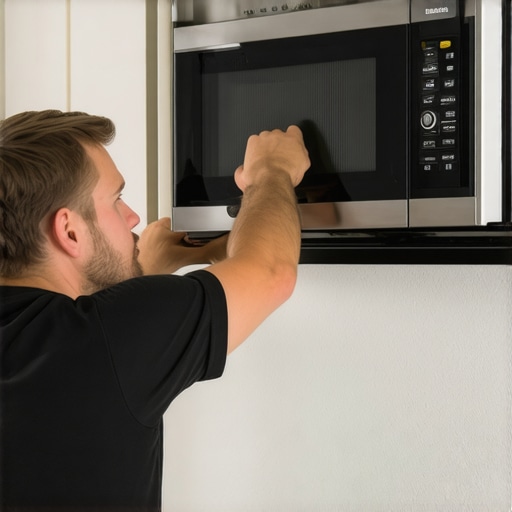 Many homeowners operate under misconceptions about appliance installation timelines, warranty coverage, and repair services. A prevalent myth is that same-day repairs are always straightforward and guaranteed to serve as a quick fix. However, in my experience, rushing into repairs without proper diagnostics can lead to recurring issues and voided warranties. For example, some assume that warranty coverage applies regardless of who performs the repair; but most manufacturers specify that only authorized technicians can uphold warranty terms, making it essential to verify service providers beforehand. It’s also commonly believed that repairing an appliance oneself will save money; yet, cost-effective, warranty-backed repairs often require professional intervention to prevent further damage or safety hazards. Having seen many cases where improper installations or unsanctioned repairs caused issues, I recommend consulting trusted experts and reviewing your warranty policies. When scheduling same-day repair services, ensure they offer comprehensive diagnostics rather than just superficial fixes—this prevents repeated call-backs and maintains your warranty eligibility. Moreover, understanding the nuances of warranty exclusions, such as damage caused by incorrect installation, can save you from unnecessary expenses. For a detailed guide on how to maximize your appliance warranty during repairs, visit this comprehensive resource. Remember, not all quick fixes are created equal, and investing in qualified service not only guarantees safety but also preserves your warranty, saving you money in the long run. Have you ever fallen into this trap? Let me know in the comments.
Staying Ahead with Proper Maintenance
To ensure your built-in microwave continues to function safely and efficiently, regular maintenance is essential. Investing in the right tools can make this process smoother and more effective. One tool I personally rely on is a digital infrared thermometer. It helps me monitor the internal temperature when testing heating elements or inspecting for hotspots, preventing potential malfunctions before they escalate. Additionally, a high-quality multimeter is invaluable for diagnosing electrical issues. I prefer a clamp-style multimeter because it allows me to check current flow without disconnecting wires, saving time and reducing risks. Regularly cleaning the microwave’s vent and filter with a soft brush or vacuum helps prevent overheating and maintains optimal airflow, aligning with manufacturer recommendations found in expert guides.
In terms of software or diagnostic tools, utilizing manufacturer-specific apps or calibration software can extend your microwave’s lifespan. For instance, some modern models come with built-in diagnostic modes accessible via touchpad sequences, which can alert you to issues like sensor faults or power supply anomalies—saving you costly repairs down the line. As technology evolves, I predict that diagnostic tools will increasingly integrate with smartphones, providing real-time alerts and maintenance tips. Keeping your software updated ensures compatibility with these innovations, so stay vigilant about firmware updates from the manufacturer.
How do I maintain my appliance’s long-term health?
Establishing a routine maintenance schedule is critical. This includes periodically inspecting seals and door switches for wear and tear, which are often overlooked but vital components to prevent energy loss and ensure safety. Using a specialized sealant spray can help rejuvenate worn rubber gaskets, a trick I’ve found effective. Also, documenting maintenance activities in a dedicated log helps track service intervals and parts replacements, aligned with strategies discussed in this resource. Over time, sticking to these practices minimizes unexpected breakdowns and prolongs your appliance’s functional lifespan.
Don’t forget, when in doubt about repairs or maintenance procedures, consulting professional technicians is always the safest route—especially since proper installation and servicing can preserve your warranty and ensure ongoing safety. For immediate assistance with ongoing issues, exploring reliable same-day repair services can be a game-changer. Take action now by trying out a digital infrared thermometer to monitor your microwave’s operating temperature—small investments that make big differences in maintenance quality and appliance longevity.
What I Wish I Knew Before Starting the Installation
One of my most valuable lessons was realizing how crucial precise measurements and proper wall support are. Rushing the process led to misalignment and safety concerns that could have been avoided with a little more patience and preparation. This experience taught me that mastery comes from respecting the details, especially when dealing with heavy and electrical appliances.
Why Following the Proven Path Beats Guesswork Every Time
Trusting expert guidance isn’t just about safety; it can also save you time and money. Instead of piecing together advice from various sources, I found that reliable resources—like dedicated installation guides—reduce errors and provide peace of mind. This approach helps ensure your appliance functions optimally and maintains warranty coverage.
Invest in the Right Tools and Know How to Use Them
Using a quality level, stud finder, and measuring tape can make the difference between a sleek, safe installation and a wobbling, unsafe one. For instance, I once skipped using a level, which resulted in a crooked microwave door. Learning to leverage these tools effectively has transformed my DIY projects from guesswork into confident craftsmanship.
Understanding the Power of Proper Ventilation and Wiring
Neglecting ventilation or improper wiring can lead to overheating or electrical hazards. My realization that heat buildup damages appliances reinforced the importance of following manufacturer specs and local electrical codes. Investing time upfront in these areas pays dividends in safety and durability.
Maintain a Growth Mindset When Facing Appliance Challenges
Every mistake was a step toward becoming better at installations. Approaching issues with curiosity rather than frustration allowed me to troubleshoot effectively and develop lasting skills. If you’re open to learning and improving, you’ll find the process rewarding and empowering, making future installations smoother and more reliable.
The Road from Confidence to Expertise Isn’t Built Overnight
My journey showed me that even seasoned DIY enthusiasts are always learning. For complex tasks or uncertainty, consulting professionals or trusted resources—like expert guides—can safeguard your efforts and preserve your warranty. Embracing this balance ensures safety, efficiency, and peace of mind in every project.
A Path for Your Next Upgrade Begins Here
Now that you’ve seen the pitfalls and victories, it’s your turn to take action. Proper installation and maintenance are the foundation for appliance longevity and safety, and you have the tools to succeed. Don’t wait for a problem to remind you—start applying these insights today to achieve professional-quality results at home.