
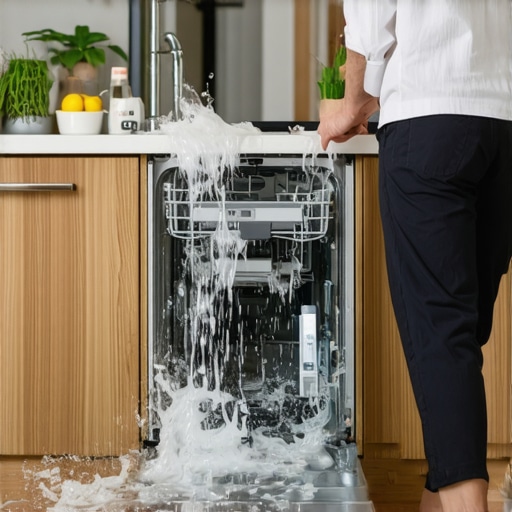
Ever had that sinking feeling when you walk into the kitchen and see your dishwasher gushing water all over the floor? I remember the exact moment I discovered my own dishwasher had turned into a mini flood zone. The noise, the mess, and that overwhelming sense of helplessness—that’s a situation nobody wants to find themselves in, especially when they’re already juggling a million things. I’ve been there, and honestly, I wish I had known what to do in that panic moment.
Getting to the Root of the Overflow Problem
Today, I’ll help you figure out why your dishwasher is flooding your kitchen and, more importantly, how to stop it fast. Because let’s be honest, nobody has time for a long, complicated repair when water is actively spilling onto your floor. From my experience and research, most dishwasher overflows are caused by simple, time-sensitive issues—clogged filters, faulty float switches, or drain obstructions—that you can fix yourself or with the help of a quick repair service. For peace of mind, I highly recommend checking out affordable same-day appliance fixes with warranty benefits. Often, a professional repair can be the fastest and most reliable route, especially when your water is already on the floor.
Are You Wasting Time on the Wrong Fix?
Early in my troubleshooting, I made the mistake of assuming the issue was something complicated or beyond my skill set. It’s a common trap—believing that a flood means a major part failure. But I learned that most overflow problems relate to simple mechanisms like the float switch or clogged filters. To avoid further damage and frustration, it’s essential to understand what parts are likely responsible and how to handle them. Remember, a quick look at the what to expect from same day repair experts can set your mind at ease and help you decide whether DIY or professional help is best.
Stop the Water Spreading Before It Gets Out of Control
Once you spot water pooling on your kitchen floor, act fast to minimize damage. First, unplug the dishwasher or turn off its circuit breaker to prevent electrical hazards. Then, locate the water supply valve behind or under the appliance and shut it off. Remember, a quick response can save you a lot of cleaning and repair costs down the line.
Assess and Identify the Root Cause
Pull out the dishwasher carefully, using protective gloves if needed, to inspect the nozzle area, filters, and drain hose. My experience showed that clogs or dislodged parts often cause overflows. Look for visible clogs or debris blocking the drain, as these are common culprits. If you spot buildup, disconnect the hose and clean it thoroughly with warm water. This simple step often solves the issue without needing professional help.
Check the Float Switch
The float switch acts like a water level sensor—think of it as your dishwasher’s eyeball that detects when to shut off water intake. If it’s stuck or malfunctioning, it might falsely signal high water levels, causing overflow. Remove the control panel or access panel to inspect the float arm; ensure it moves freely. If it’s stuck, gently free it and test if the switch toggles properly. Cleaning or repositioning it resolves many flooding issues.
Clear Obstacles in the Drain System
Next, examine the drain filter and impeller. Over time, food particles, grease, or debris can block the flow. Remove the filters, rinse them under running water, and clear any obstructions. If the impeller spins freely and isn’t jammed, the drainage pathway is clear. Reassemble everything carefully, then run a short cycle with hot water to test for leaks. Personal experience confirms that even minor clogs can trick your dishwasher into overfilling.
Decide When to Call in Professionals
If after cleaning the filters and float switch the flood persists, it’s time to seek expert assistance. Rapid, professional repairs are like a trusted mechanic tuning up your car—they prevent long-term damage and ensure safety. For peace of mind and warranty coverage, I recommend choosing a reputable service that offers warranty-backed repairs. Scheduling your appointment at the earliest, like through same-day service options in 2025, can save you from future headaches.
Document and Document Again
Finally, keep a record of what you checked and fixed. Take photos of clogged filters or faulty float switches. If you need to claim warranty later, detailed documentation simplifies the process. Remember, many warranties have specific clauses about repairs—knowing how to maximize your coverage is half the battle. For a comprehensive guide, explore how to maximize your appliance warranty during emergencies. This knowledge ensures you’re protected if the problem recurs.
Most people assume that selecting a same-day appliance repair service automatically guarantees smooth sailing. However, this belief often masks a set of nuanced pitfalls that can leave you frustrated, out of pocket, and with unresolved issues. Let’s dig deeper into what many overlook, challenge common myths, and reveal the advanced mistakes that even experienced homeowners frequently make.
Debunking the Myth: All Same-Day Services Are Equal
Many believe that any provider offering same-day appliance fixes with warranty benefits guarantees quality and reliability. The reality is, rapid service isn’t synonymous with expertise or transparency. Some companies prioritize quick dispatch over thorough diagnostics, risking short-term fixes that overlook root causes. A common oops factor is neglecting to verify if the technician actually has OEM parts or genuine expertise necessary for complex failures, especially when warranties are involved. Remember, a cheap quick fix today can cost you dearly if it voids your warranty or leads to recurring problems.
Unraveling the Complexity of Warranties and Installations
Many homeowners assume that a warranty covers every conceivable failure, but that’s not the case. The fine print often excludes damage caused by improper installation or neglect. For example, even with professional reliable installation near you, hidden nuances like incorrect leveling or incompatible parts can invalidate warranties during an appliance’s critical early months. An advanced mistake is neglecting to document installation and repair processes, which can be detrimental when filing claims. Evidence like photos or detailed logs can significantly bolster your position, especially when facing warranty disputes.
Why It Pays to Think Beyond the Obvious
Ever wondered why some repairs seem to keep breaking down even after the technician leaves? Consider the expert guide to appliance repair and installation today. A nuanced understanding reveals that overlooked factors—like electrical wiring quirks, hidden debris in drainage systems, or calibration errors—can cause repeat failures. Ignoring these subtleties often leads to advanced mistakes such as misdiagnosing symptoms or rushing into replacements, which can be more costly in the long run.
Are You Falling for the Quick Fix Trap?
In my experience, many homeowners fall into the trap of prioritizing speed over accuracy. They opt for the first available quick solutions with warranty support without evaluating the technician’s credentials or the problem’s complexity. This shortcut can entrench issues, making eventual repairs more invasive and expensive. My advice? Always ask about parts authenticity, request a diagnosis, and understand the scope of work upfront. Don’t forget: a comprehensive approach saves time and money, especially when warranties are involved.
Lastly, always consult expert resources or specialists who understand the intricate relationship between warranty-backed appliance services and precise diagnostics. Remember, genuine expert help is an investment in peace of mind and long-term savings.
Have you ever fallen into this trap? Let me know in the comments.
Tools I Recommend for Reliable Appliance Maintenance
Maintaining appliances effectively requires the right set of tools. I swear by a high-quality digital multimeter, like the Fluke 115, because it allows me to quickly check electrical components such as thermostats, sensors, and wiring continuity. Precision screwdrivers are also crucial; I prefer magnetic, anti-static sets from Wiha for their durability and grip, which streamline disassembly and reassembly without damaging sensitive parts. Additionally, a microfiber cleaning cloth and a small, soft-bristled brush help keep components like filters and vents free of dust and debris, reducing strain on the appliance.
Why I Use Specific Software for Diagnostics
When troubleshooting complex failures, I turn to manufacturer-specific diagnostic apps, which often provide detailed error codes and system statuses. For example, LG’s Smart Diagnosis app helps identify problems quickly, saving both time and effort. I also utilize diagnostic tools like the Amprobe AM-570 multimeter to verify voltage levels and continuity with precision, ensuring I don’t miss subtle electrical issues that could cause long-term damage if left unchecked.
Long-Term Maintenance Techniques
Establishing a regular maintenance schedule and using the right tools can drastically extend appliance lifespan. For instance, I recommend cleaning refrigerator coils and dryer vents every six months—a task simplified with a coil cleaning brush and a HEPA vacuum attachment. Maintaining proper airflow, as outlined by HVAC experts, prevents overheating and moisture buildup, which could otherwise lead to expensive repairs or early replacement.
How Do I Maintain Appliance Performance Over Time?
Preventative maintenance is key. This includes checking seals and gaskets monthly to avoid leaks, replacing filters proactively, and conducting electrical tests periodically to detect early signs of wear. Keeping detailed logs of maintenance activities ensures you can identify patterns that might predict failure, enabling scheduling of repairs before a breakdown occurs. For a comprehensive approach, consider integrating these practices with warranties and service plans offered by professionals, like those highlighted in warranty-backed appliance services. This proactive strategy not only preserves appliance performance but also ensures you’re protected against unexpected failures.
The Future of Maintenance Tools and Strategies
As technology advances, predictive maintenance using IoT sensors and smart diagnostics will become more accessible, allowing appliances to alert homeowners of potential issues before they escalate. I predict that integrating AI-based diagnostic platforms will streamline repair processes even further, reducing downtime and costs. Meanwhile, staying updated through reputable sources, like the expert guide to appliance repair, can provide early insights into these emerging innovations. Embracing these tools now will position you ahead of the maintenance curve, saving you money and frustration down the road.
What Everyone Gets Wrong About Speedy Repairs
Initially, I believed that choosing the fastest service was always the best decision. I quickly learned that rushing into a repair without verifying the technician’s credentials or understanding the underlying issue often led to recurring problems and wasteful spending. Patience and due diligence matter more than the clock.
The Power of Being Prepared: My Lightbulb Moment
Documenting every repair process, from taking photos of faulty parts to logging service calls, turned out to be invaluable. This habit not only streamlines warranty claims but also empowers me to make informed decisions about repairs and replacements, saving time and money in the long run.
Why Warranties Are More Than Just Paper
Early in my experience, I underestimated the importance of understanding warranty fine print. Learning that proper installation and maintenance are often prerequisites for coverage was a game-changer. Now, I always verify that technicians use genuine parts and follow recommended protocols, ensuring my warranties stay intact.
The Unexpected Value of DIY Knowledge
After tackling simple fixes myself, I discovered a deeper appreciation for diagnostics and troubleshooting. Gaining basic skills, like inspecting filters or float switches, allowed me to quickly address minor issues and determine when professional help was truly necessary, avoiding unnecessary expenses.
Tools That Transformed My Maintenance Routine
Investing in quality diagnostic tools, such as digital multimeters and manufacturer-specific apps, has significantly improved my ability to identify issues early. These tools serve as an extension of my knowledge, enabling faster, more accurate assessments—even for complex problems.
Where My Curiosity Led Me: Resources I Trust
Over time, I found that reputable sources like the expert guide to appliance repair and installation today became my go-to for troubleshooting and understanding the intricacies of appliance systems. Additionally, trusting certified repair services offering warranty-backed repairs has given me peace of mind and saved me from costly mishaps.
Your Next Step Could Save You Twice
Embracing a proactive approach—investing in the right tools, knowing when to call experts, and understanding your warranties—can transform your appliance maintenance experience. Don’t let fears of complex repairs hold you back; taking small, informed actions today prepares you for smoother solutions tomorrow. Remember, the real benefit lies in empowering yourself to handle appliance issues confidently. Are you ready to apply these lessons and take control over your appliance repair journey? Share your thoughts below or tell me about your experiences with same-day service—and how they changed your approach to maintenance.