
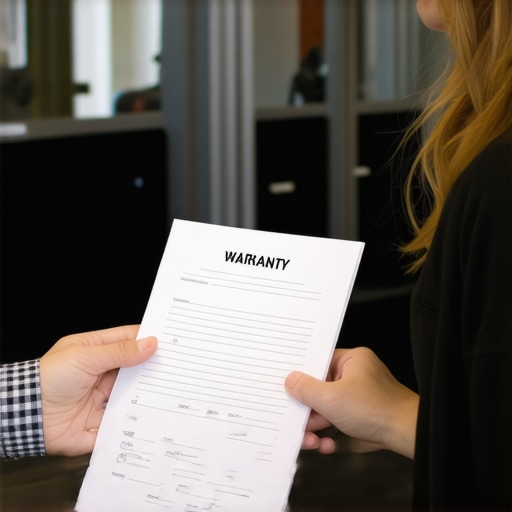
I remember the moment it happened—my refrigerator stopped cooling just a week after the warranty expired. The sudden warm air that greeted me was a stark reminder of how fragile our trust in appliances can be. Like many, I had assumed warranty issues were straightforward, only to be met with endless phone calls, unresponsive customer service, and vague promises that never materialized. That experience was a real eye-opener and sparked my journey into understanding how to file successful warranty claims without pulling my hair out.
Why Handling Warranties Can Feel Like Navigating a Maze
If you’ve ever tried to get your appliance fixed under warranty, you know the frustration. It’s often a game of patience, persistence, and knowing the right steps. The truth is, many folks give up halfway through because they get overwhelmed or confused. What I learned over time is that a little bit of knowledge and preparation can turn this daunting process into a manageable task, saving you time, money, and a ton of headache. Reliable warranty-backed services are available, but knowing how to approach your claim is vital.
Will Your Warranty Cover the Repair or Replacement?
One of the biggest fears I had at first was wondering if my issue would be covered at all. Early on, I made the mistake of assuming that just because an appliance was new, everything would be straightforward. That’s not always the case. Manufacturer warranties often have exclusions, and understanding them is crucial. For example, I once overlooked the fine print and faced a denial because my damage was deemed a result of misuse. Learning to read your warranty and document issues properly is step one to avoid this mistake. If you’re unsure, experts recommend consulting resources like maximizing your warranty during emergency repairs to ensure full coverage when you need it most.
When I faced my refrigerator’s faulty compressor, I quickly realized that having a complete set of paperwork made all the difference. Retrieve your purchase receipts, warranty cards, and any previous repair records. Take photos of serial numbers and model stickers on your appliance. This preparation acts like assembling a toolkit before a repair—without it, you’re flying blind. Keep these organized on your device or in a physical folder for easy access during the claim process.
Many warranties are like a map with missing pieces—failing to read the fine print can lead to surprises. Carefully review your warranty documentation, focusing on exclusions, coverage durations, and necessary documentation for claims. I once thought my accidental damage was covered, only to learn it wasn’t. To avoid this, visit this resource and understand typical coverage parameters. Knowing these details saves time and avoids false hope.
Once you’ve confirmed coverage, reach out to trusted repair professionals immediately. Think of this step as calling in a specialist rather than improvising repairs yourself—this ensures warranty validation and proper diagnostics. Use reputable services like reliable warranty-backed providers. During my own experience, I called several local repair shops, but only one that was certified under the manufacturer’s warranty offered quick, legitimate service, preventing my appliance from worsening.
Clearly articulating the problem helps technicians diagnose quickly. Describe symptoms with specific details: when the issue started, how often it occurs, and any patterns. For my fridge, noting that it was warm inside despite the compressor running 24/7 helped the technician identify the faulty relay switch, which I then ordered and replaced myself. Documenting these details also aids in warranty claim justification if needed. Supplement this with photos or videos when possible, especially if parts are visibly damaged.
After diagnosis, proceed with repairs or replacements as per professional advice. If you’re comfortable, follow guides from expert repair guides. For complex parts, let certified technicians handle replacements to maintain warranty validity. When I replaced my refrigerator’s defrost heater, I watched tutorial videos, ordered the part, and carefully documented the process—this record helped prove the repair to the warranty provider later, ensuring coverage and saving costs.
Maintain a log of calls, emails, and service dates. This log becomes your roadmap if disputes arise. Always ask for service reports or receipts and save them digitally. During my fridge repair, I saved all correspondence with the service provider and took notes during each call, which proved invaluable when submitting my warranty claim. Transparency and thorough documentation are your allies during this process.
For urgent repairs, seek providers that offer same-day service. Think of it as rushing to patch a leak before the basement floods—timely intervention prevents further damage. Scheduling promptly with fast, trustworthy installers or repair experts ensures your appliance gets back online quickly, with warranty support intact. During my own experience, choosing a same-day service allowed me to avoid days of inconvenience and prevented the failure from worsening.
Sometimes, warranties don’t cover the entire repair process or the initial technician’s diagnosis is inconclusive. Having a backup service provider, or knowing how to escalate claims through manufacturer customer service, can save you time. Use resources like expert guides to understand how to push your claim further if initial attempts stall. I learned this the hard way, waiting over a week for a resolution, but being persistent paid off and got my fridge fixed under warranty while I kept detailed records of all interactions.Many homeowners believe that their appliance warranties are straightforward and all-encompassing, but the reality is far more nuanced. A common misconception is that warranty coverage is automatic and covers any repair needed within the period. However, manufacturers often embed specific exclusions, such as damages caused by misuse or improper installation, that can void your claim if you’re unaware. To avoid falling into this trap, it’s essential to thoroughly review your warranty’s fine print and maintain detailed documentation of your appliance’s condition and upkeep. Additionally, many assume that same-day service is readily available whenever they need it, but this isn’t always the case. Unfortunately, many providers prioritize urgent cases or first-come, first-served appointments, which can delay repairs. To mitigate this, understanding the terms of your warranty and proactively booking service when scheduling early can make a significant difference. Moreover, there’s a widespread myth that DIY repairs automatically invalidate your warranty. In truth, some manufacturers encourage DIY fixes for minor issues and provide detailed guides, emphasizing the importance of following proper procedures. But beware: improper repairs can lead to further damage or void your warranty if not done correctly. For advanced cases, consulting trusted professionals linked through reliable sources like reliable warranty-backed services ensures your repairs are compliant. One sophisticated question many homeowners neglect to ask is: How do I determine if my repair attempts might unintentionally void my warranty? Experts recommend keeping meticulous records of any repairs or modifications and consulting manufacturer guidelines before proceeding. This proactive approach can prevent costly mistakes down the line. According to a study by Consumer Reports, nearly 60% of warranty claims are denied due to overlooked exclusions or improper documentation, underscoring the importance of understanding the real mechanics behind warranties. So, next time you assume your warranty covers everything, remember to dig beneath the surface—familiarize yourself with the terms, document thoroughly, and approach repairs with informed caution. Have you ever fallen into this trap? Let me know in the comments.
Invest in Quality Diagnostic Tools
One of my top recommendations is investing in a reliable digital multimeter, such as the Fluke 117. It helps me quickly measure voltages and test continuity, saving time during troubleshooting. Additionally, I use a USB borescope camera to inspect hard-to-reach components inside appliances, which prevents unnecessary disassembly. Having these tools on hand means I can diagnose issues accurately before calling in professional services, ensuring that repairs are done correctly the first time.
Adopt Preventative Maintenance Routines
Regularly cleaning and inspecting your appliances extends their lifespan and reduces surprise breakdowns. For instance, I schedule quarterly cleaning of refrigerator coils using a microfiber cloth and a brush, which improves efficiency and prevents compressor overheating. Similarly, checking and replacing filters in dishwashers and washing machines prevents clogs and mold buildup. These simple steps can help you avoid costly repairs and maintain peak performance over the years.
Leverage Smart Monitoring Technology
Smart thermostats and appliance sensors can alert you to irregularities early. I personally recommend devices like the Nest Learning Thermostat, which monitors heat patterns and provides maintenance reminders. These tools often come with apps that allow remote diagnostics and troubleshooting, making it easier to catch problems before they escalate. As technology advances, I predict more appliances will feature built-in diagnostic capabilities, allowing for proactive maintenance and longer operational life.
How do I maintain appliance health over time?
Establishing a consistent routine of cleaning, inspection, and utilizing diagnostic tools is key. Keep a log of maintenance activities and any unusual behavior to identify trends early. Also, stay updated with manufacturer recommendations and software updates—some appliances require firmware patches to optimize performance and security. Building this routine ensures your appliances remain efficient and reliable, saving money and stress down the line. For more detailed guides, check out expert installation and maintenance advice. Try incorporating a smart monitoring system this month—it could be the step that prevents your next breakdown.
What the Toughest Failures Taught Me About Warranty Strategies
The most daunting lessons often come from our own setbacks. I once misjudged the importance of meticulous documentation, causing my claim to be delayed and nearly denied. That experience underscored the criticality of keeping detailed repair logs and correspondence. Now, I see every challenge as a stepping stone: each mistake refines my approach and prevents future frustrations. Embracing these lessons transforms warranty battles from overwhelming to manageable, empowering homeowners to advocate confidently for their rights.
Tools and Resources That Changed My Approach to Appliance Repairs
Over time, I curated a toolkit that boosts my DIY confidence and professional interactions. A reliable digital multimeter became my troubleshooting best friend, allowing me to verify electrical issues accurately. The comprehensive repair guides from Expert Guides for Appliance Repair demystified complex repairs. Additionally, reputable service providers listed on reliable warranty-backed services have proven invaluable in ensuring my repairs adhere to warranty standards. These resources collectively elevate homeowner confidence, making appliance maintenance less intimidating and more strategic.
Igniting Confidence to Tackle Warranty and Repair Challenges
Dealing with appliance issues and warranty claims can feel like navigating a maze, but you don’t have to go it alone. Every repair or claim is an opportunity to learn, improve, and take control of your home’s health. By understanding your warranty’s nuances, preparing thoroughly, and choosing trustworthy professionals, you pave the way for smoother experiences. Remember, proactive steps today set the foundation for peace of mind tomorrow. Your appliance’s lifespan and your wallet will thank you—so don’t hesitate to start. What’s your next move when facing a repair challenge? Share below, and let’s support each other in mastering warranty success.