
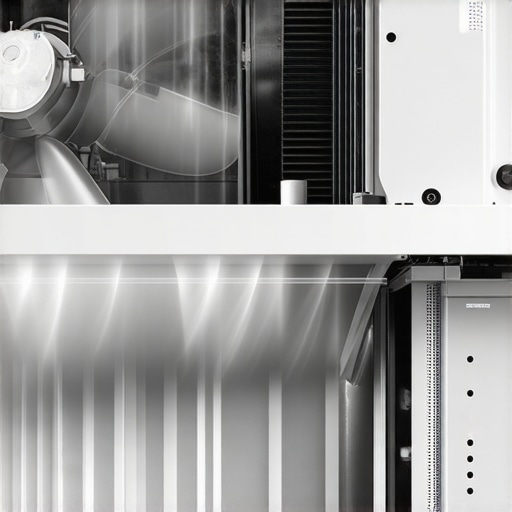
If you’ve ever stood in front of your air conditioner, feeling that frustratingly sluggish breeze, only to hear a faint humming that just won’t quit, you’re not alone. I remember a summer day when my own AC started acting up—spinning so slowly that I wondered if I was better off just opening the windows. That moment of helplessness turned into a discovery that changed how I approach appliance issues—and I want to share it with you.
Don’t Let Your Comfort Depend on a Slow Fan
We often take our home comfort for granted—until something goes wrong. A humming noise coupled with a slow-spinning fan isn’t just an annoyance; it can signal underlying problems that, if ignored, might lead to bigger, more expensive repairs. Luckily, with a little knowledge and some DIY troubleshooting, you can often address the issue yourself or at least understand what steps to take next. Today, I’ll guide you through the common causes of this problem and how to fix them, saving you time, money, and unnecessary stress.
Is it really worth the hype to fix my AC fan myself?
Early on, I made the mistake of assuming all issues required a professional pick-up and drop-off. But by learning the basics—like checking the capacitor or the fan motor—I became more confident. According to the Department of Energy, simple repairs like replacing a faulty capacitor can improve your AC’s efficiency and lifespan significantly. So yes, tackling minor issues yourself is often worthwhile, provided you follow safety precautions and understand your limits. If your problem seems complicated, don’t hesitate to [contact professionals for same-day service](https://discountappliancehub.com/contact-us), especially if you want quick, warranty-backed solutions.
Check the Capacitor First
When my AC fan was spinning sluggishly, the first step I took was inspecting the capacitor—a component that stores electrical energy to power the motor. Think of it as a fuel tank for the fan; if it’s faulty, the motor can’t reach full speed. I turned off the power at the breaker, discharged the capacitor with an insulated screwdriver, and then examined it for bulges or leaks. A swollen or leaking capacitor indicates failure and should be replaced promptly. Replacing it is straightforward: disconnect the old, connect the new one matching the specifications, and restore power. For recommended replacements, I consulted trusted guides like this expert guide.
Many homeowners operate under misconceptions that can hinder effective appliance maintenance and repair. One widespread myth is that all professional-sounding repair quotes are necessary, leading some to overlook the value of reliable same-day service with warranty guarantees. However, in my experience, reputable providers often offer transparent, affordable solutions that save you time and money. Relying solely on the lowest bid without checking company credentials can backfire, exposing you to subpar work or unforeseen costs.
Another nuance many overlook involves the distinction between installation and repair. For example, improper installation—such as incorrect wiring or inadequate leveling—can cause appliances to underperform or fail prematurely. Advanced installers utilize proper techniques, like ensuring correct electrical grounding and proper venting, which are crucial for long-term reliability. Investing in certified, experienced technicians—rather than opting for quick or DIY installs—can prevent costly repairs down the line. To ensure your new appliance functions optimally, check out expert guides on reliable installation practices.
What Mistakes Do Even Experts Sometimes Make During Service?
Even seasoned professionals can fall into pitfalls if they’re not cautious. One common mistake is neglecting to verify the warranty coverage before beginning repairs. For instance, attempting to service an appliance without understanding its warranty status might void coverage or result in unnecessary expenses. Always document your appliance’s purchase and maintenance history, and communicate clearly with your service provider about coverage options. This prevents costly surprises and ensures that your warranty supports you during emergencies, rather than complicating fixes.
Another advanced trap is underestimating the importance of proper replacement parts. Using generic or off-brand components in critical parts like thermostats or compressor relays can lead to unreliable performance or damage. Trusted technicians source OEM parts and follow manufacturer specifications—an essential step that many overlook when rushing through repairs. To avoid this, ask your service provider about the parts they use, and consult top tips for ensuring warranty coverage during repairs.
Ultimately, the journey from repair to reliable operation demands attention to detail and understanding that myths and misconceptions can be costly. Always question the advice that sounds too good to be true, scrutinize professional claims, and prioritize certified, warranty-backed services. For more insights into how to safeguard your appliance investments, explore comprehensive maintenance and warranty tips. Remember, a well-informed homeowner is the best advocate for a smooth, durable repair experience.
Tools I Recommend for Reliable Appliance Care
Over the years, I’ve honed my toolkit to ensure efficient and effective appliance maintenance. A high-quality multimeter is essential for diagnosing electrical issues; I prefer the Fluke 117 because of its accuracy and durability. For troubleshooting components like thermostats or sensors, a digital thermocouple thermometer allows precise temperature readings. When it comes to cleaning and preventative maintenance, a small steam cleaner helps loosen grime without harsh chemicals, extending appliance lifespan. Additionally, a magnetic inspection mirror can reveal hard-to-see areas, ensuring thorough checks during inspections.
Investing in these tools has allowed me to perform most repairs confidently, saving both time and money. They are also invaluable when discussing repair strategies with professional technicians, enabling clear communication about pending issues or parts that need replacement.
Adopting Effective Maintenance Habits for Long-Term Results
Consistent upkeep is the best way to prevent unexpected failures. I schedule routine inspections every six months, focusing on filters, vents, and accessible electrical connections. For example, regularly cleaning refrigerator coils prevents overheating and reduces energy costs. Utilizing a vacuum with a brush attachment helps remove dust from delicate components like fan blades and motor ventilations, which is critical for appliances operating in dusty environments.
Furthermore, maintaining comprehensive records of repairs, warranties, and service dates enables better planning and faster response when issues arise. When large appliances like HVAC systems or washing machines show early signs of trouble, proactive maintenance often avoids costly emergency repairs.
Preparing for Future Trends in Appliance Maintenance
Integration of smart diagnostics and IoT-enabled devices is transforming appliance maintenance. Future appliances will self-report issues and predict failures before they happen, allowing for preemptive service. Embracing these advancements means investing in compatible tools and software now, so you’re prepared to leverage smart diagnostics as soon as they become mainstream. For example, using remote monitoring apps linked to your appliances can provide real-time alerts and troubleshooting guidance, reducing downtime and extending the lifespan of your devices.
How do I maintain appliances effectively over time?
The key lies in combining routine manual inspections with the right diagnostic tools. Regular cleaning, filter changes, and component checks prevent buildup and wear. Use a multimeter to verify electrical health, following tips from industry experts like this comprehensive guide. Also, staying updated on emerging technologies and installation standards—like proper wiring for smart devices—ensures long-term reliability. Don’t hesitate to try out advanced troubleshooting techniques, such as testing the capacitor with your multimeter, which can prevent costly replacements. Remember, consistent care backed by quality tools today prepares your appliances for the future, ensuring they keep working efficiently. For assistance with complex repairs or installations, consider consulting reputable same-day service providers with warranty support.
Three Eye-Opening Lessons From My Appliance Repair Journey
One of the toughest truths I learned is that not every appliance problem stems from the obvious. Sometimes, simple issues like a sluggish fan signal deeper problems—like worn capacitors or faulty motors—that require a keen eye and patience. The second lesson hit hard when I realized that DIY fixes save money, but only if done safely and with proper knowledge; rushing can cause more harm than good. Lastly, I understood that trustworthy service providers build long-term trust through transparency about warranty coverage and genuine OEM parts, influencing how I choose professionals today.
The Human Touch in Appliance Maintenance: My Trusted Resources
To keep my appliances running smoothly, I rely on a few go-to tools and sources I trust wholeheartedly. The expert guide to appliance repair offers detailed troubleshooting steps that are both reliable and easy to understand. My favorite toolkit includes a high-quality multimeter like the Fluke 117, which helps me diagnose electrical issues with confidence. For preventive care, a digital thermocouple thermometer and a steam cleaner have become indispensable in ensuring my appliances age gracefully. These resources empower me to handle minor issues independently while knowing when to call in professionals for complex fixes.
Remember, the journey to appliance reliability is ongoing—and rewarding.
Every appliance I maintain or repair fuels a deeper understanding and confidence that pays off in comfort and savings. Don’t hesitate to explore new tools, stay informed about emerging tech, and reach out when needed. Your proactive approach today will ensure your appliances serve you well tomorrow. How do you plan to improve your appliance care routine this year? Share your thoughts below, and let’s keep the conversation going!