
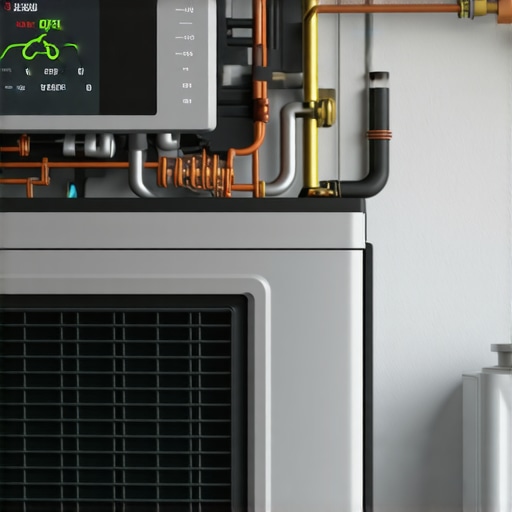
Have you ever felt that frustrating moment when your air conditioning kicks in, then quickly shuts off, only to restart again a few minutes later? I remember the first time I experienced this: I was eager for a cool breeze on a scorching summer day, but instead, my HVAC unit seemed to be stuck in a relentless dance of cycles, never quite reaching the comfort level I wanted. That lightbulb moment made me realize I wasn’t alone — many homeowners face this baffling problem, and it often points to underlying issues that need attention.
Understanding Why Your HVAC Cycles So Fast
When your HVAC system turns on and off repeatedly every couple of minutes without cooling your home effectively, it’s more than just an annoyance — it’s a sign that something isn’t working right. This rapid cycling can be caused by several common issues, such as a dirty air filter, thermostat problems, or refrigerant leaks. Early in my troubleshooting journey, I mistakenly believed that simply increasing the thermostat temperature would solve the problem. But I quickly learned that ignoring small signs can lead to bigger, costlier repairs down the line. For a comprehensive guide on tackling these kinds of issues, you might find it helpful to visit this expert guide.
Is Your System Just Overworking or Is There a Real Problem?
Many homeowners worry that frequent cycling is normal or that it indicates a minor glitch. In truth, it’s often a sign of an underlying problem that requires prompt attention. Overcoming this challenge can save you a lot of money and ensure your system works efficiently all season long. Stay tuned — in the next sections, I’ll walk you through the main causes and how to address them to restore comfort and efficiency in your home.
Check and Replace Your Air Filter Immediately
Start by inspecting your air filter, as a clogged filter is a primary culprit. Remove it carefully and hold it up to the light—if light struggles to pass through, it’s time for a replacement. If dirty, replace with a filter recommended by your HVAC manufacturer for optimal airflow. I once neglected this step, and after installing a new filter, my system ran smoothly for months. This quick fix can be done in under 10 minutes and prevents further strain on your system.
Test and Calibrate Your Thermostat
Next, ensure your thermostat works accurately. Set it to a desired temperature and observe whether it responds promptly. Sometimes, a simple battery change or recalibration resolves the issue. During my troubleshooting, I replaced the batteries in my thermostat, which had been unresponsive, and immediately noticed a reduction in short cycling. For more detailed guidance, consider visiting this resource.
Inspect Refrigerant Levels and Leaks
If the previous steps don’t resolve rapid cycling, refrigerant imbalance may be the cause. It resembles a car engine that toggles between overworking and stalling—indicating a need for professional intervention. Look for ice buildup on the coils or oil stains near lines—these signs point to leaks. I once observed frost on my outdoor unit, which prompted me to call a technician. They repaired the leak and topped up the refrigerant, halting the constant cycling.
Use a Leak Detector or Call Professionals
Leaking refrigerant can’t be safely handled without proper tools and training. Avoid attempting to refill refrigerant yourself; instead, use a refrigerant leak detector to identify the source and contact licensed HVAC technicians. Professional repair not only ensures safety but often includes warranties, providing peace of mind. Check warranty-backed services to find trusted providers.
Ensure Proper System Cycling and Ongoing Maintenance
Finally, regular maintenance prevents rapid cycling from recurring. Clean the condenser coils with a garden hose and a coil cleaner, like I did last summer, which restored proper airflow. Keep the outdoor unit clear of debris and ensure there’s adequate clearance around it. Using these tactics, I reduced energy bills and increased comfort. Routine checks are vital—consider scheduling annual service visits with professionals to keep your system in top shape.
When considering same-day appliance repair or installation, many homeowners rely on widespread assumptions that can lead to costly mistakes. Let’s dig deeper into what most people get wrong about these services and warranties, and how you can avoid falling into common traps. A prevalent myth is that all same-day services are equal in quality and reliability. In reality, the urgency of same-day appointments often prompts providers to cut corners, sometimes using inferior parts or rushing installations, which may compromise durability. This misconception might tempt you to prioritize speed over expertise, but as detailed in this comprehensive guide, it’s crucial to verify credentials and reviews before booking. Additionally, many assume that warranties automatically cover all repairs and replacements. Unfortunately, warranty terms can be complex and full of loopholes. Some plans exclude certain parts, labor, or only offer coverage if specific conditions are met. For example, ignoring regular maintenance can void your warranty, leaving you vulnerable to out-of-pocket expenses. To navigate this, review your warranty policies carefully and understand what is truly covered, as discussed in this resource. An advanced mistake many overlook is believing that extending warranties provides unlimited peace of mind. In fact, many extended plans come with deductibles, service fees, or limited claim limits that can diminish their value. It’s essential to assess whether the coverage aligns with your specific needs. Moreover, homeowners often think that warranty claims are straightforward: just call and wait. The reality can be different, requiring detailed documentation, proper problem diagnosis, and sometimes negotiations, especially when disputes arise over what constitutes a covered issue. Was this your experience? Let me know in the comments! Another hidden nuance involves understanding the technician’s expertise. Some providers advertise quick, same-day services but employ unlicensed or inexperienced technicians, risking improper installations or subpar repairs that could lead to further breakdowns. Always ask for licensed professionals and check their credentials—something that can make the difference between a lasting fix and an ongoing headache. To avoid these pitfalls, consider consulting trusted companies that offer warranty-backed services and transparent policies, like those described in this overview. Let’s remember, rushing for immediate repair can sometimes cost more in the long run if it leads to repeat visits or damage. Take your time to verify service quality, warranty details, and technician credentials. Have you ever fallen into this trap? Share your story in the comments and let’s help each other make smarter choices in appliance maintenance and repairs.
Essential Tools for Reliable Appliance Care
Investing in quality tools is crucial to maintaining your appliances effectively. Personally, I swear by a digital multimeter; it helps me quickly diagnose electrical issues without guesswork. For example, when troubleshooting a malfunctioning dryer, a multimeter allows me to check the heating element’s continuity accurately. Additionally, a pinhole leak detector is invaluable for refrigerant leak inspections, saving me from unnecessary disassembly. Having a sturdy screwdriver set, especially insulated screwdrivers, ensures safe and efficient disassembly when accessing internal components. Remember, using the right tools not only speeds up repairs but also prevents accidental damage, extending the lifespan of your appliances.
Methodical Maintenance Practices That Pay Off
Consistency is key. Establish a routine that includes cleaning filter vents, coils, and drainage lines. Personally, I schedule quarterly inspections—cleaning condenser coils with a coil brush and gentle compressed air to remove debris. This simple step can significantly improve efficiency and reduce energy bills. Regularly checking hoses, seals, and gaskets for leaks or wear prevents minor issues from escalating. Employing a systematic approach—following manufacturer guidelines—ensures each component functions optimally. Over time, these habits build a reliable baseline, reducing unexpected breakdowns and costly repairs. The future of appliance maintenance leans toward smart diagnostics; integrating Wi-Fi-enabled sensors could alert homeowners to issues proactively, a trend already emerging in premium models.
How do I maintain appliance longevity for years to come?
Practicing proactive maintenance and leveraging high-quality tools can make a significant difference. For instance, using a soft microfiber cloth to clean sensitive electronic panels prevents scratches, preserving appearance and function. Scheduling annual professional inspections can catch lurking problems early. Moreover, keep spare parts like filters, belts, and fuses on hand—this allows quick replacements without waiting for service. Consider documenting your appliance’s maintenance history; this record can be valuable if warranty claims arise or if you decide to sell your home. Remember, investing time in proper care today saves money and stress tomorrow. Stay ahead with recommended practices from trusted sources such as this expert guide, which details detailed maintenance routines.
Lessons Only Insiders Know About Quick Repairs and Warranties
One of the biggest lightbulb moments I had was realizing that not all technicians are created equal—speed doesn’t always mean quality. I once rushed to get my refrigerator fixed through a same-day service, only to find out later that they used inferior parts, voiding my warranty and leading to repeat issues. Now, I prioritize verified professionals with transparent warranties, understanding that a genuinely reliable service guarantees long-term peace of mind. Another lesson is that extended warranties can be a gamble; without understanding the fine print, you might end up paying more for coverage that doesn’t truly protect you when you need it most. And finally, never underestimate the power of proactive maintenance—simple steps like regular filter changes and professional inspections can save hundreds and prevent unexpected breakdowns, especially when under warranty coverage.
My Top Tips for Navigating Service and Warranty Decisions
Over time, I’ve curated a list of trusted resources that help me make smarter choices. For appliance repair and installation, I now always refer to this expert guide. When it’s time to consider warranties, this resource has everything I need to understand coverage options. For trustworthy service providers, I rely on companies that offer transparent warranties backed by reputation and reviews—detailed in this trusted overview. Having these tools at my fingertips ensures each decision I make about appliance service or warranty coverage is informed, saving me hassle and money in the long run.
Embrace Your Power to Keep Appliances Running Smoothly
The journey toward durable, trouble-free appliances starts with knowledge and confidence. Whether you’re scheduling a same-day repair, choosing the right warranty, or handling DIY maintenance, remember that your proactive approach is your best defense against frustration and expensive repairs. Every appliance issue can be a learning opportunity—equip yourself with trustworthy resources, question service providers thoroughly, and stay committed to regular upkeep. You’ve got this—your home’s comfort depends on it, and the future of appliance care is brighter when you take control today. Ready to transform how you manage appliance repairs and warranties? Share your experiences below; I’d love to hear your stories and tips to keep the appliances in our homes running flawlessly.