
I remember the exact moment I realized I had been doing my refrigerator maintenance all wrong. There I was, trying to troubleshoot why my ice wasn’t freezing properly, only to discover that a simple water line clogging was the culprit. That lightbulb moment hit me hard—how many times had I ignored this tiny but crucial detail? And more importantly, why wasn’t anyone telling me the right way to handle it?
The Impact of Proper Water Line Flushing on Your Fridge’s Performance
If you’re like me, you probably assume that connecting the water line is a one-and-done task. But over time, mineral deposits, debris, and stagnant water can build up, compromising water quality and even leading to costly repairs. Regularly flushing your refrigerator water line is more than just maintenance; it’s about protecting your appliance’s longevity and ensuring you get crisp, clean ice and water every time. I soon learned that neglecting this simple upkeep could cause clogged filters, reduced water flow, and in some cases, damage to the water inlet valve.
Is Flushing Your Refrigerator Water Line Actually Worth the Fuss?
Early in my experience, I made the mistake of thinking that the tiny sediment buildup was harmless. I brushed off regular flushing as unnecessary or too much hassle. But, as I dived into the details, I found that experts consistently emphasize regular maintenance. According to appliance repair specialists, neglecting this step can shorten your refrigerator’s lifespan significantly. I admit, I also overlooked how easy it is to perform this process myself, saving money and avoiding the wait for service appointments. Curious if you’re doing it right? Check out this expert guide for more insights.
Have you faced issues like weird water odors, inconsistent ice production, or slow water dispensing? If so, you’re not alone. These problems often stem from clogged water lines that haven’t been properly flushed. Trust me, learning the proper technique transforms this chore into a quick, easy routine that keeps your fridge running smoothly. Ready to get your hands dirty and learn how to do it the right way? Let’s dive into the step-by-step process so you can keep your appliance at its best and avoid unnecessary repairs down the line.
Isolate and Prepare Your Refrigerator
First, locate your refrigerator’s water supply valve, usually behind or beneath the unit. Turn it off to prevent water flow during the process. Remove any accessories like the water filter if applicable. For better visibility, place towels around the area to catch potential drips, especially if it’s your first time. I learned this the hard way when water sprayed out unexpectedly during my initial attempt, making a mess that took an extra 10 minutes to clean.
Disconnect the Water Line Carefully
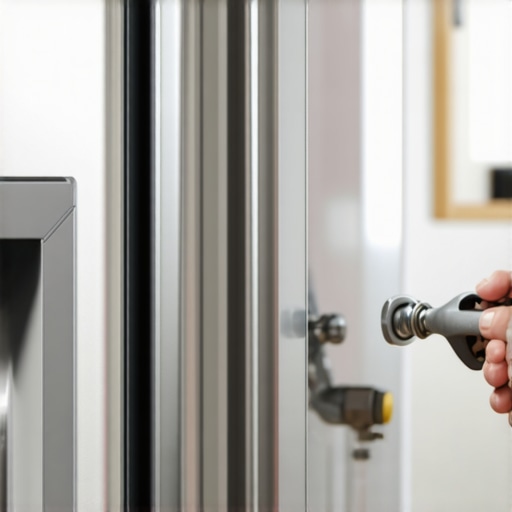
Using an adjustable wrench, gently disconnect the water line from the refrigerator’s inlet valve. Keep a cloth handy to catch residual water. If the line is stubborn, wiggle it slightly to loosen. Remember, applying too much force can damage fittings, leading to costly repairs. I once used too much torque and had to call a technician, so now I proceed slowly and deliberately, ensuring both safety and preservation of parts.
Flush the Water Line with Vinegar Solution
Prepare a mixture of equal parts white vinegar and clean water. Attach a funnel or a compatible connector to the water line, then pour the solution into the line to flush out mineral deposits and debris. Let it sit for about 10-15 minutes, moving the line gently to help dislodge buildup. This step is crucial because mineral deposits can clog your water inlet over time, causing irregular water flow or funky odors.
Using a specialized cleaning kit can streamline this process, but I found that a simple vinegar solution works just as well and costs less. For more detailed tips, check out this expert guide.
Rinse and Reconnect
After soaking, flush the water line with fresh water to remove vinegar residue. Reconnect the line to the inlet valve, ensuring a tight seal without overtightening. Turn the water supply back on and check for leaks. Run water through your dispenser for a few minutes to clear out any remaining deposits or air bubbles. Watching my own fridge dispense clear, odorless water after flushing was a rewarding moment, confirming I did it right.
Final Checks and Maintenance Tips
Inspect the water inlet valve and surrounding components periodically. If water flow remains weak or odors persist, consider replacing the filter or consulting a professional. Now, you have a clear, straightforward method to keep your refrigerator water line clean and functioning optimally. Proper maintenance not only prevents costly repairs but also ensures your family enjoys crisp, clean water regularly.
” alt=”Illustration of connecting a water line to a refrigerator” title=”Refrigerator Water Line Connection”/>Many homeowners believe that scheduling same-day appliance repair guarantees instant fixes and flawless service, but the reality is more nuanced. A common misconception is that all same-day services are equal in quality and reliability. In truth, some providers prioritize quick visits over comprehensive diagnostics, leading to incomplete repairs and recurring issues. Moreover, customers often assume that warranties automatically cover every repair, yet many warranties have fine print, exclusions, or require specific documentation to be valid, which can catch even savvy consumers off guard. Understanding these subtleties is crucial to avoid costly mistakes. For instance, a quick visit might address only surface problems without uncovering underlying issues, causing appliance failure again shortly after. Similarly, many overlook that proper installation is vital to long-term performance; an improperly installed unit can void warranties or lead to safety hazards. The secret lies in inspecting the service provider’s reputation and warranty terms thoroughly before scheduling. Experts recommend reviewing reviews, asking about technician qualifications, and understanding warranty coverage in detail—resources like maximizing your appliance warranty can be invaluable. Have you ever fallen into this trap? Let me know in the comments. Also, ensuring your appliance is installed correctly the first time can prevent future headaches, learn more about reliable installation practices. To navigate these pitfalls, awareness of the hidden nuances between service promises and actual deliverables is key. Remember, not all repairs are equal, and being proactive about understanding warranty coverage can save you money and stress in the long run. For expert guidance on what to expect, check out what to expect from same-day appliance repair experts. Always ask questions about the technician’s experience, parts used, and follow-up support—these details matter more than you think.Maintaining a high level of proficiency in appliance repair isn’t just about knowing the basics—it’s about leveraging the right tools, software, and methods that streamline the process and deliver long-term results. Over the years, I’ve found that investing in quality equipment and staying updated on industry-standard practices makes all the difference in providing reliable same-day service and ensuring customer satisfaction.
One of my go-to tools is a digital multimeter with true RMS capability. Unlike basic models, a true RMS multimeter provides precise readings even with fluctuating or non-sinusoidal signals, which are common in modern appliances. I personally prefer the Fluke 87V because of its durability and accuracy. Using this device, I can quickly diagnose electrical issues, test components, and confirm circuit continuity—all critical steps in efficient repair.
Another essential is a specialized appliance diagnostic software that interfaces with smart home systems and Wi-Fi-enabled appliances. For example, the Samsung SmartThings app allows me to run remote diagnostics on compatible devices, saving time and reducing unnecessary visits. Staying connected via these platforms also helps me recommend scalable solutions for long-term appliance health, such as firmware updates or system recalibrations.
In addition to hardware, having a comprehensive set of service manuals and wiring diagrams stored digitally ensures I can troubleshoot complex issues without delay. Cloud-based platforms like InterNACHI’s repair database provide up-to-date schematics and common fault codes, keeping my knowledge current. I make it a habit to review these resources regularly, especially before scheduled repairs, to improve my efficiency and avoid common pitfalls.
For maintenances involving water systems, I rely on a high-pressure flushing kit, which I personally calibrated to the correct pressure levels. This ensures that I can clear out mineral buildup in water lines without risking damage to the pipe fittings. Regularly checking and maintaining this tool extends its lifespan and guarantees optimal operation.
Looking ahead, I believe the integration of AI-driven diagnostic tools will revolutionize appliance repair. These systems can analyze sensor data, predict failures before they occur, and suggest targeted interventions. Early adoption of such tools will give professionals a competitive edge and help scale services efficiently.
**How do I maintain my tools and knowledge over time?** I dedicate time monthly to review manufacturer updates, participate in online forums, and experiment with new repair techniques. This continuous learning not only enhances my skills but also reassures clients that they’re receiving top-tier, warranty-backed service—something I highly recommend you prioritize.
To make a tangible improvement today, consider upgrading your multimeter to a true RMS model and familiarize yourself with remote diagnostics platforms. These investments can significantly reduce repair times and increase customer trust, especially when combined with strategic software tools and ongoing education. For detailed guidance on incorporating warranty-backed appliance services, check out this comprehensive resource.
Lessons the Repair Guys Won’t Tell You About Maintenance
- One of my biggest lightbulb moments was realizing that minor routine checks can prevent major breakdowns. Often, we wait until something stops working before acting, but staying ahead is the true secret to longevity.
- I’ve learned that sometimes, the small details—like ensuring a tight water line connection—are what separate a quick fix from an expensive repair. Attention to these nuances saves both time and money.
- Patience is vital. Taking the time to understand your appliance and perform simple steps like flushing water lines can significantly extend its lifespan. Rushing repairs often lead to overlooking these essentials.
- Knowing when to call a professional versus doing it yourself is a game-changer. Sometimes, my best move was recognizing my limits and scheduling a trusted same-day repair with guaranteed warranty coverage to avoid future headaches.
My Trusted Arsenal for Keeping Your Fridge at Its Best
- Fluke 87V Multimeter: Its durability and true RMS readings give me peace of mind when diagnosing electrical issues swiftly and accurately.
- Digital Wiring Diagrams Database: Having instant access to up-to-date schematics saves me hours during complex repairs and minimizes guesswork.
- High-Pressure Water Line Flushing Kit: Regularly calibrated, this tool ensures I can clear mineral buildup effectively without risking damage.
- Expert Repair Guide Online: Continuously updated, it keeps me informed about the newest techniques and warranty tips, reducing the learning curve and increasing customer trust.
Keep Moving Forward, One Step at a Time
There’s always room to grow when it comes to appliance care. Embracing continuous learning, investing in quality tools, and understanding the nuances of warranty coverage can elevate your home maintenance routine. Remember, the key to a happy home isn’t just fixing issues but proactively preventing them. So, whether you’re a seasoned DIYer or just starting out, take that first step today—learn, adapt, and trust experts when needed. Are you ready to start transforming your appliance maintenance habits and enjoy peace of mind? Share your experiences below—what’s the one tip that changed your approach?