
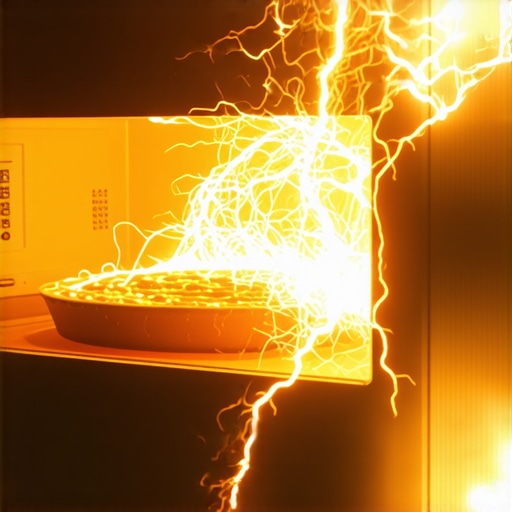
Ever had your microwave suddenly start sparkling like a science experiment gone wild? I remember the shock and annoyance of seeing those tiny flashes dance across my appliance’s surface—it felt almost magical yet deeply unsettling. That was my lightbulb moment when I realized something wasn’t just quirky; my microwave was signaling that the magnetron was on the fritz. And let me tell you, understanding this strange phenomenon can save you both time and money.
The Unexpected Spark: When Your Microwave Lights Up Like a Firework
It all started one routine morning. I was reheating my coffee, and suddenly, a tiny spark shot out from the microwave. My first instinct? Freak out a little and then scramble for my phone, trying to find answers online. Turns out, that sparking is linked to issues with the magnetron—the core component responsible for generating microwave radiation. If left unchecked, it can lead to further damage or even pose safety risks. That’s when I decided to get to the bottom of this baffling spark.
Did you know that minor sparks can actually be caused by dirt, scratches, or damage on the waveguide cover, which directs microwave energy? According to appliance experts, these sparks are a common sign that your magnetron or its components need inspection or replacement. The good news? In many cases, a simple fix or professional repair can get your microwave back to sparkling clean operation. But before jumping to conclusions or attempting fixes yourself, let’s clarify some common doubts.
Will it be expensive to repair or replace the magnetron?
Early on, I made the mistake of thinking a replacement would break the bank. After consulting with certified technicians—who you can also find through trusted services like [same-day repair providers](https://discountappliancehub.com/scheduling-your-appliance-repair-for-same-day-service-in-2025)—I learned that costs are often more reasonable than I imagined. Plus, many repairs are covered under warranty, especially if you’ve taken advantage of warranty-backed appliance services, ensuring your peace of mind.
So, if your microwave is flashing, and you’re worried about costs or safety, keep reading. We’ll walk through the signs to watch for, the importance of professional diagnosis, and how to get your appliance fixed promptly. Because nobody wants to deal with sparks during breakfast—let alone risk damage to one of your essential gadgets. Have you experienced this kind of sparking before? If so, you’re not alone, and understanding what’s happening is the first step toward fixing it. Let’s dive into how you can troubleshoot and tackle this issue head-on.
Assessing the Damage and Gathering Tools
Start by unplugging your microwave immediately to prevent any further damage or safety hazards. Carefully inspect the waveguide cover and the interior for dirt, scratches, or visible damage. Gather essential tools such as a soft cloth, a mild detergent, and if needed, replacement waveguide covers or magnetron components. Remember, safety first: never attempt repairs while the microwave is plugged in.
Cleaning the Interior and Protecting Components
Use a damp cloth to remove dust, grease, or food splatters from the cavity, paying special attention to the waveguide cover and surrounding areas. This step is like cleaning a camera lens—any residue can cause sparks. For stubborn grime, apply a tiny amount of mild detergent and wipe gently. Avoid abrasive cleaners that could scratch sensitive parts. Testing the microwave after cleaning can reveal if the sparks persist.
Inspecting and Replacing the Waveguide Cover
Remove the screws holding the waveguide cover—usually located on the side or top inside the microwave. Check for cracks, burn marks, or excessive scratches. If damage is evident or if you’re unsure, replace the cover with a new one designed for your model. Think of this as changing a worn-out filter—it can restore function and eliminate sparking. Many replacement parts are available online and can be installed with a screwdriver.
Testing the Magnetron and Its Connection
If sparks continue after cleaning and replacing the waveguide cover, the issue might be with the magnetron itself. This component is like the engine of your microwave; replacing it requires expertise. Before proceeding, consider scheduling professional diagnostics through a trusted service like same-day repair providers. They have the tools and training to safely assess the magnetron’s condition and replace faulty parts.
Contacting Professionals for Complex Repairs
If your inspection reveals severe damage or if you’re uncomfortable performing any of these steps, it’s time to call in experts. Skilled technicians treat these issues like car mechanics—they identify the root cause and fix it efficiently. Remember, many repairs are covered under warranty, which can significantly reduce costs. Explore warranty-backed services to ensure your investment is protected.
Verifying the Fix and Preventing Future Sparks
Once repairs are complete, plug in your microwave and test it with no food inside, observing for sparks or irregularities. Use the microwave for a brief run to confirm normal operation. To prevent future sparking, keep the interior clean, avoid metal utensils, and replace damaged parts promptly. Regular maintenance is like a health checkup for your appliance—keeping it running smoothly and safely.
Many believe that purchasing an extended warranty guarantees hassle-free repairs, but in practice, most warranties come with nuanced limitations that catch even seasoned homeowners off guard. For instance, a common myth is that all repairs are fully covered, yet many warranties exclude parts like control boards or compressor components, compelling customers to pay out of pocket for high-cost replacements. According to Consumer Reports, nearly 60% of consumers report surprise charges during appliance repairs, highlighting the importance of reading warranty finer print carefully.
Another misconception involves same-day service, which many assume means instant repairs; however, actual wait times can vary significantly based on location and technician availability. Booking through trusted providers like same-day repair services often involves scheduling windows rather than immediate arrival. This can lead to frustration if expectations are set too high.
> Why do so many warranties and service promises fall short? The reality is that most warranty agreements are designed to limit liability for manufacturers, often covering only parts and labor for specific issues, with many exclusions. This nuance underscores the importance of understanding the detailed coverage and rider options available. Expert advice recommends reviewing your warranty policies annually and verifying what is eligible during emergency repairs by consulting sources such as maximizing your warranty benefits.
Furthermore, installation services, often bundled with sales, can be misunderstood. Many operate under the assumption that professional installation is foolproof, but inadequate setup can void warranties or cause performance issues. It’s essential to choose certified installers using qualified tools and adhering to manufacturer guidelines, as detailed in articles like reliable installation tips.
Be cautious of the trap that some service providers may push unnecessary repairs or replacements, claiming they’re covered under warranty when in fact they might not be. Always ask for a detailed diagnostic report before authorizing work, and consider seeking a second opinion if the diagnosis seems overly expensive or unnecessary.
In the end, understanding the subtle nuances of warranties, same-day service, installations, and repairs can not only save you money but also prevent unexpected delays. Don’t fall into the trap of believing everything is straightforward—be proactive in reading the fine print and questioning service providers. Have you ever fallen into this trap? Let me know in the comments.Keeping your appliances in top shape requires more than just occasional cleaning. It’s about establishing a routine with reliable tools and understanding the nuances of maintenance that prevent costly repairs down the line. One of my go-to strategies involves using a digital multimeter—specifically, the Fluke 115 true RMS multimeter—as it provides precise readings of voltage, current, and resistance. This tool has saved me countless trips to repair shops by allowing me to identify faulty wiring or malfunctioning components early. Regularly checking power supplies, especially for appliances like refrigerators and washers, ensures they operate efficiently and safely. Additionally, I rely on a handheld ultrasonic cleaner for delicate parts, which gently removes grime from components like control board contacts and water inlet valves—vital for preventing corrosion-related issues over time. Adopting these tools into your maintenance arsenal not only enhances appliance longevity but also boosts your confidence in troubleshooting minor issues before they escalate.
How do I maintain appliance functions over time?
Routine inspection and cleaning are your first line of defense. Schedule a quarterly check-up where you use your multimeter to test electrical connections, and employ precision tools to clear debris from vents and filters. Keeping firmware updated—such as for smart appliances—can also resolve bugs and improve performance. In the future, I predict that smart diagnostic tools integrated directly into appliances will become more widespread, enabling even more proactive maintenance. Staying ahead means embracing technology and understanding your appliance’s critical components. Remember, many issues stem from neglected parts or overlooked early warning signs. For instance, an in-depth technical guide from industry standards detailing component testing procedures can be invaluable. According to the latest IEEE standards, effective testing protocols involve specific resistance and continuity checks that can be performed with your multimeter to catch problems before they cause failure.
Try performing a quick resistance check on your microwave’s magnetron wiring today—it’s a simple step that could prevent a sparking disaster. Regular maintenance empowered by the right tools can save you money and keep your appliances running smoothly for years to come. For more expert tips on appliance care, consult our detailed guides or reach out through our contact page.
More Than Just a Spark: What I Wish I Knew About Appliance Warranties
One of the biggest lessons I learned is that warranties often have fine print, hiding exclusions that can catch unwary homeowners off guard. Don’t assume your repair is covered just because you have a warranty—read the policy carefully and verify coverage for parts like the magnetron before calling a technician. Additionally, many believe that same-day service guarantees immediate repair, but in reality, scheduling and availability can lead to delays. Knowing these nuances saves time and frustration, and probing into the details of service agreements can make all the difference.
Tools of the Trade for Troubleshooting and Beyond
Over time, I’ve built a toolkit tailored for appliance care, including a reliable multimeter for quick electrical checks and a small brush for cleaning delicate components like the microwave’s waveguide cover. Pairing these tools with resources like expert guides helps me identify issues early, preventing costly repairs. These investments in knowledge and equipment have empowered me to maintain appliances more confidently and spot potential problems before sparks become dangerous.
Take Charge Before Sparks Turn into Fires
Don’t wait for visible damage or sparks to escalate—regular maintenance routines, combined with a basic understanding of your appliance’s components, can prevent emergencies. Scheduling annual inspections or even quick DIY checks using trusted resources like professional repair services ensures your microwave—and other home appliances—operate safely and efficiently. Remember, being proactive is your best defense against unexpected breakdowns or hazards, turning routine maintenance into peace of mind.