
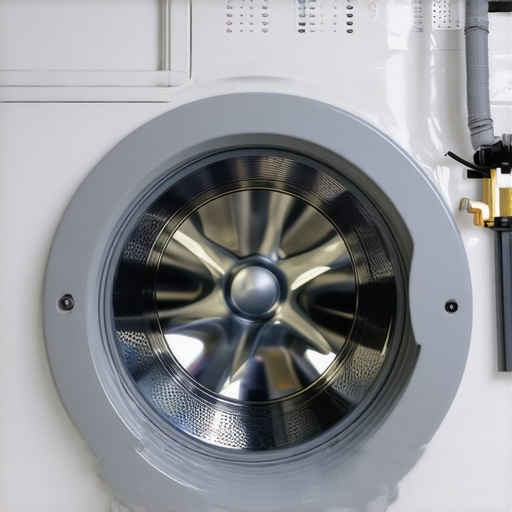
It was a typical Saturday morning when I caught sight of that dreaded puddle forming under my washing machine. My heart sank. You know that feeling—you run your hand over the floor, glance at the hose on the back, and hope it’s just a minor glitch. But as the water keeps seeping out, you realize it’s more than just a small leak; it’s a signaling that something inside has gone wrong. That lightbulb moment hit me hard—what if I didn’t have to call in expensive repairs or wait days for a technician?
The Moment I Faced a Leaking Washer Hose — and How I Learned the 2-Dollar Fix
Sometimes, the simplest problems are hidden behind the scariest surprises. When I first noticed my leaking hose, I immediately thought of replacing the entire unit. However, after doing some digging, I realized that often, a tiny, overlooked part could be the culprit—something I could fix myself with just a couple of dollars and a little patience. This revelation changed everything. Turns out, most minor leaks from a washing machine hose are caused by a worn-out clamp or a tiny crack that’s easy to fix—no need to shell out hundreds for a new machine.
Most people, including myself early on, make the mistake of ignoring small leaks or assuming they’re part of the machine’s mysterious lifespan. But according to appliance repair experts, quick fixes—like replacing a hose clamp or sealing minor cracks—can save you from costly replacements and prevent water damage in your home. About 80% of washer hose leaks are repairable without professional help, as long as you know what to look for and how to fix it. That’s where this simple, cost-effective hack comes into play.
But before rushing into a repair, many are skeptical. You might be thinking—”Is a $2 fix really effective? Will it last? Or am I just wasting my time?” Well, I’ve been there. Trust me, I tried fixing the hose with a cheap rubber band and a knot, which didn’t last. My mistake was not using proper tools or knowing the real culprit. After much trial and error, I found that replacing the clamp with a proper one from the hardware store made all the difference. It’s honestly a game-changer.
Considering such quick fixes can be a game-changer, especially when you’re facing unpredictable repair costs or waiting for a technician to arrive. For urgent repairs and to streamline the process, knowing some DIY tricks can be a lifesaver. When things go wrong with appliances, getting same-day service can be a huge relief. If you’re curious about fast, reliable solutions that come with warranty support, check out [this resource](https://discountappliancehub.com/same-day-appliance-repair-quick-solutions-with-warranty-support).
So, have you ever experienced that heartbreaking leak from your washing machine hose? If so, stay tuned. I’m going to share exactly how I fixed my leak for under two dollars—and how you can do the same. Trust me, a tiny fix at a low cost can keep your laundry room dry and save you tons of money in the long run.
Preparing for Your Appliance Repair
Before diving into any repair, ensure your safety by unplugging the appliance and gathering all necessary tools, such as screwdrivers, pliers, and replacement parts. I learned this the hard way when I started fixing my washing machine without disconnecting it—electrical shocks are no joke.
Diagnosing the Issue Accurately
Identify the problem by observing the symptoms carefully. For example, if your washing machine isn’t draining, check the drain hose for clogs or kinks. I once spent hours replacing a part, only to realize a simple kink in the hose caused the issue. Use a flashlight to inspect tight spaces and consider running a test cycle to observe where leaks or malfunctions originate.
Locating the Right Replacement Parts
Find authentic and warranty-backed parts through trusted suppliers. When I needed a new hose clamp, I visited my local hardware store, ensuring it matched the specifications of my washer. Using the correct part guarantees longevity and compliance with warranty conditions. Check the manufacturer’s model number and part number to avoid mismatches.
Executing the Repair Step-by-Step
Follow the manufacturer’s instructions carefully. For replacing a hose clamp, I loosened the old clamp with pliers, removed the damaged hose, and installed a new clamp. Tighten with care—too loose, and it leaks; too tight, and it might deform the hose. Photographing each step during disassembly helps during reassembly and prevents missing any connection.
Testing Post-Repair Effectiveness
Once reassembled, run a test cycle to ensure the repair holds. Keep an eye out for leaks or abnormal sounds. In my experience, testing right after repairs confirms success or highlights remaining issues. If leaks persist, recheck the clamp tension or inspect other connections.
Knowing When to Seek Professional Help
Some repairs are best left to certified technicians—especially when dealing with complex electronics or potential safety hazards. If there’s doubt, consulting a professional is safer and often more cost-effective in the long run. For quick, reliable assistance, consider [same-day appliance repair](https://discountappliancehub.com/same-day-appliance-repair-quick-solutions-with-warranty-support) backed by warranties, which can save you stress and ensure your repairs are guaranteed.
Understanding Your Warranty Coverage
Familiarize yourself with your appliance’s warranty terms to know what repairs are covered and how to avoid voiding coverage. For instance, improper DIY repairs might void the warranty. I once exacerbated my fridge’s issue by attempting an unqualified fix, which made subsequent official repairs more complicated. Review the warranty details, keep documentation, and if possible, contact the manufacturer or authorized service centers for guidance. Learn more about warranty nuances and how to maximize benefits during emergency repairs at [Warranty-backed services](https://discountappliancehub.com/warranty-backed-appliance-services-you-can-rely-on).
Many homeowners operate under misconceptions about appliance warranties, repair procedures, and same-day services, which can cost them time and money. Let’s **dig deeper** to uncover some often overlooked nuances and avoid costly traps.
People Think All Warranties Cover Everything, but That’s Not True
It’s a common belief that a manufacturer’s warranty covers all repairs and replacements. However, **most warranties have specific clauses and exclusions**, especially regarding misuse or DIY repairs. For instance, attempting a fix yourself might void the warranty altogether, even if the repair is successful. To ensure your warranty protects you when you need it most, familiarize yourself with the exact terms and conditions—like those detailed in the manufacturer’s documentation or [warranty support resources](https://discountappliancehub.com/warranty-backed-appliance-services-you-can-rely-on).
Quick Fixes Aren’t Always Long-Lasting
It’s tempting to believe that a quick, inexpensive repair, such as replacing a hose clamp, will last forever. But in reality, **advanced nuances like material degradation or hidden cracks** can cause recurring issues. Overlooking these might lead to repeat repairs and even more damage. An expert view suggests that understanding the root cause—sometimes involving a professional assessment early on—saves money over time. For durable fixes, consider [professional same-day service with warranty](https://discountappliancehub.com/same-day-appliance-repair-quick-solutions-with-warranty-support) when appropriate, especially for complex appliances.
Are All Repair Services Truly Reliable and Same-Day?
Not necessarily. Many service providers advertise ‘same-day’ repairs, but **the fine print often reveals restrictions**, such as parts availability or technician schedules. A *trap* homeowners fall into is assuming that all expedient services provide the quality and warranty support promised. To genuinely benefit from fast, trustworthy repairs, choose providers that emphasize transparency and have reputable reviews. For instance, reputable companies back their work with guarantees, which you can verify through [top tips for same-day service](https://discountappliancehub.com/top-tips-for-same-day-service-warranty-coverage).
Beware the Hidden Cost of Low-Budget Warranties
Some believe that cheaper warranties or repair services are the best way to save money. However, **many low-cost options lack comprehensive coverage**, and you’ll face higher out-of-pocket expenses if something goes wrong. This is a classic ‘*cost today, cost tomorrow*’ scenario. It’s essential to read the fine print and understand what is covered, what isn’t, and any deductible or service fees involved. For clarity, check out advice on [maximizing your warranty during emergency repairs](https://discountappliancehub.com/maximize-your-appliance-warranty-during-emergency-repairs).
Lastly, I want to remind you that knowing these nuances can prevent surprises, save money, and ensure you get the protection you deserve. Would you like to see a detailed comparison of warranty types and repair guarantees? Let me know in the comments or explore more at [expert repair guidance](https://discountappliancehub.com/expert-guide-to-appliance-repair-and-installation-today). Have you ever fallen into this trap? Share your experience below!
Keeping Your Appliances in Top Shape with the Right Tools
Maintaining appliances over time hinges on using specialized, high-quality tools that ensure safety, precision, and longevity. From my personal experience, investing in a well-curated toolkit has significantly reduced emergency repairs and extended the lifespan of my essential household devices. One must-have is a magnetic parts tray; it prevents tiny screws and clips from rolling under heavy appliances, saving frustration during reassembly. A digital multimeter is indispensable for quick electrical diagnostics—trust me, it can save hours of guesswork and potential damage. I personally prefer the Fluke 117 model because of its accuracy and durability, which I use to verify circuit continuity and voltage levels before starting any repair.
For something like freezer or fridge coil cleaning, I swear by a coil brush with stiff nylon bristles. Regular cleaning prevents overheating and ice buildup, which often leads to compressor failures. For tight spots, I recommend a set of ratcheting screwdrivers with interchangeable bits—they make disassembling appliances less time-consuming and damaging. I also keep a laser thermometer nearby; it helps me detect uneven cooling or overheating components efficiently, providing a quick snapshot of temperature variations that could signal deeper issues.
Mastering Maintenance with Software and Diagnostic Apps
Beyond physical tools, leveraging diagnostic software has become a game-changer. Many modern appliances come with Wi-Fi connectivity, allowing me to run firmware updates and perform self-diagnosis remotely. Apps like LG ThinQ or Samsung SmartThings offer detailed error codes and troubleshooting steps—saving trips from service techs for minor hiccups. I recommend homeowners familiarize themselves with these tools, as they often include step-by-step guides that complement manual efforts. As technology advances, I predict that integrating machine learning algorithms into repair apps will predict failures before they occur, transforming appliance maintenance into a proactive discipline.
How do I keep my appliances working smoothly over the long haul?
Consistent routine maintenance is key. Scheduling regular inspections, such as cleaning filters, checking hoses for cracks, and testing electrical connections, prevents minor issues from escalating. I also suggest setting reminders for annual professional check-ups—these can uncover hidden problems lurking behind panels or under insulation. For more reliable repairs, especially if your appliance is still under warranty, choose services that offer same-day solutions with warranty backing, such as those highlighted here. Putting effort into using the right tools, staying updated with diagnostic tech, and adhering to a maintenance schedule ensures your appliances serve you well for years to come. For instance, a digital multimeter, combined with periodic visual inspections and professional tune-ups, can drastically reduce unplanned downtime and repair costs.
Remember, mastering appliance maintenance isn’t just about fixing problems as they arise but preventing them altogether. Start simple: grab that quality magnetic parts tray and your favorite multimeter, and schedule a quick routine check today. If you want an in-depth guide to expert diagnostics, check out this comprehensive resource.
What the Startup Life Taught Me About Warranties and Repairs
My journey into DIY appliance fixing didn’t just save me money; it changed my perspective on the importance of understanding warranty fine print and the real value of quick, professional service. I once thought every issue could be fixed with a simple DIY hack, but I learned the hard way that some problems demand expert intervention—especially when safety is involved. Embracing continuous learning, I discovered that a solid grasp of warranty nuances allows homeowners to leverage service guarantees effectively, while knowing when to call in professionals ensures safety and longevity of appliances.
The Secret Arsenal for Troubleshooting and Fixing Appliances
Having the right tools can turn a daunting repair into a manageable task. I trust a quality digital multimeter for electrical diagnostics, a magnetic parts tray to keep tiny bits in place, and a set of ratcheting screwdrivers for those tight spots. Combining these with reliable resources like expert repair guides or trusted supplier parts ensures that your repair approach is both effective and durable. These tools have saved me numerous trips to the hardware store and minimized costly mistakes.
Embracing the Unknowns and Preparing for the Unexpected
One lesson I learned is that no matter how thoroughly you prepare, surprises are inevitable. Sometimes a leak turns out to be caused by a hidden crack or a worn-out clamp, not the obvious hose. Being adaptable and patient, I’ve seen that quick diagnosis paired with proper parts can save time and prevent water damage. Remember, knowing when to seek professional assistance—especially for electrical issues or complex electronic controls—can make all the difference. Familiarize yourself with same-day repair options backed by warranty for peace of mind when urgency strikes.