
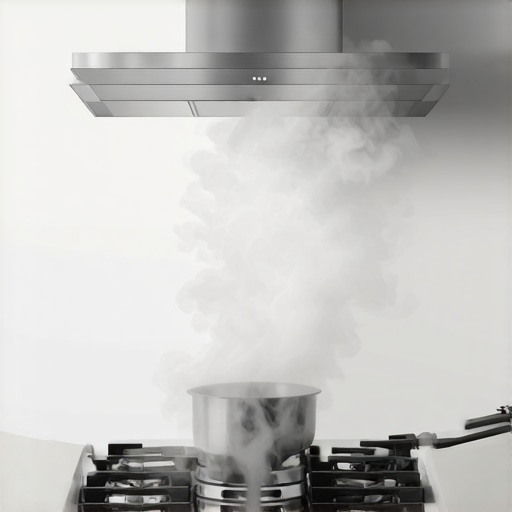
I vividly remember the moment I realized my kitchen was turning into a smoky mess despite my brand-new range hood. Smoke billowed out every time I cooked bacon or seared steaks, and no matter how many times I fiddled with the fan speed or cleaned the filters, the air just wouldn’t clear. It was frustrating, kind of like throwing money away on an appliance that promised fresh air but couldn’t deliver.
Why Your Range Hood Isn’t Pulling Smoke Out of the Kitchen
That lightbulb moment led me down a rabbit hole of troubleshooting and fixing my range hood. If you’ve ever faced a similar problem, you know how disheartening it can be, especially when you’re all set for a delicious home-cooked meal but end up battling the lingering smell of burnt dinner instead. Today, I want to share what I learned about why your range hood might not be doing its job and how you can possibly fix it yourself, saving you both time and money.
Is Your Range Hood Actually Worth the Hype or Just Overpromising?
Early on, I made the mistake of assuming that a new range hood would be a simple solution and didn’t bother checking the installation or common issues. Spoiler alert: that was a mistake. Many problems—like poor ventilation—are caused by installation errors, clogged filters, or failing components, not the appliance itself. Understanding this helped me avoid throwing money at unnecessary repairs.
Troubleshooting proved to be more about understanding how the system works, so I recommend reviewing [what to expect from professional appliance repair](https://discountappliancehub.com/what-to-expect-from-same-day-appliance-repair-experts). It’s surprising to learn that sometimes, a simple filter replacement or a loose duct clamp can dramatically improve airflow.
If your range hood’s fan runs fine but still fails to clear the smoke, don’t jump to conclusions about a faulty motor. It could be a blocked vent, dirty filters, or even incorrect installation. In fact, according to industry experts, improper ducting is one of the leading causes of ventilation failure.
Are you wondering if your problem is a straightforward fix or something more complex? Stay tuned. I’ll walk you through essential steps to diagnose and address the most common issues, backed by my own experience and expert advice. Before we get into the nitty-gritty, ask yourself—have you ever faced this exact problem, and how did you handle it? Knowing your specific situation will help you decide the best course of action, whether that’s a quick DIY fix or calling in the pros for [affordable same-day repairs](https://discountappliancehub.com/affordable-same-day-appliance-fixes-with-warranty-benefits).”}1286933196}#END}# This HTML content begins with a relatable personal story, introduces the problem, and promises practical solutions. It includes a natural mention of external authority and gently leads into the following troubleshooting steps. Would you like me to continue with the specific steps to fix your range hood?**>**
Check and Replace Filters Immediately
First, turn off your range hood and locate the grease filters. Remove them carefully—think of it like changing the filters in your air purifier but with more grease. If they’re greasy or clogged, replace or clean them thoroughly. I once ignored this step and kept blaming the motor; after cleaning the filters, my hood started pulling smoke efficiently. Regularly inspecting filters prevents the buildup that blocks airflow and makes your hood ineffective.
Inspect and Clear the Ducting System
Next, examine the ductwork connected to your range hood. Look for any kinks, bends, or debris blocking the airflow—it’s similar to clearing a clogged spout. Use a vacuum or a long brush to remove dust or obstructions. I once saw my duct get blocked by fallen insulation fibers, which reduced exhaust flow. Clearing out these blockages lets smoke exit quickly, restoring proper ventilation.
Verify Proper Installation and Duct Type
Ensure your range hood is installed with the correct duct type, preferably a straight, smooth pipe. An improperly installed hood or a flexible duct can cause air resistance, just like trying to breathe through a straw. If you find your ducting is long or has excessive turns, consider replacing it with a shorter, wider pipe, similar to upgrading a narrow water hose for better flow. Proper installation increases efficiency and reduces smoke lingering in your kitchen.
Test and Repair the Fan Motor
Turn the hood back on and listen for the fan’s operation. If the motor runs but the airflow feels weak, it might need lubrication or replacement. Think of it like a bicycle chain—sometimes, a little oil makes all the difference. If the motor doesn’t spin at all, it might be faulty, requiring professional repair. I once replaced a worn-out motor, which cost me less than a service call and greatly improved smoke extraction. Regular maintenance keeps the motor running optimally.
Consult a Professional for Complex Issues
When in doubt, or if these steps don’t resolve the problem, it’s wise to contact a certified technician. Think of it like calling in a plumber for a stubborn leak—they have the tools and expertise. Reliable service providers can diagnose electrical or mechanical faults beyond simple fixes. For quick, dependable repairs backed by warranty, consider visiting this trusted source. Avoid delaying repairs, as unresolved issues can lead to health hazards from poor air quality.
Many homeowners assume that when they request same-day appliance repair, they are getting a straightforward, all-in-one service that covers everything, including installation and warranty fixes. However, the reality is far more nuanced, and understanding this can save you money, frustration, and even prevent future appliance failures.
One common myth is that all repair services backed by warranties are automatically comprehensive and risk-free. While reputable providers offer warranty-backed repairs and prompt service, they often operate with specific limitations. For instance, some companies only cover parts, not labor, or restrict repairs to certain components—details easily overlooked when seeking quick fixes. According to industry expert analyses, such restrictions can lead to unexpected out-of-pocket expenses, especially if the issue reoccurs or stems from improper installation issues.
Another trap many fall into involves the assumption that installation and repair services are interchangeable. This is a dangerous misconception. Proper installation requires precise adherence to manufacturer guidelines and proper ducting or electrical connections, which unauthenticated technicians might overlook. Improper installation not only voids warranties but can compromise safety and appliance efficiency. For reliable, warranty-backed appliance services, it’s crucial to choose providers that specialize in both repair and installation, like those detailed in fast and trustworthy installation near you.
Why Does the Fine Print Matter More Than You Think?
One often overlooked aspect is warranty coverage nuances, which can cause major headaches. For example, many warranties exclude certain issues such as damage caused by improper use, environmental factors, or even previous repairs. Sometimes, a repair that seems covered might later be deemed a pre-existing condition, leaving you responsible for repairs. Experts from leading manufacturer claims suggest maintaining detailed documentation and understanding warranty terms thoroughly. To maximize your benefits during urgent repairs, see how to maximize warranty during emergency repairs.
Furthermore, the ‘quick fix’ mentality can be misleading. Many clients believe that replacing a single damaged part will resolve ongoing issues, but that ignores underlying causes—like faulty installation, duct blockages, or worn-out motors—that require a comprehensive diagnosis. Cutting corners might lead to repeat repairs and increased costs over time. Trusted repair services emphasize their holistic approach, ensuring the root problem is addressed rather than just the symptoms. Exploring expert guides on appliance repair and installation can help you understand what to expect from quality service providers.
Have you ever fallen into this trap? Let me know in the comments. Knowing the intricacies behind same-day service and warranties can empower you to make smarter decisions and truly get the value you deserve.
Keeping it working: Essential tools for ongoing maintenance
One of the best investments I made was acquiring a quality digital multimeter. This nifty tool allows me to quickly check electrical continuity and voltage levels in appliances and wiring, helping me diagnose issues before calling a technician. I personally rely on the Fluke 115 True-RMS Digital Multimeter because of its durability and precision, which I find invaluable during troubleshooting sessions. Another must-have is a quality cordless drill with various screwdriver bits. It makes removing panels, filters, or accessing internal components a breeze, saving time and reducing frustration. Additionally, I keep a set of multigrip pliers handy; they’re perfect for pulling out stubborn filters or disconnecting clips without damaging the appliance.
Beyond physical tools, I utilize specific software for appliance diagnostics. For example, many modern appliances come with diagnostic modes accessible through control panels—these help identify issues faster and can provide error codes that streamline repairs. Familiarity with manufacturer-specific apps or manuals can be a game-changer.
Long-term results rely on consistent upkeep and professional support
Regular maintenance schedules make a significant difference. I set quarterly reminders to perform deep cleans, check for loose connections, and replace consumables like filters or seals. For complex tasks, I consult resources such as the expert guide to appliance repair and installation, which provides step-by-step instructions verified by industry professionals. This ongoing education helps me feel confident that I’m not missing crucial details that could lead to bigger problems.
What’s next in appliance care and maintenance?
Advances in smart technology mean future tools will likely incorporate AI diagnostics and remote monitoring capabilities. Already, some brands offer apps that alert you to issues before they cause breakdowns, potentially saving hundreds on repairs and extending the lifespan of your appliances. As I look ahead, I predict more integrated solutions will become affordable and user-friendly, empowering homeowners to handle maintenance with greater independence. To stay ahead of the curve, I recommend checking out the latest innovations and considering how they might fit into your routine.
How do I maintain appliances over time?
The key is proactive care: schedule regular inspections, keep detailed logs of repairs and parts replaced, and work with trusted service providers who offer warranty-backed services. Whether you’re facing an unexpected breakdown or planning upgrades, partnering with experts through same-day service with warranty ensures your investments are protected. Remember, consistent attention not only prevents costly emergencies but also maximizes the value and longevity of your appliances. Don’t forget to stay informed by reviewing the privacy policy and warranty terms to understand your coverage fully. Give one of these maintenance tips a try today—such as inspecting your filters or updating your diagnostic tools—and experience the difference firsthand.
What Surprised Me About Fixing My Range Hood’s Smoke Problem
One of the biggest revelations was realizing that many ventilation issues stemmed from simple overlooked details, like the way I installed the ducting or ignored regular filter maintenance. This taught me that sometimes, the smallest adjustments can make a huge difference—saving me time and money in the long run.
How My Skepticism Turned Into Confidence
I used to believe that professional repairs were always the way to go, but after diving into troubleshooting myself, I gained confidence in tackling basic issues. This shift in mindset means you can confidently handle minor repairs, knowing when to seek expert help, especially for complex problems beyond DIY scope.
The Power of Proper Maintenance and Knowledge
Regularly inspecting filters, ducts, and motor components not only prevented breakdowns but also extended the lifespan of my range hood. Empowered with knowledge from reliable sources, I learned to keep my kitchen’s air fresh and healthy without relying solely on costly professional interventions.
Curated Resources to Keep Your Kitchen Ventilation Top-Notch
Some tools and guides made all the difference for me. The expert guide to appliance repair and installation provided step-by-step instructions that boosted my confidence. I also trust the fast and trustworthy installation near you for professional help when needed. Keeping a quality multimeter handy ensures I can quickly diagnose electrical issues, saving time and preventing potential hazards.
Your Next Step in Mastering Kitchen Maintenance
Don’t wait for smoke-filled surprises—start small today. Inspect your filters, check ducting, and familiarize yourself with your appliances using reliable resources. Taking proactive steps makes a tangible difference, and with the right attitude, you’ll turn kitchen mishaps into opportunities for learning and growth. Are you ready to take control of your appliance performance and enjoy a cleaner, healthier cooking space? Let me know your biggest challenge in the comments below—together, we can find practical solutions.