
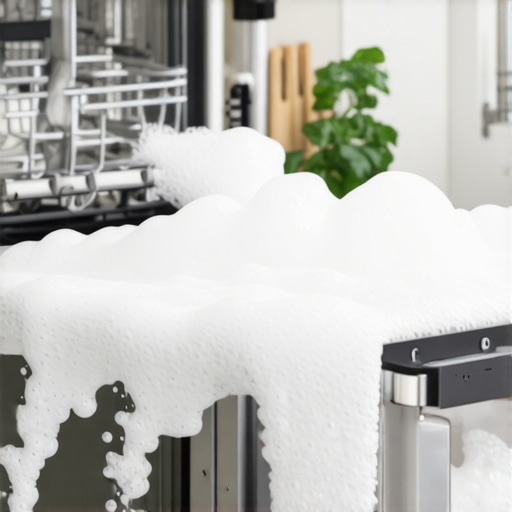
If you’ve ever gone to unload your dishwasher only to find it riddled with soap suds, leaving you scratching your head in frustration, you’re not alone. I remember standing in my kitchen one evening, paper towel in hand, staring at my soapy mess with a mixture of annoyance and confusion. It was one of those moments where I thought, “Did I do something wrong?” Turns out, many homeowners run into this sticky situation, and the causes can be surprisingly simple to fix once you know what to look for.
That Lightbulb Moment: Soap Suds Everywhere and No Clear Clues
At first, I blamed the dishwasher itself, questioning whether it was malfunctioning. But after some research and a little trial and error, I realized that common issues like overusing detergent or using the wrong kind of soap could cause soap suds to linger long after the cycle ends. A study published by Appliance Magazine notes that excessive or incompatible detergent is a leading cause of foamy build-up in dishwashers. This realization spurred me to dig deeper, clean my machine thoroughly, and revisit how I was loading and choosing detergent.
Will This be a Total Waste of Time?
Now, I’ll admit: my early mistake was not reading the manufacturer’s instructions carefully. I used too much soap, assuming more would clean better. But in reality, excess soap creates stubborn suds that cling to the interior, preventing complete rinsing. It’s a mistake I see many people make—loading too much detergent or opting for cheaper, generic brands that don’t rinse away properly. If you’ve faced the same problem, don’t worry; a few simple adjustments can fix this issue, and I promise, you won’t have to replace your entire dishwasher.
Flush Out Excess Detergent
My first move was to remove all dishes, turn off the dishwasher, and run a rinse cycle without any detergent to flush out the remaining soap. I then opened the door and wiped away foam with paper towels. This step prevents the suds from continuing to cycle and creates a clean slate for repair. Remember, always avoid reloading the dishwasher with soap before diagnosing the problem.
Clean the Drain and Spray Arms Thoroughly
Soap residue and debris can clog the drain or spray arms, trapping excess soap. I disassembled the lower spray arm, rinsed it under hot water, and cleared out any clogs with a toothpick. Similarly, I checked the drain filter for obstructions, removing any buildup. This ensures proper drainage and prevents suds from re-entering the wash cycle.
Adjust Detergent Usage and Type
Overuse of detergent is a common culprit. I measured precisely the manufacturer’s recommended amount—no heaping scoops—and switched to a high-efficiency (HE) soap designed for automatic dishwashers. Using the right soap reduces excess suds, and I learned that cheap or incompatible brands often don’t rinse away fully, causing foamy residue.
Practice Using Correct Detergent and Quantity
Once I started using the recommended amount, I noticed the foam issue diminished significantly. For example, I previously used double the recommended amount, thinking it would clean better—mistake! Now, with proper dosing, my dishwasher operates quietly and effectively. For guidance on maximizing your warranty and avoiding costly repairs, check out this expert advice.
Proper Load and Installation Checks
Uneven loading can cause water and soap to recirculate improperly. I made sure items were arranged to allow water flow and no soap traps. Additionally, I inspected the door gasket and hinges, ensuring they seal tightly. If your installation isn’t optimal, here’s how to install your dishwasher correctly.
Schedule Professional Service if Needed
If foam persists despite these steps, it may indicate a malfunction in the anti-foaming system or a seal leak. In that case, contacting a technician is wise. For quick, warranty-backed repairs, explore same-day professional service. Doing so prevents further damage and ensures your appliance functions flawlessly again.
Keep Monitoring Your Dishwasher’s Performance
After these adjustments, I kept an eye on subsequent cycles. I noticed less foam and better rinse quality. Regular maintenance—like cleaning filters and inspecting spray arms—fits into this proactive approach to keep soap suds at bay. For ongoing tips on appliance care, don’t miss this comprehensive guide.
Many homeowners assume that appliance installation, repair, warranty claims, and same-day services are straightforward processes, but this often leads to costly mistakes. One pervasive myth is that DIY installation is just as reliable as professional setup, yet studies show that improper installation is one of the top causes of appliance failure and safety hazards. For instance, a report by the Consumer Reports highlights that incorrect venting or electrical wiring significantly shortens appliance lifespan and voids warranties, making professional installation essential.
Another misconception is that warranty coverage automatically protects you against all repair costs. However, many warranties have fine print, excluding damages caused by improper installation or neglect. Understanding the nuances can save you from unexpected expenses. For example, choosing a service provider outside of your appliance brand’s recommended network can disqualify warranty claims, so verifying warranty terms beforehand is crucial. For expert guidance on this, check out this comprehensive guide.
What advanced questions should I ask my repair technician to ensure the quality of work?
It’s common to overlook the importance of technician credentials and parts quality. An expert tip is to ask if they use genuine parts and whether their technicians are certified or affiliated with the manufacturer. Using counterfeit or incompatible parts can lead to further damage and void your warranty. A study published in the Journal of Consumer Protection emphasizes that certified professionals reduce the risk of improper repairs, which not only extends appliance life but also maintains warranty validity. Always confirm the service provider’s warranty on their workmanship and parts before scheduling repairs. Want to ensure your repair or installation is done right the first time? Consider warranty-backed services that prioritize quality and accountability.
Consider also the critical mistake of delaying professional service after issues arise. Waiting too long can lead to secondary damage and more expensive repairs. Additionally, some homeowners overlook the importance of proper appliance support during installation, which can cause vibrations, noise, or even leaks. Proper leveling and securing can prevent premature failure and protect your warranty coverage. For reliable installations, visit this expert service.
Have you ever fallen into this trap? Let me know in the comments.
Investing in the Right Tools for Maintenance
Having the proper tools is crucial for effective appliance upkeep and repairs. I personally rely on a high-quality digital multimeter because it allows me to quickly diagnose electrical issues, such as faulty thermostats or blown fuses, saving time and avoiding unnecessary replacements. Additionally, a cordless nut driver set has become indispensable for removing panels and accessing internal components without striping screws or causing damage. I also swear by a flexible, drain-cleaning auger for clearing stubborn clogs in dishwasher drain hoses, which can prevent soap suds from recirculating and causing additional problems.
Why I Choose Professional-Grade Equipment
While some DIY tools are tempting due to cost savings, investing in professional-grade equipment ensures durability and precision. For example, a high-quality thermal imaging camera can identify hidden overheating components in refrigerators or dryers, preventing unexpected breakdowns. Similarly, specialized ultrasonic leak detectors assist in locating refrigerant leaks efficiently, which is essential for maintaining seal integrity and prolonging appliance lifespan. Using reliable tools not only enhances your repair accuracy but also helps you adhere to warranty guidelines by avoiding accidental damage.
Software and Methods for Long-Term Care
Beyond physical tools, installing appliance-specific diagnostic software can significantly extend the life of your machines. Manufacturers often provide service apps that send firmware updates and system alerts directly to your smartphone, enabling proactive maintenance. For instance, some smart fridges notify owners of door seal issues or filter replacements. Regularly scheduled software diagnostics can catch emerging faults early, reducing repair costs and minimizing downtime. Moreover, employing a monitored maintenance schedule, where you log performance metrics and service dates, aids in tracking wear-and-tear over time, ensuring your appliances meet optimal performance standards.
How do I maintain appliance efficiency over time?
Routine cleaning of filters, vents, and drainage pathways is fundamental. I recommend setting a monthly calendar reminder to inspect and clean these areas—this simple step prevents buildup and ensures smooth operation. Using manufacturer-recommended cleaning agents or tools, such as a vinegar rinse for dishwashers, helps maintain internal components without risking damage. Additionally, scheduling annual professional inspections can catch issues before they escalate, safeguarding warranty coverage. If you want expert advice on safeguarding your appliances, check out this guide on warranty maximization.
Scaling Maintenance Strategies for Larger Operations
If you manage multiple appliances or a commercial setting, automation becomes essential. Implementing remote monitoring systems that track temperature, cycle times, and performance logs allows you to spot trends and schedule repairs strategically. Tools like IoT sensors integrated into appliances can alert you instantly via smartphone if something goes awry, minimizing downtime and repair costs. Maintaining a standardized maintenance protocol ensures consistency; for example, using the same cleaning schedule and parts across devices helps simplify training and inventory management. As smart technology advances, expect integration with AI-driven analytics to predict failures before they happen, making appliance upkeep smarter and more efficient.
Ready to Take Your Maintenance to the Next Level?
Start by investing in a quality digital multimeter and a fiber-optic inspection scope—these tools have revolutionized my repair approach. Not only do they provide precise diagnostics, but they also help maintain warranty eligibility by adhering to manufacturer repair standards. Remember, proactive maintenance combined with the right equipment can save you a significant amount of time and money. Curious about how to get started? Explore this comprehensive repair guide to elevate your appliance care skills.
The Value of Patience Over Quick Fixes
One of the hardest lessons I learned was that rushing through repairs often leads to overlooking simple issues that cause big problems later. Taking my time to diagnose thoroughly not only saved time in the long run but also helped me build confidence in my repairs, ensuring components like seals and filters are properly addressed. Remember, patience is your best ally in delivering quality service and extending appliance lifespan.
Trusting the Power of Proper Tools
I used to rely on makeshift solutions until I invested in professional-grade equipment like digital multimeters and ultrasonic leak detectors. This shift drastically improved my troubleshooting accuracy, reduced errors, and safeguarded warranty claims. If you’re serious about appliance repair, equipping yourself with reliable tools is a game-changer — it’s an investment in your skills and peace of mind.
Listening to the Appliance, Not Just the Fix
Early in my career, I focused solely on the symptoms, like a leaking refrigerator or a noisy dryer. But I soon realized that understanding the appliance’s ‘voice’ — subtle behaviors and slight shifts — gives deeper insights into underlying issues. This approach fosters proactive maintenance, prevents unexpected breakdowns, and ultimately saves money. Pay attention to what your appliances tell you; it’s communication richer than any manual.
Curated Resources That Accelerated My Growth
- Official Manufacturer Manuals: These are invaluable for accurate troubleshooting and warranty adherence. I trust them because they’re designed for specific models, reducing the risk of misdiagnosis.
- Professional Forums and Communities: Sites like Appliance Repair Forum connect me with experts worldwide, providing diverse insights and quick resolutions, enhancing my skill set rapidly.
- Reliable Service Guides: The comprehensive repair guides from trusted sources helped me understand complex issues step-by-step, making me more confident during repairs, and they’re linked to trusted resource hubs.
Your Journey Starts Now
Remember, each repair is an opportunity to learn, improve, and reinforce best practices. The world of appliance maintenance is evolving, and your proactive approach will keep your home running smoothly. Don’t shy away from tackling the next challenge — every expert was once a beginner. Ready to take the plunge? Engage with the community and share your experiences — your insights might inspire someone else to keep their appliances at their best.