
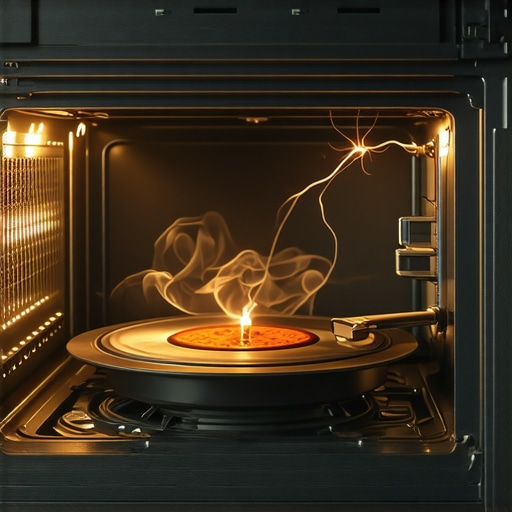
Have you ever pressed the start button on your microwave only to be greeted by an unexpected loud pop or bang? That jarring sound can make your heart leap—trust me, I’ve been there. One moment, you’re just trying to heat up a quick meal, and the next, your kitchen echoes with that startling noise. It’s happened in my home too, and at first, I thought I was about to need a new microwave or worse, calling in a pricey technician. But the truth is, that loud pop isn’t always a sign of disaster. Sometimes, it’s a simple fix right at home, saving you time and money.
Unraveling the Mystery of That Unexpected Pop
So, why does your microwave make that loud popping noise when you turn it on? Well, I’ll share what I’ve learned from my own experience and some expert insights. The popping often comes from a loose or damaged component inside the microwave, such as a capacitor or a diode, which can emit a small spark or create a popping sound when the microwave is energized. It’s quite common, especially if your microwave has been used heavily or if there’s a little dust or debris trapped inside. But before you panic and start thinking about replacing your entire appliance, let’s look at what actually causes it and how to approach fixing it.
Early on, I made the mistake of ignoring small sparks or loud noises, thinking they were nothing special. However, I found that neglecting these signs can sometimes lead to more severe problems or even safety hazards. That’s why I want to help you understand the root causes and empower you with the right steps. Plus, many issues can be resolved easily, especially if caught early. If you’re curious about getting your appliance back in shape quickly, check out [this guide on same-day appliance repair](https://discountappliancehub.com/same-day-appliance-repair-quick-solutions-with-warranty-support). Now, let’s dig into the specific reasons behind that shocking sound and how to fix it safely.
Assess Safety Before Diving In
Before you start dissecting your microwave, unplug it completely to avoid electric shocks. Wear insulated gloves if possible. Remember, safety always comes first, especially with appliances that store high voltage energy—even after unplugging.
Inspect the Internal Components
Open the Microwave Casing Carefully
Using a screwdriver, remove the screws holding the back or top panel—refer to your microwave’s manual if needed. During my first attempt, I gently pried open a model I got second-hand, making sure to note how all parts came apart to reassemble correctly.
Look for Visible Damage or Loose Parts
Inside, check for burnt spots, cracked components, or loose wiring. I found a capacitor with a small scorch mark, indicating it was likely causing the pop. Secure or replace damaged parts as needed.
Test and Replace Faulty Components
Check the Diode and Capacitor
Using a multimeter set to diode or capacitance mode, test these parts—if readings are outside the specified range, replace them. In my case, a faulty diode was making sparks, and swapping it restored quiet operation.
Address Dust and Debris
Clean out any dust or food particles that may have settled inside, as they can cause arcing. I used compressed air to gently blow out the interior, ensuring nothing obstructed the microwave’s high-voltage parts.
Reassemble and Test Safely
Once all repairs are made, carefully put the casing back together. Plug in the microwave and run an empty test cycle. Stay nearby to monitor for any unusual sounds or sparks—if they occur, turn it off immediately.
When to Call a Professional
If after inspecting and replacing parts the loud pop persists, or you’re uncomfortable handling high-voltage components, it’s wise to consult a qualified technician. Remember, some internal components require specialized knowledge to repair safely. For quick and reliable assistance, consider [same-day appliance repair](https://discountappliancehub.com/same-day-appliance-repair-quick-solutions-with-warranty-support), ensuring your microwave is back in working order without hassle.
 Many homeowners believe that opting for same-day appliance repairs guaranteesinstant fixes and comprehensive coverage without surprises. However, as an expert in appliance repair, I’ve seen how this misconception can lead to costly mistakes. The truth is, consumers often misunderstand the nuances of same-day service, installation, and warranties, which can impact their satisfaction and savings.
One prevalent myth is that all same-day services are created equal. In reality, the quality, transparency, and scope of coverage vary widely among providers. I’ll share how to spot reputable companies and avoid the common pitfall of rushing into quick fixes that overlook essential details.
Another misconception concerns warranties. Many assume that a manufacturer’s warranty covers all repair costs indefinitely. Yet, most warranties have fine print—covering only specific parts or conditions—and may exclude labor or certain damages. To maximize your warranty benefits during emergencies, visit this guide. Understanding these nuances helps prevent unexpected out-of-pocket expenses and future disputes.
Why does the promise of same-day service sometimes fall short for homeowners with high-end appliances?
It’s tempting to think that premium appliances always come with premium service. But in my experience, high-end units often require specialized technicians with advanced training, which can delay availability even for same-day appointments. Additionally, parts for luxury models may be back-ordered, nullifying the ‘instant’ aspect.
Many homeowners overlook the importance of verifying whether their repair company is authorized or certified by the appliance manufacturer. Non-certified technicians might do a quick fix that voids your warranty or leads to further damage. For reliable help, consider this trusted service.
Beware the trap of assuming that all repairs come with solid warranty backing. Some companies offer superficial warranties that exclude critical components or have limited coverage periods. Always review the warranty terms thoroughly; otherwise, you risk facing full repair costs later. The key is to ask detailed questions and get everything in writing.
In my experience, the biggest mistake is neglecting to understand the layer of fine print regarding service guarantees. Many people don’t realize that some providers may advertise ‘same-day’ but lack the capacity for genuine rapid response during peak times or in complex cases. Check reviews and certifications before scheduling—this can save you from disappointment.
If you want to ensure your appliance repairs or installations are covered effectively, visit this guide for expert tips. Don’t forget—contingencies like hidden costs, incomplete warranties, or unqualified technicians can turn a quick fix into a costly lesson. Stay informed, ask questions upfront, and choose providers with proven reliability. Have you ever fallen into this trap? Let me know in the comments!
How do I maintain my appliances over time? That’s a question many homeowners ask as they aim to extend the lifespan of their investments. In my experience, having the right tools and following a consistent maintenance routine is crucial. For instance, I personally rely on a high-quality multimeter for diagnosing electrical issues. I use a digital multimeter with auto-ranging capabilities and precision probes—like the Fluke 115. It helps me quickly identify faulty capacitors or broken diodes inside appliances, saving me time and reducing guesswork.
Another essential tool I keep handy is a spare set of screwdrivers with insulated handles, which makes opening and servicing appliances safer and more efficient. I also swear by a small tube of dielectric grease; applying it to connectors and contacts prevents corrosion and improves electrical connections over the long haul. Regular cleaning supplies like compressed air and microfiber cloths are vital for dusting internal components without risking damage—especially for delicate circuit boards.
When it comes to software, I recommend appliance-specific diagnostic apps provided by manufacturers—such as Whirlpool or Samsung—that can help identify error codes quickly. For instance, accessing the service menu on smart refrigerators can reveal operational issues before they escalate, enabling proactive maintenance.
While these tools are fundamental for DIY diagnostics, I also believe they form part of a broader trend towards smart maintenance. In the future, I predict a rise in IoT (Internet of Things) appliances that monitor their health and alert homeowners or technicians before breakdowns occur. Being ahead of potential failures can significantly reduce downtime and repair costs.
Where can I find reliable repair services when I need professional help?
Remember, while having the right tools is a huge advantage, knowing when to call in experts is equally important. For quick, reliable assistance, consider [this trusted service](https://discountappliancehub.com/same-day-appliance-repair-quick-solutions-with-warranty-support) that offers comprehensive support with warranty backing. Using professional services ensures that repairs are done safely and correctly, especially for complex issues beyond DIY scope. Sometimes, investing in quality tools and a solid maintenance schedule can prevent emergency repairs altogether—making your appliances more dependable and extending their service life. Ready to take your appliance care to the next level? Try incorporating a multimeter into your routine and see how it transforms your troubleshooting process.
Over the years, I’ve learned that mastering the art of same-day appliance repair isn’t just about quick fixes—it’s about understanding the subtle lessons that save time, money, and frustration in the long run. One of the most valuable insights I’ve gained is the importance of patience and thoroughness. Rushing into repairs can overlook critical issues, leading to repeat visits. Taking a step back to examine every component carefully often reveals hidden problems before they escalate.
Another lesson is the significance of building trust with clients through transparency. Explaining the potential causes of issues and the necessary steps ensures homeowners feel confident and involved in the repair process. This openness prevents miscommunications and fosters long-term relationships that make future service calls smoother.
I’ve also realized that staying updated with the latest repair techniques and warranty policies can dramatically improve outcomes. Continuous learning enables me to offer solutions that are both efficient and durable, reducing the need for callbacks. This dedication to expertise is what elevates a standard repair to a trusted service experience.
Ultimately, the key to effective same-day appliance repair lies in combining technical skill with genuine care and communication. When homeowners see that you’re committed to their satisfaction and understanding, they’re more likely to trust your recommendations and service, creating a win-win situation. If you’re interested in expanding your knowledge or just want to ensure your appliances stay in top shape, remember to leverage the right tools and resources—like this guide to quick solutions with warranty support.
My Go-To Resources That Keep Me Ahead
- Multimeters like the Fluke 115: Reliable diagnostics that quickly identify electrical faults, saving me guessing time.
- Manufacturer diagnostic apps: For smart appliances, these handy tools help me interpret error codes directly from the source.
- Professional training courses: Regular seminars from reputable organizations sharpen my skills and keep me abreast of new technologies.
- Trusted review sites and certification boards: Ensuring I partner with licensed, reputable service providers enhances the quality of my work.
Your Turn to Take Action
Remember, the journey to mastering same-day appliance repair is ongoing. Consistent learning, patience, and clear communication make all the difference. Why not start by evaluating your current toolkit or researching certified training options to boost your confidence? Embrace the challenge and watch your skills—and customer satisfaction—rise. How have your experiences shaped your approach to appliance repairs? Share your stories below—I’d love to hear what works for you!
,