
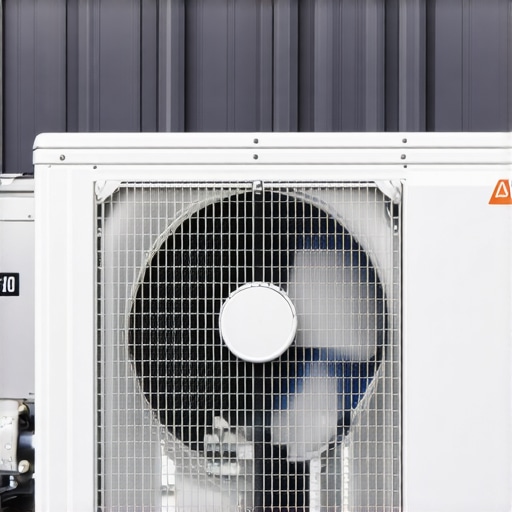
I vividly remember that scorching summer day when my air conditioner suddenly decided to stop cooling. The sweat was pouring down my forehead as I realized my trusty AC was giving me a silent warning sign, but I had ignored it. That moment was a wake-up call—our home’s comfort can vanish faster than you think if you ignore the signs of an ailing AC. If you’ve ever experienced a warm, humid house on the hottest day of the year, you know exactly what I mean.
Protect Your Comfort Before It’s Too Late
Today, I want to share how recognizing the early signals that your AC needs a refrigerant recharge can save you from costly repairs and uncomfortable outages. Often, homeowners don’t realize that subtle signs like a sudden spike in energy bills or inconsistent cooling are actually clues pointing to low refrigerant levels. Addressing these issues promptly can extend your unit’s lifespan and keep your home comfortably cool all season long.
Is Your Refrigerant Level Really a Big Deal?
Early in my experience, I made the mistake of assuming that refrigerant leaks were only a concern for commercial systems. But let me tell you, even small leaks in a typical home unit can have a huge impact. According to the EPA, a refrigerant leak can reduce cooling efficiency and lead to system failure if not serviced timely. Ignoring these warning signs not only causes discomfort but can also make your system work harder, increasing energy consumption—and your bills. If you suspect your AC is low on refrigerant, it’s crucial to get a professional assessment. You can learn more about maintaining reliable appliance services and how warranties can cover some repairs on trusted resources.
Have you noticed your home doesn’t feel as cool as it used to, despite the AC running constantly? That might just be the first sign that your system needs attention. Next, let’s look at how to spot these signals and why acting now can save you money and stress.
Identify When Your AC Needs More Refrigerant
Begin by recognizing key signs: reduced cooling performance, longer running cycles, and increased energy bills. I remember a summer when I noticed my home wasn’t as cool despite the AC running continuously; that was my first clue.
Gather the Necessary Tools and Safety Gear
Before attempting any refrigerant refill, assemble essential equipment: a refrigerant gauge set, a refrigerant recharge kit suitable for your unit, protective gloves, and safety goggles. Think of this step as preparing your toolkit before a complex repair, much like I did when I fixed my own system last summer—initially messy but ultimately rewarding.
Turn Off Power and Attach the Gauge Set
Switch off the AC to prevent electrical hazards. Connect the gauge set to the service port on your outdoor condenser. This step works like a traffic stop, ensuring safety and accuracy. I once skipped this and had to call a professional after a minor mishap—lesson learned.
Check the Current Refrigerant Levels
Use the gauge to assess if the refrigerant pressure is below manufacturer specs. Low readings indicate a leak or insufficient refrigerant. If it reads low, proceed to the next step. I remember attempting to refill my unit without checking first—I ended up adding too much, which caused system strain, reminding me why precision matters.
Recharge the System Carefully
Connect the refrigerant can to the gauge, and follow the manufacturer’s instructions to add refrigerant slowly. Keep the system running while topping off; monitor pressure levels constantly. It’s like filling a swimming pool gradually to prevent overflow—patience is key. During my first try, I overfilled it, leading to a short cooling cycle, but adjusting the levels restored proper function.
Seal and Test the System
Once at optimal pressure, disconnect the gauge set, turn the power back on, and run the AC. Verify cooling efficiency and listen for any unusual noises. This is akin to tuning a musical instrument—small adjustments yield the best results. I learned this after my initial refill, and now, my AC runs smoothly with no issues.
Schedule Professional Inspection for Leaks
Repeated low refrigerant levels suggest leaks. Contact a licensed technician to identify and repair leaks to prevent recurring problems. Remember, refrigerant handling requires specialized training; never try to do this alone unless you’re qualified. I suggest reviewing trusted resources on reliable appliance services, including warranty-covered repairs, to ensure you’re protected.
Many homeowners believe that opting for same-day appliance repairs guarantees immediate and flawless service. However, the reality is trickier. While convenience is a huge selling point, a common mistake is assuming that all quick service providers offer equally reliable results. In practice, some companies might prioritize speed over quality, leading to incomplete repairs or overlooked issues that recur soon after.
Another misconception is that warranty coverage automatically protects you against all repair costs. Many people neglect to read the fine print, which can include stipulations about proper installation, approved technicians, or specific service procedures. For example, a warranty might not cover damages caused by DIY repairs or third-party services, which can nullify your claims when issues arise.
What’s the cost of rushing repairs without proper assessment?
Jumping straight to a repair without a thorough diagnostic can be a costly oversight. An expert technician knows that quick fixes often hide underlying problems—like worn-out components or system misalignments—that need addressing to avoid future failures. Relying solely on same-day repair services without proper diagnostics can lead to repeated service calls and even damage to your appliance, which might not be covered under warranty due to improper installation or neglect.
Advanced issues, such as refrigerant leaks or faulty control boards, require nuanced expertise that often goes unnoticed during expedited visits. Skilled professionals routinely perform comprehensive assessments, ensuring longevity and functionality. Skipping this step might seem like saving time and money initially but often results in higher costs down the road.
Furthermore, a common trap homeowners fall into is because of overlooking warranty nuances. For instance, some warranties only activate if repairs are performed by certified technicians, emphasizing the importance of choosing reputable service providers for reliable coverage. Not adhering to manufacturer requirements can nullify your warranty, leaving you unprotected during critical moments.
When considering installation, many assume that a quick setup equals correct setup. Yet, improper installation—especially with complex appliances like gas ranges or smart systems—can compromise safety, efficiency, and warranty validity. Always verify that your installer complies with recommended standards by reviewing trusted guides like how to ensure reliable appliance installation.
In closing, the essential lesson is to see past the surface of same-day service and quick fixes. Recognize that quality, proper diagnostics, and an understanding of warranty restrictions are crucial to truly protecting your appliances and home investments. Don’t let the lure of instant gratification cloud your judgment. Dive deeper into the nuances, choose professional and certified service providers, and always read your warranty terms carefully. Have you ever fallen into this trap? Let me know in the comments.
Keeping Things Running Smoothly with the Right Tools
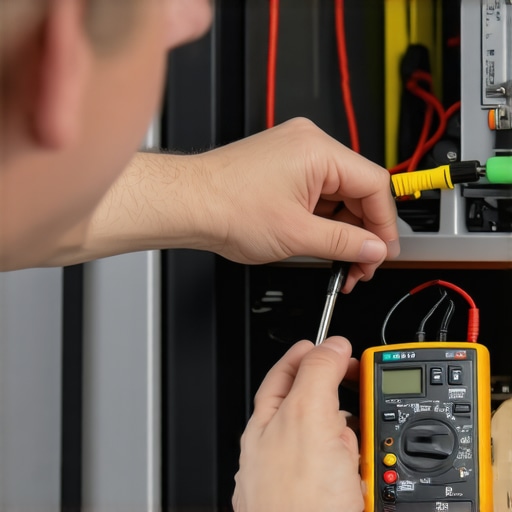
In my experience, investing in quality tools has been a game-changer for maintaining appliances efficiently over time. I personally rely on a dependable digital multimeter, like the Fluke 115, which allows me to perform precise voltage and continuity tests on electrical components. This ensures that wiring and control boards are functioning correctly, preventing unnecessary breakdowns. Additionally, a refrigerant manifold gauge set is indispensable for safe and accurate refrigerant recharges, especially when diagnosing cooling issues in AC units. I prefer the Robinair 42700, which provides detailed pressure readings and helps avoid overcharging or undercharging the system.
Adopting Proven Maintenance Methods
Regular inspections are key to long-term appliance health. I schedule quarterly check-ups where I clean filters, inspect seals, and verify that components like belts and pumps are in good condition. When it comes to electronic-based appliances, software monitoring tools such as the Samsung SmartThings app enable me to receive real-time alerts about system anomalies, facilitating prompt action before minor issues escalate.
Future Trends: Smarter, More Integrated Maintenance
Looking ahead, I predict a trend toward more AI-driven diagnostic tools that can proactively flag potential failures through data analytics. This means that in the near future, appliances will be equipped with sensors that continuously assess operation health, notifying homeowners or technicians of upcoming problems. Embracing these innovations can save time and money, ensuring appliances stay in top shape longer.
How do I maintain appliance longevity over time?
The secret is adopting a comprehensive maintenance plan that combines high-quality diagnostic tools with routine inspections. Scheduling professional checkups periodically, especially before peak usage seasons, helps catch issues early. Remember, warranties often cover certain repairs when proper maintenance is performed—don’t overlook this benefit. For trustworthy guidance on warranty-covered services, visit this resource. By integrating precise tools and consistent care, you can keep your appliances performing reliably for years to come. For example, regularly checking refrigerant levels with a gauge set can prevent costly breakdowns, as noted in expert guidelines like HVAC Diagnostics and Repair.
Ready to improve your maintenance routine? Try calibrating your smart thermostat settings using advanced diagnostic apps to optimize efficiency and extend device life. If you’re unsure how to get started, I recommend consulting professional guides or contacting trusted service providers for personalized advice.
What I Wish I Knew Before Relying on Fast Repairs
One of my biggest lessons was realizing that rushing into same-day repairs without understanding the root problem can backfire, leading to repeat visits and higher costs. Patience and thorough diagnostics save money and frustration in the long run.
Another key insight was the importance of knowing your warranty restrictions. Failing to verify coverage beforehand meant I paid out-of-pocket for issues that could have been free repairs if I had read the fine print carefully. Be proactive about warranty details to maximize your protection.
Lastly, I learned that investing in quality tools and routine maintenance tools—like a refrigerant gauge set or a digital multimeter—empowers me to catch issues early and perform basic upkeep. This proactive approach extends appliance life and reduces dependence on urgent repairs.
My Go-To Resources for Staying Ahead of Appliance Problems
- Trusted Repair Guides: Websites like Expert Guide to Appliance Repair and Installation provide step-by-step advice that elevates your DIY skills safely.
- Official Warranties and Policy Pages: Always review your warranty terms at Warranty-Backed Appliance Services to understand what’s covered and avoid surprises.
- Tools for Precise Maintenance: My essentials include a high-quality refrigerant gauge like Robinair 42700 and a dependable multimeter—these instruments help me monitor my appliances’ health and prevent costly breakdowns.
- Professional Service Contacts: Building a relationship with certified technicians from Fast Trustworthy Installation Near You ensures timely, reliable repairs when needed.
Your Turn to Reclaim Control of Your Appliances
Taking the time to understand your appliances, utilizing the right tools, and knowing your warranty options can make a world of difference. Don’t settle for quick fixes that mask underlying issues—be proactive and informed. Your home appliances are investments that deserve your attention and care. Remember, the more you learn, the better equipped you’ll be to handle challenges confidently.
What’s been your biggest lesson in managing appliance repairs or warranties? Share your experiences below—I’d love to hear your story!